
We clear, and we take it away
The clearing is half the job; getting the waste off your property is the other half.
Al Hindawiyah is an old crowded quarter beside Jeddah Islamic Port dating from the nineteenth century, divided by Al Dhahab Street and Port Street into a port-facing section and a popular inland area. Dense apartment buildings sit above more than two hundred shops, and local services are shared among a very high population. Gardens here are rare and tiny, with old ceramic or cement floors, and the coastal humidity is intense. Salt from the sea air deposits on everything and feeds mildew and algae.
The rare and tiny gardens in Al Hindawiyah face intense humidity from the port and coast, and floors suffer from salt and mildew forming very fast. For the method itself, see the full garden cleaning page.
The intense moisture from Jeddah Islamic Port and the nearby shore traps wet leaves rapidly. This causes very fast rot and strong odours. Leaves must be collected almost daily to prevent smell from taking over the small space.
Salt from the sea air settles on the ceramic and cement floors and draws moisture to the surface. This causes salt cracks and rot underneath. Cleaning must be very frequent and floors dried fast after each wash.
Constant humidity and sea salt create ideal conditions for algae and mould. These spread fast across floors, walls and around the few planting beds and require scraping and chemical treatment to control.
An old and densely built quarter beside Jeddah Islamic Port with apartment blocks above shops, high coastal humidity and salt in the air from the port and the busy main roads nearby.
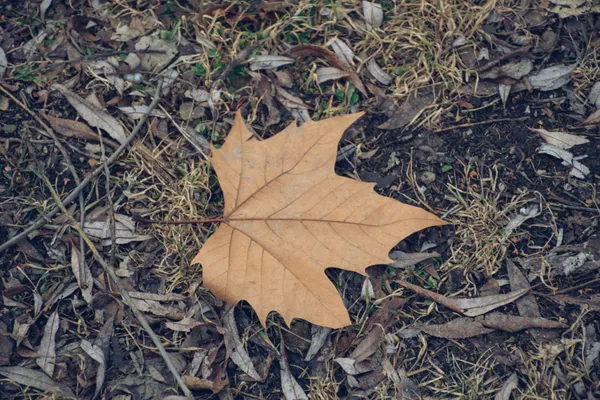
The rare leaves in the tiny garden rot fast from intense moisture and need daily collection to prevent odour and decay.
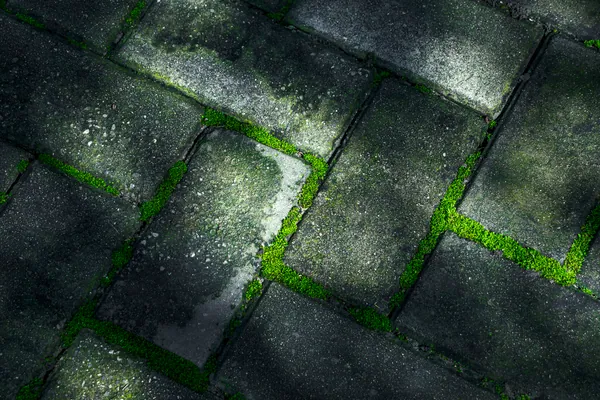
Weeds in the paving joints sprout from constant dampness and may need daily attention during damp seasons to keep clear.
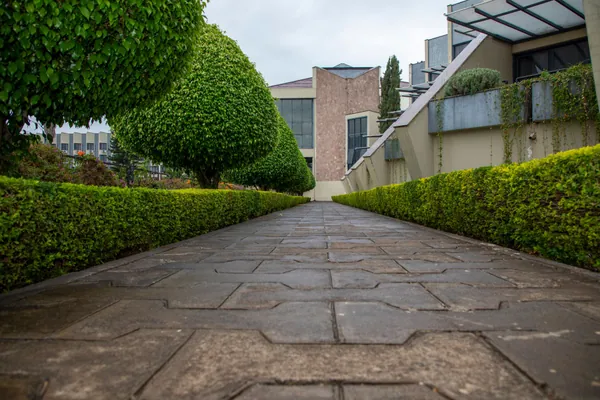
Ceramic and cement floors get dirty from salt and algae and need strong water and cleaner, plus rapid drying to prevent regrowth.
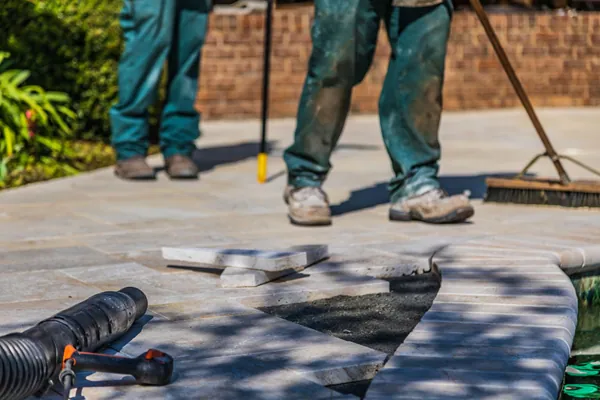
Very few outdoor seating areas exist in this old dense district, but where present they must be dried rapidly after cleaning to avoid fungal growth.
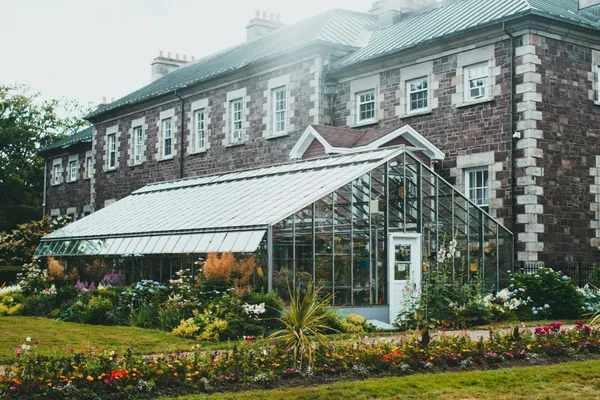
Around the few planting beds, algae, salt and mould build up and sometimes need daily cleaning to manage in peak humidity seasons.
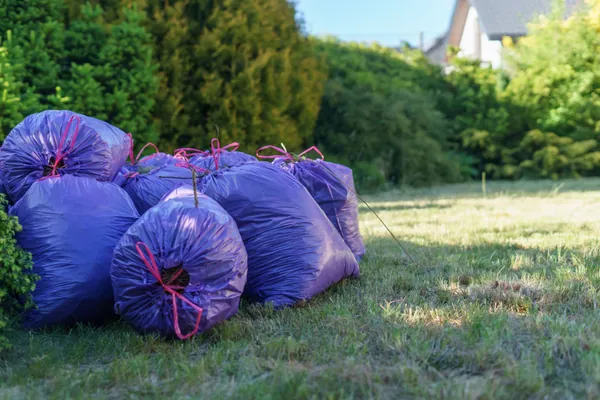
Waste includes leaves, rubbish from the many shops, and port debris that may blow in; disposal requires care and segregation.
We go through it with you first, what's cleared, what's cut back, what stays.
Leaves, twigs and litter across the whole space come first, while everything's dry.
Weeds pulled from the beds and the gaps between pavers, roots lifted where they'll come, so the clearing lasts more than a week.
Growth crowding the paths, walls and fences is cut back to what you agreed and cleared to the waste pile as we go.
With the debris gone, the paving and tiles are swept and washed, the dust film and the dark damp grime in the shaded spots, last so nothing lands back on clean stone.
All the green waste is bagged and taken with us.
The clearing is half the job; getting the waste off your property is the other half.
We send a team, not one person, so a garden that would eat your whole weekend is cleared in a single visit.
The tools for clearing, cutting back and washing arrive with the team, no hiring, no waiting on gear that's somewhere else.
This is cleaning, not landscaping.
Photographs from real jobs carried out by the crew.












The commitment is simple enough to actually keep: we don't leave until you've walked the garden and told us what you think.
The garden sits in the heart of the old quarter between Al Dhahab Street and Port Street, close to Jeddah Islamic Port just across the road. Access comes via the tight passages between shops and buildings, near Zawiyat Al Hunud Mosque and Umar ibn Al Khattab Mosque, which stand on the main commercial axis.
We provide these in Al Hindawiyah too, and more than one can share a single visit.



