
We clear, and we take it away
The clearing is half the job; getting the waste off your property is the other half.
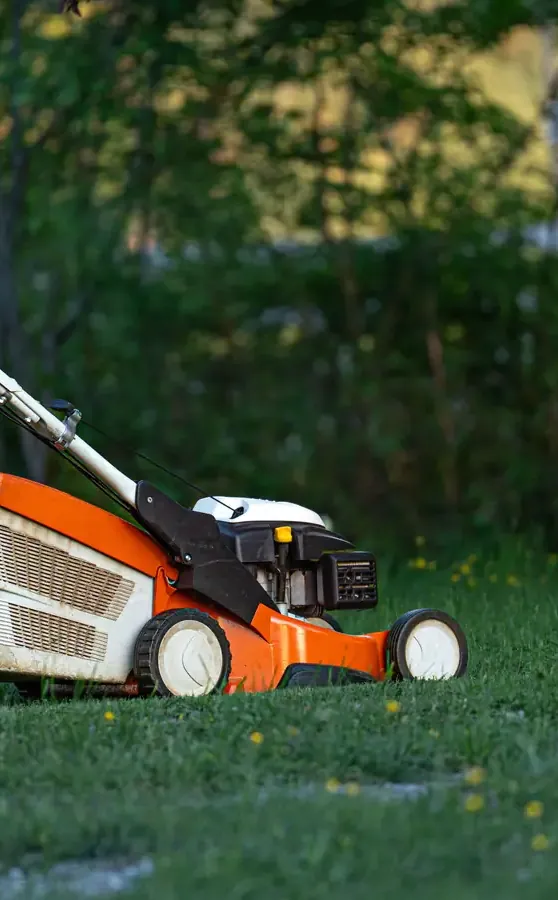
Al Quraniyah is an older south Jeddah residential district sandwiched between the port and industrial zone and coastal roads, where gardens collect a particular mix of waste: oily diesel soot from heavy traffic, salt spray from sea winds, and fast mould growth from coastal humidity. Clearing means dealing with these specific contaminants carefully on older flooring.
Dust here is darker and oilier than other areas, clinging to net curtains, window sills and tops of kitchen cupboards, and needs additional effort to remove completely. For the method itself, see what garden cleaning involves.
Trucks passing daily leave soot and fine metal particles that behave differently from sand dust. This grit sticks hard to ceramic and marble, needing scrubbing and different cleaning methods than plain sandy soil.
Moisture from the nearby sea and salt in the air speed mould growth on furniture and wet flooring. Outdoor seating needs washing often and drying fast to stop the growth.
Many older homes here have plain cement or ceramic tile that blackens where soot is walked. Hard scrubbing can damage the surface, and heavy water soaks into the joints.
The district sits between the sea on one side and heavy goods roads on the other, meaning constant exposure to industrial dust and salty humid air.
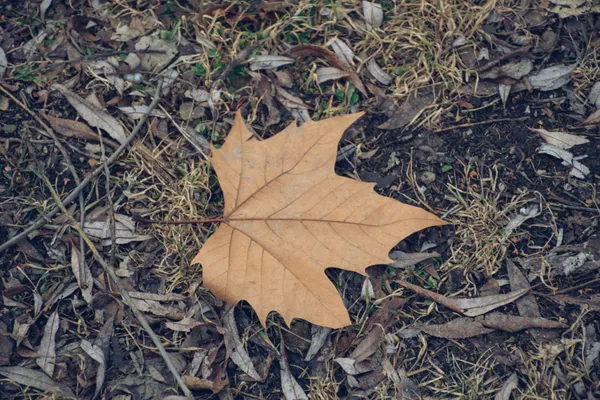
Leaves here mix with soot and salt, and collection needs careful separation and gentle handling of oily deposits.
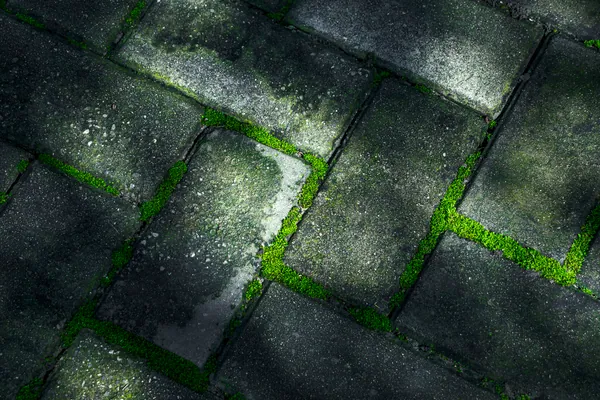
Weeds between paving grow fast from humidity, and pulling needs tools that don't leave soot marks in the joints.
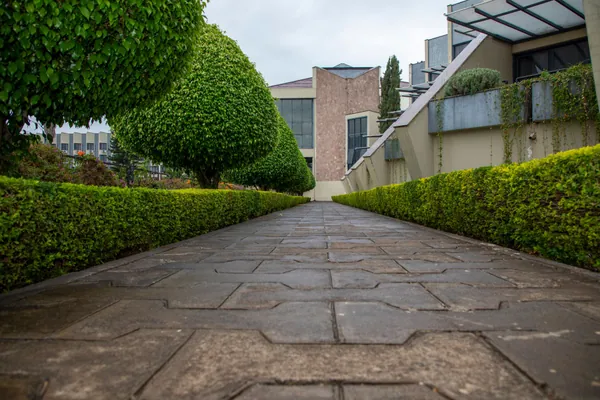
Paths and floors need sweeping first to clear heavy soot, then washing with moderate water and grease-dissolving cleaner.
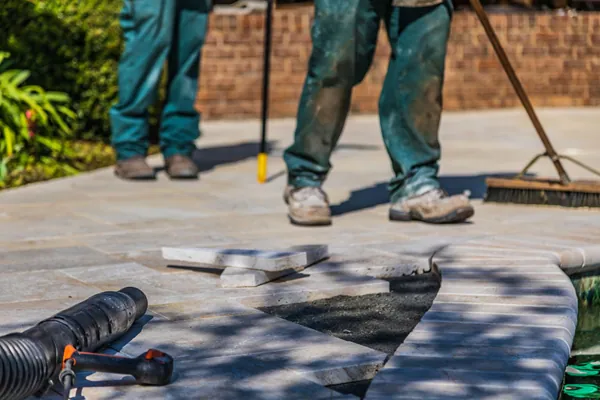
Outdoor seating has deep soot deposits, and washing needs time and repeat scrubbing to remove salt and grease layers.
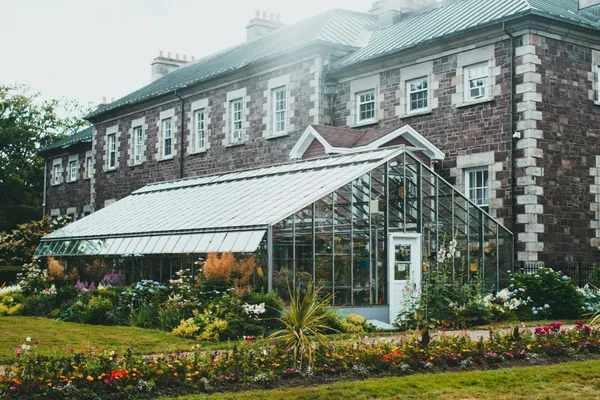
Planting beds and shrubs around seating need careful cleaning of soot without harming growing plants.
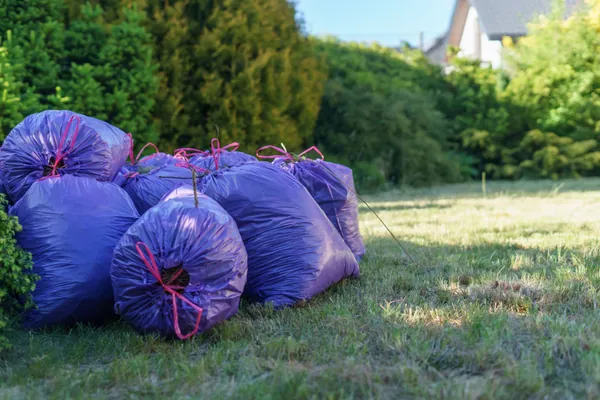
Waste from soot, leaves and grit is collected carefully so oily deposits don't spread onto cleaned seating.
We go through it with you first, what's cleared, what's cut back, what stays.
Leaves, twigs and litter across the whole space come first, while everything's dry.
Weeds pulled from the beds and the gaps between pavers, roots lifted where they'll come, so the clearing lasts more than a week.
Growth crowding the paths, walls and fences is cut back to what you agreed and cleared to the waste pile as we go.
With the debris gone, the paving and tiles are swept and washed, the dust film and the dark damp grime in the shaded spots, last so nothing lands back on clean stone.
All the green waste is bagged and taken with us.
Al Quraniyah sits near Al Qurayniyah Market and Al Waqidi Primary School, with work reached from Al Lith Road toward the residential gardens within the district.
The clearing is half the job; getting the waste off your property is the other half.
We send a team, not one person, so a garden that would eat your whole weekend is cleared in a single visit.
The tools for clearing, cutting back and washing arrive with the team, no hiring, no waiting on gear that's somewhere else.
This is cleaning, not landscaping.
Photographs from real jobs carried out by the crew.












The commitment is simple enough to actually keep: we don't leave until you've walked the garden and told us what you think.
South Jeddah runs from the port and the industrial city down towards Al Khumrah, and homes here sit between the sea and the heavy goods roads. The dust is darker and oilier than in the north, a mix of diesel soot and workshop grit, and it clings to net curtains, window sills and the tops of kitchen cupboards. Floors in the older low rise housing are often plain cement or ceramic tile that darkens where soot is walked in. Humidity from the coast adds mildew in bathrooms and a musty smell in stored fabrics.
We provide these in Al Quraniyah too, and more than one can share a single visit.



