
We clear, and we take it away
The clearing is half the job; getting the waste off your property is the other half.

Dhahban West is part of an old fishing village on the Red Sea north of Jeddah that has evolved into a tourist destination with the Durrat Al Arus resort nearby. Gardens here face direct marine influence: salt clings to every hard surface, high humidity accelerates mould growth, and coastal winds carry fine salt-laden sand into every corner. Clearing is not just debris removal; it is managing salt decay and moisture before they damage the surfaces.
White salt residue reappears on tiling and paving much faster here than in inland districts, and mould returns swiftly in shaded corners despite washing. For the method itself, see the full garden cleaning page.
The beachfront location means sea salt deposits on every garden surface, paving and seating area. Clearing must prioritise removing these salt films that corrode metals and stone surfaces over time, not just sweeping loose debris away.
High moisture from the sea triggers fast mould colonisation in shaded spots and garden corners. Regular clearing cycles are essential to stop mould building up on pathways and seating before it becomes entrenched and damaging.
Breezes from the water carry fine sand mixed with salt that settles on paving and outdoor furniture constantly. This salty grit must be cleared regularly to stop it abrading surfaces and corroding metal components of gates and fixtures.
Being directly on the Red Sea means constant high humidity and salt deposits settle on all outdoor surfaces and furniture, especially during summer and seasonal winds.

Palm fronds and coastal tree leaves accumulate on pathways mixed with sea salt, and clearing must remove both at once, not in separate passes.
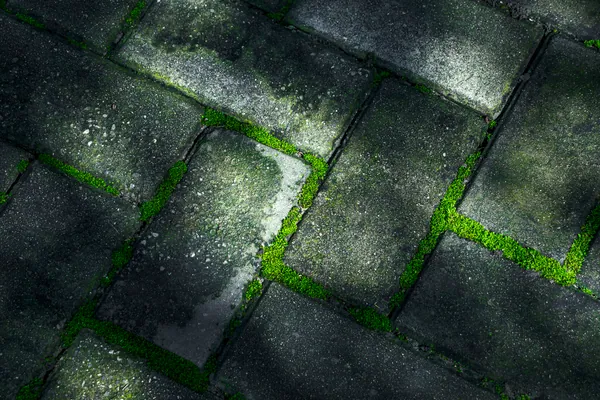
Weeds establish quickly in paving joints in the high humidity, though salt suppresses growth in some spots while causing damage problems elsewhere.
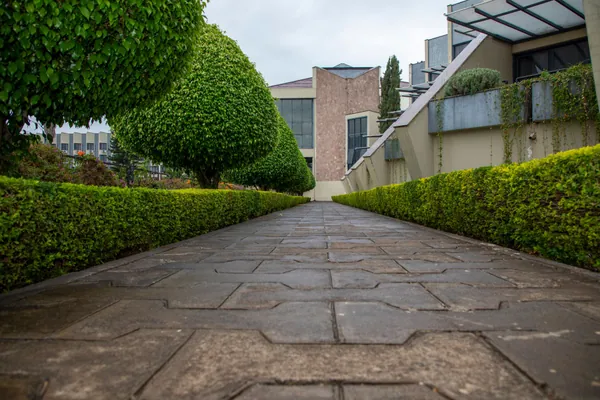
Pathways collect salty fine sand from coastal winds that demands deep washing to remove completely, with care taken not to scratch the surface underneath.
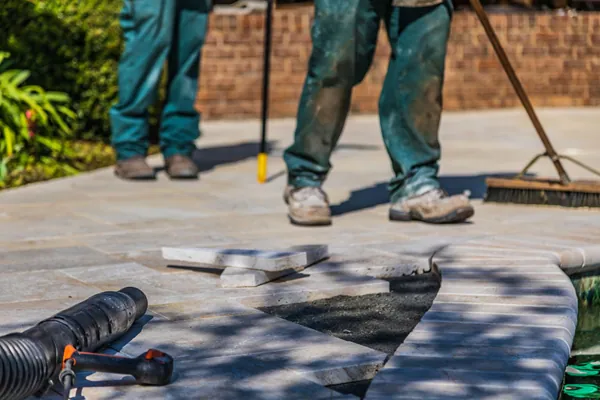
Outdoor seating is exposed to salt spray and moisture, so cleaning must target white salt films and light mould growth that returns rapidly here.
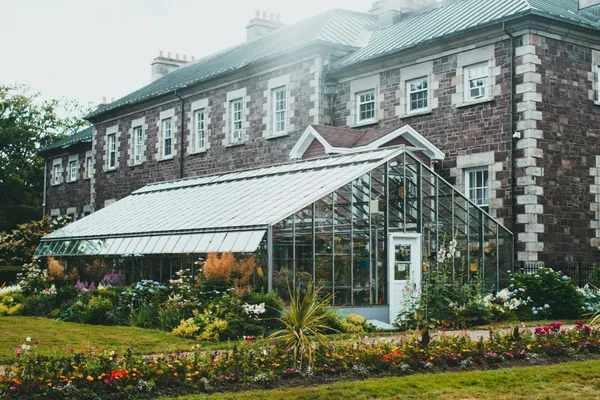
Planting beds need special attention to drainage to prevent salt water pooling around plants, which stunts growth and damages roots over time.
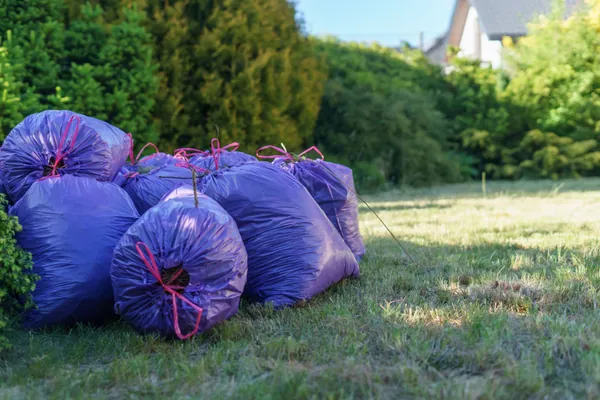
Debris including leaves, salt film and sand is gathered with care to prevent coastal winds scattering it back across the cleared garden.
We go through it with you first, what's cleared, what's cut back, what stays.
Leaves, twigs and litter across the whole space come first, while everything's dry.
Weeds pulled from the beds and the gaps between pavers, roots lifted where they'll come, so the clearing lasts more than a week.
Growth crowding the paths, walls and fences is cut back to what you agreed and cleared to the waste pile as we go.
With the debris gone, the paving and tiles are swept and washed, the dust film and the dark damp grime in the shaded spots, last so nothing lands back on clean stone.
All the green waste is bagged and taken with us.
The clearing is half the job; getting the waste off your property is the other half.
We send a team, not one person, so a garden that would eat your whole weekend is cleared in a single visit.
The tools for clearing, cutting back and washing arrive with the team, no hiring, no waiting on gear that's somewhere else.
This is cleaning, not landscaping.
Photographs from real jobs carried out by the crew.












The commitment is simple enough to actually keep: we don't leave until you've walked the garden and told us what you think.
Dhahban West sits close to Dhahban Park and fronts King Abdulaziz Road, which connects the village to the Durrat Al Arus Resort nearby. Crew access runs via this main road, and local landmark familiarity helps schedule work efficiently throughout the coastal settlement.
We provide these in Dhahban West too, and more than one can share a single visit.



