
We clear, and we take it away
The clearing is half the job; getting the waste off your property is the other half.
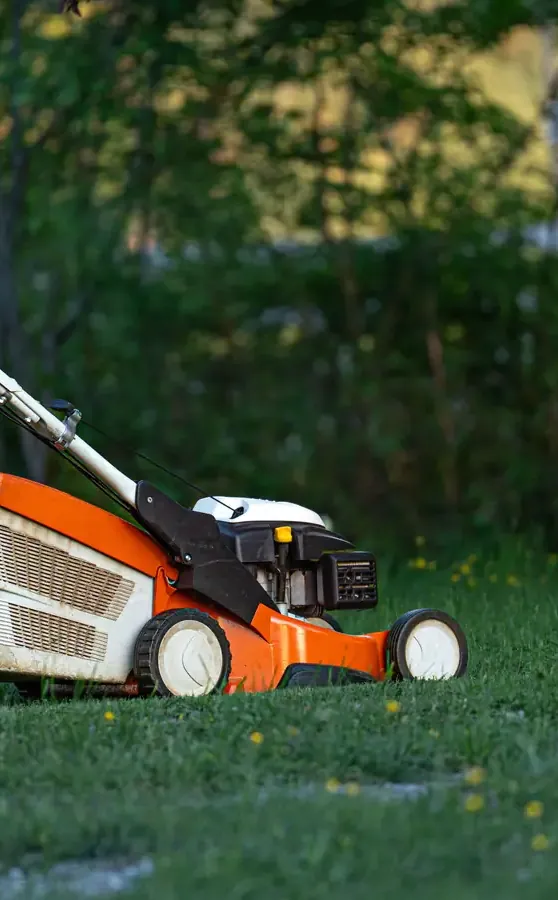
Al Mahjar is a southern district west of Al Waziriyah towards the coast, home to King Abdulaziz Hospital and other medical facilities and Petromin Souq. The district sits between the sea and the heavy goods roads that loop round the port and refinery. The dust is darker and oilier than in the north, a mix of diesel soot and workshop grit. It clings to net curtains, window sills and the tops of kitchen cupboards.
Soot sticks to net curtains and windows and kitchen tops needing frequent washing, and coastal humidity combined with accumulated grease creates musty odours in stored textiles. For the method itself, see our garden cleaning service in detail.
Black oily dust from trucks and workshops clings to net curtains, window sills and cupboard tops. This soot does not wash away with plain water; it needs strong cleaners. Fabrics hold diesel and soot smell even after washing.
Humidity from the sea and salt cause mildew in bathrooms and stored textiles. Salt mixed with soot makes cleaning harder. Metal and wooden furniture degrades faster than in inland districts.
Plain cement in older housing blackens where soot is walked in. Mould grows in cracks and damp spots. Floor cleaning needs care not to spread soot instead of removing it.
A south Jeddah district west of Al Waziriyah towards the coast, where King Abdulaziz Hospital sits on the old quarantine station site, crossed by King Faisal Road, Al Mahjar Street and Zainal Street, close to the port and refinery.
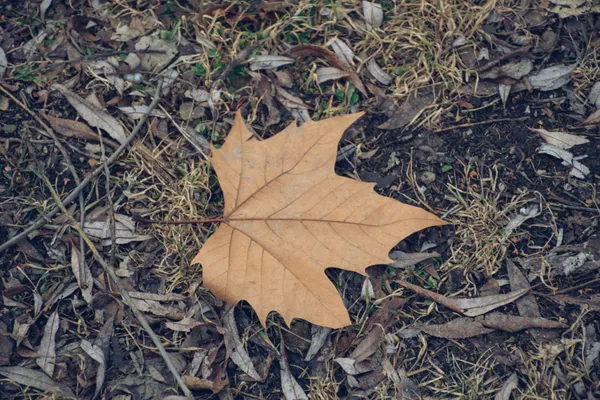
Leaves and debris mix with soot and salt, making the first clear heavier and more polluted.
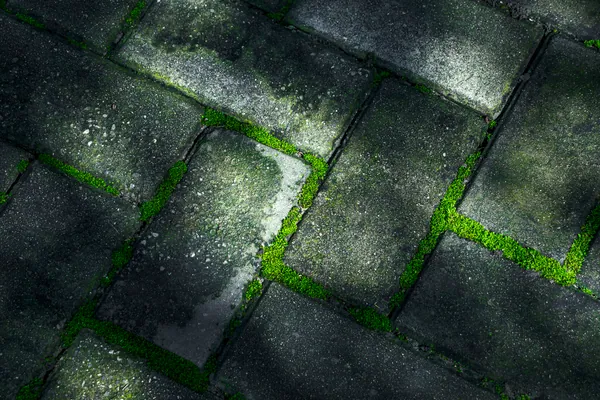
Weeds germinate from humidity and salt, needing regular repeat removal cycles.
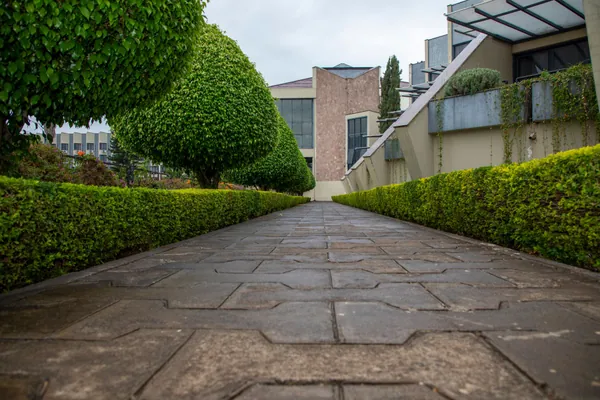
Paths and floors blacken from soot, needing strong cleaning with specialist products.
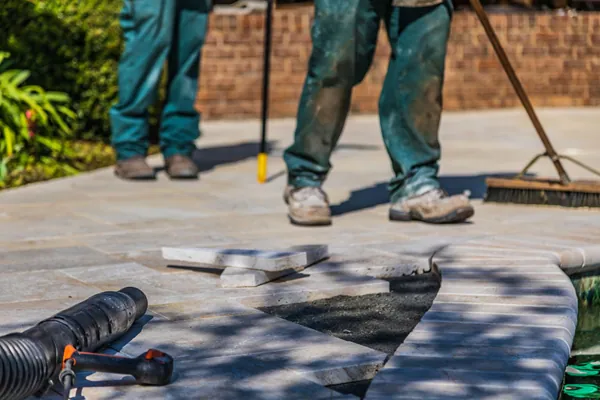
Seating areas need frequent washing of soot and salt, and fabrics fade quickly.
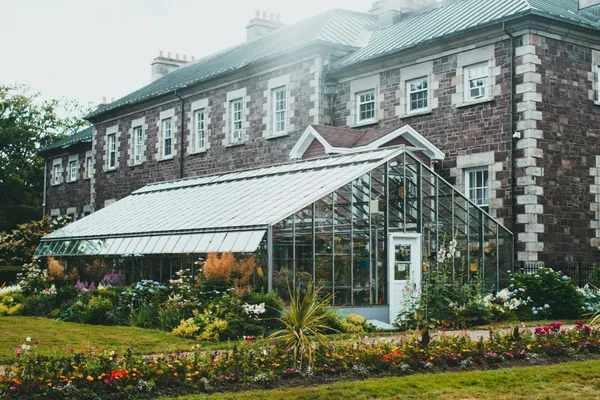
Planting beds soil with soot, salt and mould, needing regular cleaning round plants.
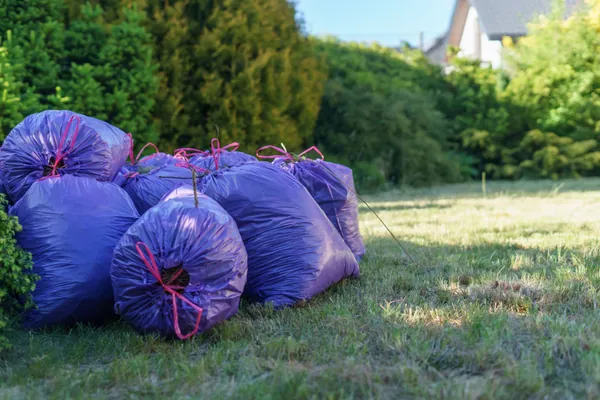
Waste from Al Mahjar gardens includes leaves, soot, salt and mould, all needing safe removal.
We go through it with you first, what's cleared, what's cut back, what stays.
Leaves, twigs and litter across the whole space come first, while everything's dry.
Weeds pulled from the beds and the gaps between pavers, roots lifted where they'll come, so the clearing lasts more than a week.
Growth crowding the paths, walls and fences is cut back to what you agreed and cleared to the waste pile as we go.
With the debris gone, the paving and tiles are swept and washed, the dust film and the dark damp grime in the shaded spots, last so nothing lands back on clean stone.
All the green waste is bagged and taken with us.
The clearing is half the job; getting the waste off your property is the other half.
We send a team, not one person, so a garden that would eat your whole weekend is cleared in a single visit.
The tools for clearing, cutting back and washing arrive with the team, no hiring, no waiting on gear that's somewhere else.
This is cleaning, not landscaping.
Photographs from real jobs carried out by the crew.












The commitment is simple enough to actually keep: we don't leave until you've walked the garden and told us what you think.
South Jeddah runs from the port and the industrial city down towards Al Khumrah, and homes here sit between the sea and the heavy goods roads. The dust is darker and oilier than in the north, a mix of diesel soot and workshop grit, and it clings to net curtains, window sills and the tops of kitchen cupboards. Floors in the older low rise housing are often plain cement or ceramic tile that darkens where soot is walked in. Humidity from the coast adds mildew in bathrooms and a musty smell in stored fabrics.
We provide these in Al Mahjar too, and more than one can share a single visit.



