
We clear, and we take it away
The clearing is half the job; getting the waste off your property is the other half.
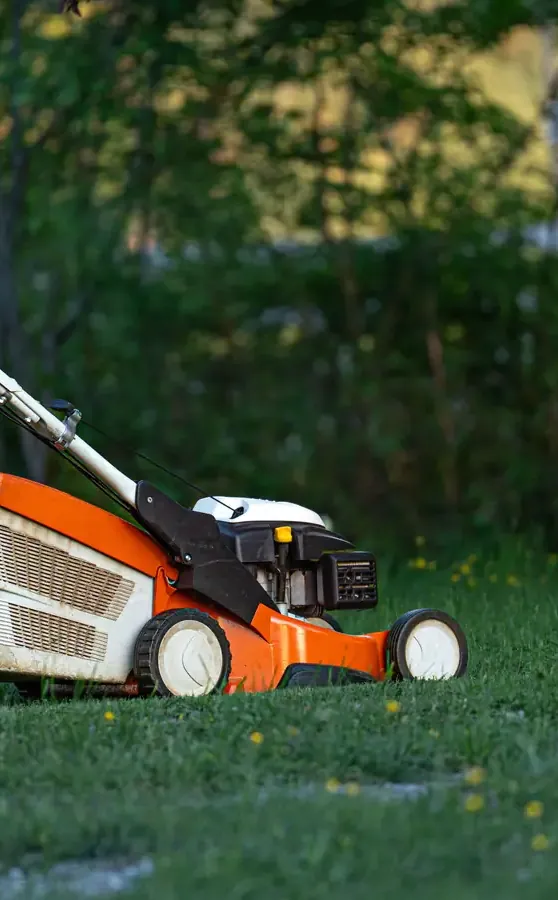
Al Hamdaniyah is a dense residential sprawl east of King Abdulaziz Airport, with apartment blocks, villas and a continuous line of shops along Al Hamdaniyah Street itself, and hypermarkets on Al Masurah Street. Gardens here are small, boxed in by modern blocks, but the heavy commercial dust from the markets around it makes the air dirtier and oilier than residential-only areas.
Gardens between the newer apartment blocks fill with heavy commercial grit and oil residue at speed, and the many shops surrounding the district mean constant activity churning up dust and fine particles. For the method itself, see how we approach garden cleaning.
The hypermarkets and shops on Al Masurah and Al Hamdaniyah streets release thick, oily dust from lorry movement and goods handling. The relatively new tile flooring slicks easily with this grit and light oil accumulates fast and hardens.
Daily washing of the markets sends contaminated water toward adjoining gardens, where salts and oils settle on the tile and cause salt cracks. Cleaning must remove these deposits before they become permanent etching in the surface.
Continuous dampness from the grocers, dry goods stores and fishmongers around the district creates ideal conditions for weeds and algae to establish quickly. These must be pulled to the root, not merely cut, as they regrow rapidly in this moisture.
A densely built district on Al Hamdaniyah Street in east Jeddah, lying between large commercial markets and Al Haramain Road on the west. Commercial dust reaches the small gardens quickly and persists from the constant movement of goods and vehicles.
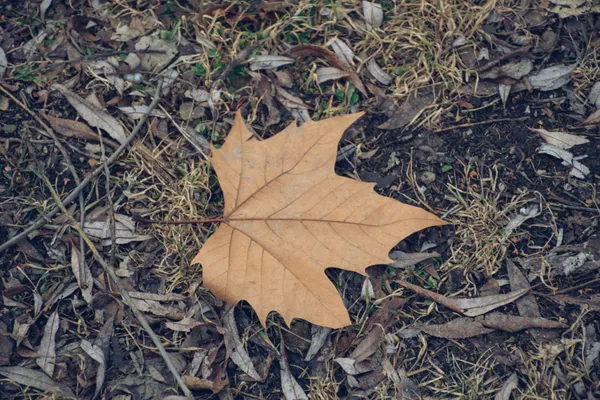
Leaves and grease from market activity collect in the district garden faster than in purely residential areas, requiring more frequent clearing.
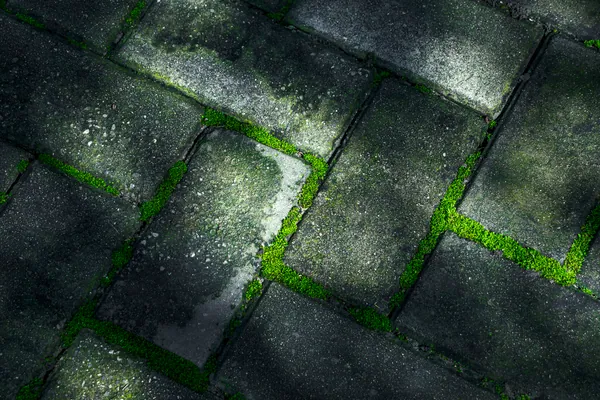
Weeds in the paving joints grow quickly because of constant moisture from market shops and daily washing running into the area.
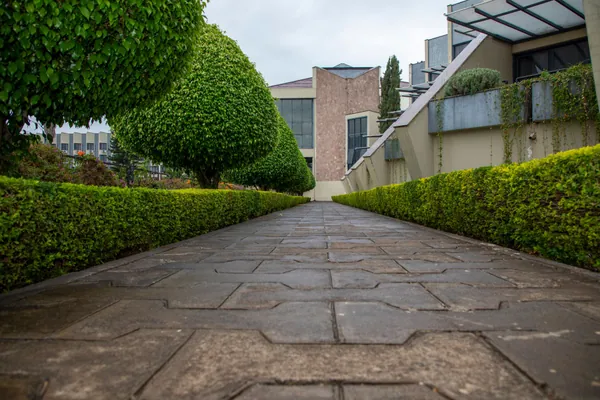
Paths and outdoor tiles are slick with light oils rising from market washing, and require specialised cleaning products to cut through without making them hazardous.
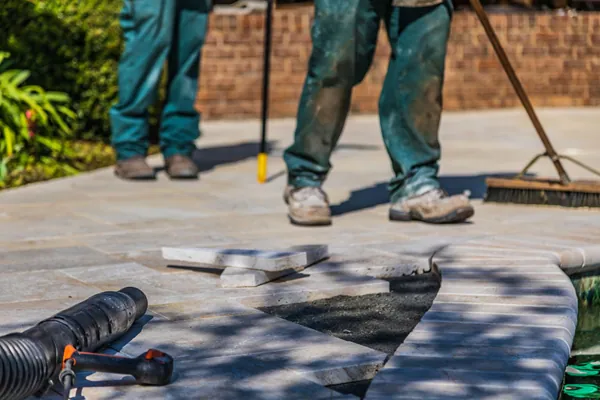
The few outdoor seating areas get filthy fast from dust and grease, making regular cleaning intervals important for any use.
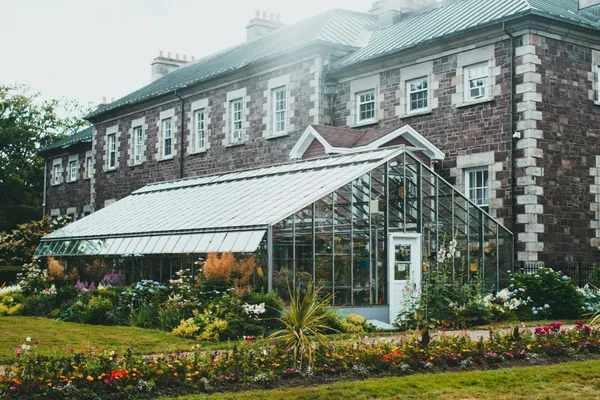
Around planting beds, salt deposits build from evaporating market wash water, and while cleaning removes them, they return as the water source continues.
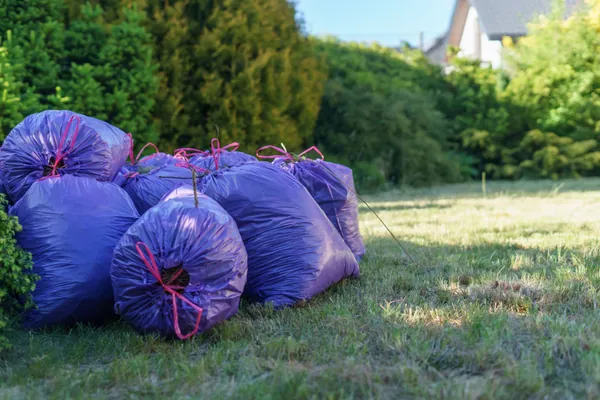
Waste includes shop litter and packaging alongside natural leaves and debris, so clearing requires sorting and separate disposal streams.
We go through it with you first, what's cleared, what's cut back, what stays.
Leaves, twigs and litter across the whole space come first, while everything's dry.
Weeds pulled from the beds and the gaps between pavers, roots lifted where they'll come, so the clearing lasts more than a week.
Growth crowding the paths, walls and fences is cut back to what you agreed and cleared to the waste pile as we go.
With the debris gone, the paving and tiles are swept and washed, the dust film and the dark damp grime in the shaded spots, last so nothing lands back on clean stone.
All the green waste is bagged and taken with us.
Mixed district: shops at street level with homes above them
Shops at street level below the flats means the garden receives dust, wash water and human activity from shop hours all day long. Cleaning must focus on removing oils and salts that deposit fast from the shops' own operations, and expect more frequent resoiling than in purely residential areas.
The clearing is half the job; getting the waste off your property is the other half.
We send a team, not one person, so a garden that would eat your whole weekend is cleared in a single visit.
The tools for clearing, cutting back and washing arrive with the team, no hiring, no waiting on gear that's somewhere else.
This is cleaning, not landscaping.
Photographs from real jobs carried out by the crew.












The commitment is simple enough to actually keep: we don't leave until you've walked the garden and told us what you think.
The district garden sits hemmed in by Al Hamdaniyah's commercial buildings and is reached from inside the neighbourhood via Al Hamdaniyah Street from the east, or through the internal passages near Al Taqwa Mosque and Umm Mutlaq Mosque, which sit on Al Haramain Road marking the district's western boundary.
We provide these in Al Hamdaniyah too, and more than one can share a single visit.



