
Floor and surface area, not room count
A single-room clinic is not a multi-room practice. We ask about the area and layout, because pricing by the room misjudges both ends.
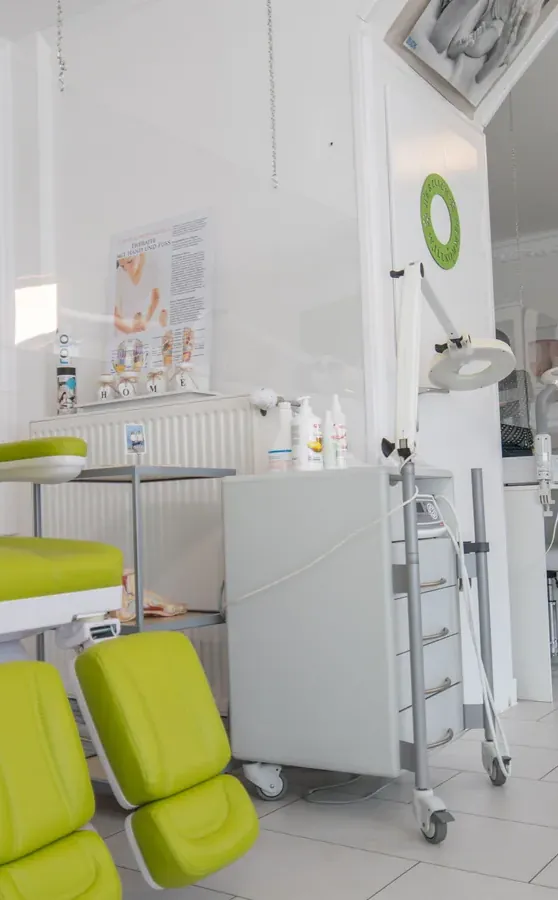
A clinic gathers the well and the unwell in the same waiting room, touching the same door handle, arm rest and reception pen. What matters is not how the floor looks but whether the high-touch surfaces are truly disinfected, and disinfectant on a surface that was never cleaned first does very little.
A tidy-looking clinic can still be a shared surface problem. If one of these fits, the time has come.
Door handles, arm rests and the reception counter feel slightly sticky. A quick daily wipe spreads a film rather than removing it, and that film is what everyone touches.
If the waiting room has an odour before the first patient arrives, soft seating and carpet have held soil that daily tidying does not reach.
When the same bug moves around a small team, shared surfaces are usually doing the carrying. Cleaning then disinfecting them breaks the chain.
The tile face is mopped while the grout lines quietly darken. That build-up holds moisture and soil and is where a floor starts to smell.
Reception glass and device screens smeared from rushed wipes. It reads as neglected to a patient long before anything else does.
If routine wiping is all that has happened for a while, exam surfaces, restrooms and floors are overdue for a proper clean and disinfection.
The second list is the one that prevents disputes, it is usually in small print, or not written at all.
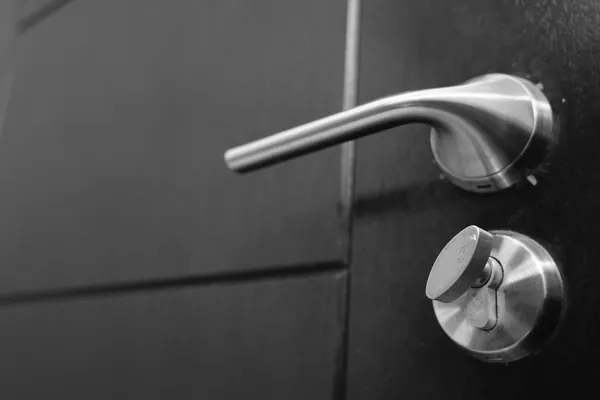
Door handles, light switches, the reception counter and card machines come first, because that is where infection moves between people.
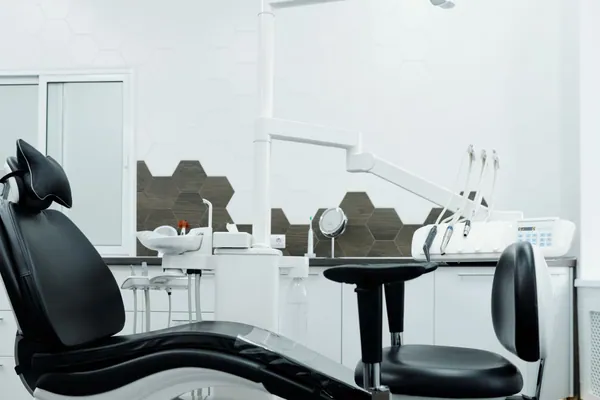
Surfaces and tables in exam rooms are cleaned then disinfected, each with its own cloth so nothing is carried between them.
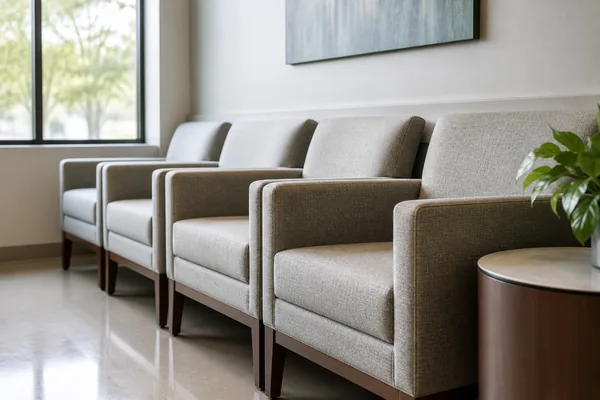
Upholstered seating is vacuumed and treated, because the fabric holds what a surface wipe never lifts after hundreds of sittings.
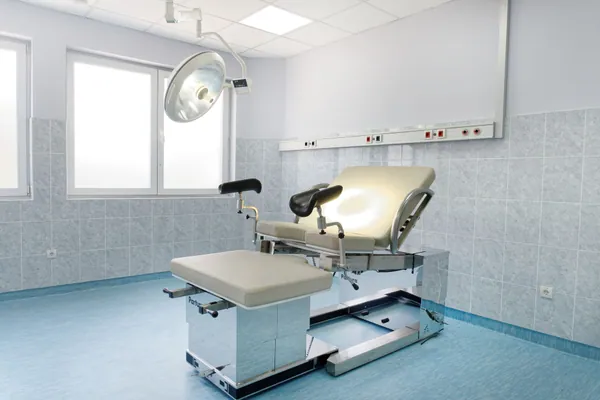
Corridors and rooms are machine scrubbed to lift the fine grit that scores the surface, then polished to restore the finish.
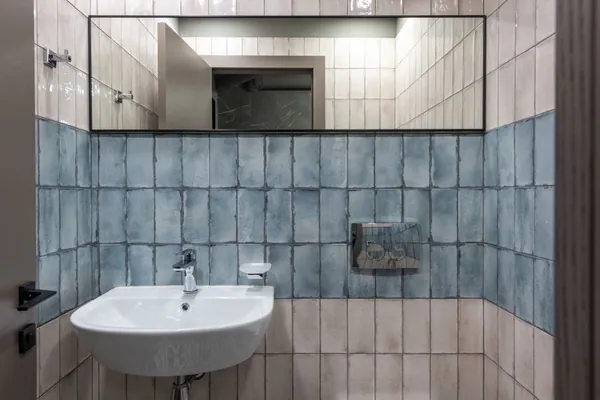
Basins, floors and drains are treated with disinfectant, and the build-up that daily wiping leaves behind is broken down.
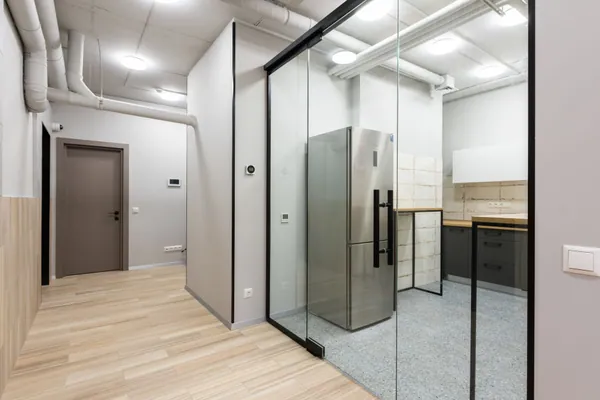
Glass partitions, doors and interior fronts, where touch marks show first under clinic lighting.
If your case is one of these, we say so at inspection, not after payment. Regulated medical waste stays with your licensed handler, we clean the space around it, not the waste itself.
The order matters here more than in a home. Skip the cleaning step and the disinfectant is mostly wasted, and cross the zones and you move soil where it should never go.
We agree clinical, restroom and public zones with you and set a time after hours, so nothing is done while patients are present.
Disinfectant on a soiled surface binds to the soil, not the surface. We clean first so the disinfection step actually lands where it should.
High-touch, restroom and clinical surfaces each get their own colour of cloth, so nothing carries from a restroom to an exam bed.
These zones are worked with separate materials and order so there is no cross-contamination between them.
Floors come after surfaces, because surface work drops soil downward. They are scrubbed and dried rather than left wet to streak.
We walk the clinic with you before the team goes. Anything you point to is redone in the same visit.
We do not publish a fixed figure, because cases genuinely differ. These are the factors we ask about, so you know where your job sits before you call.
A single-room clinic is not a multi-room practice. We ask about the area and layout, because pricing by the room misjudges both ends.
Each exam room and restroom is its own zone with its own materials, so the count changes the work and is set into the quote up front.
A regular after-hours clean is priced differently from a one-off deep clean. Steady frequency keeps each visit lighter.
A surface tidy and a full clean-then-disinfect are different levels of work. We agree which level before starting, not after.
Windows, AC vents or upholstery done alongside in one visit costs less than two, because setup and travel are counted once.
Send the clinic layout, the number of exam rooms and restrooms, and photos on WhatsApp, and you get a price and an estimated time before you commit.
Daily staff tidying keeps things presentable. Here is what it does and does not do, plainly.
We treat the cleaning step as the thing that makes disinfection work at all, not an extra. Skipping it only looks like a shortcut.
We send a team, not one person, and work after closing so the clinic is ready when the doors open, with no patient present during the work.
Our own machines and colour-coded cloths arrive with the team. No shared cloths and no waiting on rented gear from another site.
Medical waste, sharps and instrument sterilization stay with your licensed handler. We are clear about the line before the visit, not after.
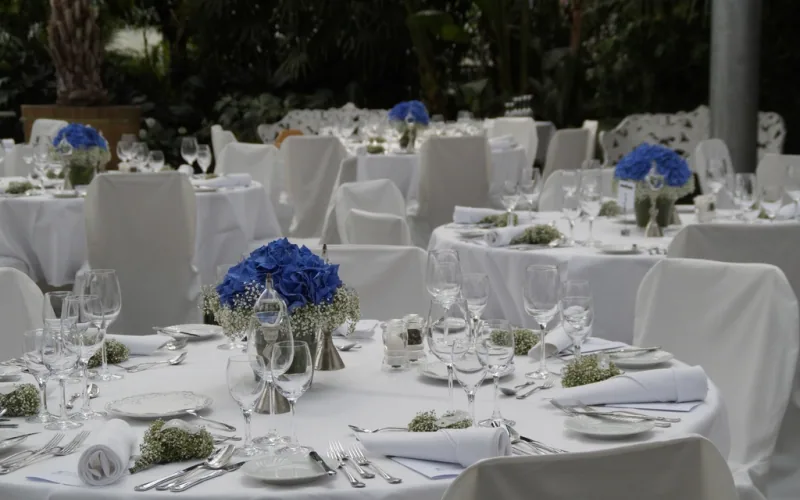
Photographs from real jobs carried out by the crew.
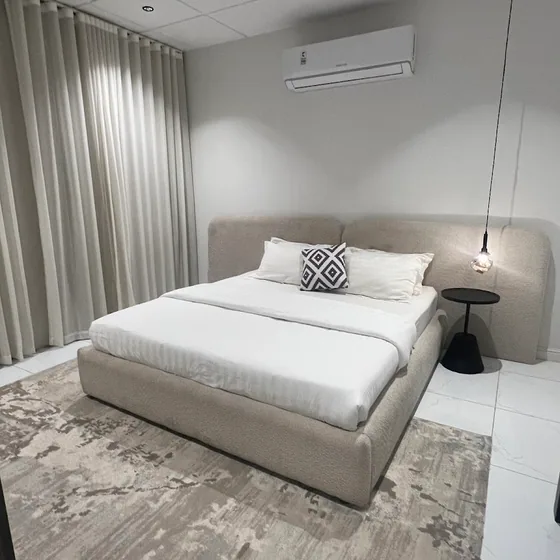
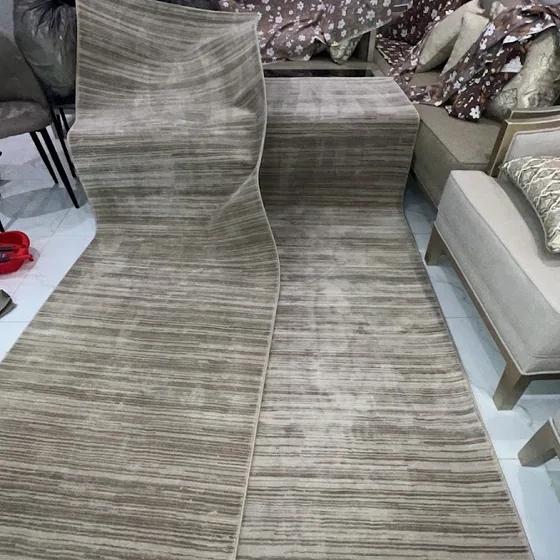
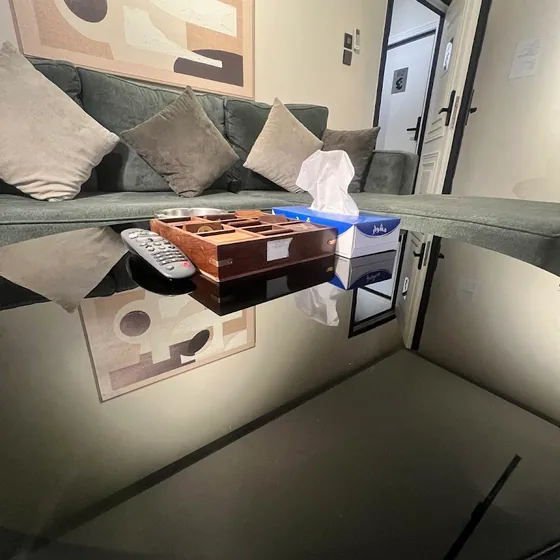
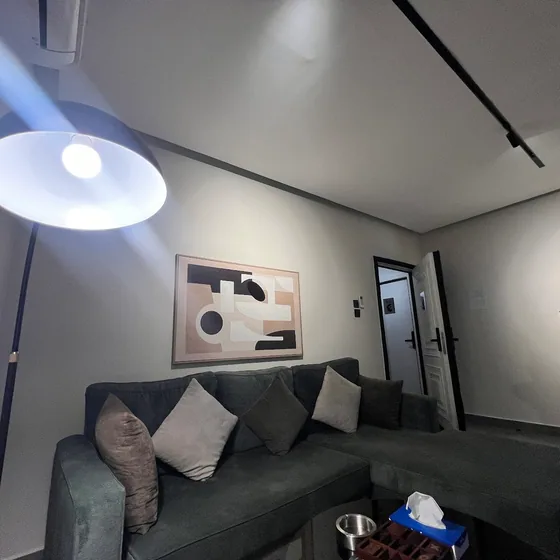
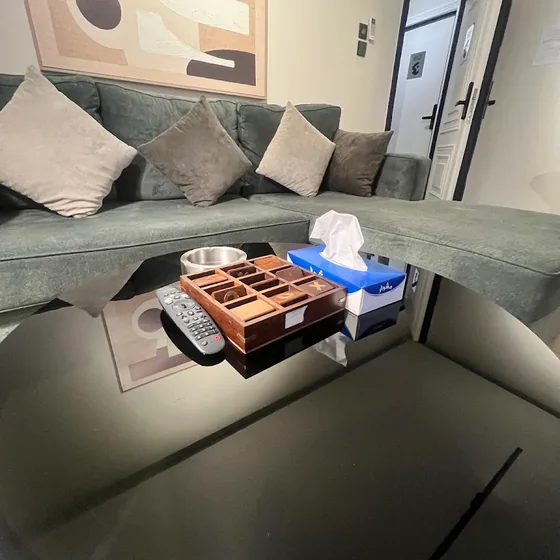
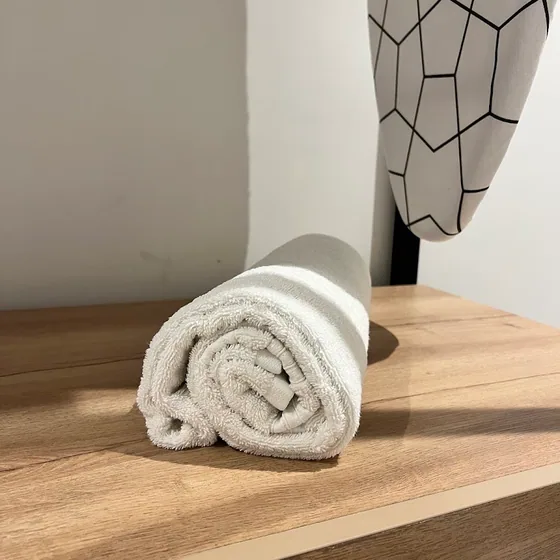
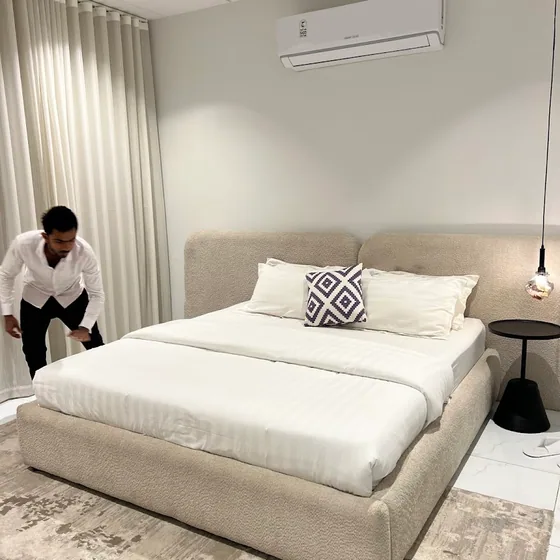
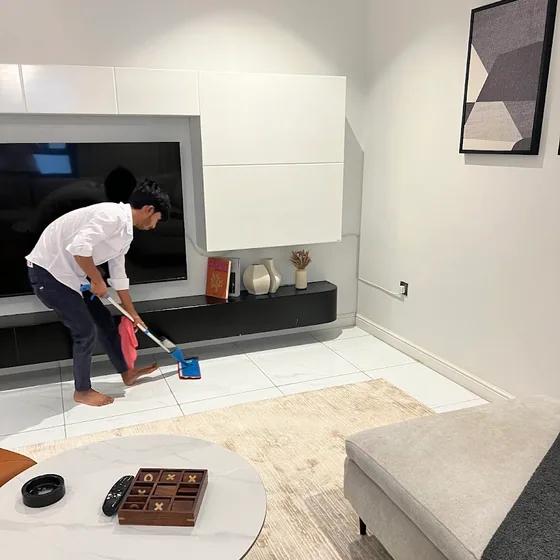
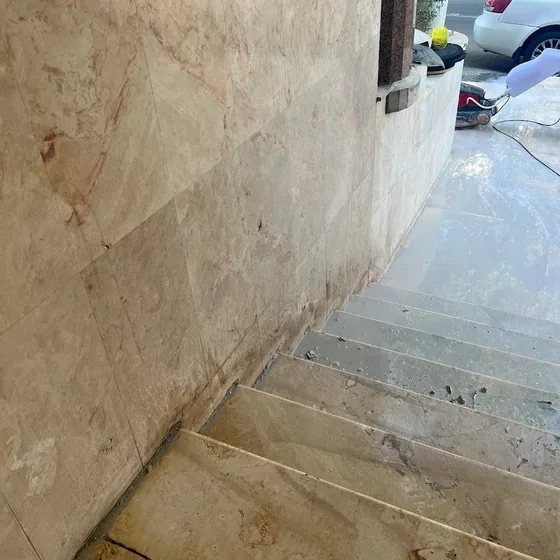
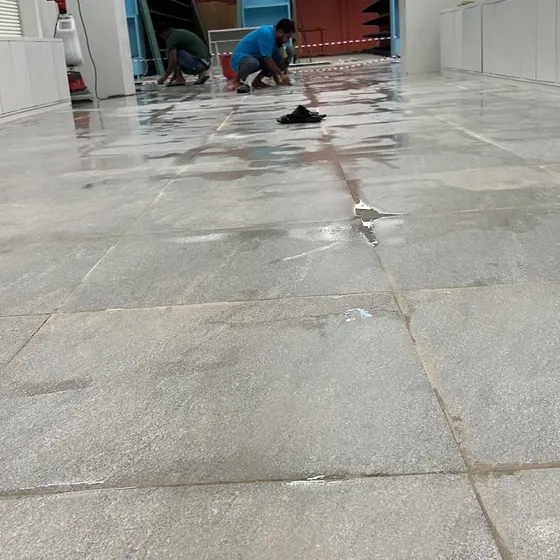
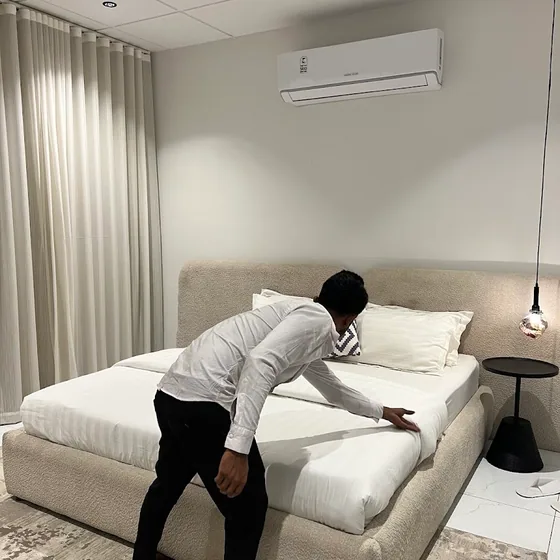
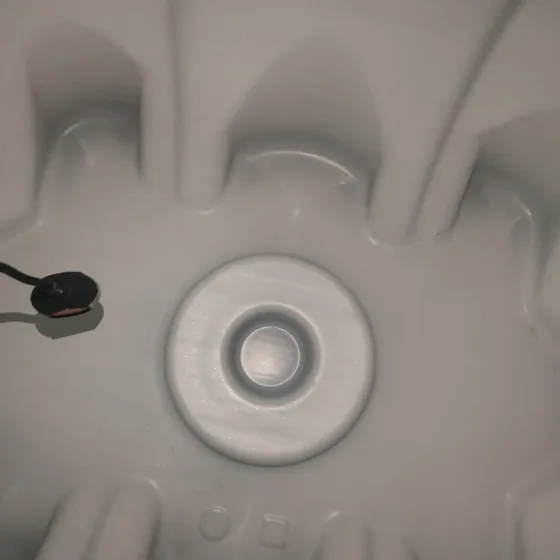
The commitment is simple enough to actually keep: we do not leave before you see the result and give your opinion on it.
We look at the job and agree the figure before any work begins, and nothing is added to it afterwards. If the scope changes during the visit we stop and ask you before carrying on.
At the end of the visit we walk the place with you. Anything you point at is redone in the same visit, not booked for another one, and at no extra cost.
We arrive when we said we would. If that becomes impossible you hear it before the appointment rather than after, because waiting without knowing how long is worse than a delay you were told about.
Everything we offer in this category, in a single visit if you need more than one.
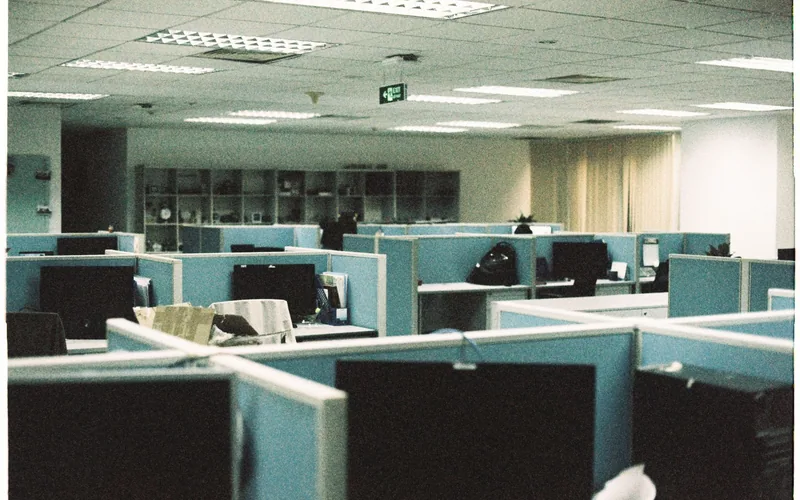
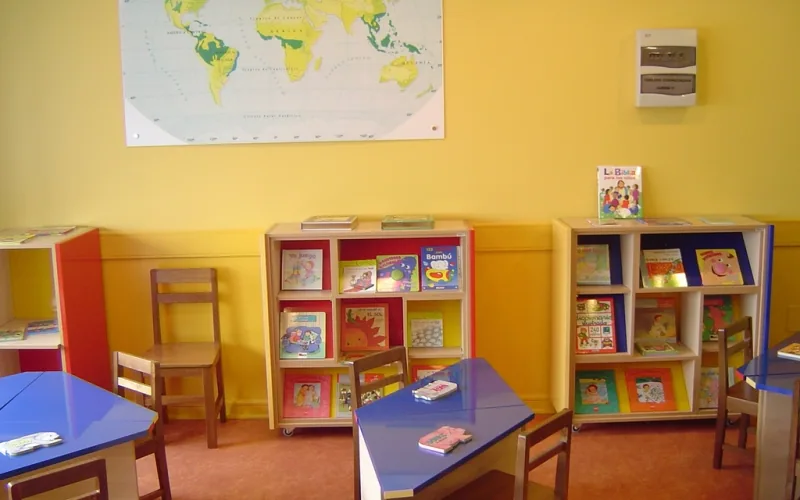
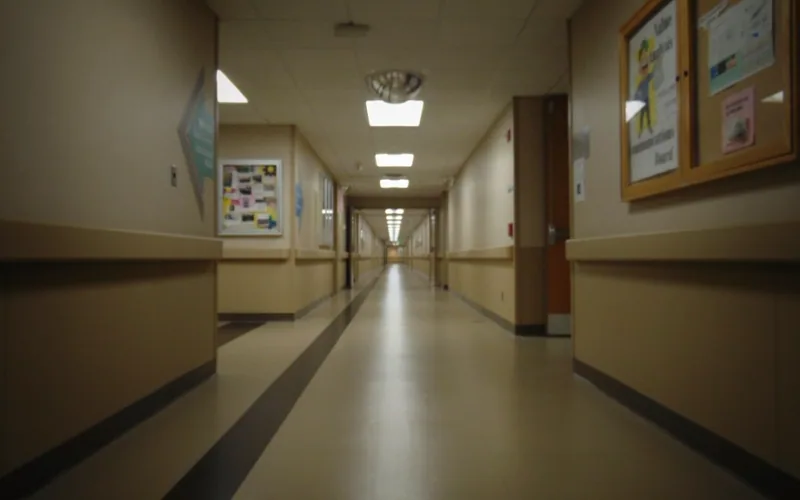
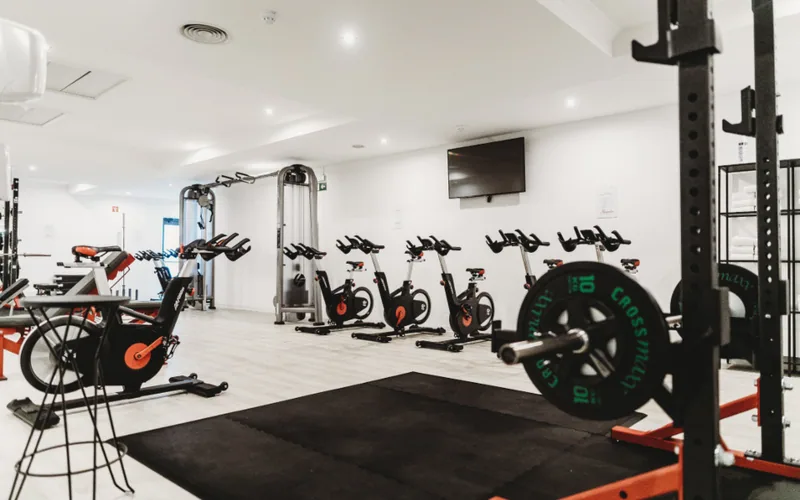
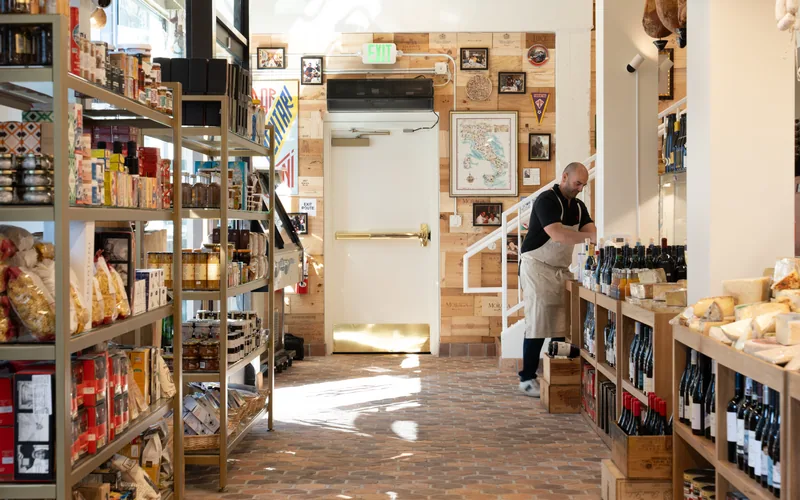




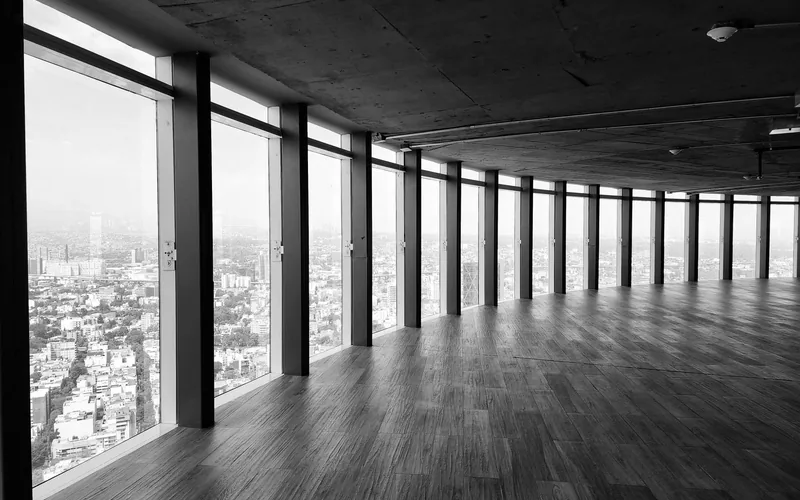
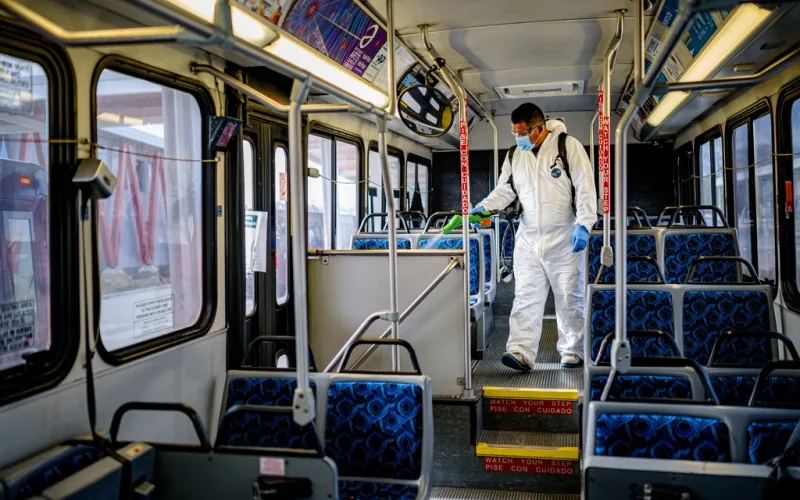
The crew and its equipment travel to you, and the price does not change with the district.
Four steps, and none of them commits you to paying before you have seen the price.
WhatsApp or a call. One photo is usually enough.
In writing, before you commit to anything. You approve it, or we adjust it.
At the agreed time, with everything the job needs.
A walk-through before we leave. The job is not closed until you are satisfied.
Send the clinic layout and the number of exam rooms and restrooms, and you get a price and an available time. Work does not start before you approve the number.