
Number of registers and runs
The count of supply and return points and how the ducting runs decide the work far more than floor area does. We note them at the inspection.
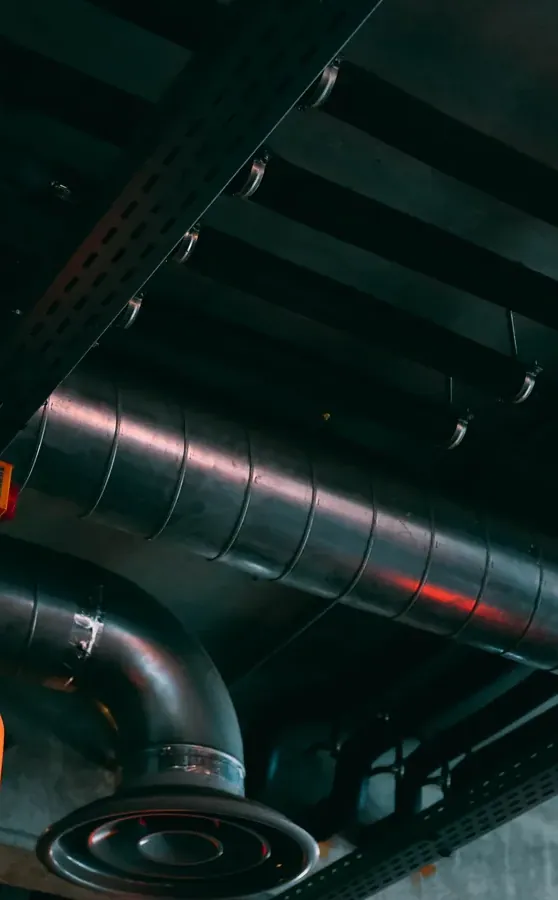
Ductwork collects what the air carries: dust, lint and, where there's moisture, mould. It builds inside the ducts where you can't see it, then blows back into the space every time the system runs. Vacuuming a grille doesn't reach it. Putting the whole system under negative pressure and agitating the ducts does.
The smell and the dust are the late signs, not the first. If one of these fits, it's time.
A puff of dust from the vents when the AC kicks in means the ducts are holding it. What's inside the duct is being pushed into the room every cycle.
Dark marks fanning out from the registers are dust that the airflow has driven onto the ceiling. It shows the duct behind them is loaded.
A damp, stale smell only when the system is on points to moisture and growth inside the ducts or on the coil. Air freshener covers it; it doesn't clear it.
If surfaces go dusty again within days of a thorough clean, the system is putting it back. The room can't stay clean while the ducts are dirty.
Staff or visitors reacting more indoors than out is often the air. Ducts hold dust and allergens and recirculate them through the space.
If nobody can say when the ducts were last done, it has been a while. A new fit-out, a change of tenant or a health inspection is the usual reason to book.
The second list is the one that prevents disputes, it is usually in small print, or not written at all.
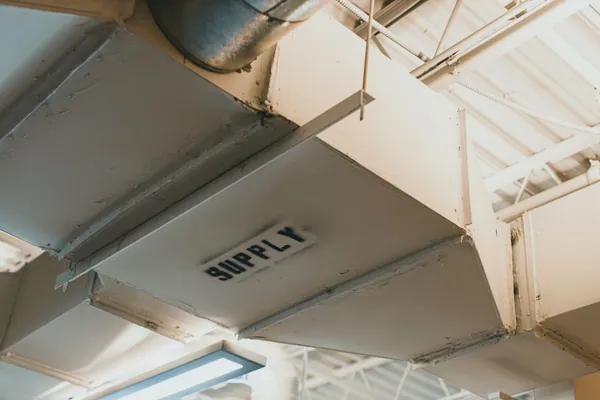
We check the system layout and look inside the ducts, so we know the buildup before the work is agreed.
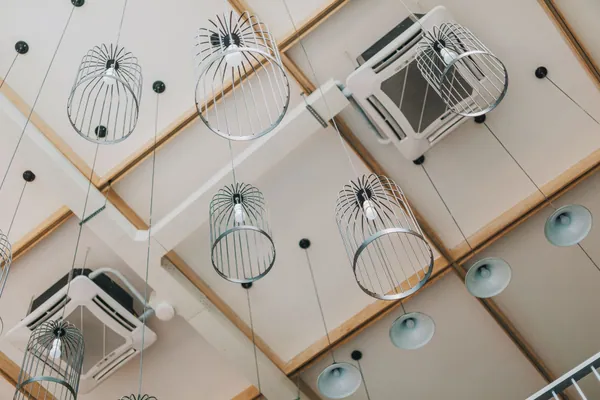
Vent covers and grilles come off and are washed separately, since they are where visible dust settles first.
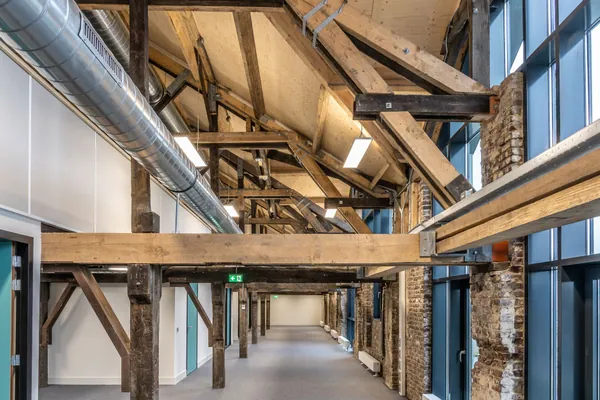
Suction and forced air inside the ductwork pull out packed dust that no amount of outside cleaning will reach.
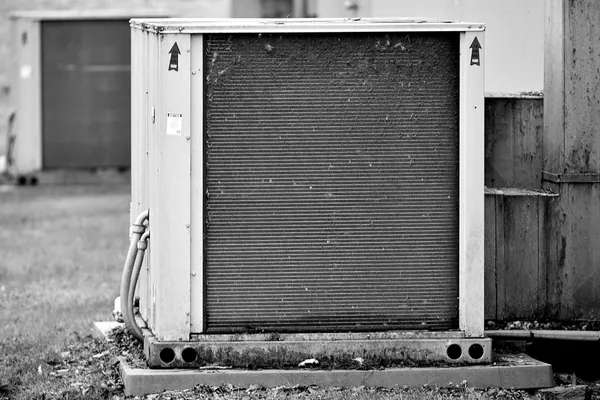
The coils reachable without dismantling the unit are cleaned, because that is where moisture and dust collect together.
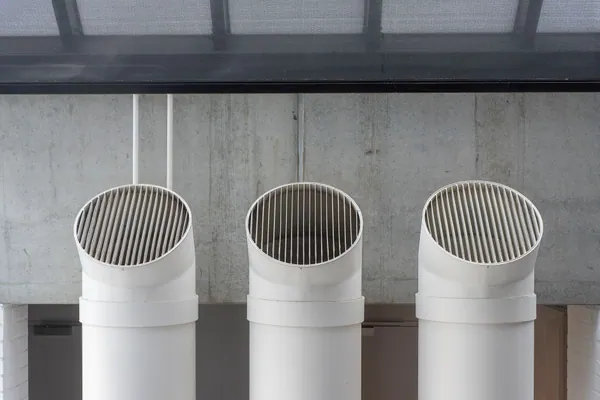
A treatment that cuts odour and mould inside the ducts, applied after the dust is out rather than before.
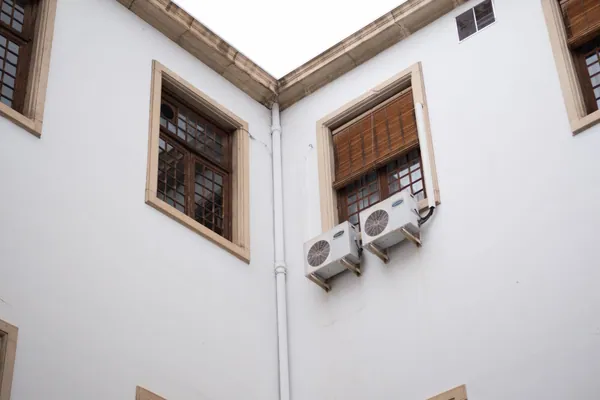
The box the filter sits in collects dust of its own, and we fit your replacement filter if you have one.
If the inspection shows a repair, a sealing problem or hazardous insulation, we tell you rather than clean over it. Where a licensed trade is needed, we point you to the right one even when it isn't our work.
The order is what makes it work. Agitate before the system is sealed and you spread the dust into the room. This is the sequence.
We look inside the ducts and at the coil, note the buildup and the access points, and agree the scope and rate before starting.
Registers not being worked are sealed and the area protected, so dislodged dust has one path, into the vacuum, not the room.
The vacuum holds the whole run under negative pressure first. Only then is anything disturbed, so what comes loose is pulled out, not blown around.
Brushes and compressed air work the duct walls to release dust and lint that suction alone won't lift, while the negative pressure collects it.
Grilles are washed, and the coil and diffusers reached through access panels are cleaned, since a dirty coil re-loads the ducts.
We check inside the ducts again and walk the result with your contact before leaving. Anything not right is redone on the same visit.
We do not publish a fixed figure, because cases genuinely differ. These are the factors we ask about, so you know where your job sits before you call.
The count of supply and return points and how the ducting runs decide the work far more than floor area does. We note them at the inspection.
Ducted splits, packaged units and central systems differ in how they're reached. Access panels and their placement decide what can be cleaned and how.
A system cleaned on a cycle is quicker than one that hasn't been touched in a long time. Where there's moisture or growth, the coil needs more attention, and we say so first.
Cleaning around occupancy or out of hours changes how the work is scheduled. An empty space is a different job from a working one.
A wider facility clean done in the same visit costs less than a separate trip, because access and setup are counted once.
Send the number of vents, the system type and a few photos on WhatsApp, and you get an estimated rate and duration before you commit.
A shop vac at the grille clears what you can see. The dust that gets recirculated is further in, and that's the difference.
We send a crew, so a whole system is done in one scheduled visit instead of being split across days while it keeps recirculating dust.
The system is held under negative pressure before anything is disturbed, so dislodged dust is collected rather than blown into your space.
We look inside the ducts again at the end and walk it with you, so the result is checked rather than assumed.
If the inspection shows a repair or a sealing problem rather than a cleaning one, we tell you. A clean over a fault helps nobody.
Photographs from real jobs carried out by the crew.
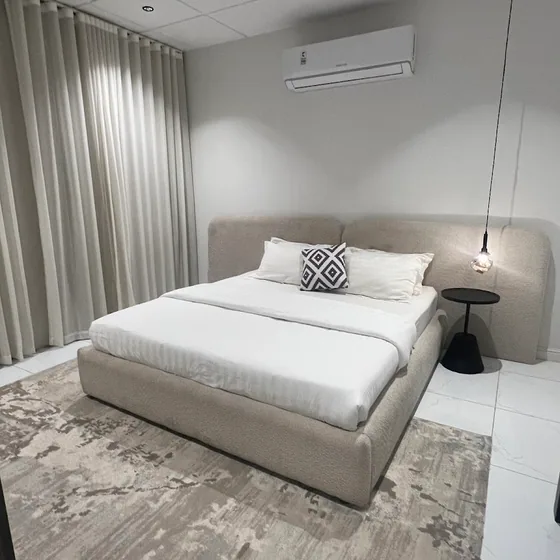
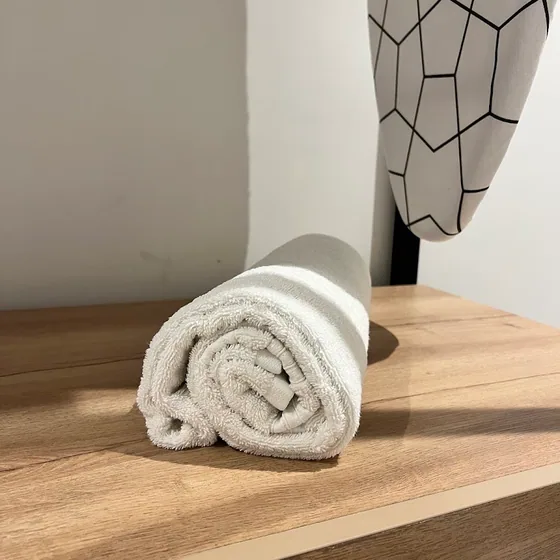
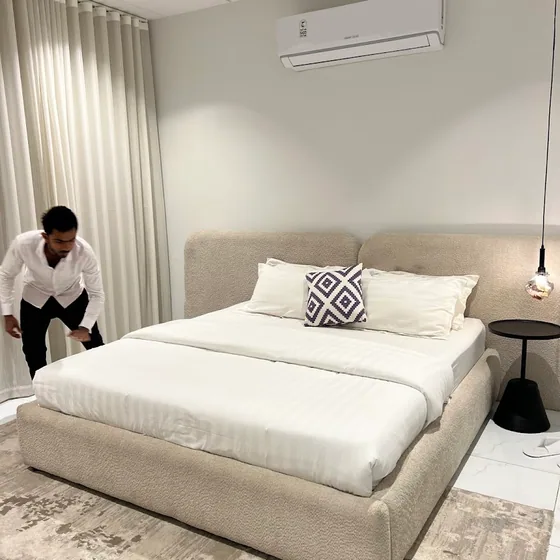
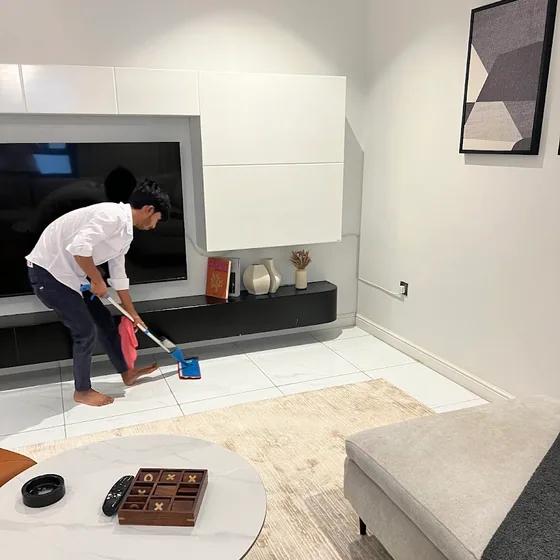
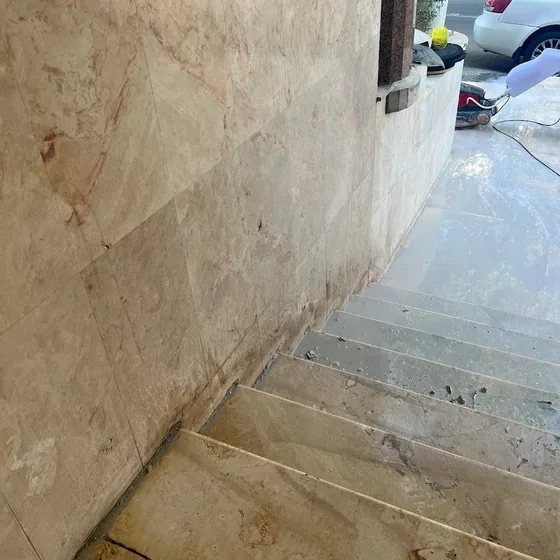
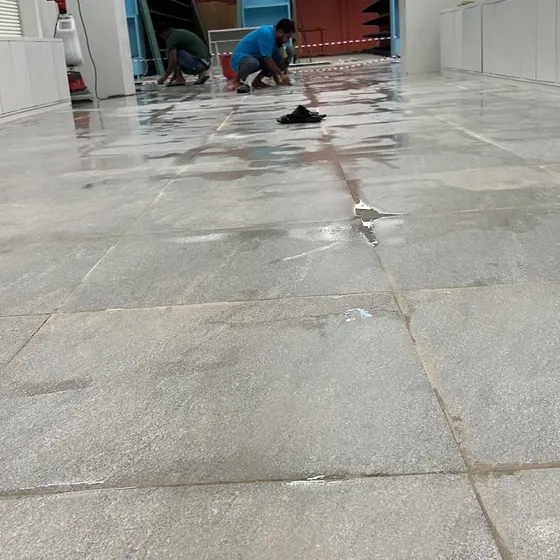
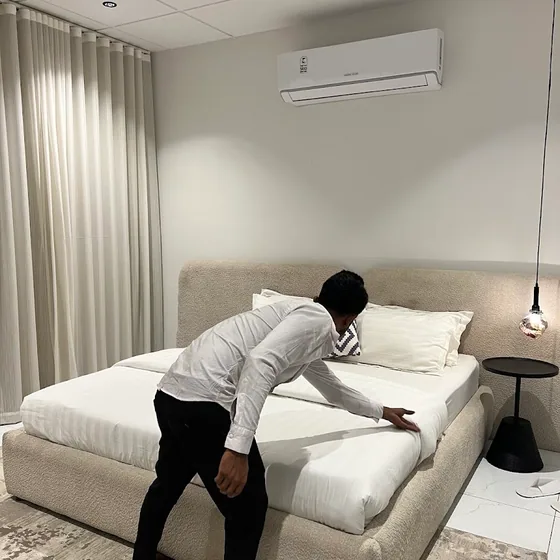
The commitment is simple enough to keep: we don't leave before your contact has seen the result and said what they think.
We look at the job and agree the figure before any work begins, and nothing is added to it afterwards. If the scope changes during the visit we stop and ask you before carrying on.
At the end of the visit we walk the place with you. Anything you point at is redone in the same visit, not booked for another one, and at no extra cost.
We arrive when we said we would. If that becomes impossible you hear it before the appointment rather than after, because waiting without knowing how long is worse than a delay you were told about.
Everything we offer in this category, in a single visit if you need more than one.
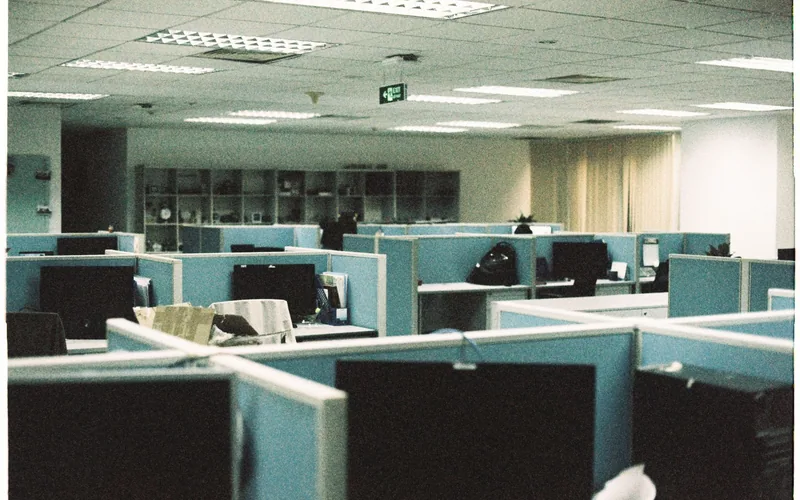
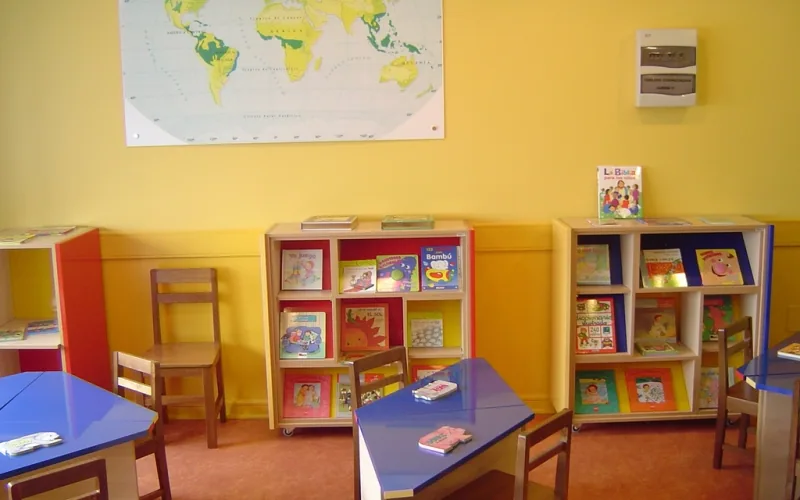
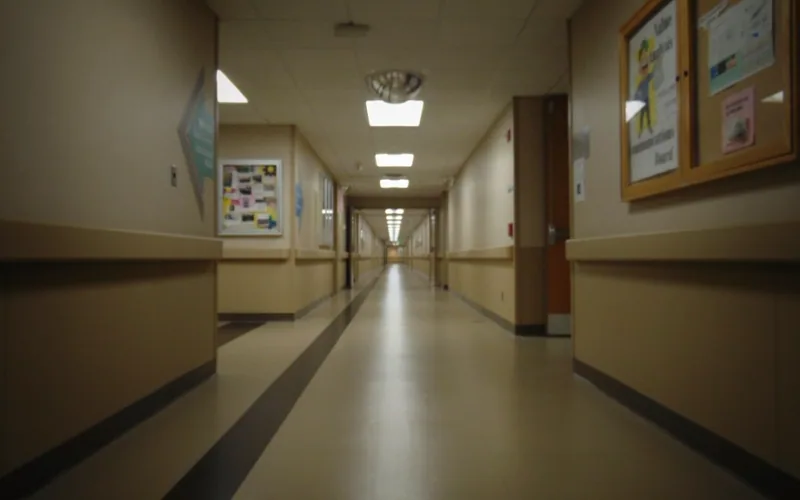
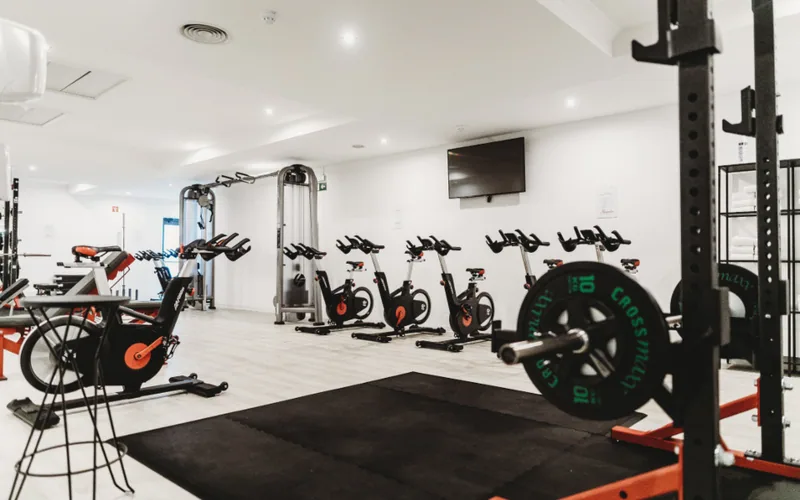
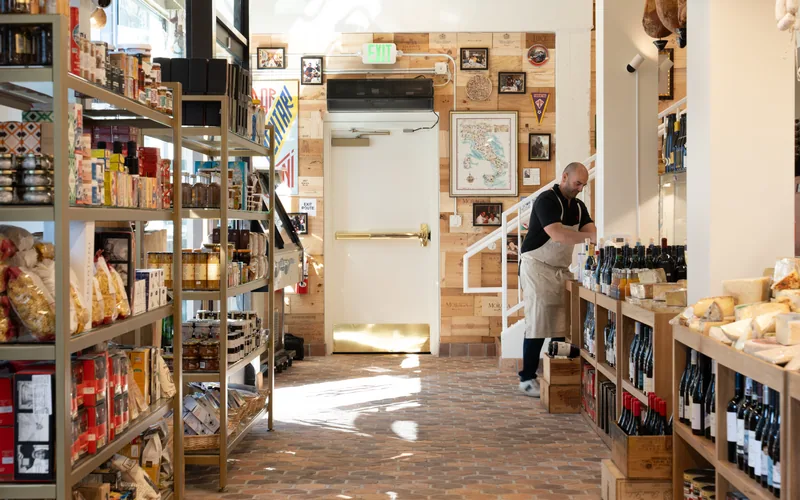


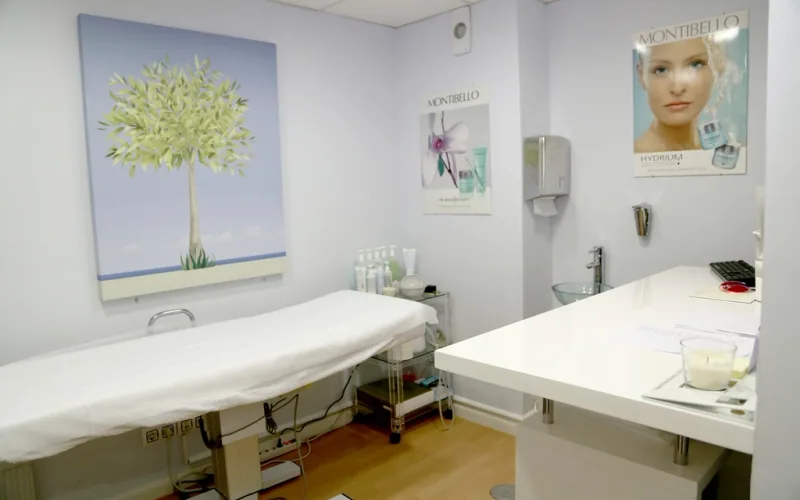

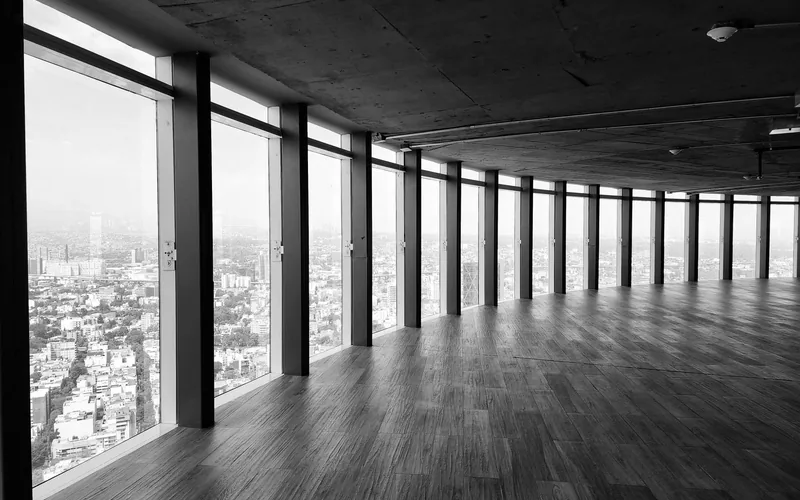
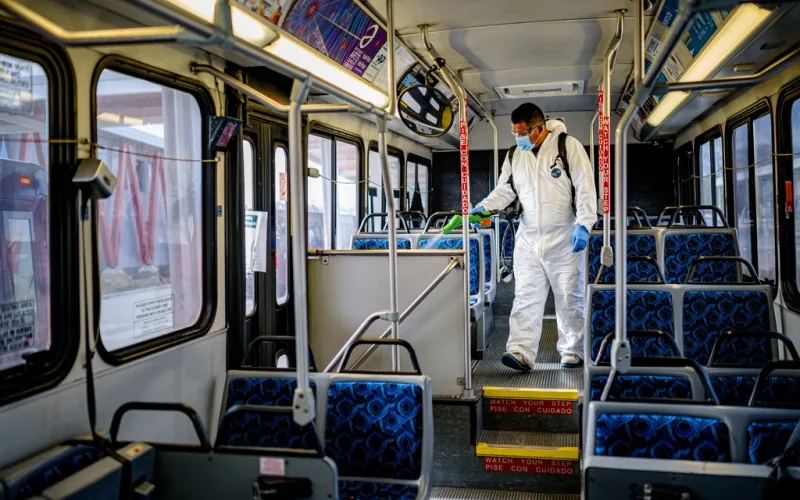
The crew and its equipment travel to you, and the price does not change with the district.
Four steps, and none of them commits you to paying before you have seen the price.
WhatsApp or a call. One photo is usually enough.
In writing, before you commit to anything. You approve it, or we adjust it.
At the agreed time, with everything the job needs.
A walk-through before we leave. The job is not closed until you are satisfied.
Send the number of vents, the system type and a few photos, and you get an estimated rate and a schedule that fits your space. Work doesn't start before you approve the number.