
Floor and play area, not room count
A single-room nursery is not a multi-classroom kindergarten. We ask about the area and layout, because pricing by the room misjudges both ends.
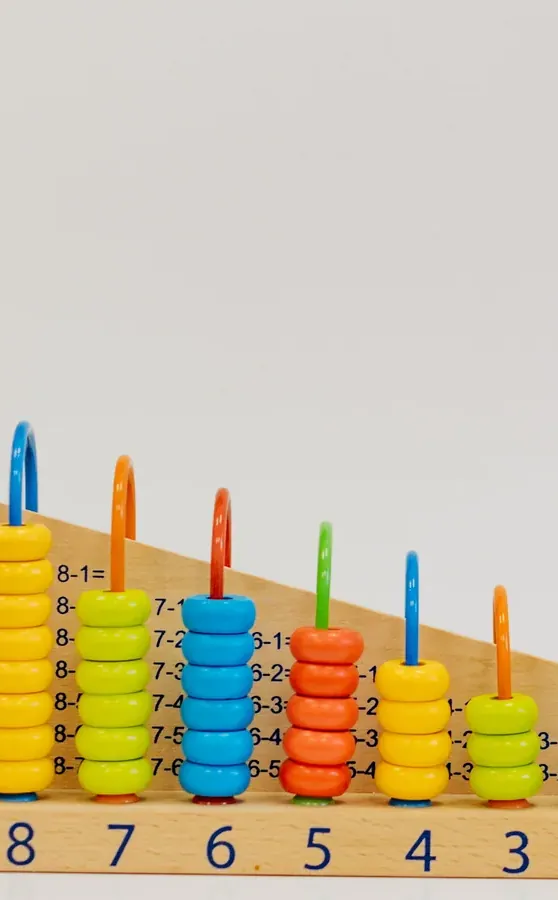
Children live at floor level. They crawl, sit, share toys and put things in their mouths, so the surfaces that matter are the ones adults rarely touch: floors and corners, low shelves, mats, toys and the potty area. Cleaning a nursery well means cleaning where the children actually are, with materials that leave nothing behind.
Daily tidying keeps the room presentable while the child-level surfaces fall behind. If one of these fits, the time has come.
The surfaces children lean and eat on feel slightly tacky. That is a film of spills and hand contact that quick wiping spreads rather than removes.
If a room shut overnight has an odour by morning, mats, soft flooring and corners have held soil that daily tidying does not reach.
When the same bug moves through a group, shared toys and low surfaces are usually carrying it. Cleaning then disinfecting them breaks the chain.
The open floor looks fine while corners, edges and grout, exactly where small hands reach, quietly build up.
Toys and child-height handles go dull and filmy from rushed wipes. On the very things children mouth, that film is the problem.
If daily tidying is all that has happened for a while, the toys, mats and nap surfaces are overdue for a proper clean and disinfection.
The second list is the one that prevents disputes, it is usually in small print, or not written at all.

Shared toys and everything at child height are sanitised with a safe product, since these are handled and mouthed most.
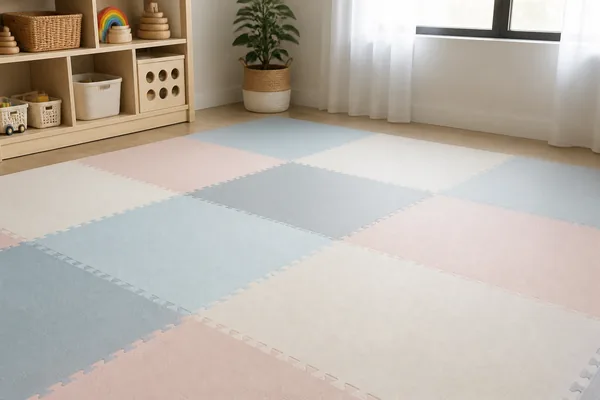
For a small child the floor is the table, so it is washed and sanitised where they sit, crawl and eat.
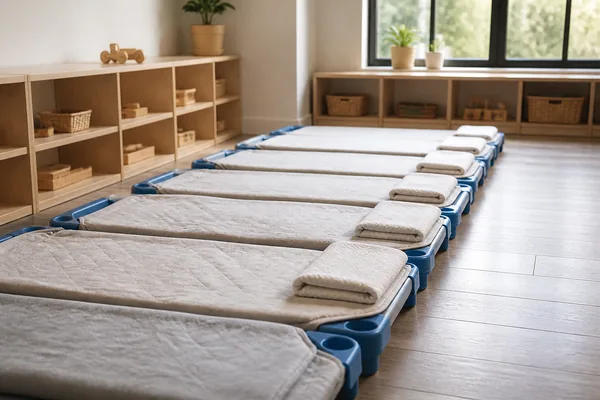
Vacuumed and treated, because the fabric takes in sweat and saliva daily and a wipe never reaches that far.
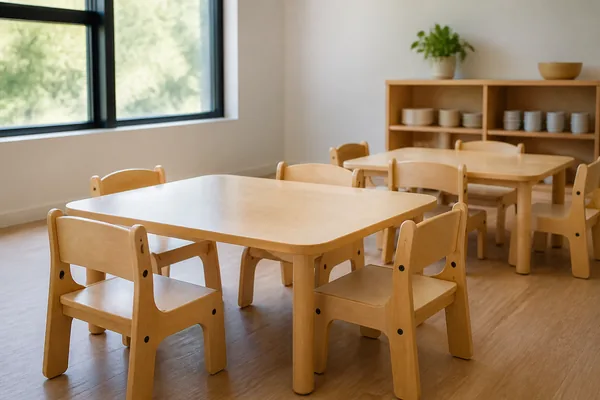
Small tables and meal areas are cleaned and then sanitised, as food residue collects right where children reach.
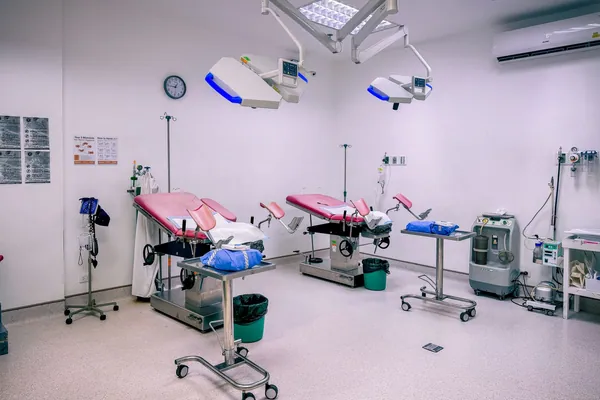
Germs travel fastest from here, so surfaces and drains are sanitised with a safe product, not just wiped over.
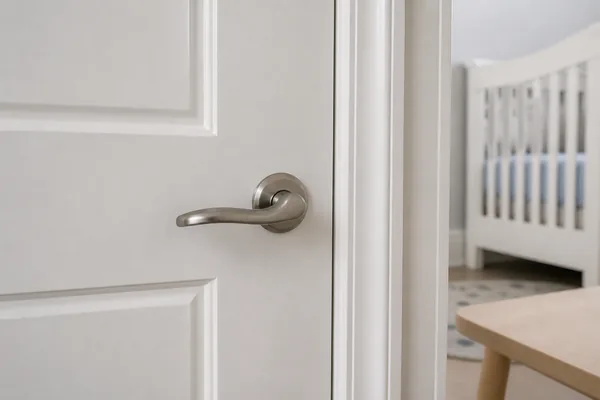
Low handles, table edges and drawer fronts, everywhere a small hand lands, are sanitised in a pass of their own.
If your case is one of these, we say so at inspection, not after payment. Where the work is not ours, a pest issue, a repair, we point you to the right party.
The order matters here more than in a home. These surfaces meet mouths and bare skin, so cleaning has to come before disinfection and rinsing has to come after.
We agree play, sleep, eating and potty zones with you and set a time after hours, so nothing is done while children are present.
Disinfectant on a soiled toy or table binds to the soil, not the surface. We clean first so the disinfection step actually works.
We start where children are, floors, corners and low furniture, because that is where the contact is, not the adult eye line.
Plastic, wood and fabric toys and mats are not handled the same way. Each is cleaned and disinfected by the method that suits it.
The restroom and potty zone is worked with its own materials and order, so nothing carries from it to a toy or a table.
Surfaces are left residue-free and the rooms ventilated before children return, then we walk the space with you and redo anything you point to in the same visit.
We do not publish a fixed figure, because cases genuinely differ. These are the factors we ask about, so you know where your job sits before you call.
A single-room nursery is not a multi-classroom kindergarten. We ask about the area and layout, because pricing by the room misjudges both ends.
Each classroom and potty area is its own zone with its own materials, so the count changes the work and is set into the quote up front.
A regular after-hours clean is priced differently from a one-off deep clean. Steady frequency keeps each visit lighter.
A surface tidy and a full clean-then-disinfect of toys and mats are different levels of work. We agree which before starting.
Carpets, windows or AC vents done alongside in one visit costs less than two, because setup and travel are counted once.
Send the layout, the number of classrooms and restrooms, and photos on WhatsApp, and you get a price and an estimated time before you commit.
Daily tidying keeps a nursery presentable. Here is what it does and does not reach, plainly.
On surfaces children mouth, what is left behind matters as much as what is removed. We rinse and ventilate rather than leave a film.
We send a team, not one person, and work after closing so the space is ready and aired before children return, with none present during the work.
Our own machines and child-safe materials arrive with the team. No shared cloths across zones and no waiting on rented gear.
We clean the space; we do not mind children, launder personal clothing or handle pests. We are clear about the line before the visit, not after.
Photographs from real jobs carried out by the crew.
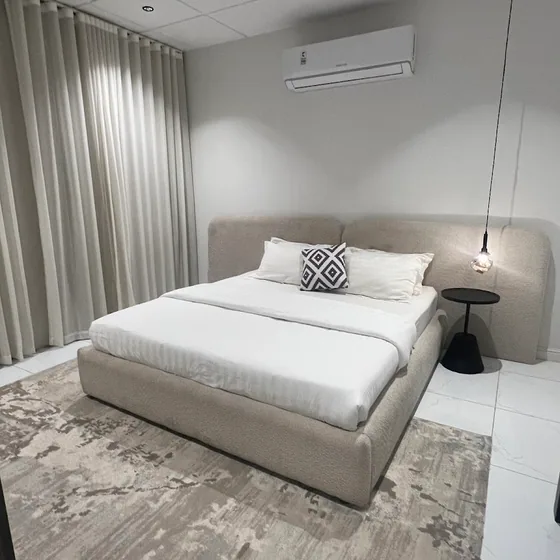
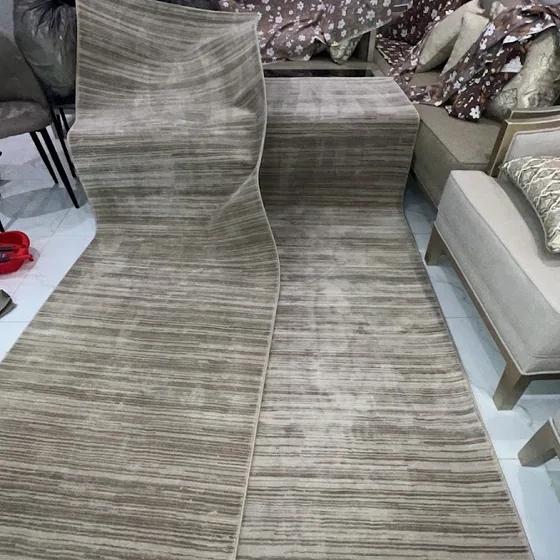
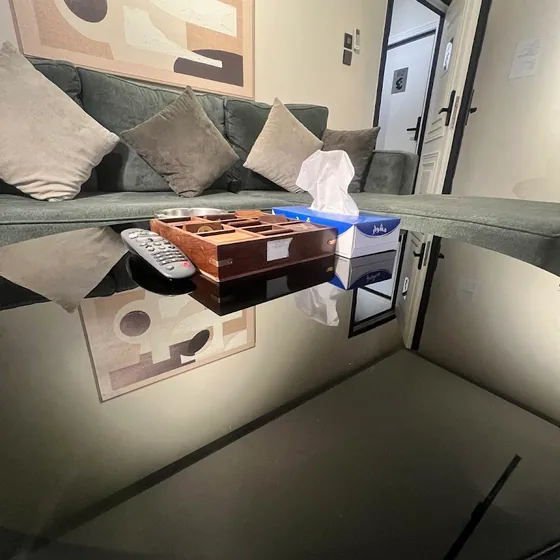
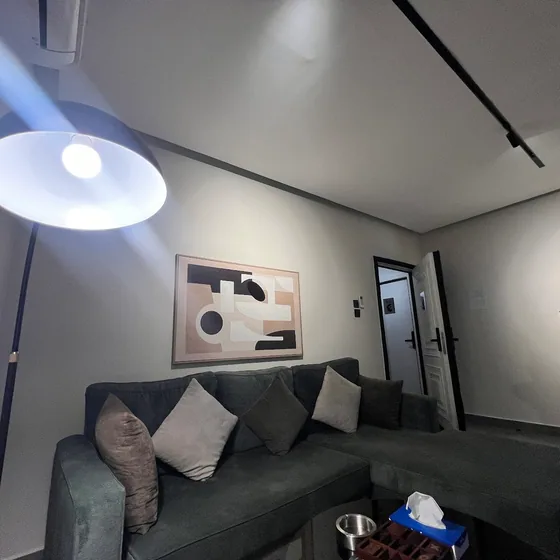
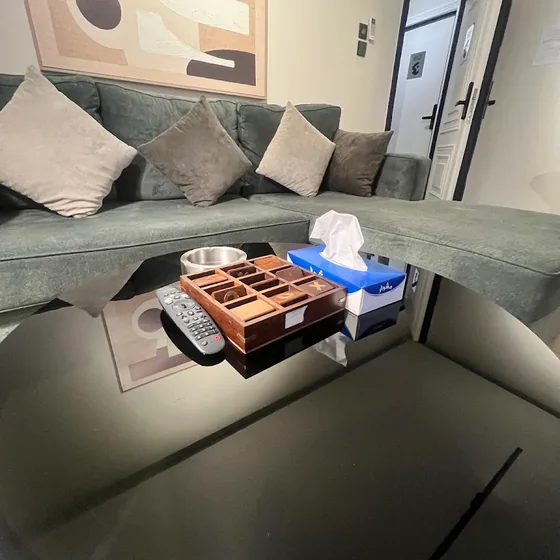
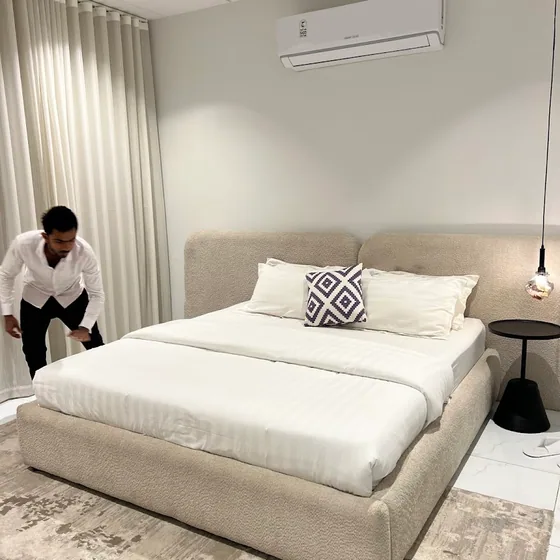
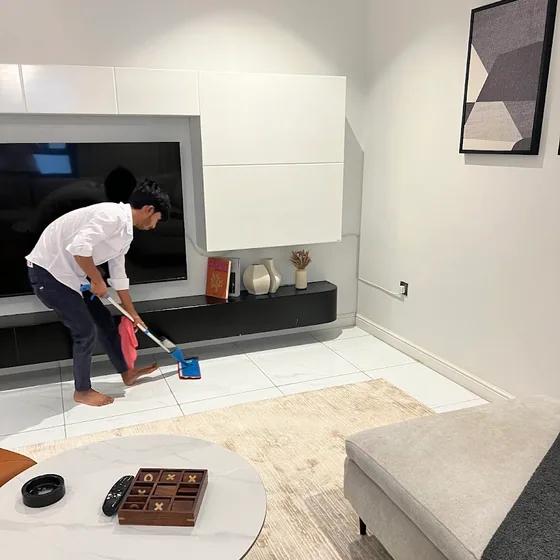
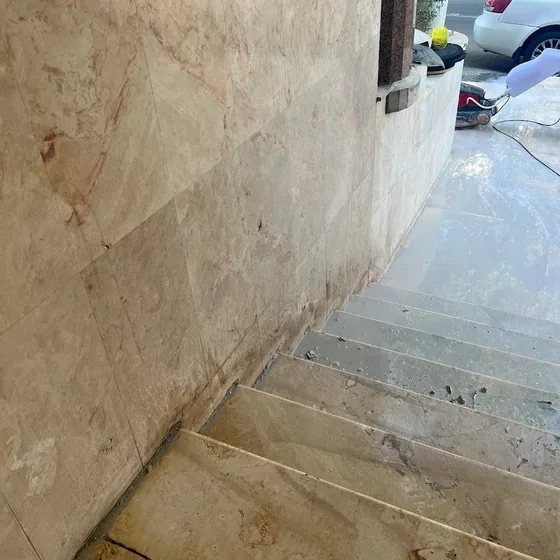
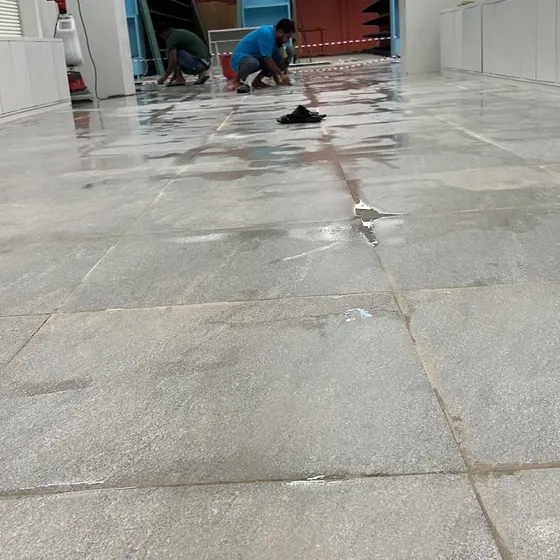
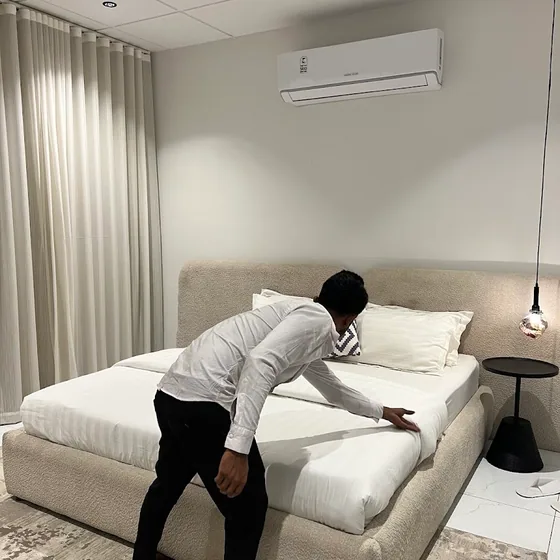
The commitment is simple enough to actually keep: we do not leave before you see the result and give your opinion on it, with the rooms aired for the children.
We look at the job and agree the figure before any work begins, and nothing is added to it afterwards. If the scope changes during the visit we stop and ask you before carrying on.
At the end of the visit we walk the place with you. Anything you point at is redone in the same visit, not booked for another one, and at no extra cost.
We arrive when we said we would. If that becomes impossible you hear it before the appointment rather than after, because waiting without knowing how long is worse than a delay you were told about.
Everything we offer in this category, in a single visit if you need more than one.
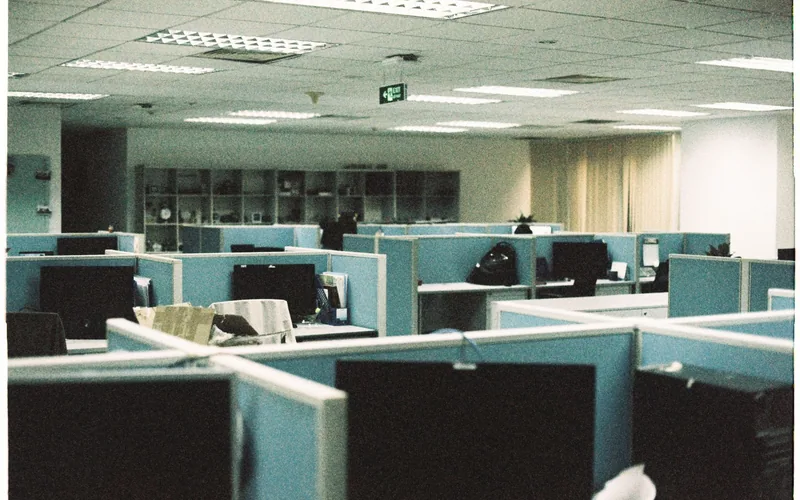
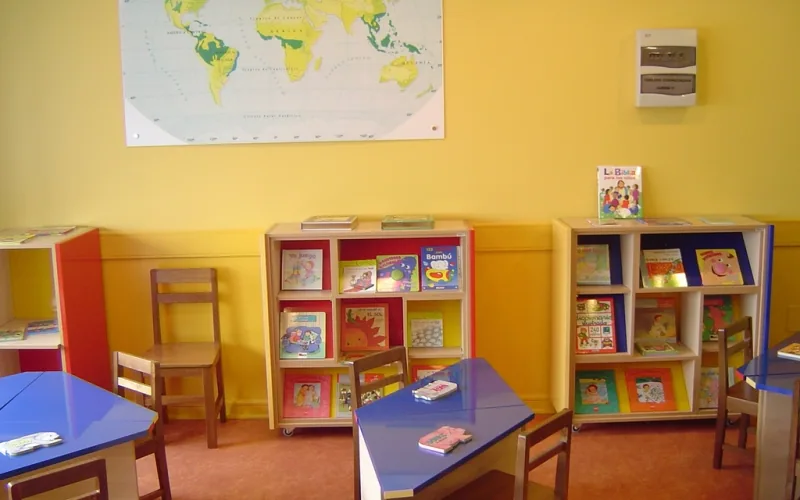
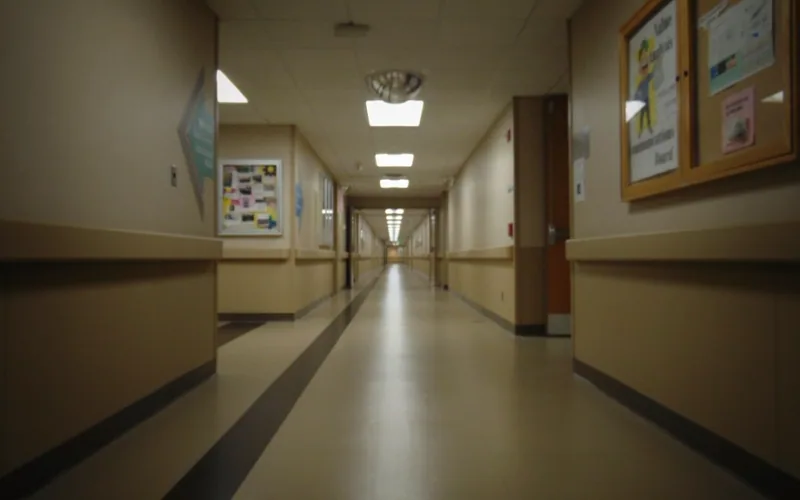
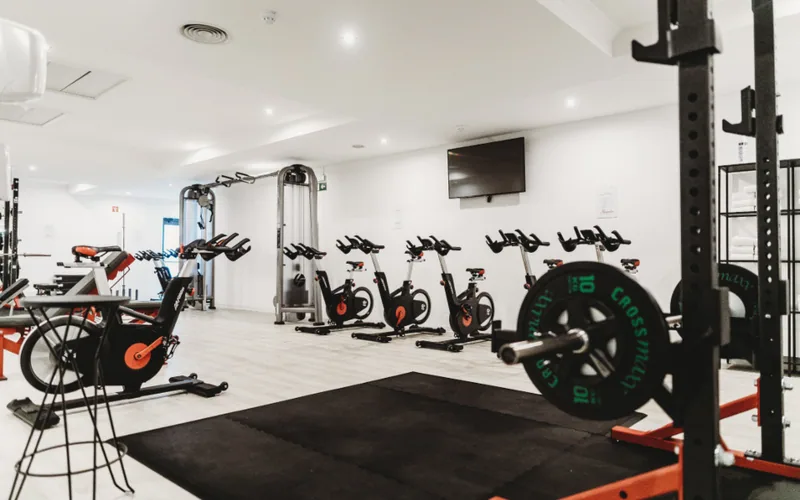
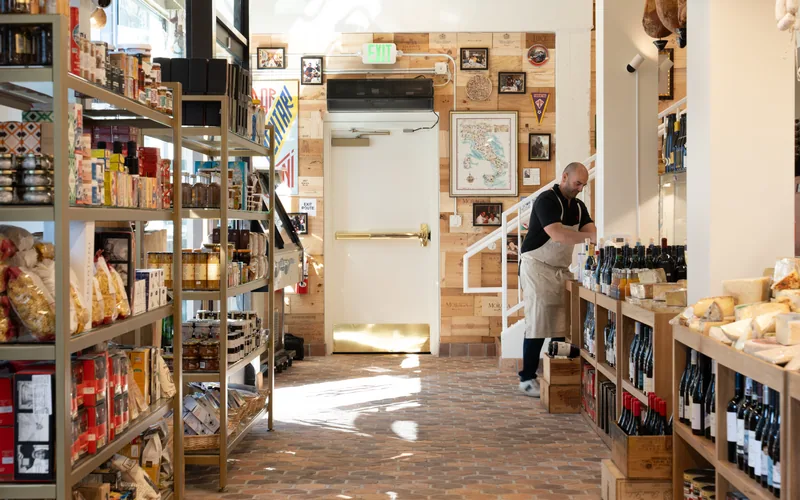
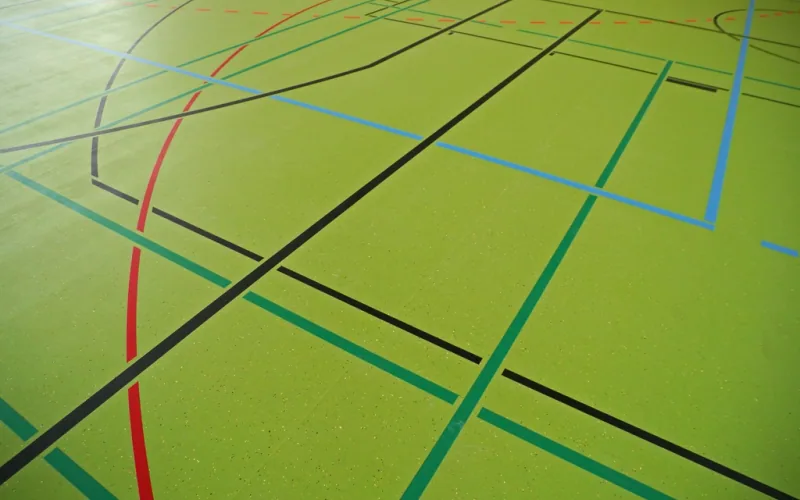

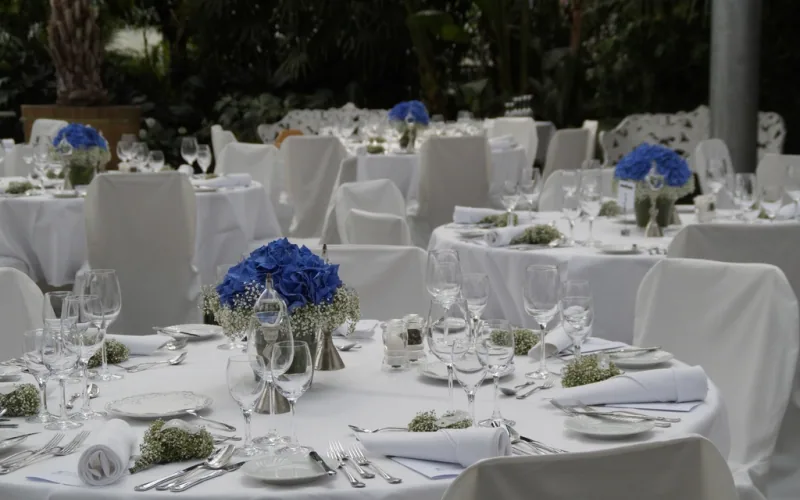
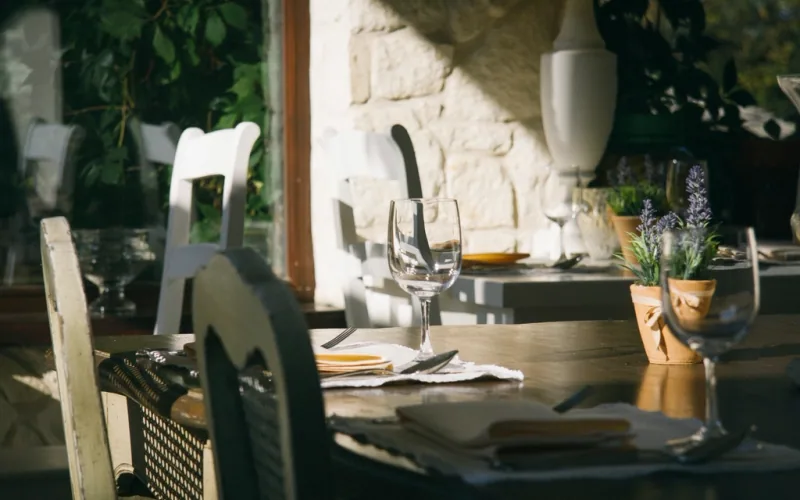

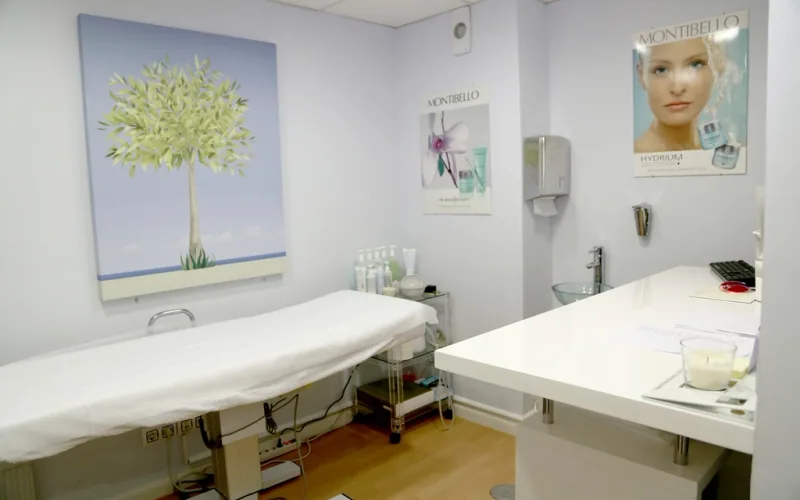
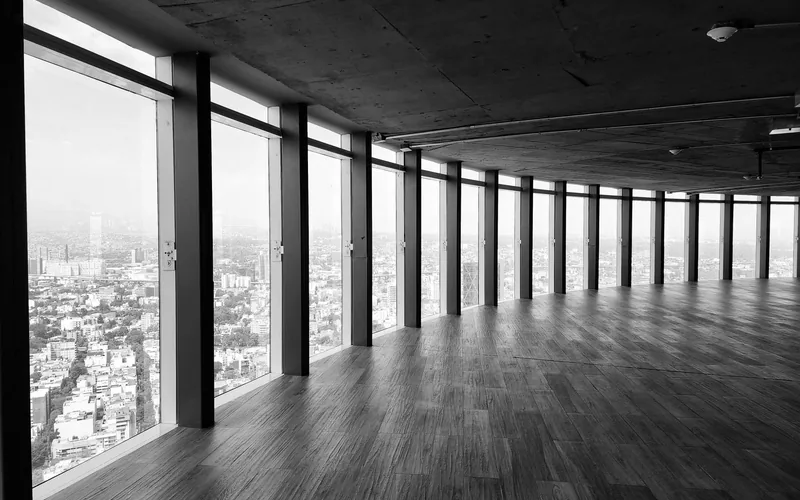
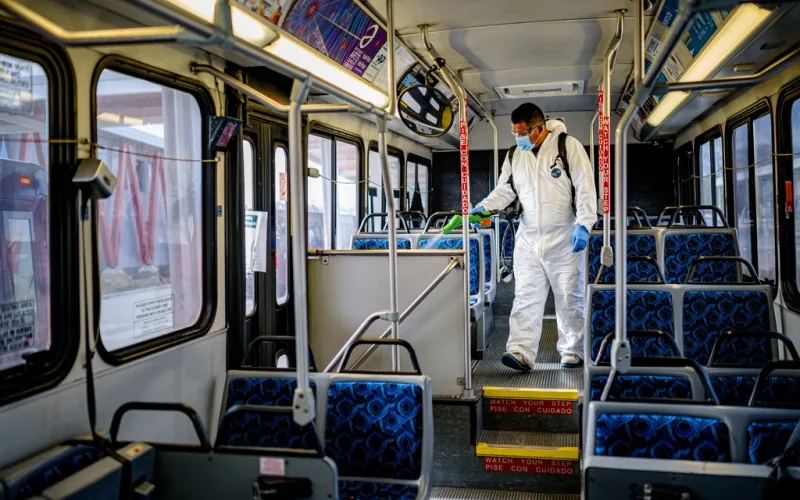
The crew and its equipment travel to you, and the price does not change with the district.
Four steps, and none of them commits you to paying before you have seen the price.
WhatsApp or a call. One photo is usually enough.
In writing, before you commit to anything. You approve it, or we adjust it.
At the agreed time, with everything the job needs.
A walk-through before we leave. The job is not closed until you are satisfied.
Send the layout and the number of classrooms and restrooms, and you get a price and an available time. Work does not start before you approve the number.