
Floor area and layout
The size of the space and how it's divided decide the work. Open retail and a partitioned office of the same area are not the same job.
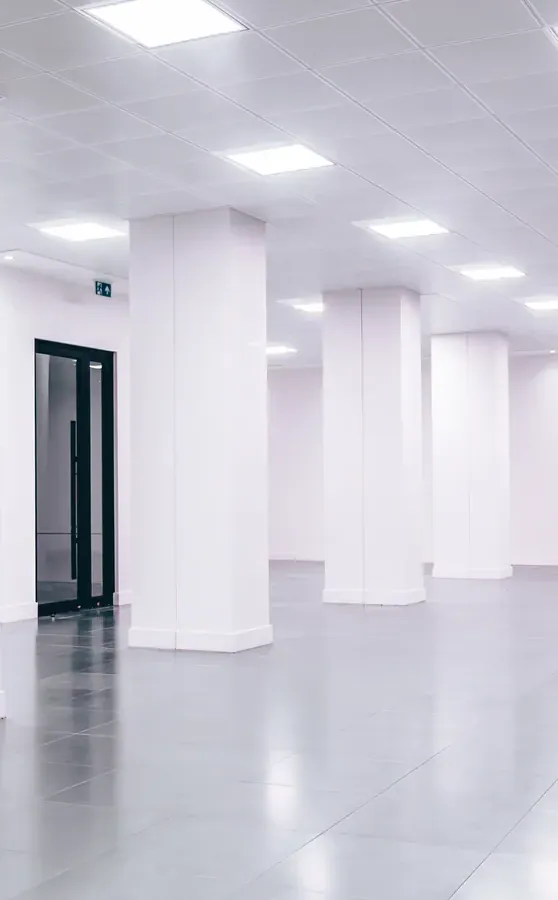
Construction dust is the fine kind. It's inside light fittings, on top of ductwork, in the window tracks and behind door frames, and it keeps resettling after the first pass. Add grout haze, paint specks, adhesive and protective film, and a normal clean won't get a fit-out to handover. This does.
Building dust doesn't settle in one pass. If you're seeing these, the space isn't ready to hand over yet.
You wipe a surface and it's grey again by the next day. Construction dust sits on every ledge and inside fittings, and it needs a top-down clean to actually clear rather than move around.
Film and labels on windows, doors and fixtures. Left in the sun they bake on, so they come off cleanly now and fight you later.
Overspray on frames, glue lines on floors, sealant smears on tile. These are detail work, done by hand, not something a mop touches.
A cloudy film left across new tile and stone after grouting. It doesn't sweep off, it needs the right remover for the floor so the finish actually shows.
Offcuts, dust and packaging left in ceiling voids, riser cupboards and behind fixtures. It draws pests and fails an inspection before the visible areas do.
A client walkthrough or opening on the calendar is the usual trigger. The clean has to land just before it, not weeks earlier when dust is still settling.
The second list is the one that prevents disputes, it is usually in small print, or not written at all.
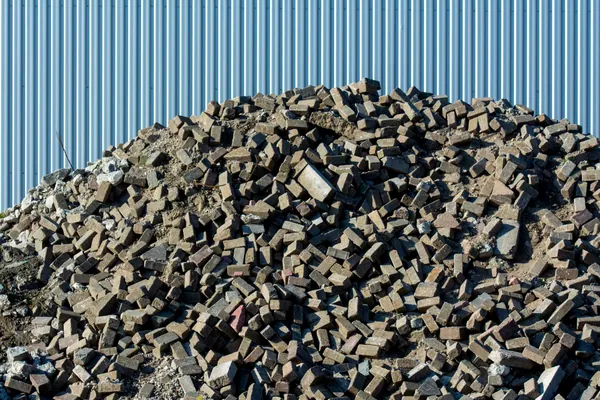
Offcuts, sacks and leftover material go first, because there is no point cleaning on top of rubble.
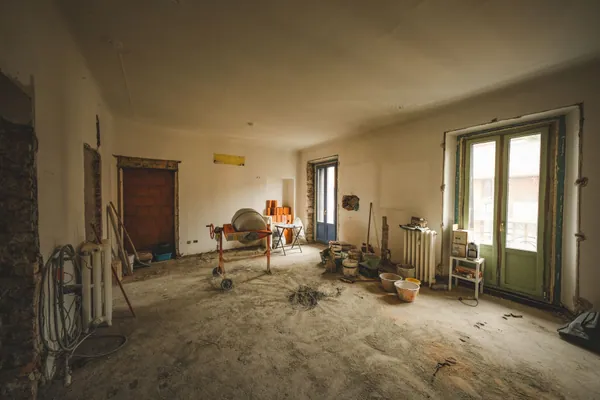
We work from the ceiling down, since cement dust settles back onto anything below if we start at the floor.
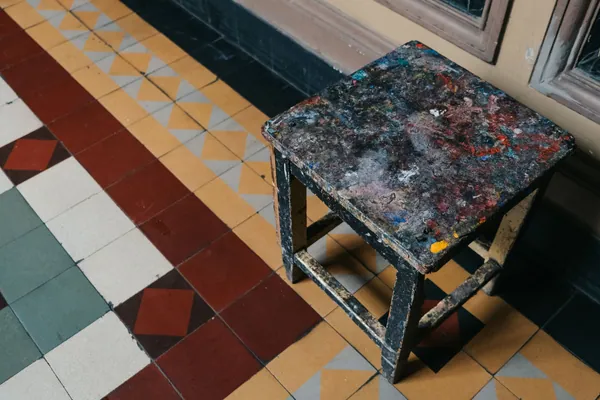
Each spot comes off with the tool its surface can take, so marble and glass are not scratched.

Stickers, adhesive residue and protective tape removed, then the glass polished until nothing is left on it.
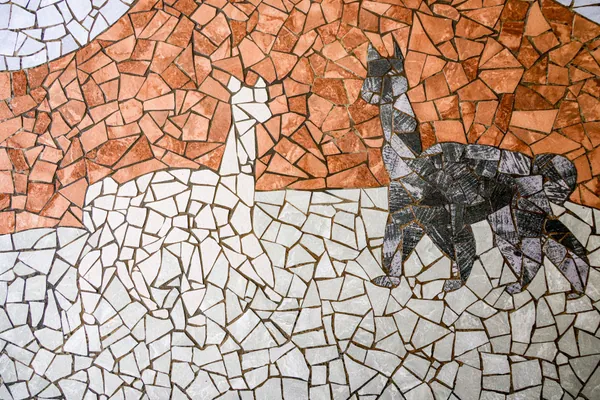
The dull film left by grouting is lifted with a dedicated product so the real tile colour shows.
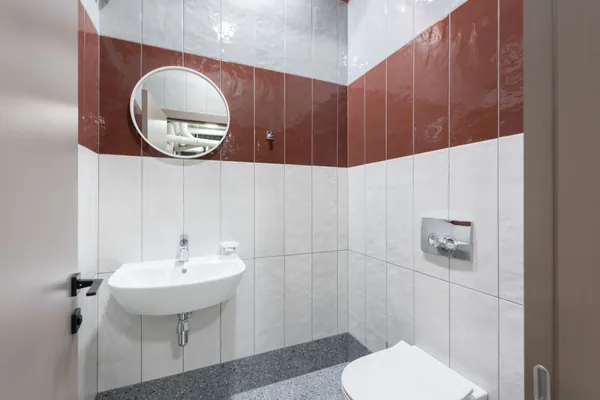
Sanitaryware and new surfaces cleared of installation residue and filler before anything is used for the first time.
If a stain or mark won't lift without harming the surface, we stop and show you rather than force it. We flag it at the visit and, where a trade is needed, point you to the right one.
The order protects the finishes. Detail the glass before the dust is down and you clean it twice. This is the sequence.
We go through with your site contact, note what's finished and fragile, and agree what can and can't be touched. Scope and rate are fixed before we start.
Offcuts, packaging and the bulk of the dust are cleared before any detailing, so fine work isn't done on top of grit.
Ceilings, high ledges, ducting and frames come next. Anything dislodged falls, so the high level is done before the surfaces below.
Film and labels off, glass and frames cleaned, light fittings and joinery detailed inside and out.
Adhesive and paint spots off, grout haze cleared, then the floor cleaned and finished for its material, done last so nothing re-coats it.
We walk the space with you before the crew leaves, and because building dust resettles, we re-clean the surfaces that need it on the same visit.
We do not publish a fixed figure, because cases genuinely differ. These are the factors we ask about, so you know where your job sits before you call.
The size of the space and how it's divided decide the work. Open retail and a partitioned office of the same area are not the same job.
Light dusting after a careful fit-out is quicker than heavy grout haze, overspray and adhesive across every surface. We note the state at the visit.
Natural stone, polished concrete and delicate glazing need specific products and more careful handling than standard tile.
Whether the trades are fully out, and when you need the space, decide how the work is scheduled, including a re-clean once dust has settled.
Duct cleaning or floor polishing done in the same visit costs less than separate trips, because access and setup are counted once.
Send the floor area, the finishes involved and a few photos of the state it's in, and you get an estimated rate and duration before you commit.
A general clean and a post-construction clean are different jobs. The difference is what's being removed and the order it's done in.
We send a crew, so a whole fit-out is brought to handover in a coordinated visit rather than dragged across days while dust keeps settling.
Trade-grade extraction pulls fine building dust out of ledges and fittings instead of pushing it around the space.
Stone, glazing and joinery each get the product suited to them. The clean that damages a new finish costs more than it saved.
We schedule the clean and the re-clean around your opening or client walkthrough, so the space lands ready on the day it matters.
Photographs from real jobs carried out by the crew.
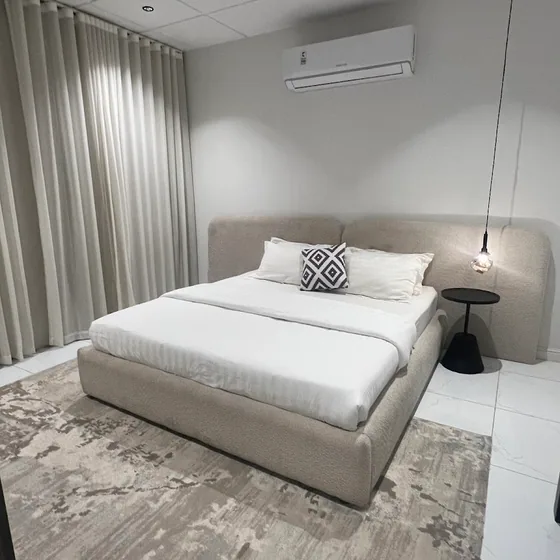
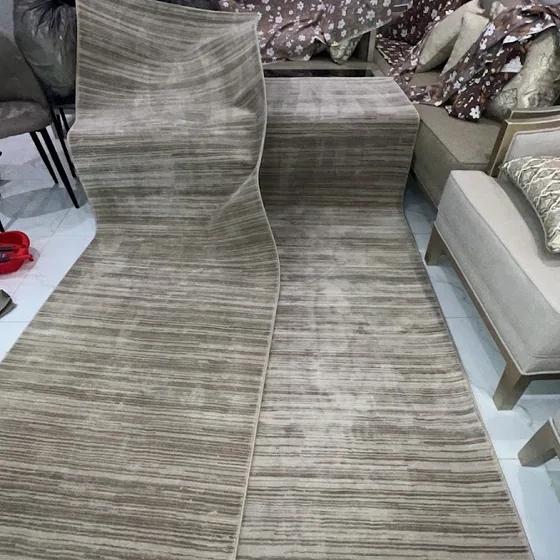
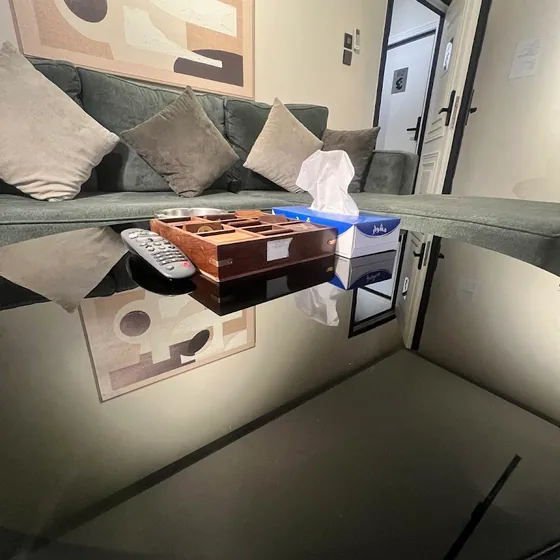
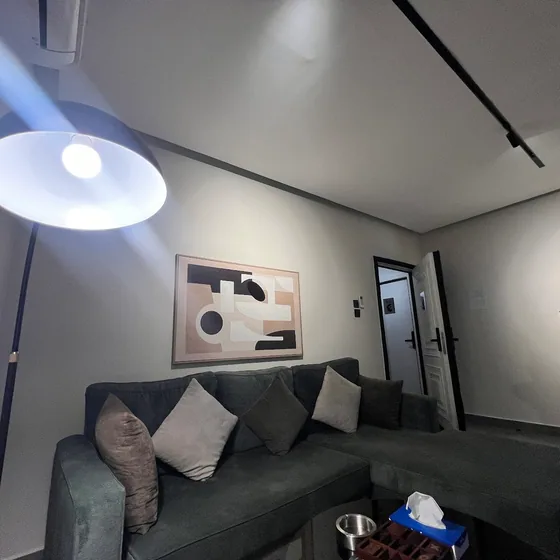
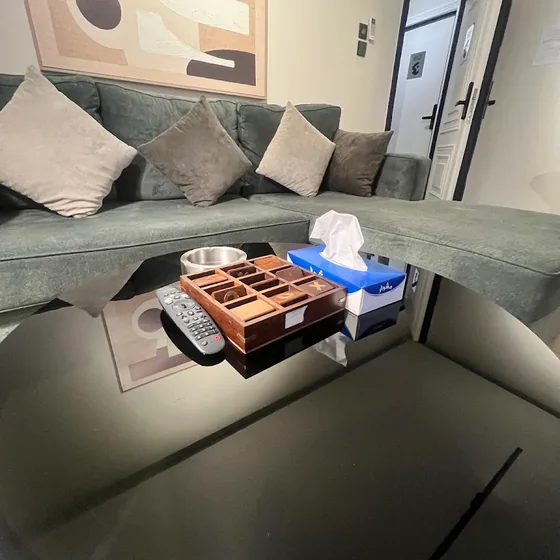
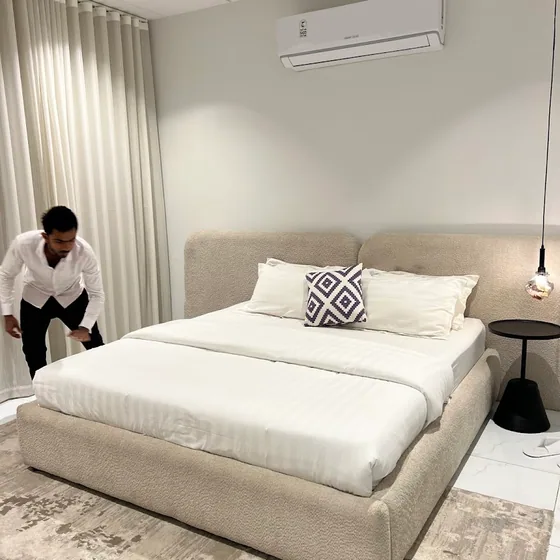
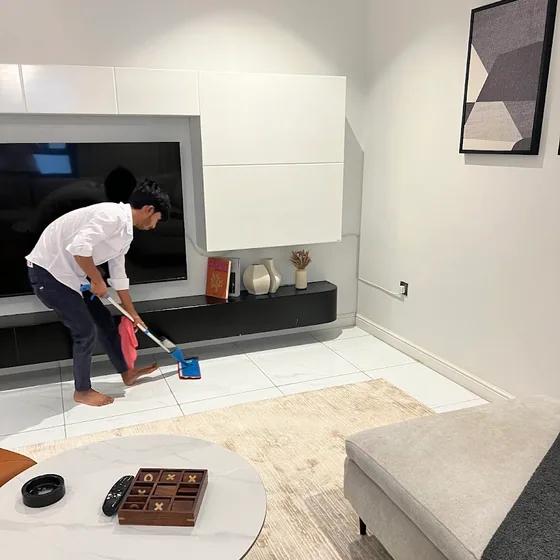
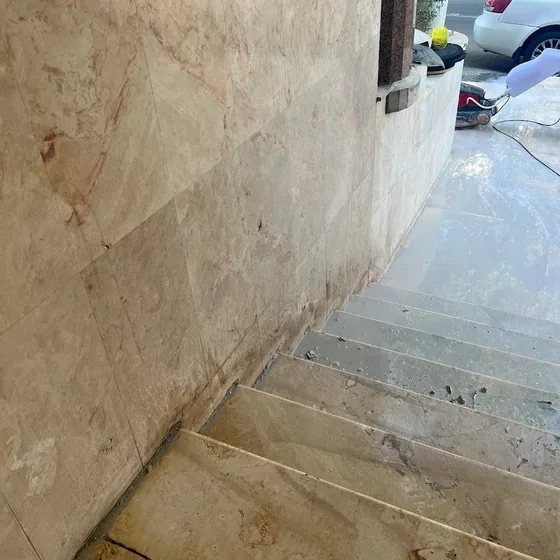
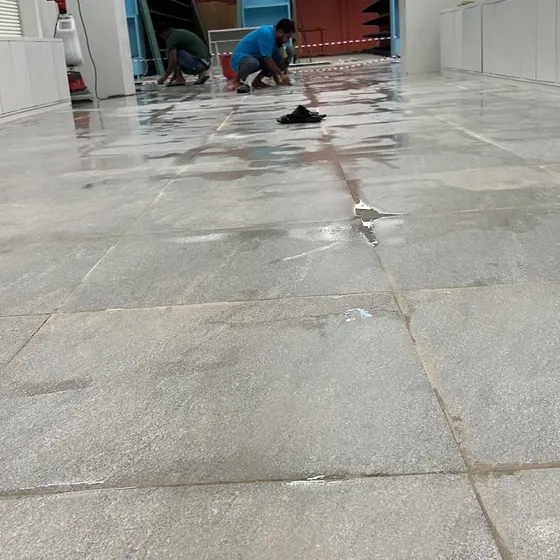
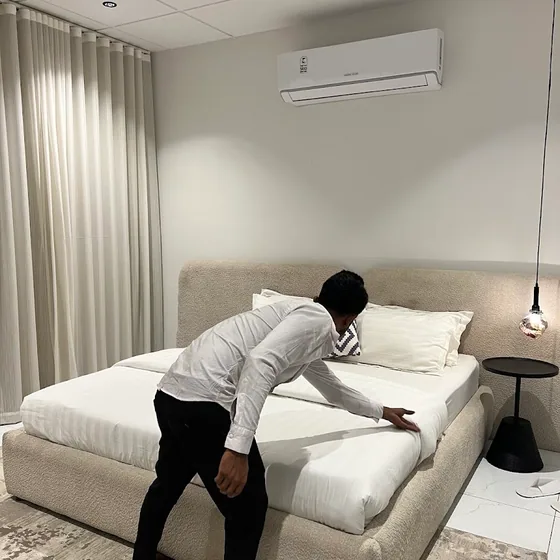
The commitment is simple enough to keep: we don't leave before your site contact has walked the space and said what they think.
We look at the job and agree the figure before any work begins, and nothing is added to it afterwards. If the scope changes during the visit we stop and ask you before carrying on.
At the end of the visit we walk the place with you. Anything you point at is redone in the same visit, not booked for another one, and at no extra cost.
We arrive when we said we would. If that becomes impossible you hear it before the appointment rather than after, because waiting without knowing how long is worse than a delay you were told about.
Everything we offer in this category, in a single visit if you need more than one.
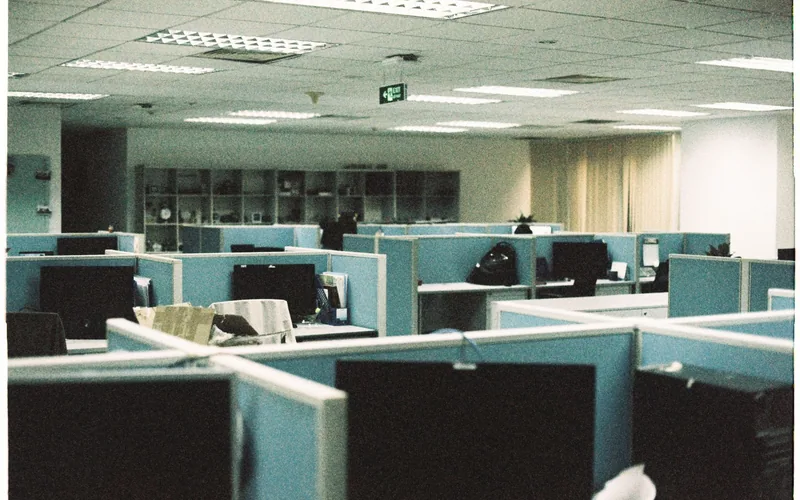
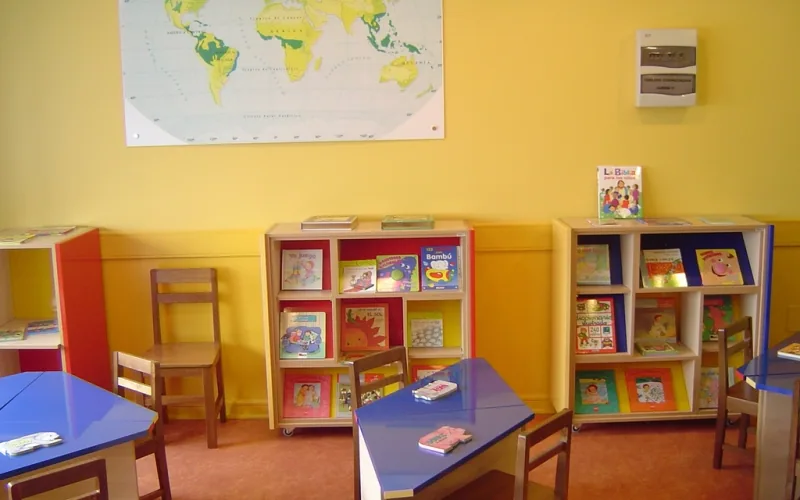



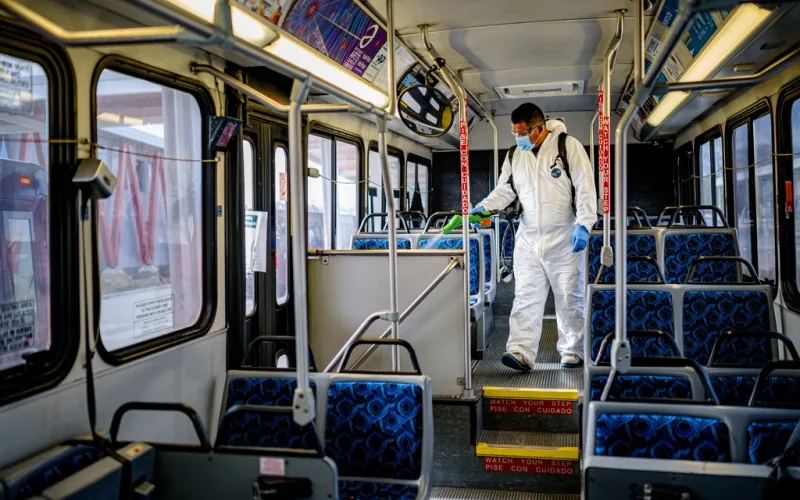
The crew and its equipment travel to you, and the price does not change with the district.
Four steps, and none of them commits you to paying before you have seen the price.
WhatsApp or a call. One photo is usually enough.
In writing, before you commit to anything. You approve it, or we adjust it.
At the agreed time, with everything the job needs.
A walk-through before we leave. The job is not closed until you are satisfied.
Send the floor area, the finishes involved and a few photos of the current state, and you get an estimated rate and a schedule built around your handover. Work doesn't start before you approve the number.