
Number of rooms and the mix of areas
A floor of standard rooms is not the same as suites, halls, and a lobby. We count the areas and their types rather than quoting by the room.
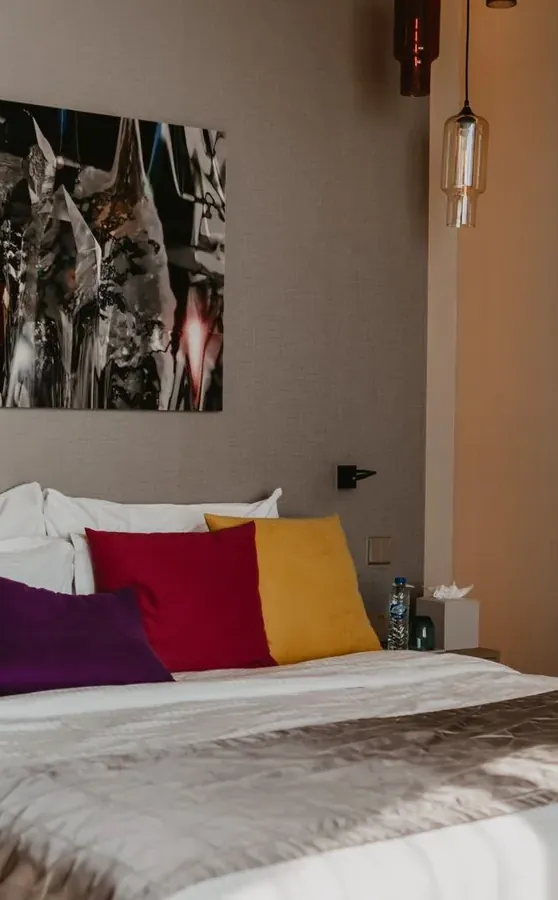
A guest decides about a room in the first few seconds: the smell when the door opens, the bathroom, the glass. What decides whether they come back is what no one photographs, the grout in the shower, the dust on the AC vent, the corridor carpet after a busy week. Daily housekeeping keeps the surface. This is for the layer under it.
Housekeeping holds the line day to day, but some things build up under it. If one of these sounds familiar, it is time for a deep pass.
Marble and stone lose their reflection where foot traffic is heaviest. Daily buffing hides it for a morning, then the traffic lane comes back by evening. That is wear in the polish, not dirt on top.
Open a vacant room after a couple of days and there is a smell. It usually sits in the carpet, the curtains, or the AC. Air freshener covers it for an hour, not longer.
The tile is clean but the lines between it are grey. It reads as neglect to a guest even when the room is spotless everywhere else.
Soft furnishings, curtains, and vents hold dust that a wipe-down never reaches. The guests who notice tend to mention it in a review.
Skirting boards, behind the headboard, under the desk. Each is a few seconds skipped under time pressure, and it adds up across a floor.
The path guests walk is packed flat and darker than the carpet beside it. Vacuuming lifts the loose dust; it does not lift the ground-in soil.
The second list is the one that prevents disputes, it is usually in small print, or not written at all.

Surfaces and bathroom disinfected and the room fully made up, ready before the next guest arrives, not after.
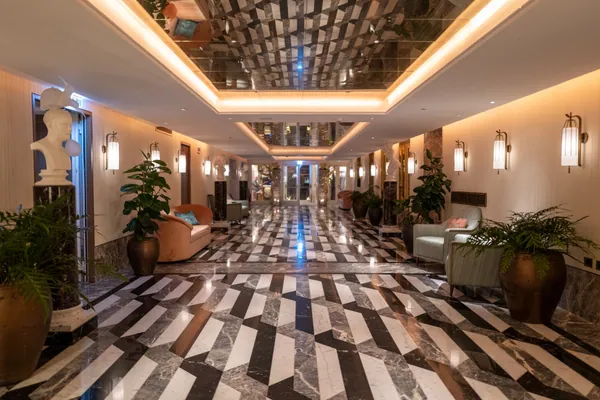
Marble, glass and the reception desk get cleaned when traffic drops, so they still look right when the lobby is full.
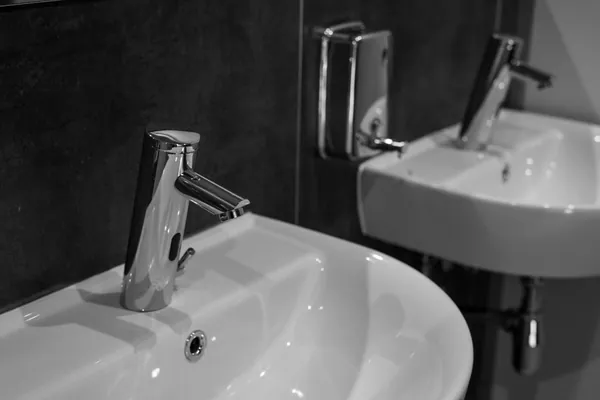
Disinfected, aired and restocked repeatedly through the day, because they are in constant use and guests judge the hotel by them.
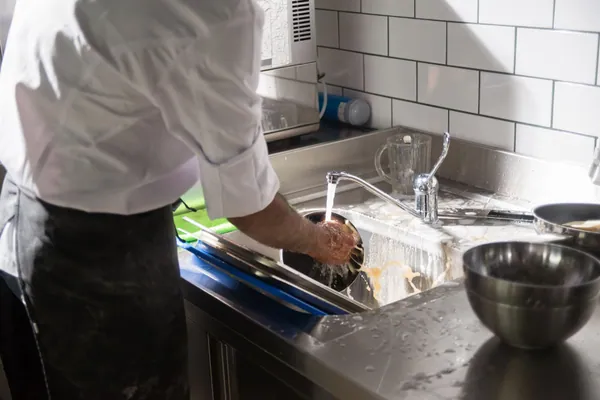
Grease lifted from behind equipment, from the extraction hoods and off the floors, once service has closed rather than during it.
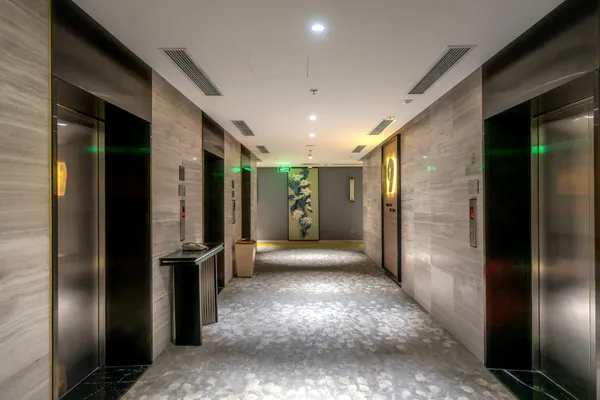
The places everyone walks and nobody looks at: carpet traffic lanes, stair rails and the floors inside the exits.
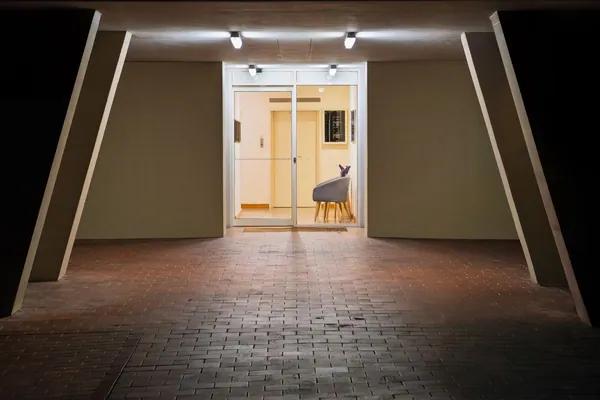
Glass and door handles take fingerprints fast, and they are the first impression, so they go on a frequent round.
If your property needs one of these, we say so during the walk-through, not after an invoice. In most cases we can point you to the right trade even when the work is not ours.
The order matters more in an occupied building than an empty one. Getting it wrong means cleaning the same area twice or disturbing a guest. This is the sequence we work to.
With your duty manager, area by area, and set a checklist for each: rooms, public areas, back corridors. What matters most to your guests goes at the top of it.
Lobby, restaurants, and floors are done when footfall is lowest, so guests do not cross a wet floor and the work is not interrupted halfway.
Each room top-down, light fittings and high surfaces first, floor last, so dust that falls lands on a surface not yet cleaned, never the reverse.
Descaling, grout, and the drain get separate attention from the bedroom. This is where a room passes or fails a guest's inspection.
Marble refinished, carpet extracted, edges done by hand. Doing floors before the high surfaces just means redoing them.
We go through the cleaned areas with your manager. Anything flagged is redone in the same visit before the team leaves.
We do not publish a fixed figure, because cases genuinely differ. These are the factors we ask about, so you know where your job sits before you call.
A floor of standard rooms is not the same as suites, halls, and a lobby. We count the areas and their types rather than quoting by the room.
A full building limits when public areas can be touched. Night work and tight windows change the time a job takes, and we say so up front.
Marble, carpet, and stone each need different equipment and time. A property that is mostly stone is a different job from one that is mostly carpet.
An area cleaned regularly is quicker than one left for a long stretch. The second may need more than one pass, and we flag that before starting.
Doing carpet, marble, and glass in a single scheduled visit costs less than separate call-outs, because setup and access are handled once.
Send the property details, number of rooms, area types, and the access windows you have, and we schedule a walk-through, then a scope and rate before anything is committed.
Housekeeping is essential and this does not replace it. The two do different jobs. Here is where the line actually falls.
The company runs a large crew, and we send a team, not one person. A floor of rooms or a full lobby is finished in one scheduled visit instead of dragging across days.
Marble refinishing and carpet extraction machines come with the team. No waiting on rented gear that is out with another client.
You deal with one team for the whole property rather than splitting guest floors and public areas between different contractors.
Nothing is closed off until your manager has walked it. What is flagged is redone before we leave, so sign-off means it is actually done.
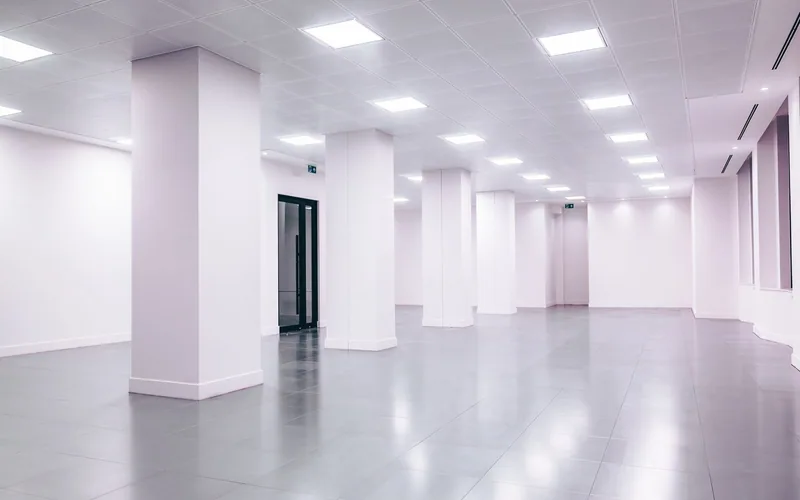
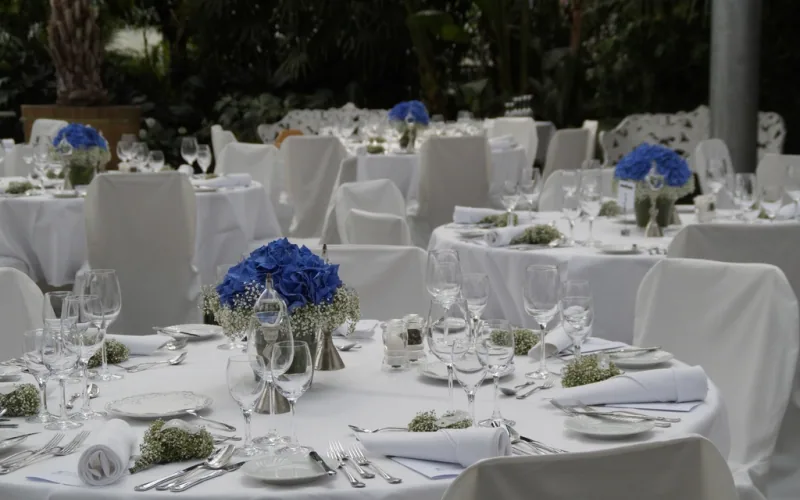
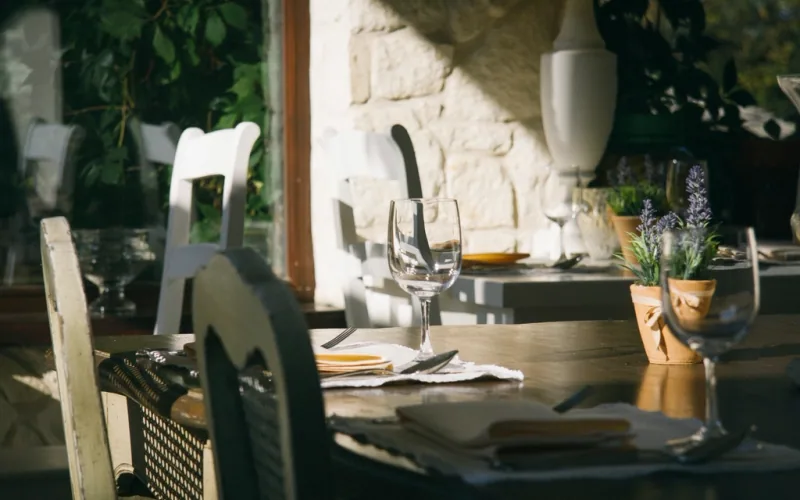
Photographs from real jobs carried out by the crew.
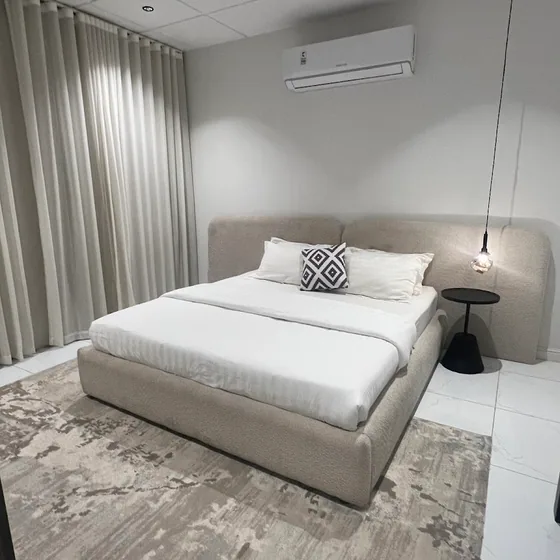

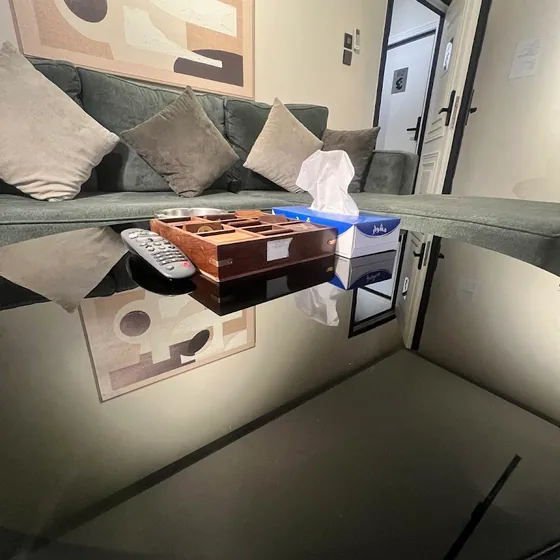
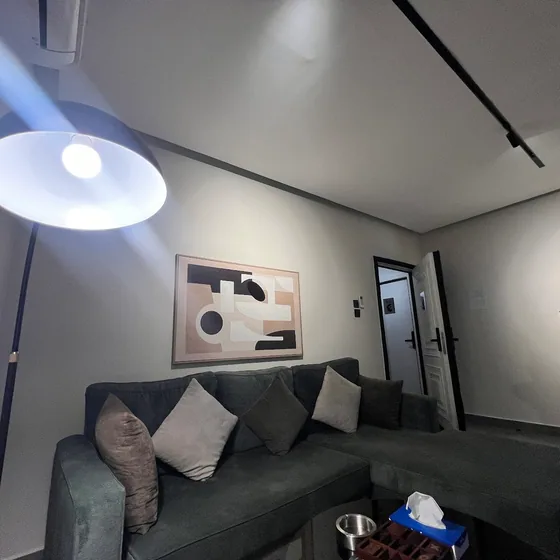
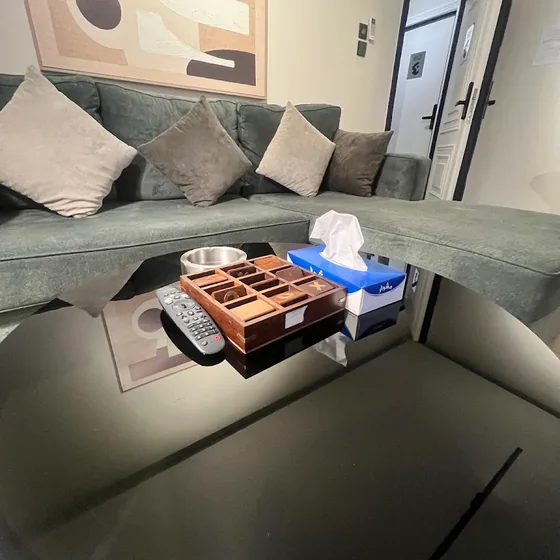
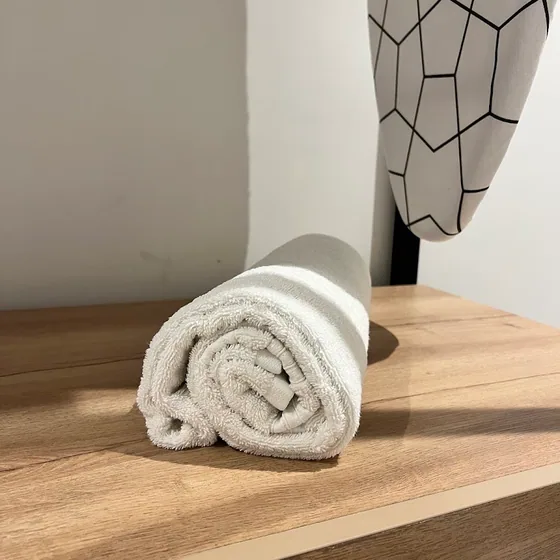
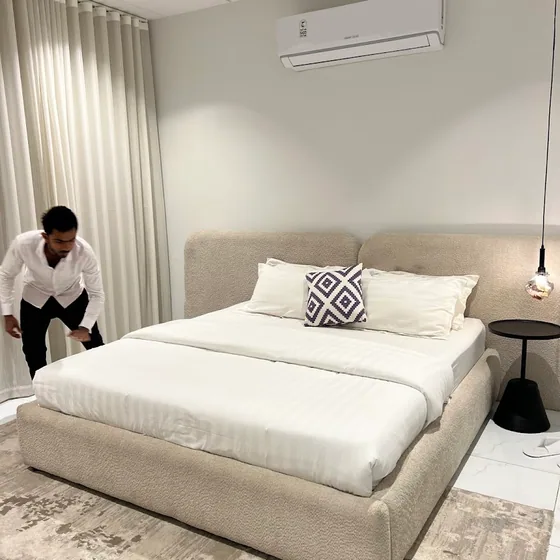
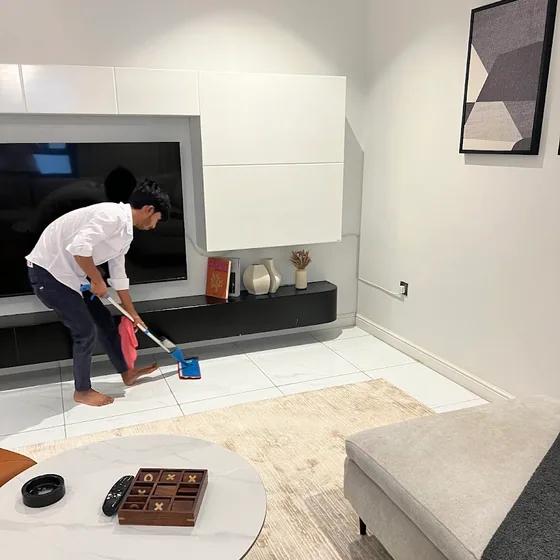
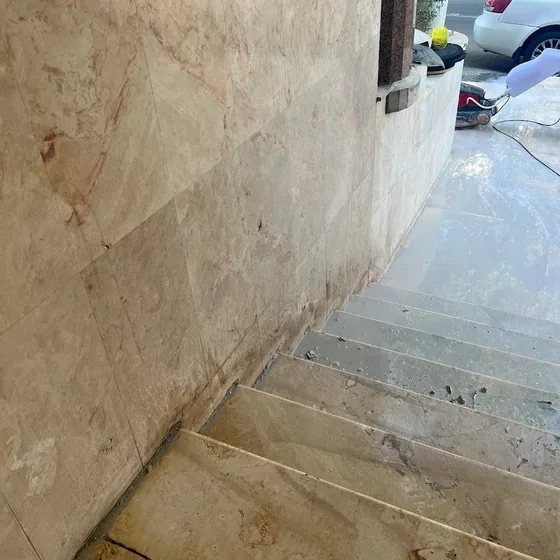
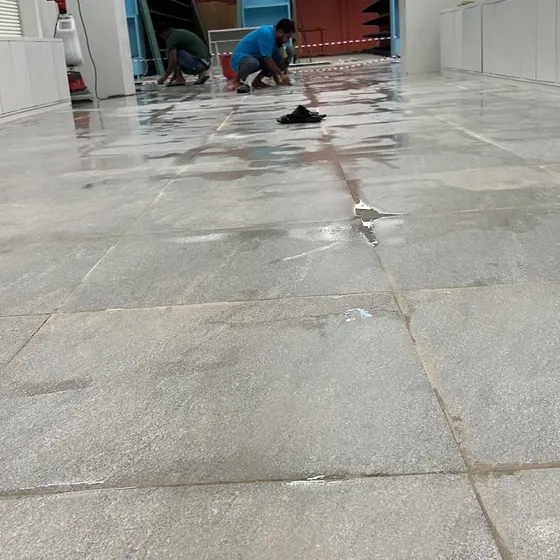
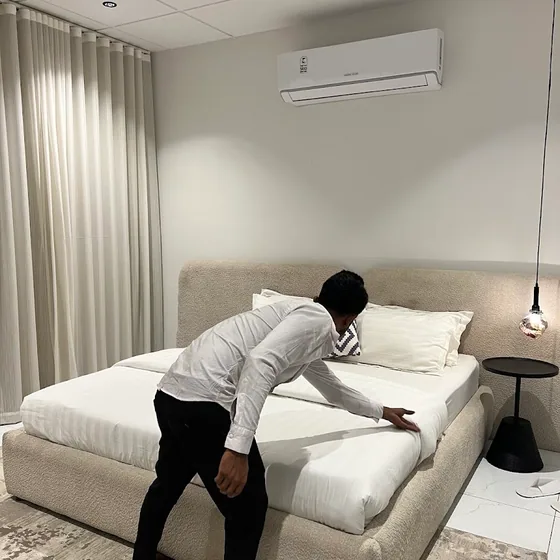
The commitment is kept simple enough to hold to: we do not call an area finished until someone on your side has seen it and agreed.
We look at the job and agree the figure before any work begins, and nothing is added to it afterwards. If the scope changes during the visit we stop and ask you before carrying on.
At the end of the visit we walk the place with you. Anything you point at is redone in the same visit, not booked for another one, and at no extra cost.
We arrive when we said we would. If that becomes impossible you hear it before the appointment rather than after, because waiting without knowing how long is worse than a delay you were told about.
Everything we offer in this category, in a single visit if you need more than one.


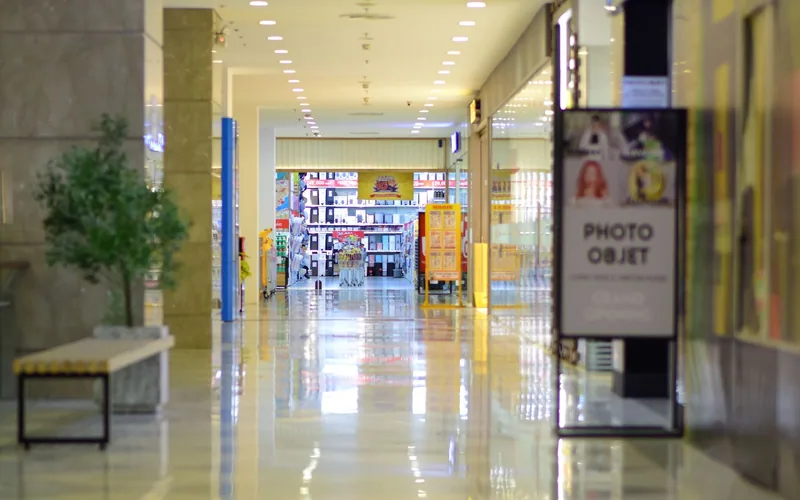

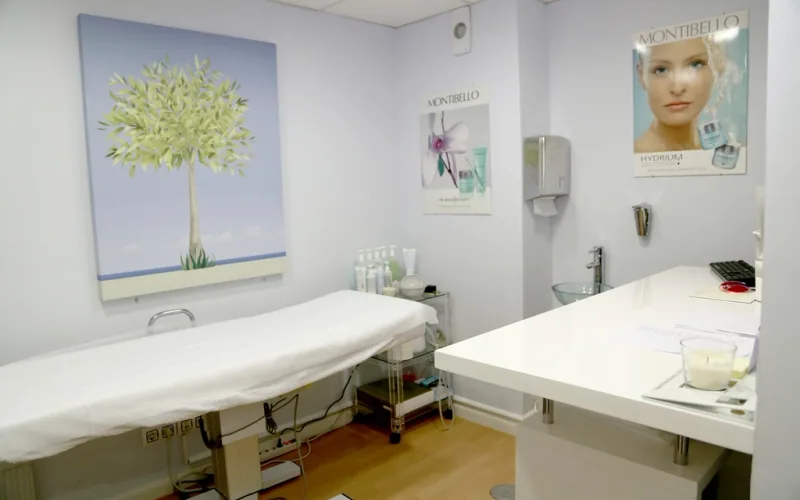

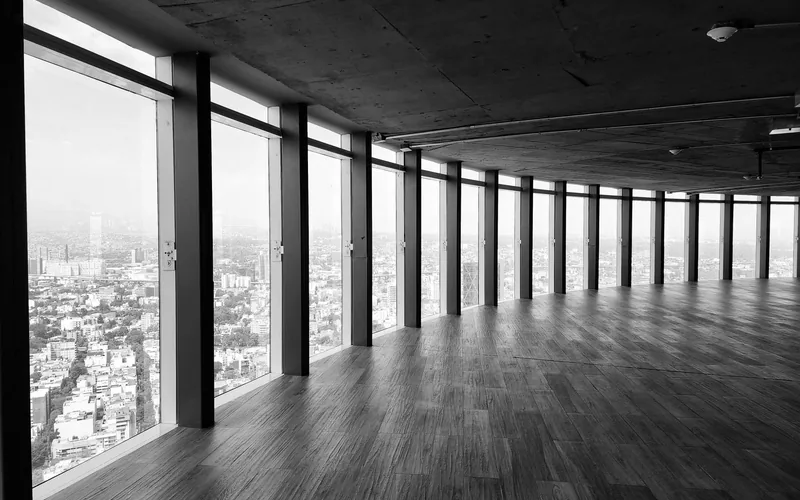
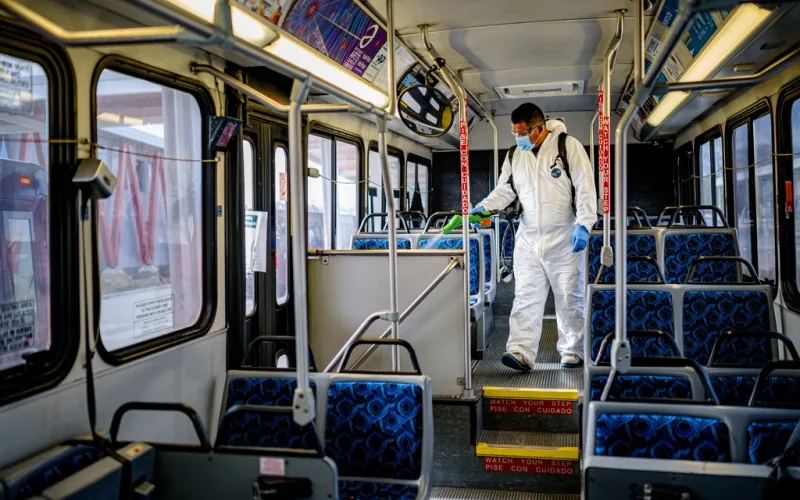
The crew and its equipment travel to you, and the price does not change with the district.
Four steps, and none of them commits you to paying before you have seen the price.
WhatsApp or a call. One photo is usually enough.
In writing, before you commit to anything. You approve it, or we adjust it.
At the agreed time, with everything the job needs.
A walk-through before we leave. The job is not closed until you are satisfied.
Send the property details and the access windows you have, and we schedule a walk-through. A scope and rate come before any team starts.