
Floor area and surface type
Sealed concrete, epoxy and bare slab don't scrub at the same rate. We measure the area and note the finish rather than guessing from a room count.
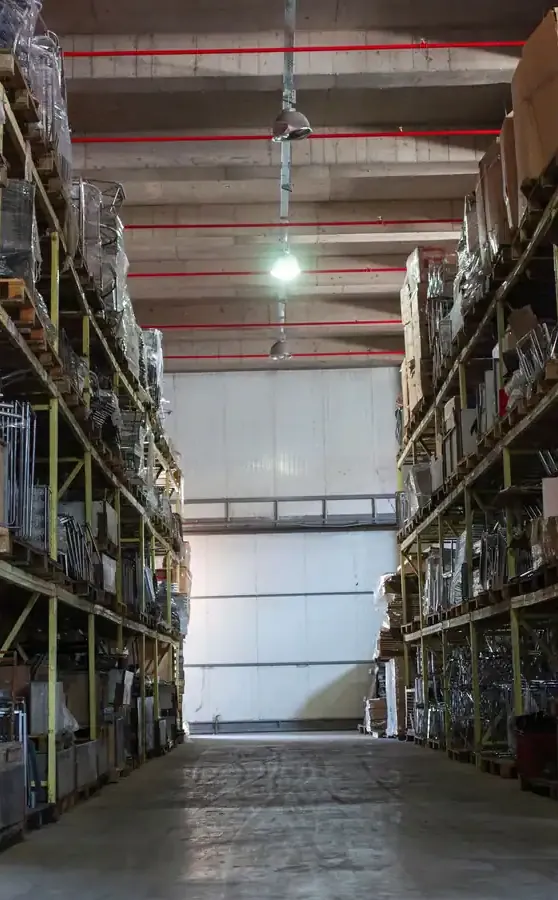
Dust in a working facility doesn't stay on the floor. Forklift traffic lifts it, air handling moves it, and it settles on racking, stored stock, light fittings and roof steel. By the time the floor lanes look dark, the high level is already coated. Reaching that needs access equipment and a crew, not a mop.
The floor is the last thing to show it, not the first. If one of these fits, it's time.
Product and packaging pick up a grey film even when wrapped. That dust came from the air, and it settles on racking and mezzanines long before you notice it underfoot.
The main traffic routes turn black while the edges stay lighter. That's ground-in rubber and dust that a mop spreads rather than lifts, and it needs a scrubber to pull out.
Roof beams, ducting and high-bay lights hold dust you can only see from a lift. Coated fittings also cut light output, so the floor gets dimmer as the buildup grows.
Loading doors, bin areas and break rooms collect food waste and packaging that draws pests. Where you see droppings or nesting, the cleaning has fallen behind the traffic.
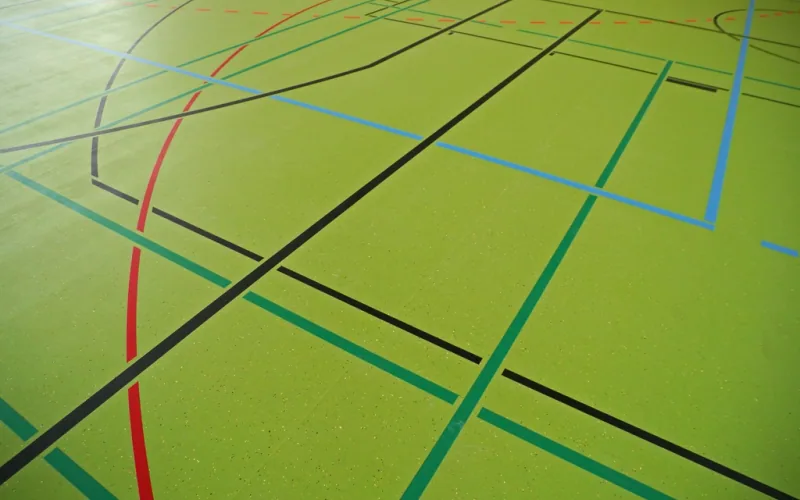
Floor markings and walkways disappear under a film of dust and tyre marks. Faded lines are a safety issue before they are a cleaning one, and they come back once the floor is scrubbed.
If nobody can say when the high level was last done, it has been longer than you think. An audit or a client visit on the calendar is the usual reason facilities call.
The second list is the one that prevents disputes, it is usually in small print, or not written at all.
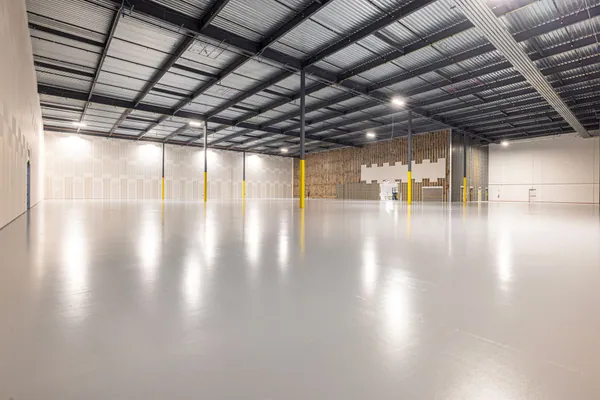
A scrubber drier lifts the dirty water straight back up instead of leaving it to dry on the concrete.
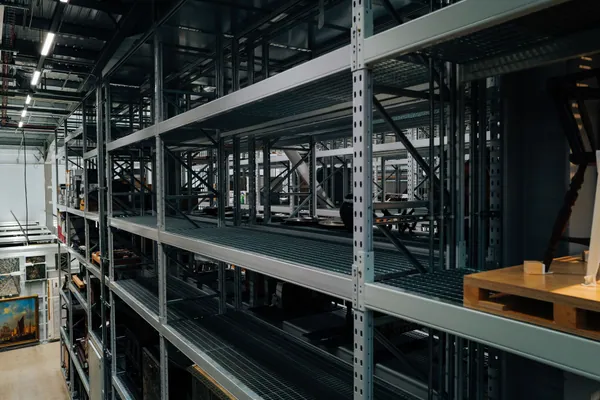
Cleaned from the top down, so dust off an upper level never lands on a shelf already finished below.
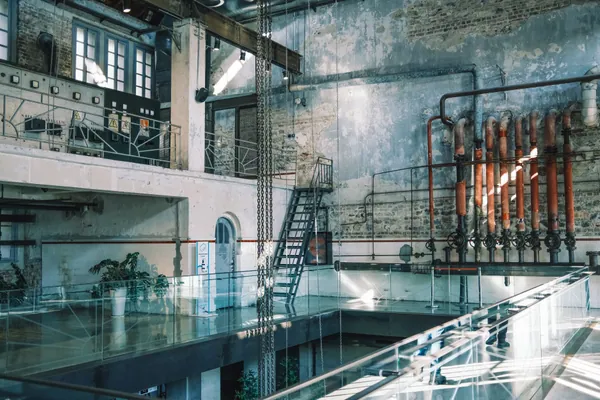
Beams, pipes and exposed ducting hold the dust that keeps dropping onto everything stored underneath them.
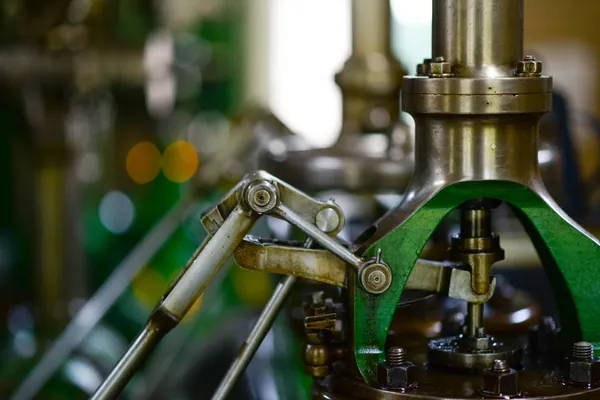
Outer casings and frames only, with nothing opened and no contact with the working parts of a machine.
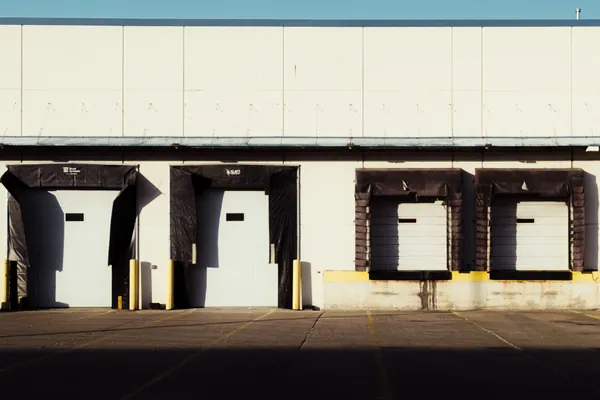
The doorway that dirt travels through on its way in, cleaned so it does not simply come back through the door.
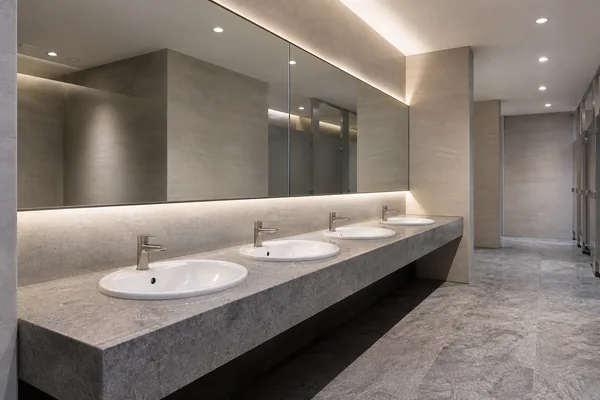
Admin offices, break rooms and washrooms are covered on the same visit rather than booked separately.
If your job needs one of these, we say so at the site visit, not after you've paid. For most of them we can point you to the right specialist even when the work isn't ours.
The order matters here. Clean the floor before the roof steel and you clean the floor twice. This is the sequence we work in.
We go through the facility with your contact, note what's in production, what can be isolated, and where lifts can and can't go. Scope and rate are fixed before anyone starts.
Areas with live machinery or forklift movement are scheduled or isolated with your team first. We don't clean around running equipment for the sake of finishing faster.
Roof steel, ducting, high lights and the tops of racking come first from access equipment. Everything dislodged up there falls, so it has to be done before the surfaces below.
Shelving, uprights and the outer surfaces of equipment are wiped down next, working down toward the floor.
Only once the dust above has been brought down do the scrubbers run. Doing it in this order means the floor is clean when we leave, not re-coated by the next pass.
We walk the site with you before the crew leaves. Anything you point out is redone on the same visit.
We do not publish a fixed figure, because cases genuinely differ. These are the factors we ask about, so you know where your job sits before you call.
Sealed concrete, epoxy and bare slab don't scrub at the same rate. We measure the area and note the finish rather than guessing from a room count.
High-level work needs lifts, and the height and how much clear floor there is to move them decides how the work is done and timed.
After-hours or between-shift work is planned around your operation. Cleaning a live floor and cleaning an empty one are not the same job.
A facility cleaned on a regular cycle is quicker than one that hasn't been touched in a long time. The second may need more than one pass, and we say so before starting.
Duct cleaning, facade or floor polishing done in the same visit costs less than separate trips, because setup and access are counted once.
Send the floor area, ceiling height and a few photos on WhatsApp, and you get an estimated rate and duration before you commit to anything.
In-house staff handle daily upkeep well. This is about the periodic deep clean, where the difference is reach and equipment, not effort.
We send a crew, not a single worker. A large floor is finished in one scheduled visit instead of being split across days that eat into your operation.
Scrubbers and access lifts arrive with the crew. No waiting on a hire that's tied up on another site.
Roof steel to floor slab handled by the same crew in the right order, so the facility is done in one coordinated pass.
If what you need is machinery servicing or a repair rather than cleaning, we tell you. A visit that isn't needed costs us trust we'd rather keep.
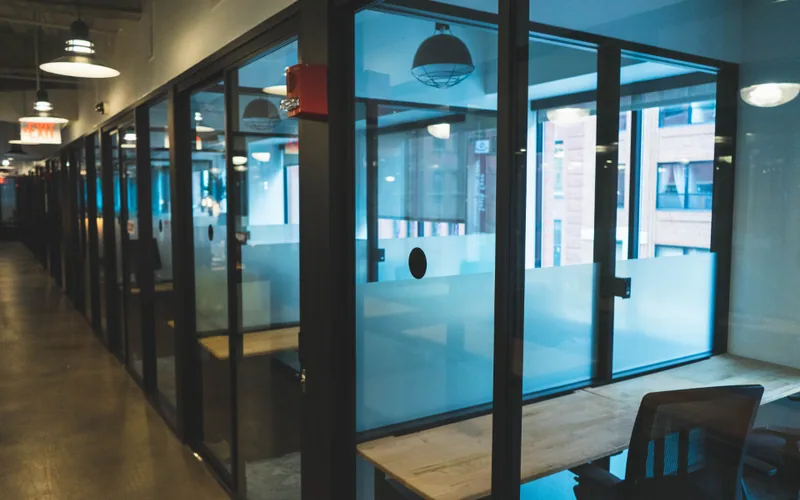
Photographs from real jobs carried out by the crew.
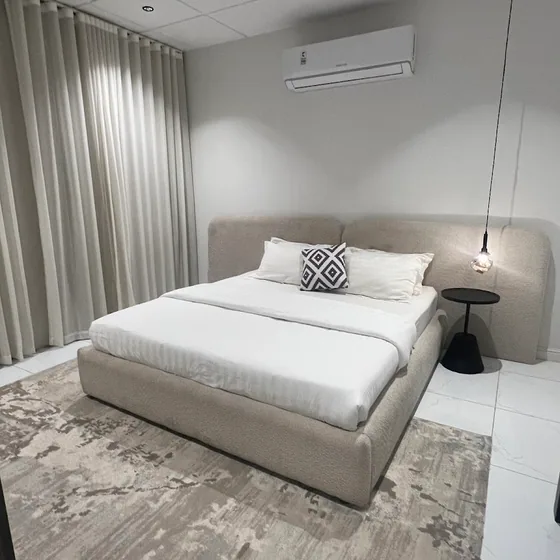
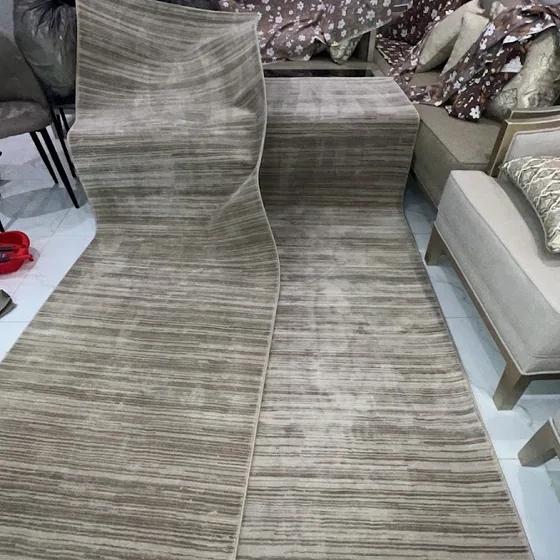
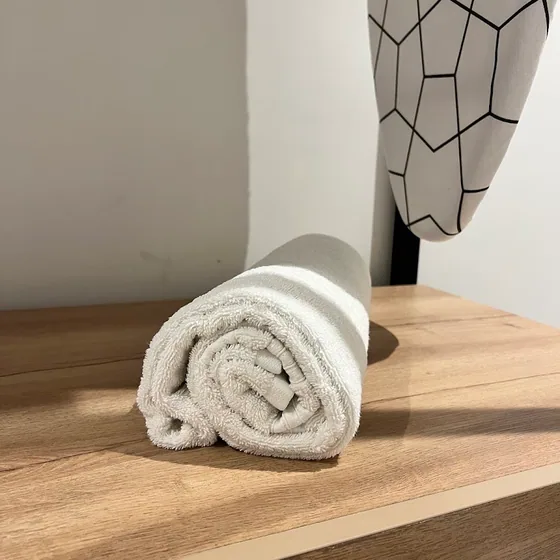
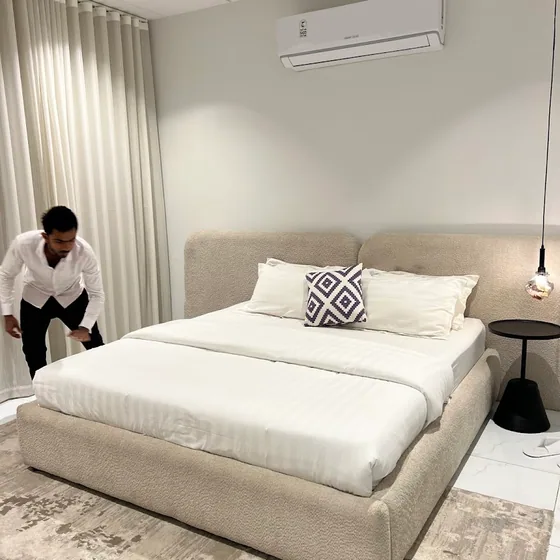
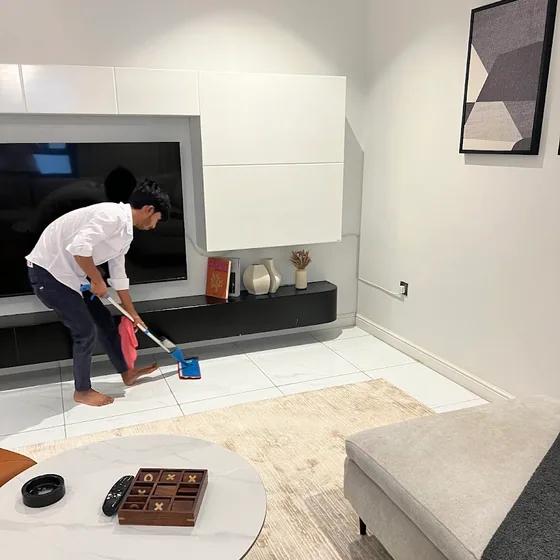
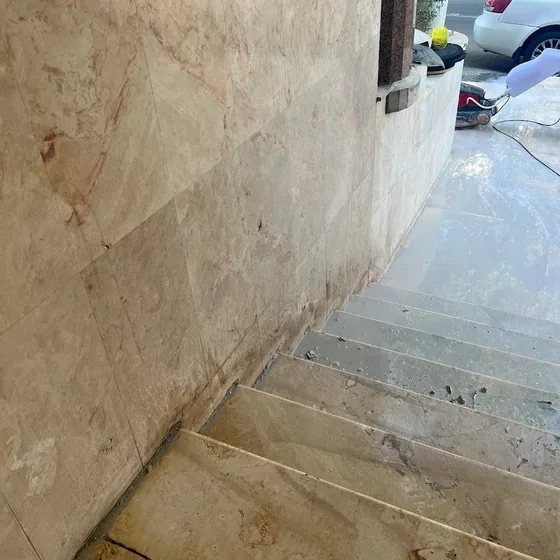
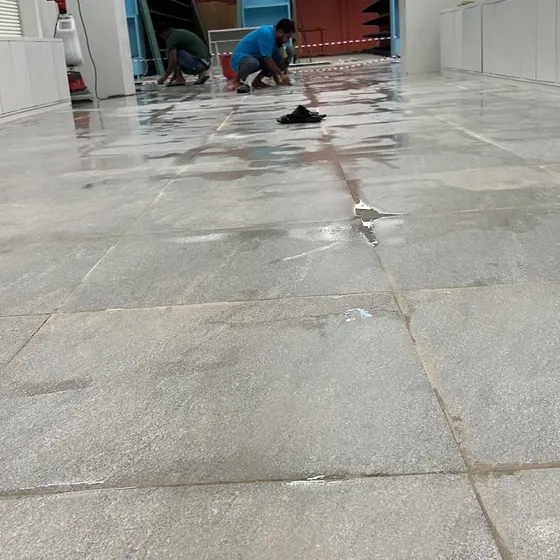
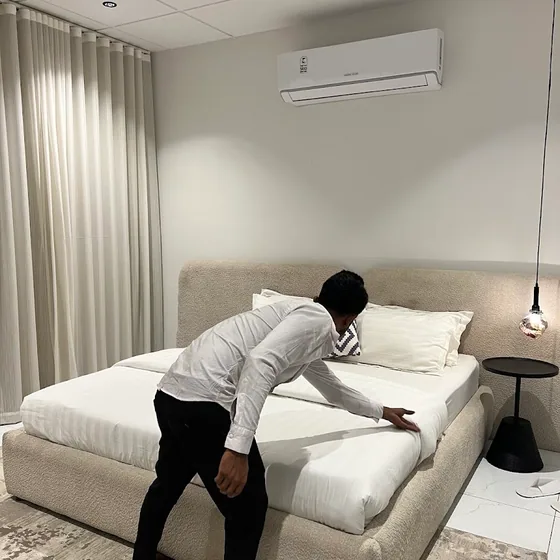
The commitment is simple enough to actually keep: we don't leave before your contact has seen the result and said what they think.
We look at the job and agree the figure before any work begins, and nothing is added to it afterwards. If the scope changes during the visit we stop and ask you before carrying on.
At the end of the visit we walk the place with you. Anything you point at is redone in the same visit, not booked for another one, and at no extra cost.
We arrive when we said we would. If that becomes impossible you hear it before the appointment rather than after, because waiting without knowing how long is worse than a delay you were told about.
Everything we offer in this category, in a single visit if you need more than one.
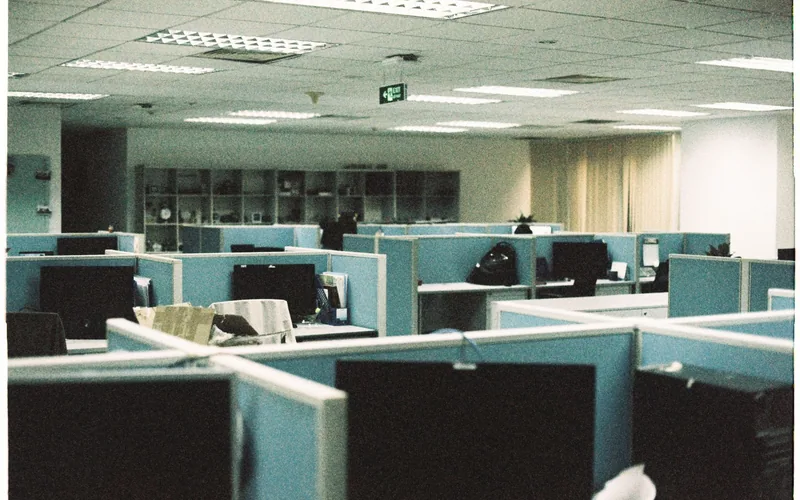
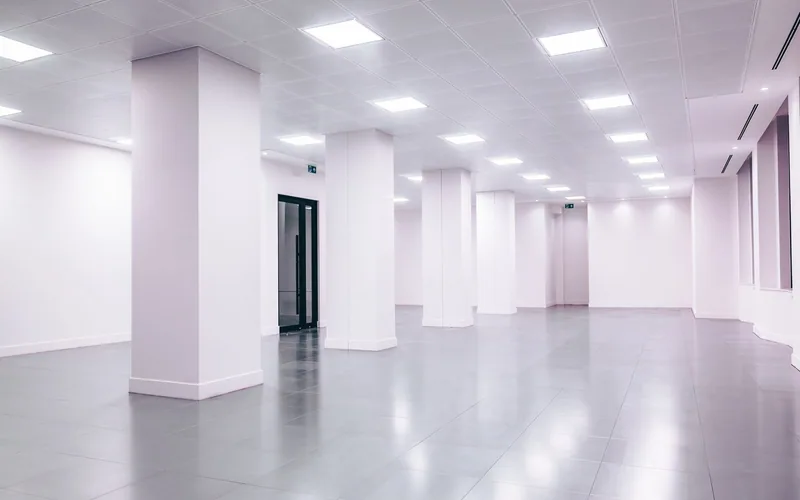
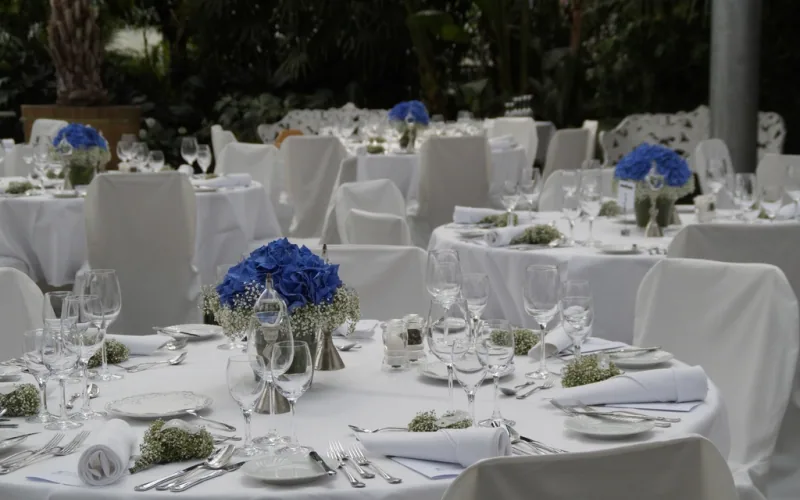
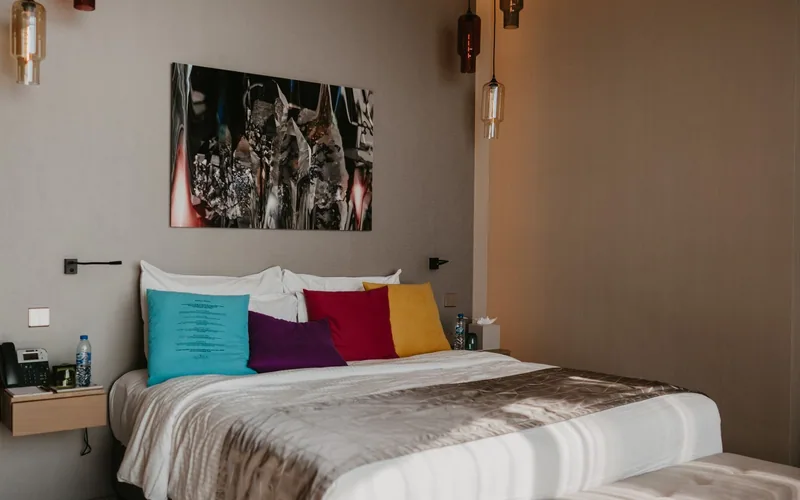

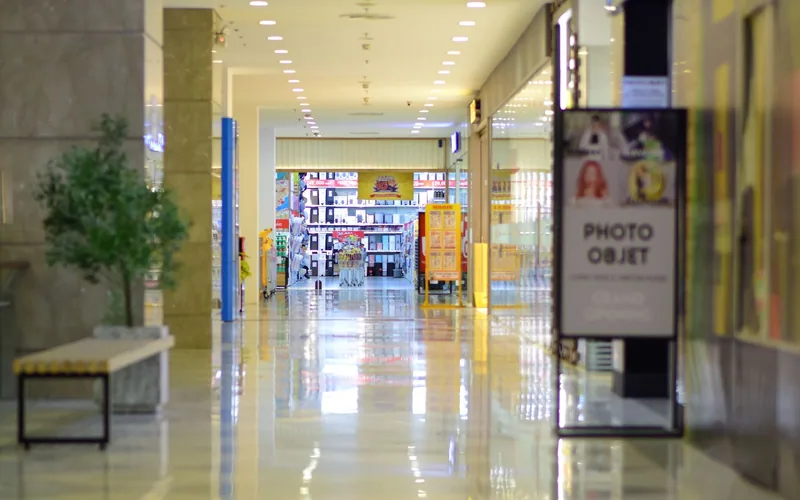


The crew and its equipment travel to you, and the price does not change with the district.
Four steps, and none of them commits you to paying before you have seen the price.
WhatsApp or a call. One photo is usually enough.
In writing, before you commit to anything. You approve it, or we adjust it.
At the agreed time, with everything the job needs.
A walk-through before we leave. The job is not closed until you are satisfied.
Send your floor area, ceiling height and a few photos, and you get an estimated rate and a schedule that fits around your shifts. Work doesn't start before you approve the number.