
Height and how we reach it
Floors reached from the ground with poles are priced differently from ones that need rope access or a cradle. The access method is the biggest single factor, and we settle it at the survey.
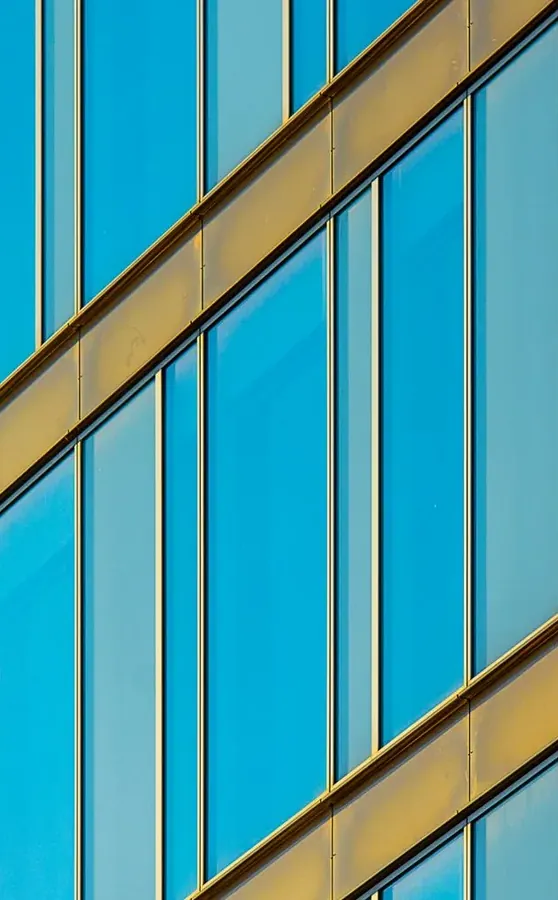
A facade in Jeddah faces the sea air before it faces the dust. Salt carried in the humidity settles on the glass and dries as a fine white film, then the dust binds to it, and the rain streaks it downward. By the time it looks dirty from the street, the film has already started to etch into the surface. A rinse from a hose does not lift this. Fed-water washing and the right technique do.
The street view is the last sign, not the first. If one of these fits your building, it is already overdue.
Salt carried in the sea humidity dries on the glass as a fine film. It is not dirt you can wipe off with a cloth, it needs the right water and technique, and left alone it begins to etch the surface.
Rain and condensation carry the film downward and leave vertical stains under window sills and ledges. These set darker over time and are the first thing visible from the street.
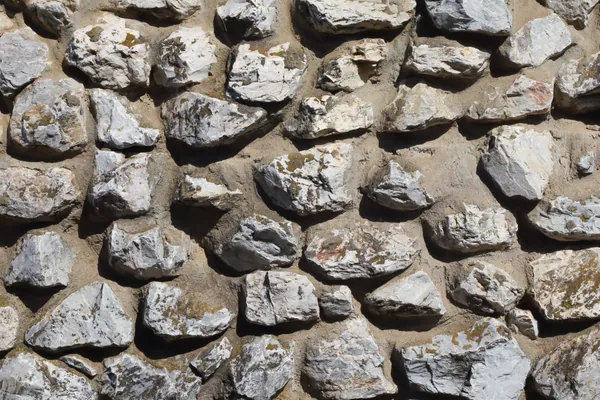
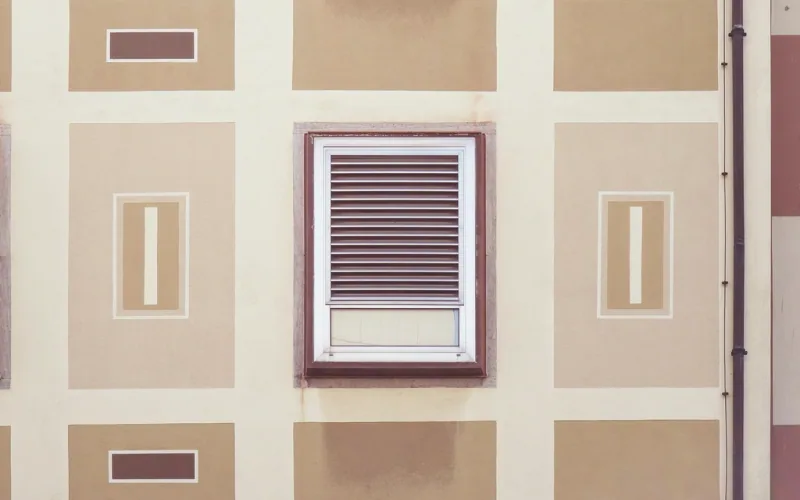
Rough stone and stamped surfaces trap dust deep in the grain. A surface wipe cleans the high points and leaves the recesses dark, so the wall reads as patchy rather than clean.
The side that stays damp and out of the sun grows a dark biological film. It spreads slowly and blends in, so it is usually missed until the two faces of the building no longer match.
The company sign is what a visitor reads first. Dust and film flatten its color and make lit signs look dim even when the lighting behind them is fine.
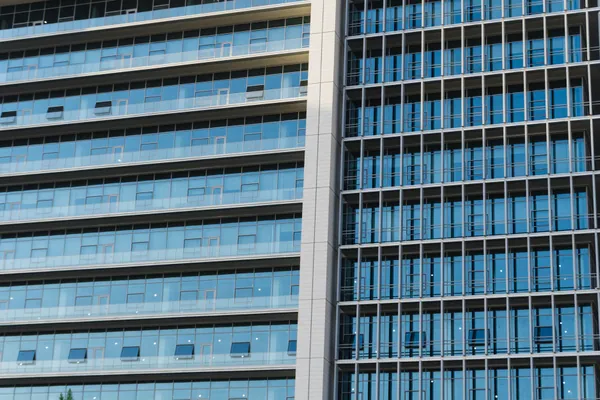
The sealant lines between panels collect grime and darken, drawing a grid across the facade. Cleaning them back is what makes the whole surface read as one again.
The second list is the one that prevents disputes, it is usually in small print, or not written at all.
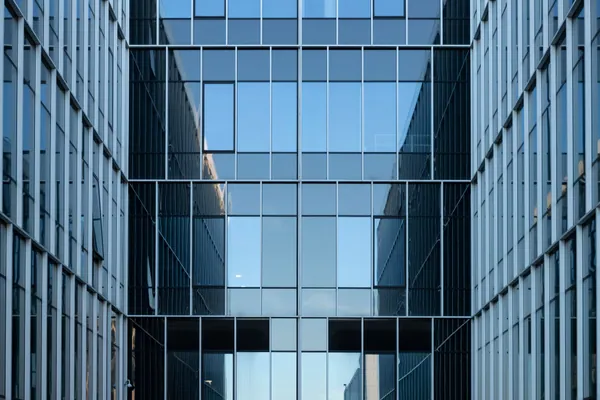
Glass, cladding, and stone each take different handling, so we identify the surface and the access route first.
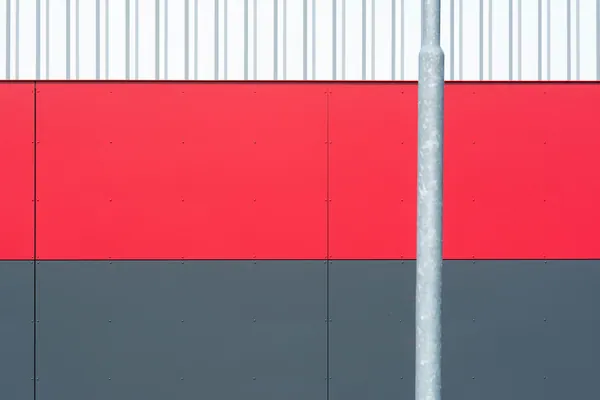
The product goes on a hidden corner first, so we see how the surface reacts before it touches the whole facade.
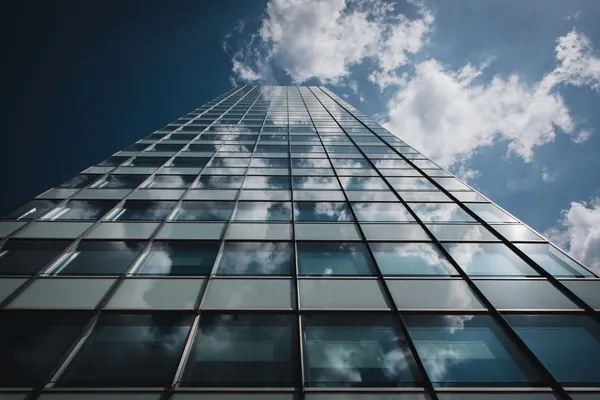
Nothing is scrubbed until the dry dust is rinsed away, because scrubbing grit into glass and paint leaves scratches.
A neutral product on glass and aluminum, something different on stone, rather than one cleaner run over everything.
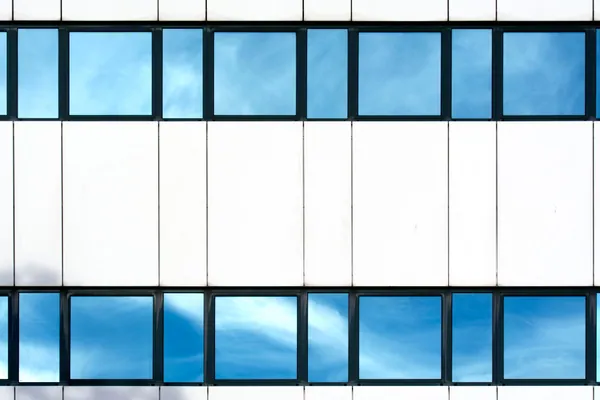
Deionized water dries off the glass without leaving the chalky spotting that tap water leaves behind.
Each gets its own product before the general rinse, since a rinse on its own will not shift them.
If your facade has one of these, we say so at the survey, not after payment. In most cases we point you to the right trade even when the work is not ours.
The order matters more than the products. Cleaning bottom-up, or scrubbing before rinsing, is what leaves a facade streakier than it started.
Glass, composite cladding, and stone are not cleaned the same way, and each floor is reached differently. We map the surfaces and the access before anyone starts.
Dirty water runs downward. Starting at the top means the runoff falls onto surfaces not yet cleaned, instead of restreaking ones already finished.
A rinse lifts the loose dust first. Scrubbing a dry, gritty surface grinds that grit into the glass and leaves fine scratches that catch the light.
The frame and the glass are washed together, so the dirt held in the frame does not wash back down over the clean pane the moment it dries.
Metal panels, composite, and stone each take a different approach and a different pressure. The joints are worked separately from the faces.
We go around the building with you before the crew leaves. Anything you point to is redone in the same visit.
We do not publish a fixed figure, because cases genuinely differ. These are the factors we ask about, so you know where your job sits before you call.
Floors reached from the ground with poles are priced differently from ones that need rope access or a cradle. The access method is the biggest single factor, and we settle it at the survey.
An all-glass tower is priced differently from a facade of stone, metal, and signage. More surface types means more methods on the same visit.
A facade cleaned on a schedule releases its film easily. One left for years may need a second pass on the set-in staining, and we say so before we start.
Runoff stains, biological film on the shaded side, or construction residue take extra work. These are priced with the rest, not sprung on you after.
Some buildings can only be worked outside business hours or at night. Scheduling around your tenants is factored in up front.
Send photos of the facade and its height on WhatsApp, along with the address, and you get an estimated price and time before you commit to anything.
It is a fair question, and a building handyman can reach the ground floor. Here is the real difference, not the sales pitch.
Reading the surfaces and the access first is not optional. A price given without seeing the building is a price that changes on site, and we would rather it did not.
We send a crew, not one worker with a ladder. A tall facade is finished in one visit instead of dragged across several.
The poles, water system, and access equipment come with the crew. No waiting because the gear is at another site.
If the facade needs sealant work or panel repair rather than cleaning, we say so. A visit that is not needed costs us more in trust than it earns.
Photographs from real jobs carried out by the crew.
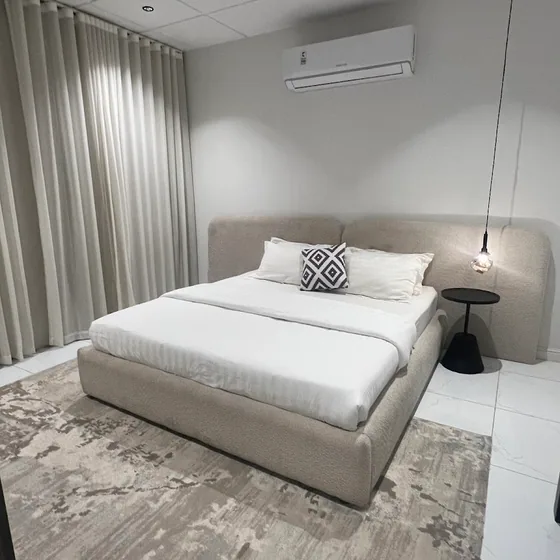
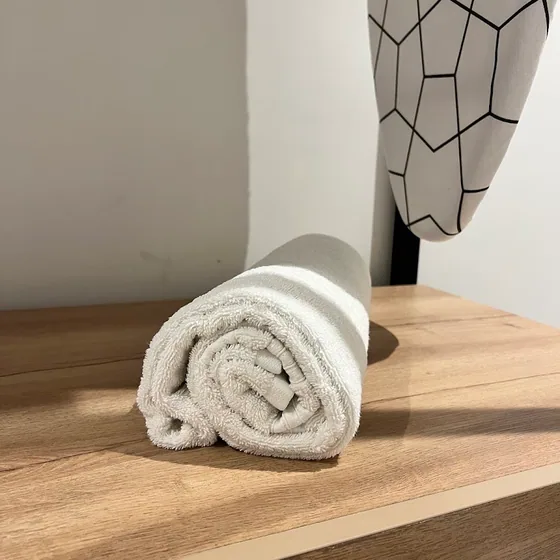
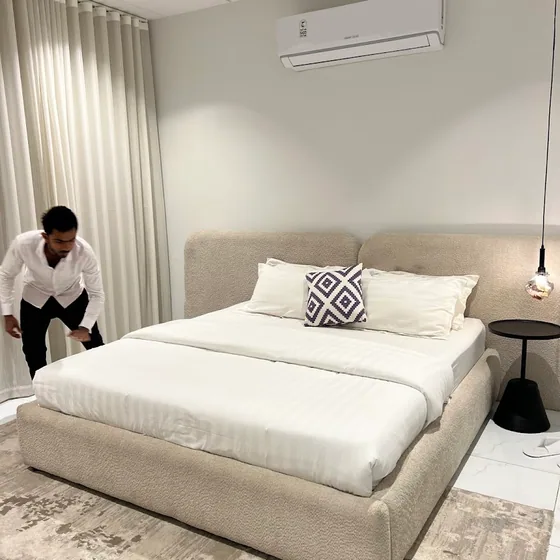
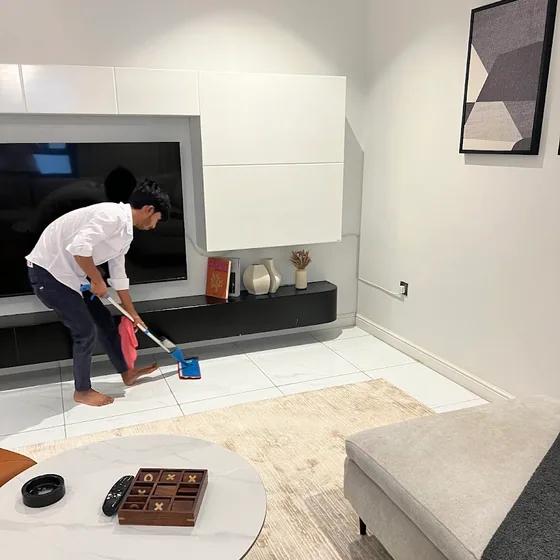
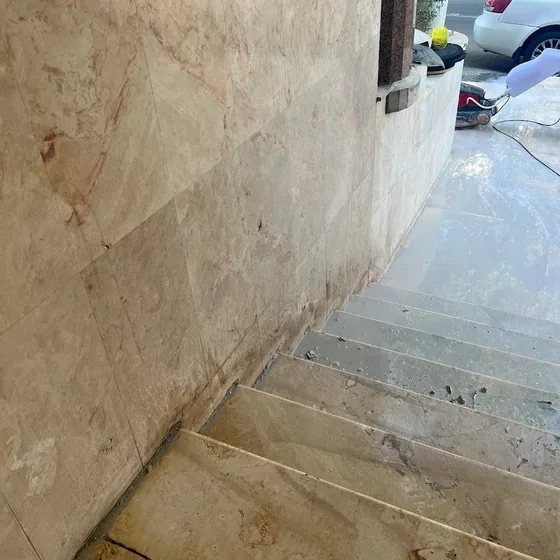
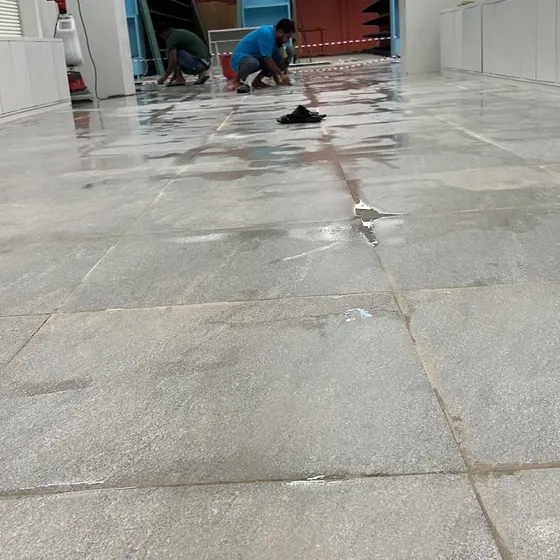
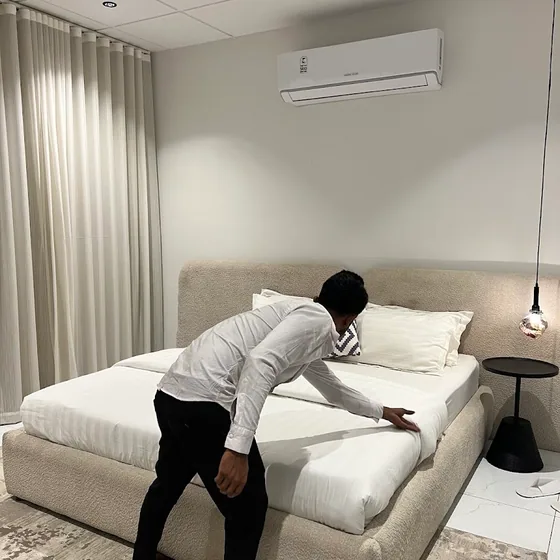
The commitment is simple enough to actually keep: we do not leave before you have walked the facade and given your view on it.
We look at the job and agree the figure before any work begins, and nothing is added to it afterwards. If the scope changes during the visit we stop and ask you before carrying on.
At the end of the visit we walk the place with you. Anything you point at is redone in the same visit, not booked for another one, and at no extra cost.
We arrive when we said we would. If that becomes impossible you hear it before the appointment rather than after, because waiting without knowing how long is worse than a delay you were told about.
Everything we offer in this category, in a single visit if you need more than one.

The crew and its equipment travel to you, and the price does not change with the district.
Four steps, and none of them commits you to paying before you have seen the price.
WhatsApp or a call. One photo is usually enough.
In writing, before you commit to anything. You approve it, or we adjust it.
At the agreed time, with everything the job needs.
A walk-through before we leave. The job is not closed until you are satisfied.
Send the address, the height, and photos of the facade, and you get an estimated price and the available time. No work starts before you agree the number.