
The area and the mix of surfaces
Concourse marble, food-court hard floor, and restrooms are different jobs. We measure the areas and their types rather than quoting a flat rate.
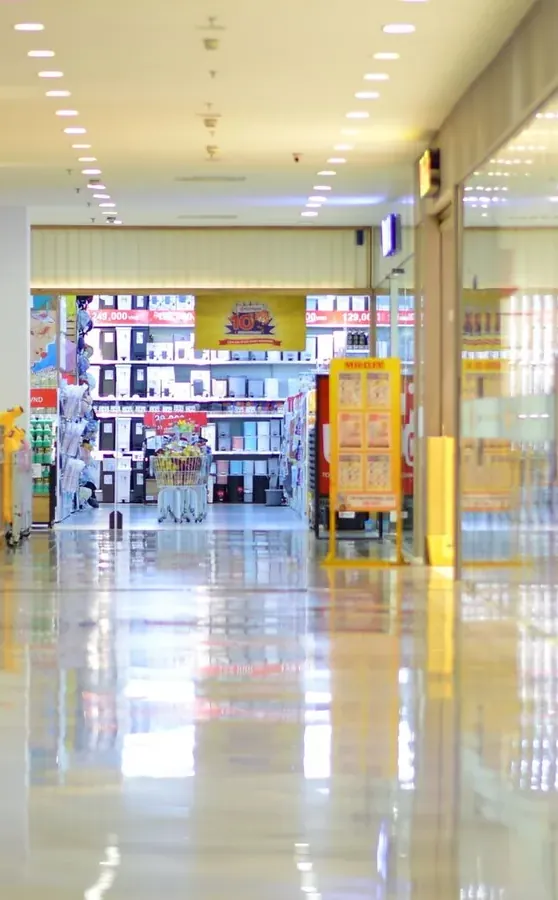
A mall's common areas take more footfall in a day than most buildings take in a month, and it shows in the same few places: the traffic lanes worn into the marble, the food-court floor that turns sticky by evening, the restrooms during a busy weekend, the glass every hand touches. The floor covers more ground than anything else a visitor sees, and it is the first thing to look tired.
The daily crew keeps the floor walkable through trading hours. Some things build up past that. If one of these is familiar, it is time for a deep pass.
The main walkways lose their shine while the edges keep it, so the floor reads as two different colours. That is worn polish, not surface dirt, and buffing alone does not bring it back.
Spilled drinks and food work into the grout and the floor texture. By evening it is tacky underfoot because mopping spreads the sugar rather than lifting it.
High-use restrooms build up in the grout, the drains, and behind the fittings faster than a routine wipe can hold. When the smell lingers, those are the areas that need deep work.
Every hand touches the glass railings and the entrance doors. The faces get wiped; the edges, frames, and low panels are where the marks collect.
The strip beside the moving steps and the comb plates collect black grime that a floor mop never reaches. It is one of the first details a regular visitor notices.
Dust settles on signage, ledges, and light fittings above head height where no routine clean goes, then drifts back down onto the floor you just cleaned.
The second list is the one that prevents disputes, it is usually in small print, or not written at all.
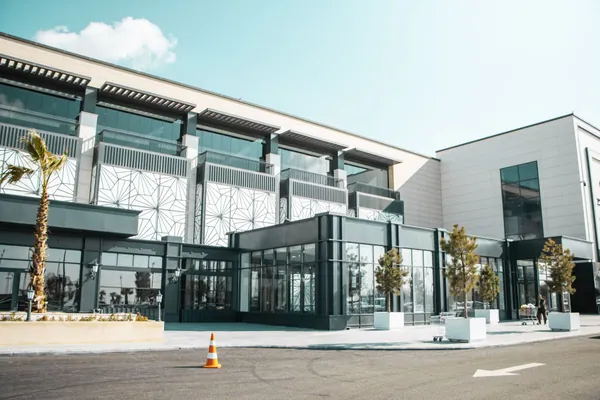
Doors, glass and the entrance floor go on a repeat schedule: first thing a visitor sees, fastest thing to mark.
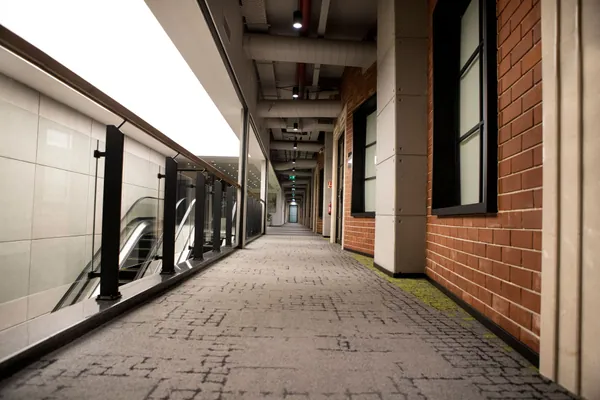
Tile and marble along the heavy traffic lanes, including the dark lines a quick mop leaves behind.
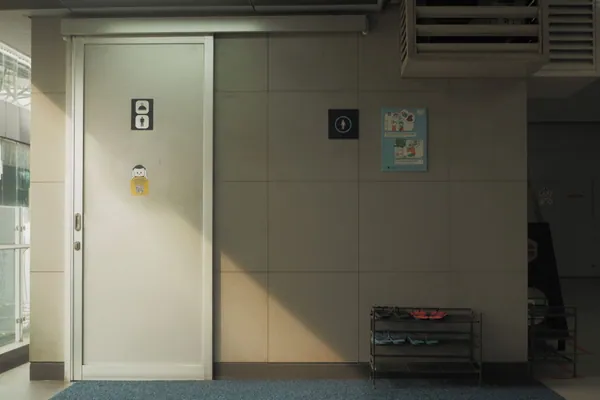
Disinfected, aired and restocked through the shift, because use never stops and visitors judge the whole mall on them.
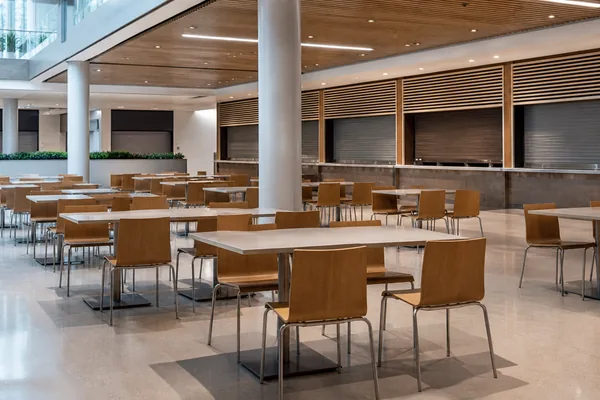
Tables, floor and bins in the eating areas, where spills and leftovers build up faster than anywhere else.
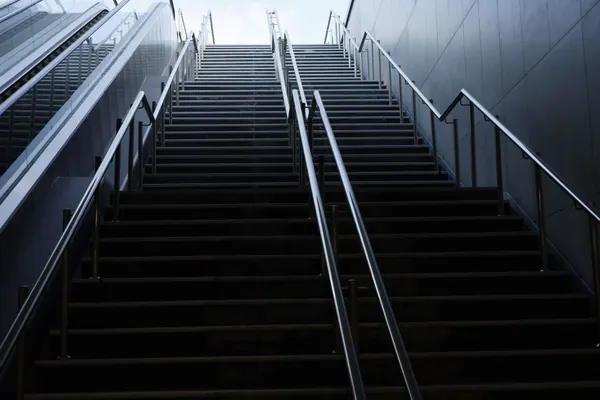
Handrails, steps and call buttons, the surfaces hands reach for and a general floor clean passes by.
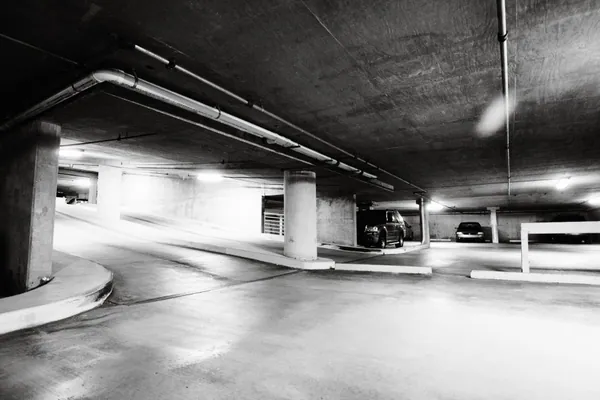
Floors swept, oil marks lifted off the parking bays, and the entry and exit lanes kept clean.
If the site needs one of these, we say so during the walk-through, not after an invoice. In most cases we point you to the right trade even when the work is not ours.
In a trading building the order and the timing matter as much as the work. Get them wrong and you block a walkway during opening hours. This is how we sequence it.
The concourses, food court, restrooms, and entrances, zone by zone. We note the worn floor lanes, the high-use restrooms, and what the routine clean is not reaching.
Floor refinishing and anything that needs a walkway shut happens after trading, so no visitor crosses a wet or blocked floor during opening.
Signage, ledges, and fittings above head height first, so the dust that falls lands before the floor is cleaned, never after.
The two areas that build up fastest get separate, focused attention rather than being folded into a general pass.
Marble refinished and hard floors scrubbed once the dust above is down, working one zone at a time so a route stays open through the building.
We go through the zones with your facilities manager. Anything flagged is redone in the same visit before the team leaves.
We do not publish a fixed figure, because cases genuinely differ. These are the factors we ask about, so you know where your job sits before you call.
Concourse marble, food-court hard floor, and restrooms are different jobs. We measure the areas and their types rather than quoting a flat rate.
Heavy work happens after close, and the length of the closed window sets how much can be done in one visit. Overnight and tight windows change the time it takes.
Marble refinishing, hard-floor scrubbing, and escalator work each need different machines and time. A site that is mostly stone is a different job from one that is mostly tile.
Areas on a regular cycle are quicker than ones left for a long stretch, which may need more than one pass. We flag which is which before starting.
Doing floors, restrooms, and escalators in one scheduled visit costs less than separate call-outs, because access and setup are handled once.
Send the site details, the common areas, their surfaces, and your trading hours, and we schedule a walk-through, then a scope and rate before anything is committed.
The daytime crew keeps the common areas walkable and this does not replace them. The two do different jobs. Here is where the line falls.
The company runs a large crew, and we send a team, not one person. A full concourse or food court is finished inside one overnight window instead of spilling into trading hours.
Marble refinishing and scrubbing machines come with the team, so the work is not held up waiting on gear that is out with another client.
Floors, restrooms, glass, and escalators are handled by one team, so you are not coordinating separate contractors across the same building.
Nothing is called finished until your facilities manager has walked it. What is flagged is redone before we leave, so sign-off means the area is ready to open.
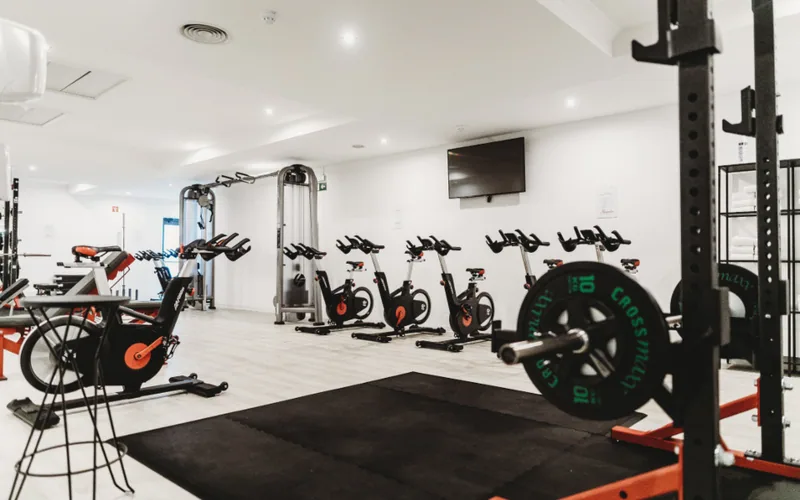
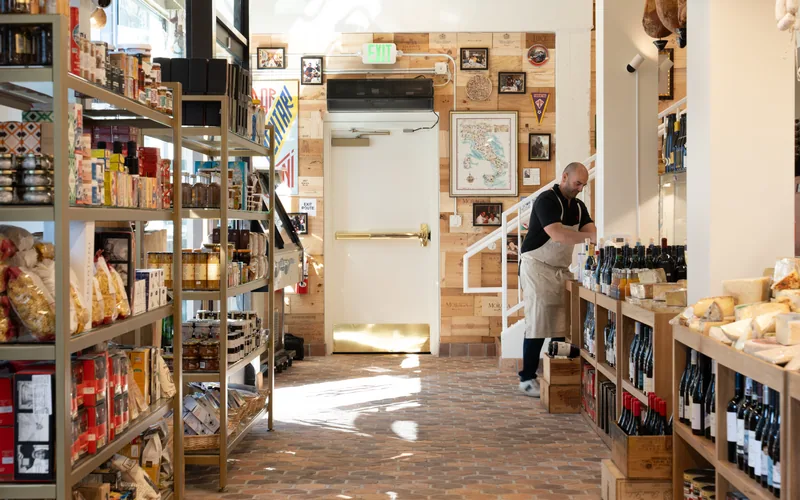
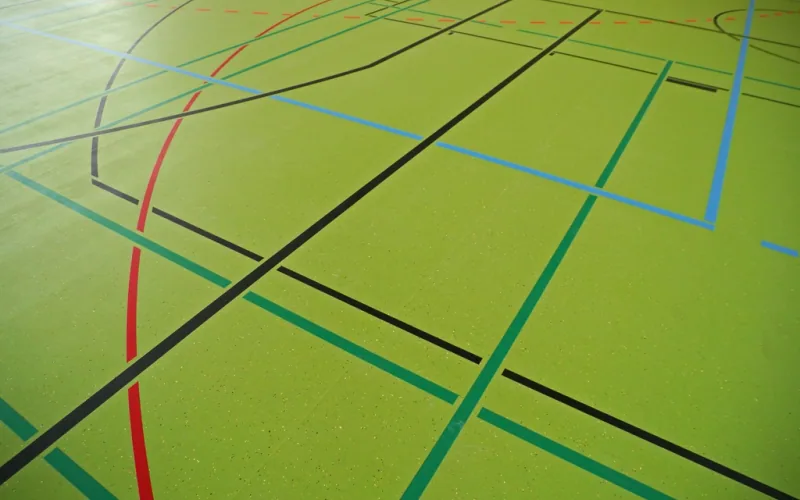
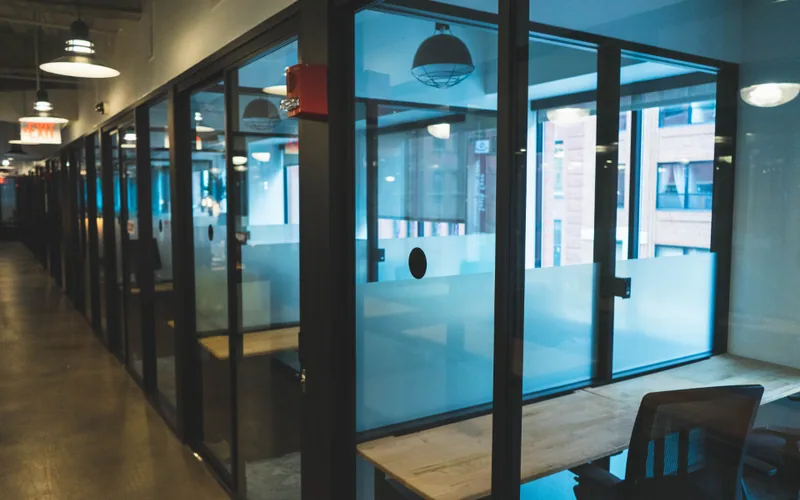
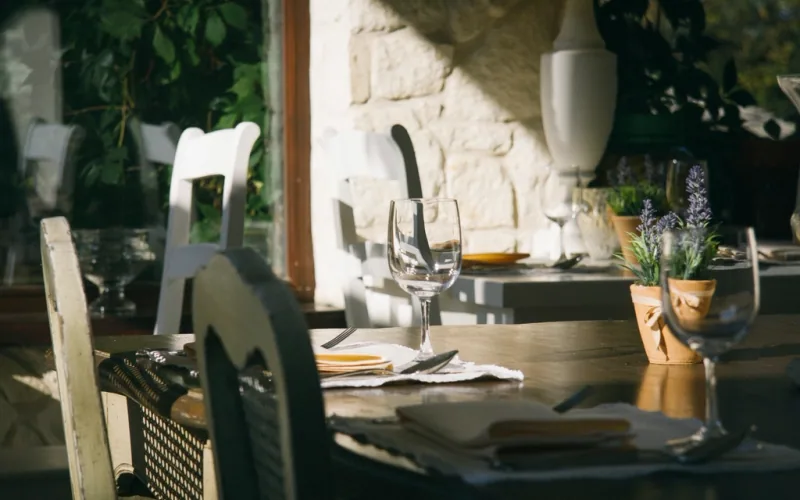
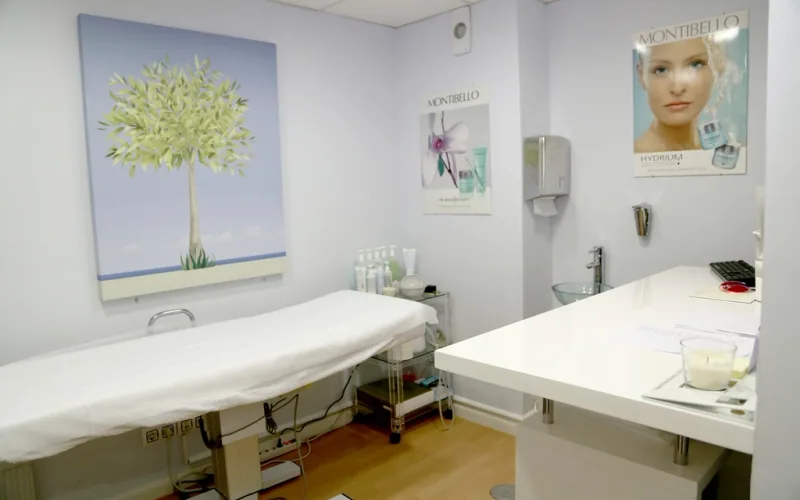
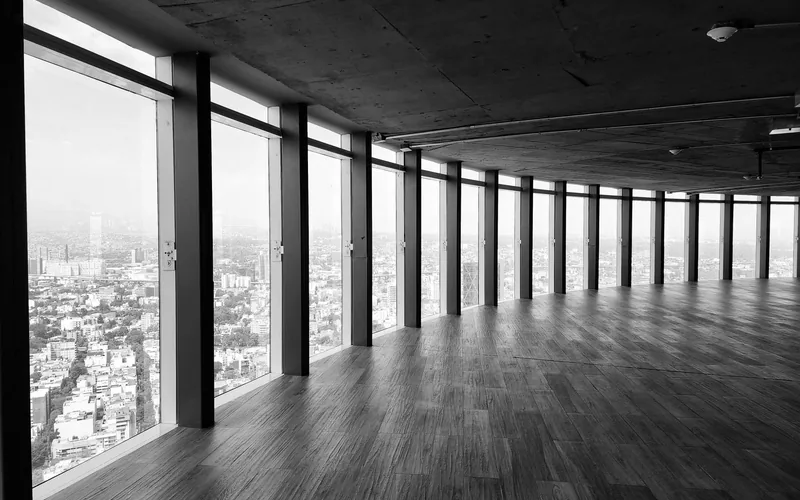
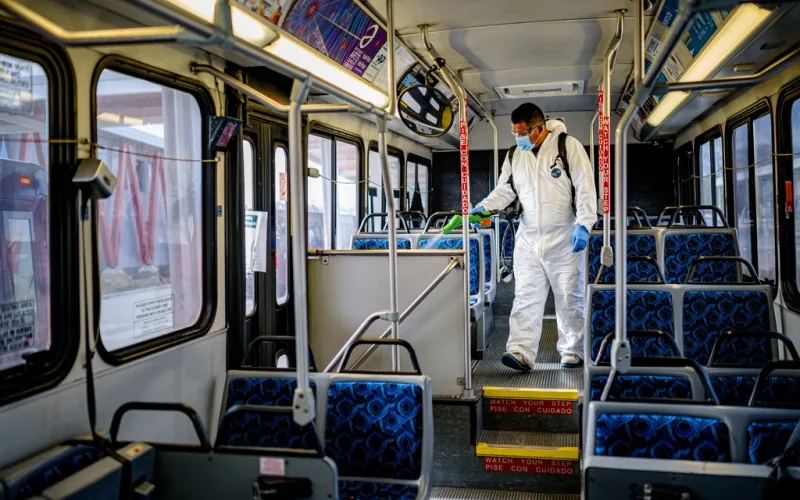
Photographs from real jobs carried out by the crew.


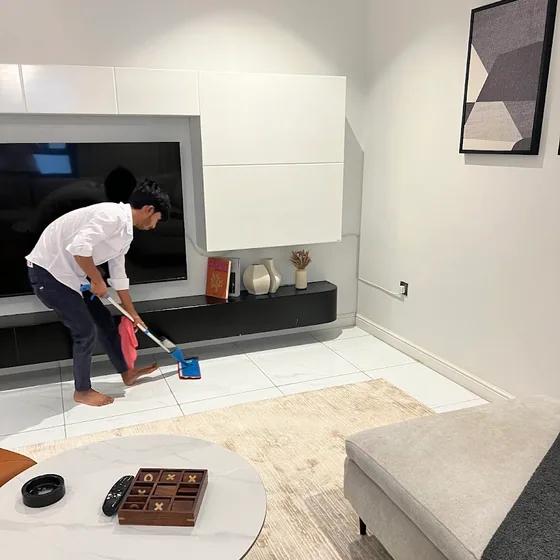
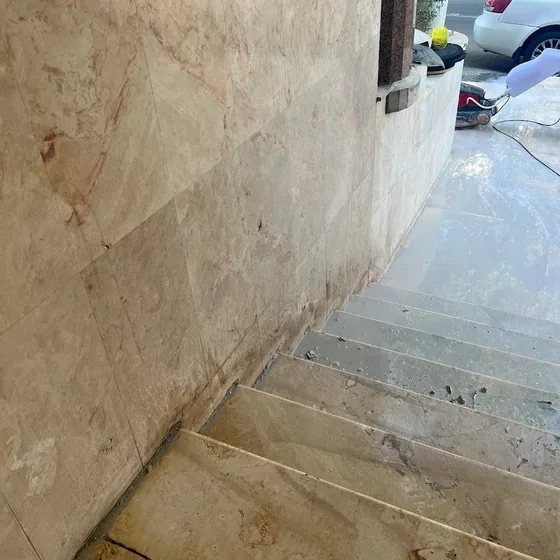
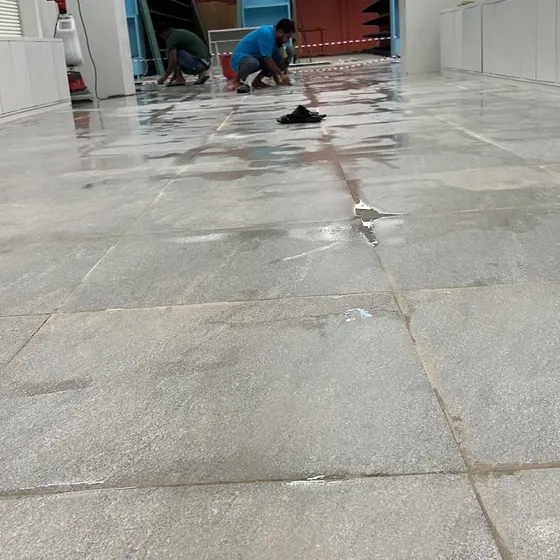
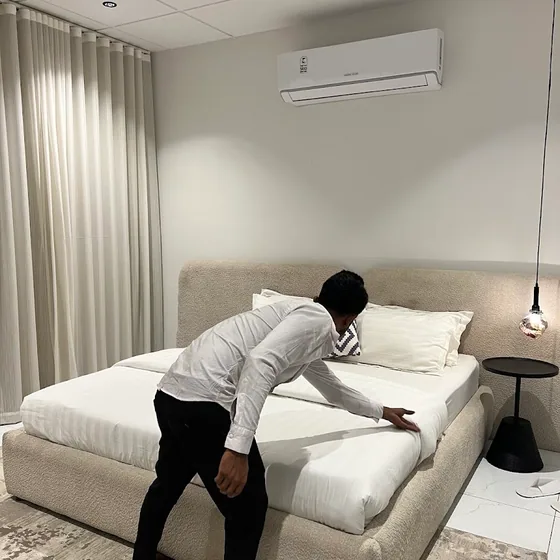
The commitment is kept simple enough to hold to: we do not call a zone finished until someone on your side has seen it and agreed it is ready to open.
We look at the job and agree the figure before any work begins, and nothing is added to it afterwards. If the scope changes during the visit we stop and ask you before carrying on.
At the end of the visit we walk the place with you. Anything you point at is redone in the same visit, not booked for another one, and at no extra cost.
We arrive when we said we would. If that becomes impossible you hear it before the appointment rather than after, because waiting without knowing how long is worse than a delay you were told about.
Everything we offer in this category, in a single visit if you need more than one.




The crew and its equipment travel to you, and the price does not change with the district.
Four steps, and none of them commits you to paying before you have seen the price.
WhatsApp or a call. One photo is usually enough.
In writing, before you commit to anything. You approve it, or we adjust it.
At the agreed time, with everything the job needs.
A walk-through before we leave. The job is not closed until you are satisfied.
Send the site details and your trading hours, and we schedule a walk-through. A scope and rate come before any team starts.