
Site size and number of zones
A single shop and a warehouse with a kitchen and a loading bay are different jobs. We scope the areas that need covering, because pests don't respect a floor-area number.
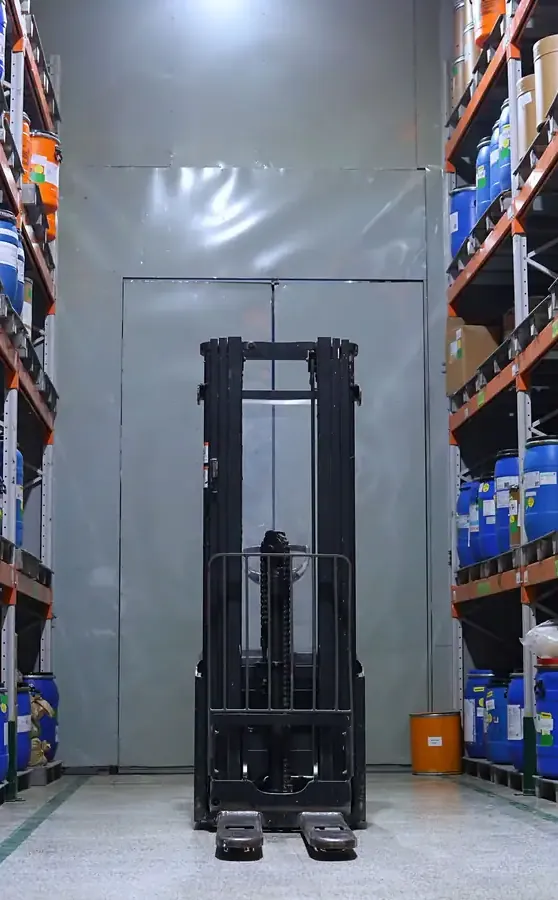
In a business, a pest problem is never just a nuisance. One sighting in front of a customer, or one note on an inspection, costs more than the pests ever will. Commercial control isn't a spray and a goodbye, it's finding how they get in, closing it off, and watching the site so it stays closed.
By the time a pest is seen in daylight, the ones you don't see are already established. If any of these is familiar, the site needs a plan, not a single visit.
Rodents run the edges of a room, so their droppings show up along skirting and behind stock first. A trail there means activity, not a stray visitor.
Chewed boxes, gnawed cable and shredded packing are how rodents give themselves away before you see one. Damaged wiring is a fire risk too, not just a stock loss.
Cockroaches move at night. If staff opening up in the morning see them scatter, the daytime population is a fraction of what's actually there.
Waste areas and delivery doors are the front door for most pests. Grease, spillage and a propped door are an open invitation.
Rodents leave dark, greasy smears along the routes they run every night. Following those lines tells us where they travel and where they nest.
A comment from a customer, or a complaint from staff, means the problem is already visible. In a business that's the point where it starts costing reputation.
The second list is the one that prevents disputes, it is usually in small print, or not written at all.

Before any product is used, we trace how pests are getting in and where they breed, starting at the delivery doors.
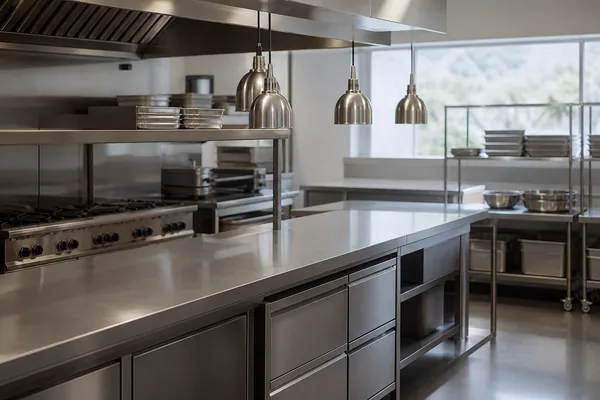
Commercial kitchens are the most sensitive zone, so placements and materials are chosen for work near food, not a broad spray.
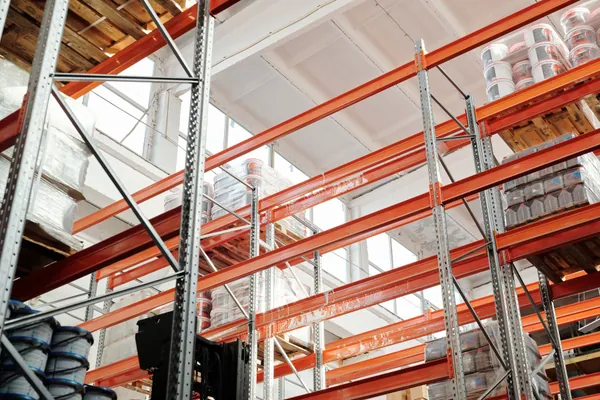
Behind the shelving and under the pallets, where rodents and insects hide away from the daily traffic.
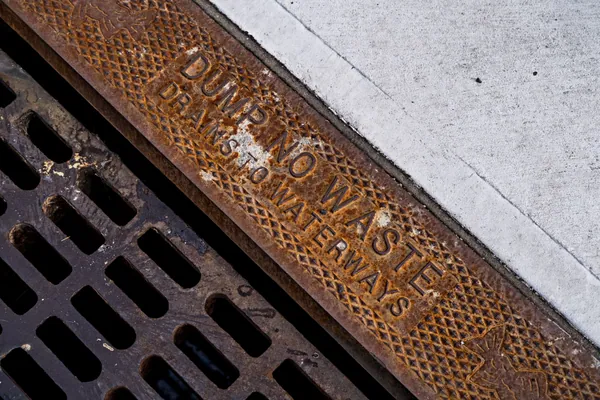
Floor drains and damp corners are where breeding starts, so treating them cuts the cycle at its source.
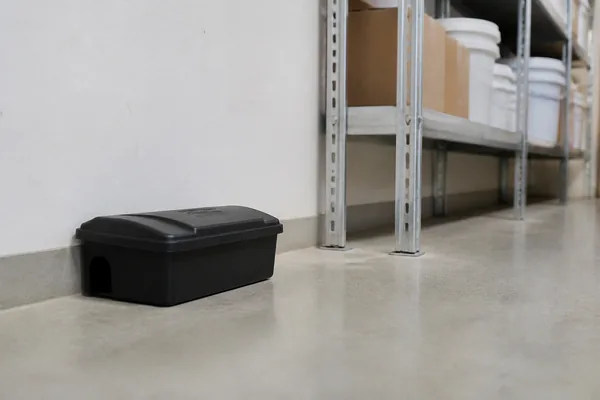
Stations are set along the runs the rodents use, their positions recorded and checked on each visit to measure activity.

A written record of the points treated and the products used stays with you for inspections and for the next visit.
If what you need is a repair or a deep clean before control can work, we say so at the inspection. Treating a site that's feeding pests faster than we can control them wastes your money, and we won't pretend otherwise.
The spray is the smallest part. What keeps pests out is the order of steps around it, skip the inspection and you're just treating symptoms.
Different pests need different methods, and the wrong one just scatters them. We identify what's there and how heavy it is before choosing anything.
Where they get in and where they hide matters more than where they're seen. We trace the routes and the nesting spots, because that's what the treatment has to reach.
Gel, bait, residual or trapping, each pest and each area calls for a different approach, and food zones call for food-safe application. We use the one that fits, not one blanket spray for everything.
Bait and monitor points go in at the routes and harborage, recorded on a map. They tell us at the next visit whether activity is dropping or moving, so the plan adjusts to what's really happening.
What we found, what we used and where, and what changed since last time, written down each visit. That record is what an inspector wants to see, and what tells us the plan is working.
Control isn't one visit. We set the next check on a frequency that matches your risk, and adjust it as the monitoring shows activity falling.
We do not publish a fixed figure, because cases genuinely differ. These are the factors we ask about, so you know where your job sits before you call.
A single shop and a warehouse with a kitchen and a loading bay are different jobs. We scope the areas that need covering, because pests don't respect a floor-area number.
A few ants and an entrenched rodent problem need different plans and different visit frequencies. We match the effort to what the inspection actually finds.
A monthly check and a weekly one are scoped differently for a reason. High-risk sites like food businesses need closer intervals, and that's set to your risk, not a default.
A basic record is standard, but sites that answer to health inspectors or auditors need more detail. We scope the reporting to what your compliance actually requires.
Cold stores, height, sealed food areas and out-of-hours access all change the work. We factor them in at the survey so nothing shows up as an extra later.
Tell us your site type and what you're seeing, photos of any droppings, damage or sightings help, on WhatsApp, and you get a scope and an estimate before any visit is booked.
A single spray has its place for a minor, one-time issue. For a business that can't afford it coming back, here's the real difference.
Mapped monitoring stations mean the next visit reads real data, not a guess. Activity gets caught while it's small, before it becomes a callout.
Larger sites, a warehouse, a kitchen and the areas around them, get covered in one visit instead of one person working a corner at a time.
The plan comes from your building's own entry points, layout and risk areas. A restaurant and a stockroom don't get the same sheet.
If a drain, a door or a wall is letting pests in, we say so. No amount of spray fixes a gap that should be sealed, and we won't sell you visits instead of the truth.
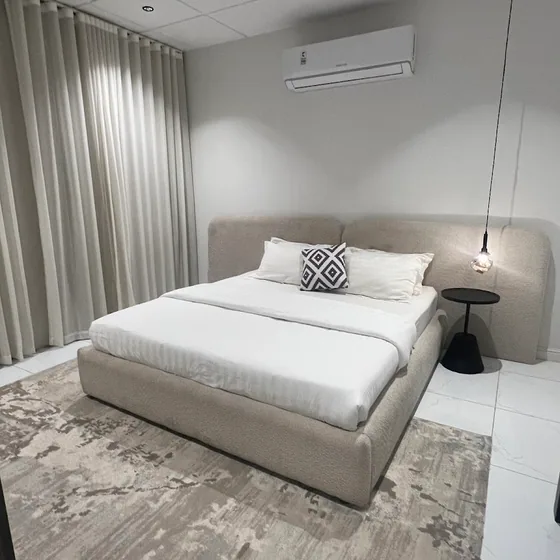
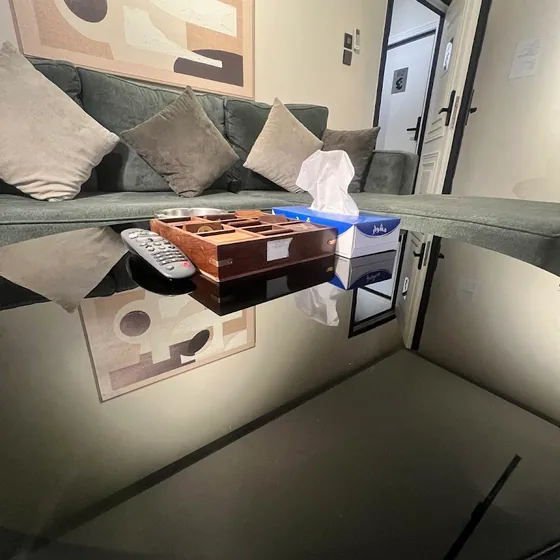
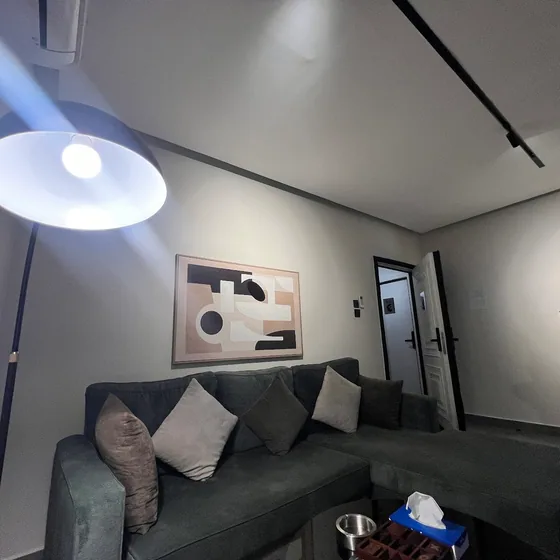
Photographs from real jobs carried out by the crew.


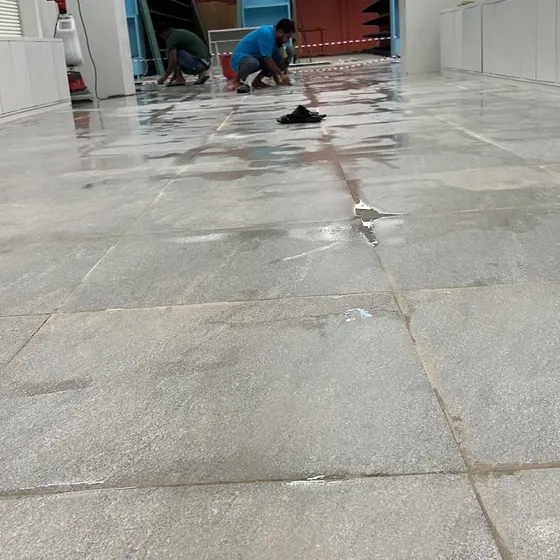
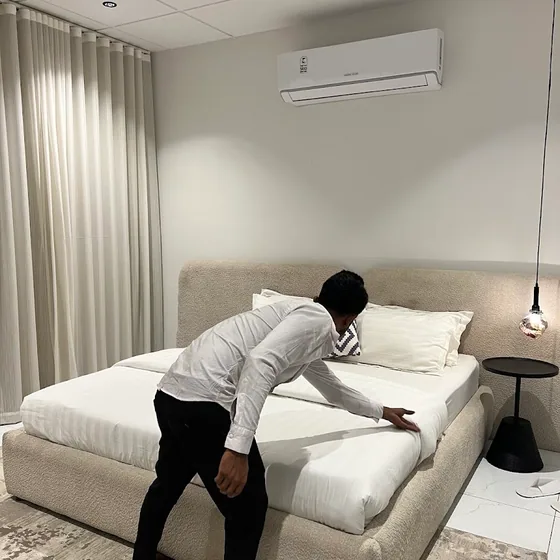
The commitment is simple enough to hold to: you know what we found and what the plan is before any treatment, and every visit is documented so you can check it's working.
We look at the job and agree the figure before any work begins, and nothing is added to it afterwards. If the scope changes during the visit we stop and ask you before carrying on.
At the end of the visit we walk the place with you. Anything you point at is redone in the same visit, not booked for another one, and at no extra cost.
We arrive when we said we would. If that becomes impossible you hear it before the appointment rather than after, because waiting without knowing how long is worse than a delay you were told about.
Everything we offer in this category, in a single visit if you need more than one.
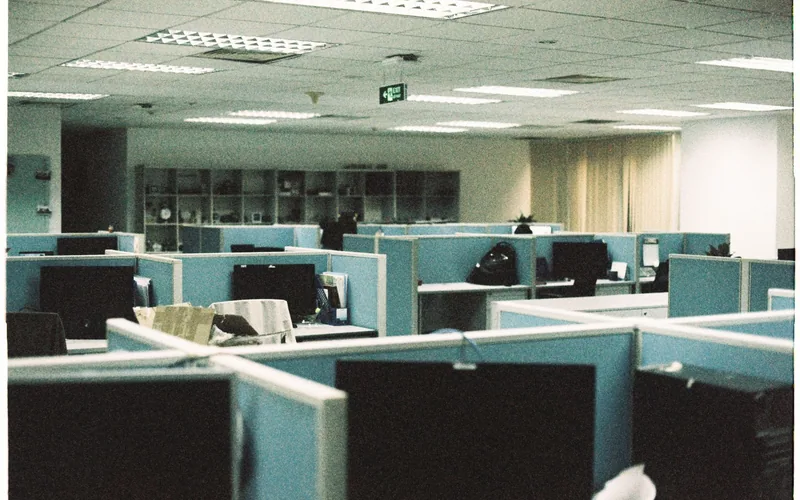





The crew and its equipment travel to you, and the price does not change with the district.
Four steps, and none of them commits you to paying before you have seen the price.
WhatsApp or a call. One photo is usually enough.
In writing, before you commit to anything. You approve it, or we adjust it.
At the agreed time, with everything the job needs.
A walk-through before we leave. The job is not closed until you are satisfied.
Tell us your site type and what you're seeing, and you get a scope and an estimate before any visit is booked. No treatment starts until the plan and the price are agreed.