
Size of the kitchen and the front of house
A small line is a different job from a full production kitchen with a large dining room. We count the areas rather than quoting a flat rate.
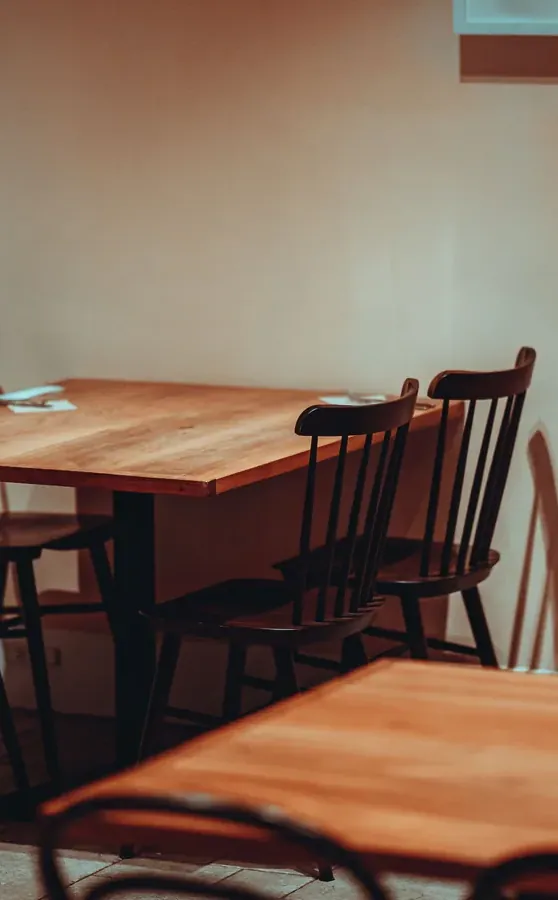
Grease does not stay where it is made. It travels on the air from the range to the walls, the ceiling, and the top of the fridge, and settles as a film you can feel before you can see. Wiping the visible surfaces keeps the front looking clean while the layer builds everywhere the cloth does not reach, and that layer is what an inspector, and a pest, find first.
The daily clean handles the shift. Some things build up past it. If one of these is familiar, the layer underneath has grown.
Run a finger along the wall near the range or the top of a shelf. If it drags, that is airborne grease that has settled and hardened. It builds everywhere the daily cloth does not reach.
The drain in a kitchen collects grease and food that the mop pushes in but never pulls out. When it starts to smell, the trap and the drain line need clearing, not more mopping.
The range, the fryer, the fridge, the gaps beside and behind them are where grease and food collect unseen. It is the first place a health check looks and the last place a rushed clean reaches.
A kitchen floor that feels greasy after mopping has grease worked into the grout and the non-slip texture. Water and a mop spread it; they do not lift it.
When the canopy and its filters are saturated, grease stops being pulled up and starts coming back down onto the line. Filters left ungreased are also a fire risk.
Droppings, gnaw marks, or insects mean there is a food source they are reaching, usually grease and scraps in the gaps a clean misses. Removing the source is step one.
The second list is the one that prevents disputes, it is usually in small print, or not written at all.
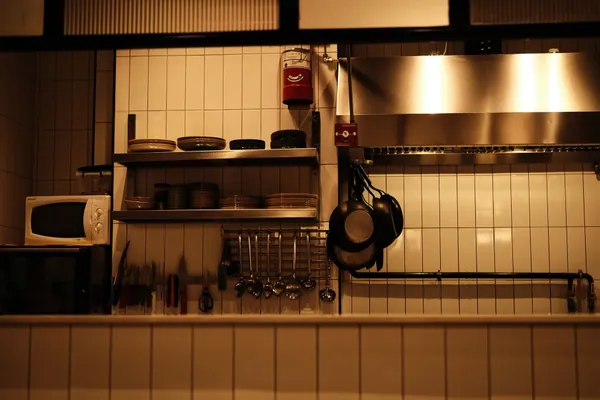
Built-up grease comes off the walls, the floor and the space behind the ranges, where an inspector's notes usually begin.
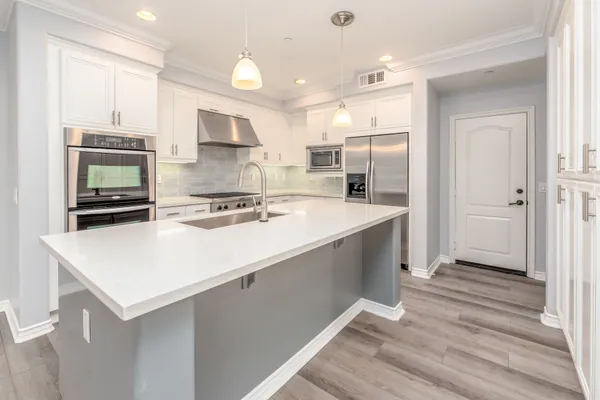
Filters come out to be degreased with the hood, because a saturated filter weakens extraction and gives fire something to burn.
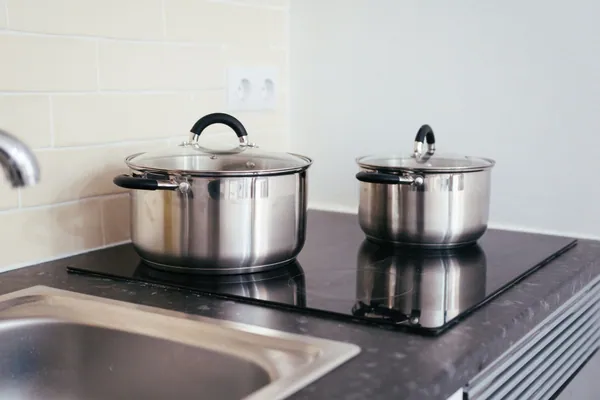
Food contact surfaces are sanitised and polished with food-safe products, not just given a wipe over the top.
Congealed grease that slows the drain and carries the smell is cleared from the grate downward.
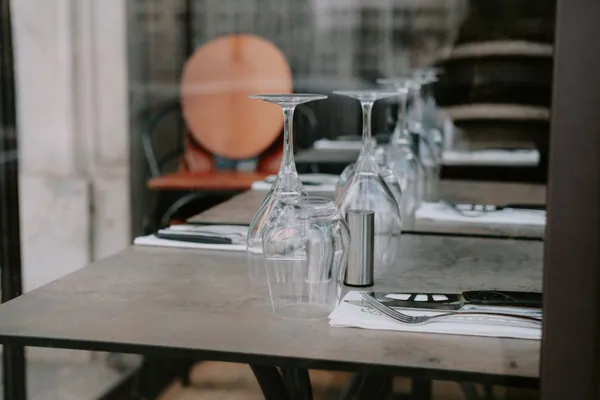
Tables, chairs, floors and the corners guests notice, done after service closes so seating is never held up.
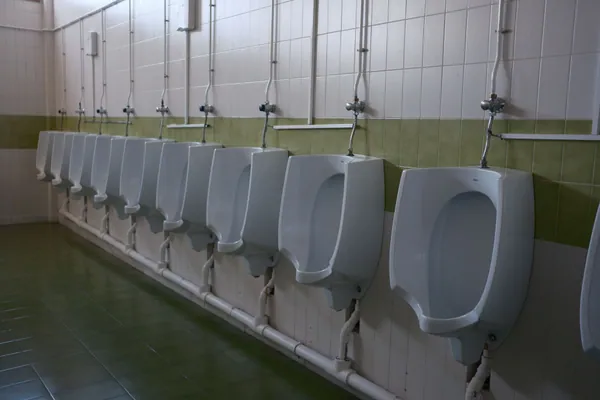
Sanitised, aired and restocked, because this is where a guest judges the kitchen they cannot see.
If your kitchen needs one of these, we say so during the walk-through, not after an invoice. In most cases we point you to the right trade even when the work is not ours.
A kitchen is cleaned in an order for a reason: degreasing runs downward, so working bottom-up just means cleaning the floor twice. This is the sequence we follow.
With you or your chef, from the line to the store to the dining room. We note where grease has built, which equipment can be moved, and what the daily clean has been missing.
Loose items, trays, and small equipment come off before any product goes on, so nothing traps grease underneath or gets cleaned around.
Ceiling and high walls, then the hood, then the line, then lower surfaces. Grease and product run downward, so the floor is left for last on purpose.
Where it is safe to move, the range and fridge are pulled out and the gaps beside and behind them are done, the part a rushed clean always skips.
The floor is scrubbed into the grout and the drains and traps are cleared, once everything above has been done and nothing more will drip onto it.
We go through the kitchen and front of house with you. Anything flagged is redone in the same visit before the team leaves.
We do not publish a fixed figure, because cases genuinely differ. These are the factors we ask about, so you know where your job sits before you call.
A small line is a different job from a full production kitchen with a large dining room. We count the areas rather than quoting a flat rate.
A kitchen degreased often is quick; one left for a long stretch may need more than one pass on the walls and hood. We flag which it is before starting.
Most of this happens after close or before opening. Tight windows and overnight work change the time it takes, and we plan around your hours.
The number of filters and how much equipment needs moving affects the time. Heavy canopies and packed lines take longer than an open kitchen.
Doing the kitchen, dining area, and restrooms in one scheduled visit costs less than separate call-outs, because setup and access happen once.
Send a few photos of the kitchen and the dining area, and your service hours, and we schedule a walk-through, then a scope and rate before anything is committed.
The nightly clean by your own staff is necessary and this does not replace it. They do different jobs. Here is where the line falls.
The company runs a large crew, and we send a team, not one person. A full kitchen and dining room are finished in one visit overnight instead of eating into service time.
The machines and materials for hood, floor, and grout come with the team. No waiting on gear that is out with another client.
One team handles the line, the dining area, and the restrooms, so the whole site is cleaned to the same standard in one scheduled visit.
Nothing is called finished until you have walked it. What is flagged is redone before we leave, so sign-off means the kitchen is ready for the next service.
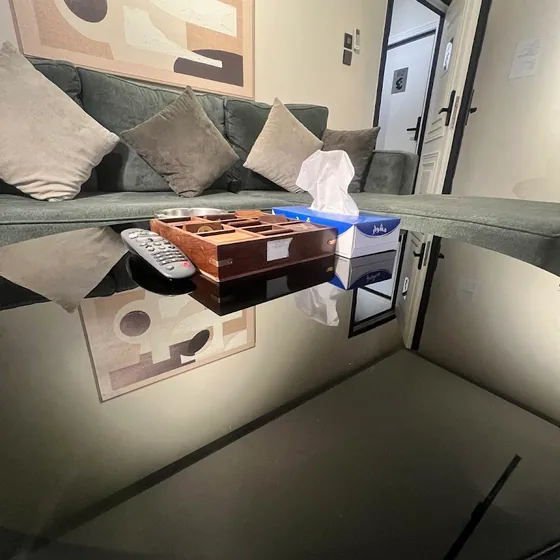
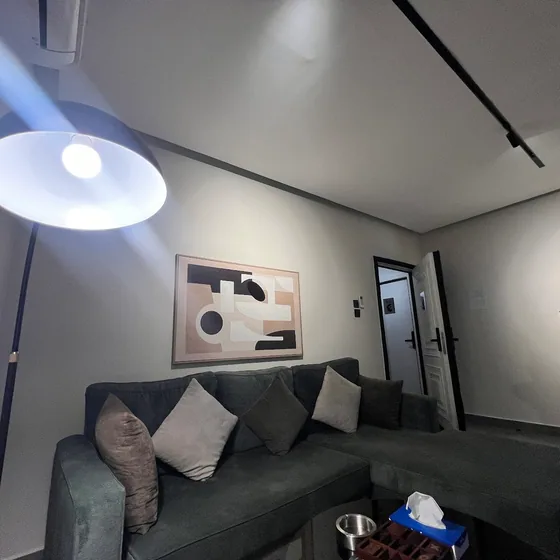
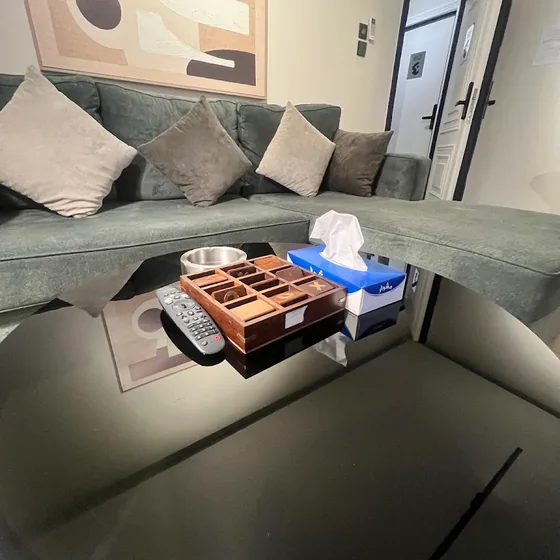
Photographs from real jobs carried out by the crew.

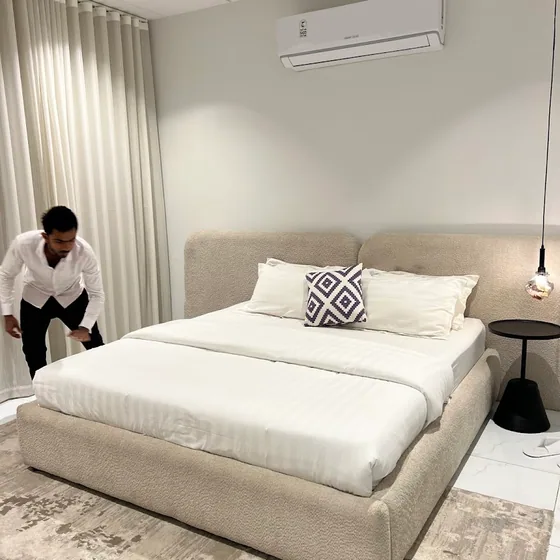
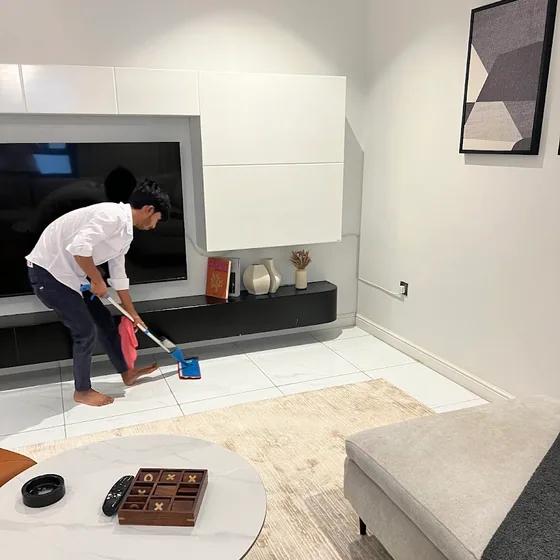
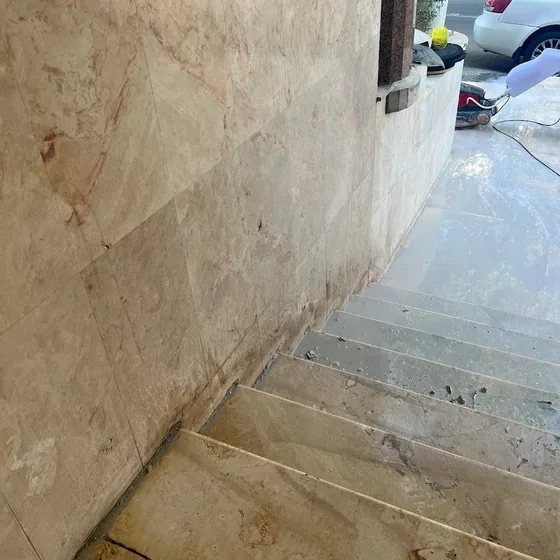
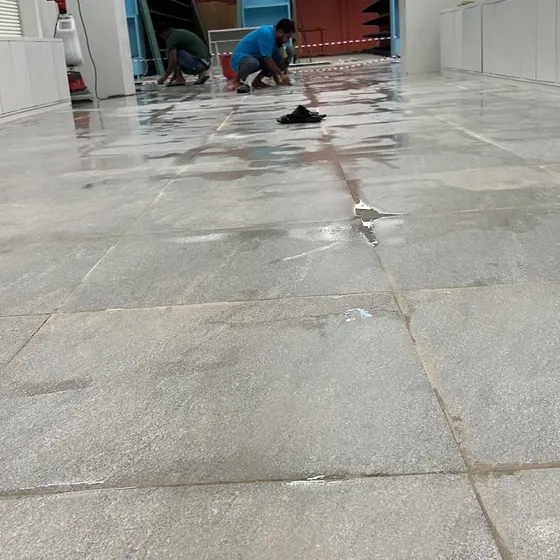
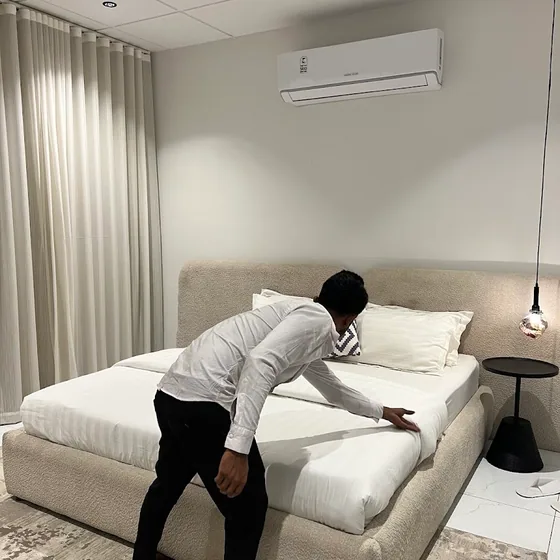
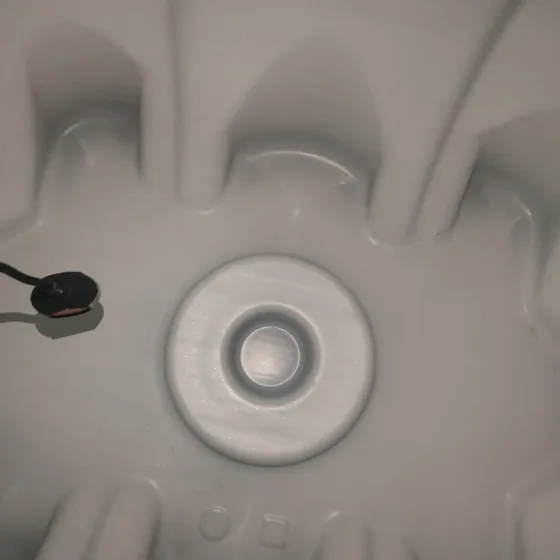
The commitment is simple enough to keep: we do not call the kitchen finished until you have seen it and agreed it is ready for service.
We look at the job and agree the figure before any work begins, and nothing is added to it afterwards. If the scope changes during the visit we stop and ask you before carrying on.
At the end of the visit we walk the place with you. Anything you point at is redone in the same visit, not booked for another one, and at no extra cost.
We arrive when we said we would. If that becomes impossible you hear it before the appointment rather than after, because waiting without knowing how long is worse than a delay you were told about.
Everything we offer in this category, in a single visit if you need more than one.
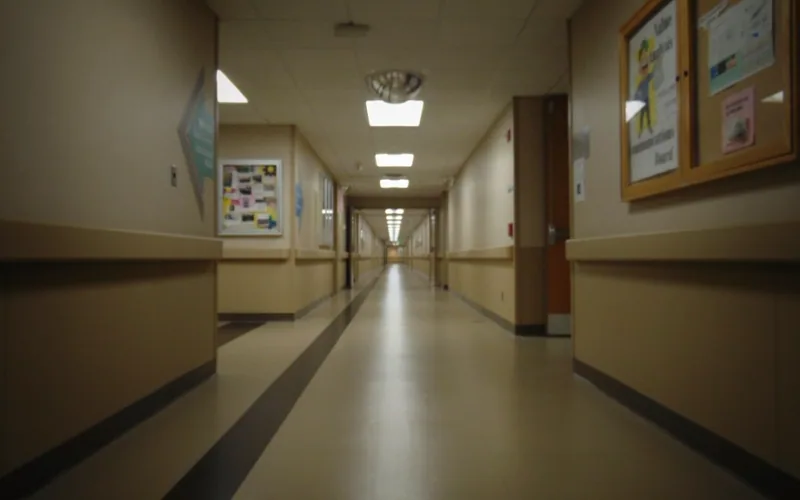
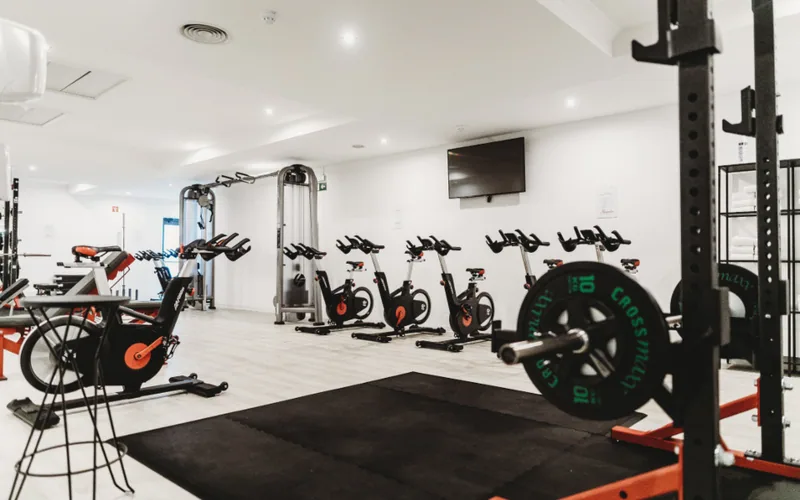
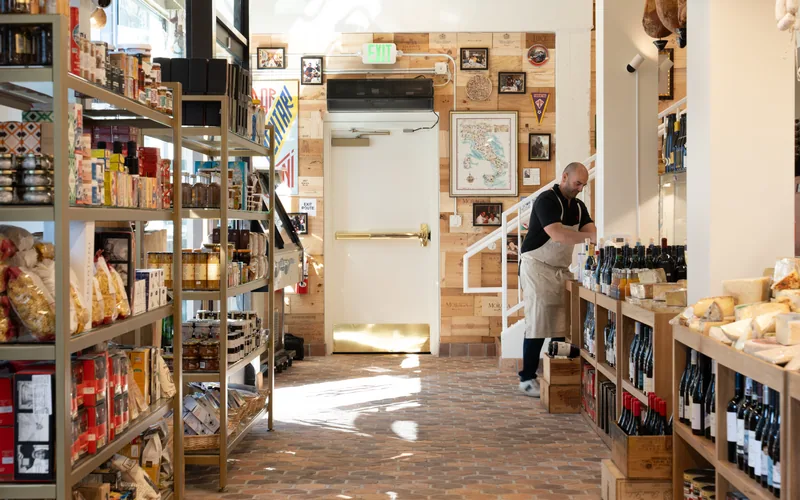

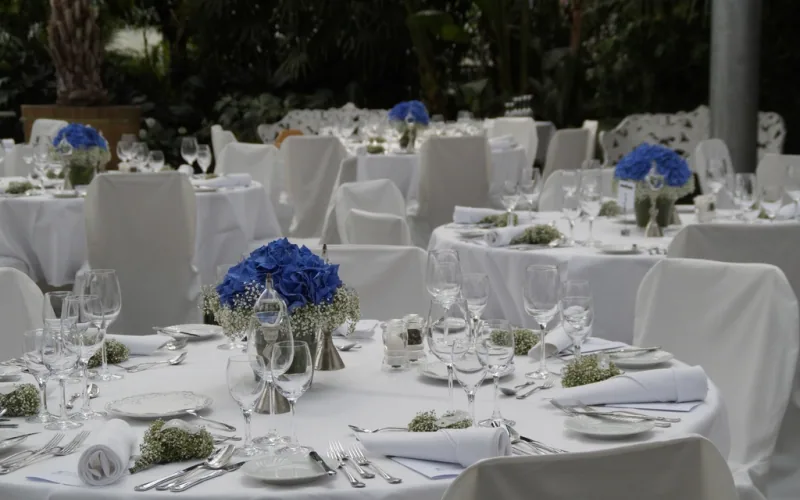
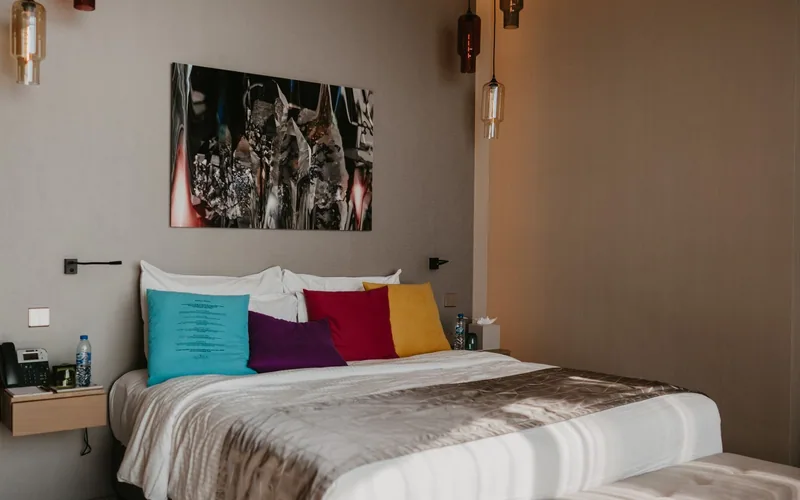
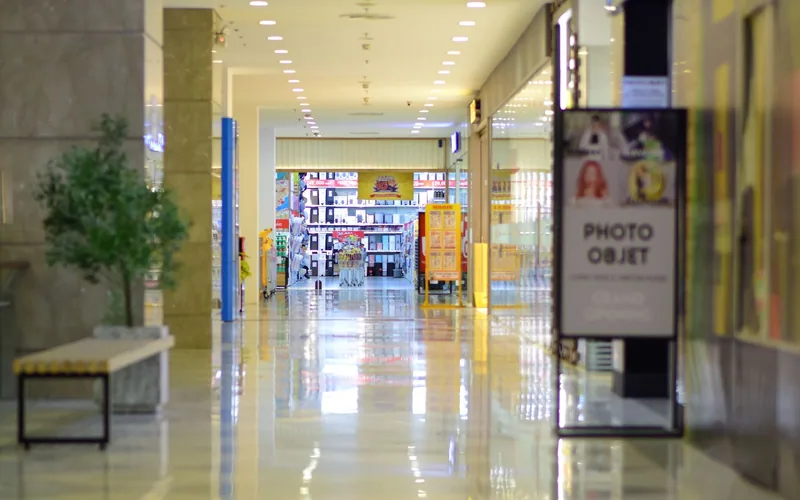

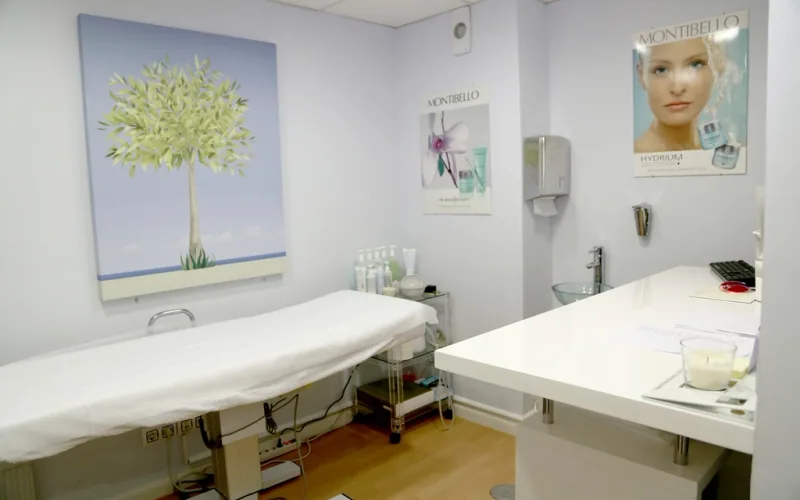

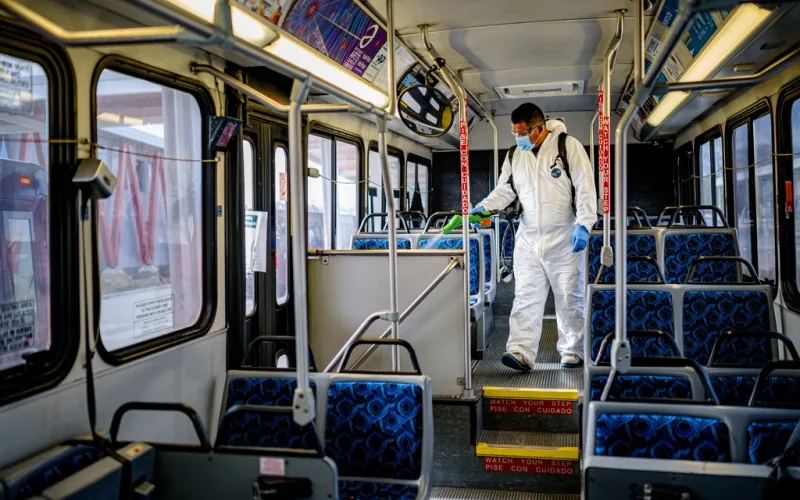
The crew and its equipment travel to you, and the price does not change with the district.
Four steps, and none of them commits you to paying before you have seen the price.
WhatsApp or a call. One photo is usually enough.
In writing, before you commit to anything. You approve it, or we adjust it.
At the agreed time, with everything the job needs.
A walk-through before we leave. The job is not closed until you are satisfied.
Send photos of the kitchen and dining area and your service hours, and we schedule a walk-through. A scope and rate come before any team starts.