
Floor area and number of rooms
A small clinic and a multi-room facility with several washrooms and long corridors are different jobs. We look at the layout and the zone count, not just the total area.
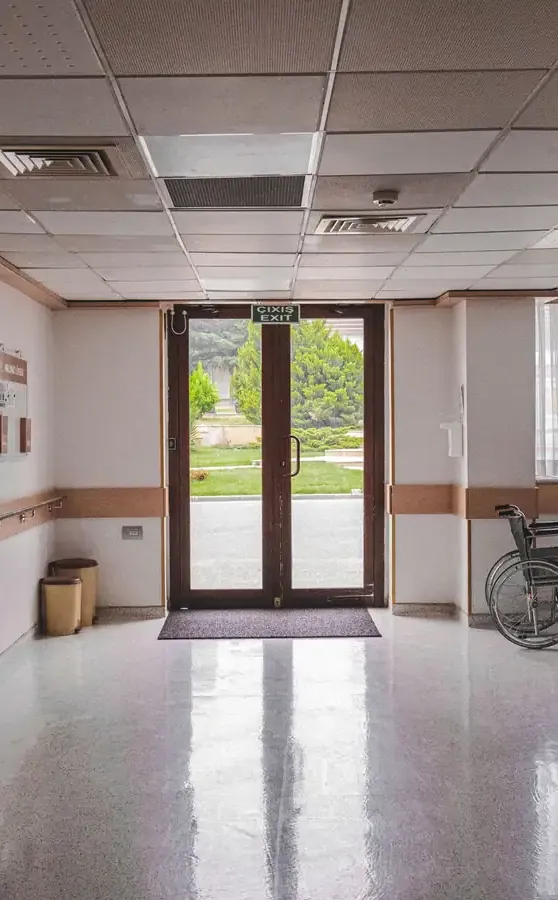
In a clinical space the risk is the part you can't see. High-touch surfaces and shared equipment carry infection between patients, and the direction of cleaning decides whether it's removed or spread. Wipe a room in the wrong order, dirty to clean, low to high, and you carry contamination into the area you just finished. The order is the method here, not a detail of it.
By the time it's obvious, the routine has already fallen short. If one of these fits your site, it's overdue.
When your own checks flag surfaces that should be clean, the issue is usually order and separation of tools, not effort. Wiping harder in the wrong sequence won't move the result.
The chairs, armrests and door plates in the waiting area are among the most touched surfaces you have. If they're tacky, the high-touch points aren't being disinfected on their own pass.
A film on the reception counter, glass and screens is skin oil and dust settling together. It reads as neglect to every patient who leans on the desk.
If a consulting room greets you with a shut-up smell in the morning, moisture and residue have settled into surfaces overnight. Airflow thins it but doesn't clear the cause.
Grime gathers where the mop stops short, along skirtings and in corners. It's the first place a routine cutting time shows, and the last place anyone looks.
If you're checking the washrooms before a busy clinic, the standard has already slipped below where it should sit without anyone watching it.
The second list is the one that prevents disputes, it is usually in small print, or not written at all.
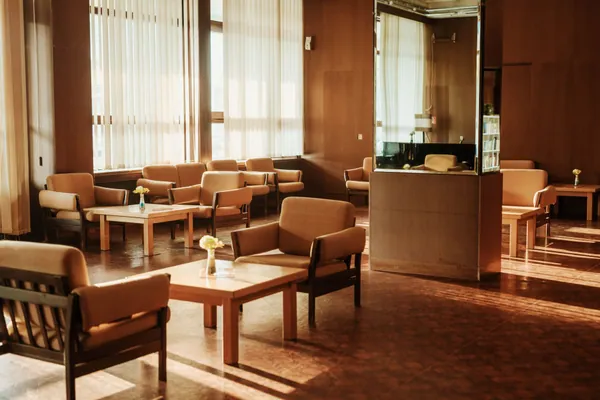
The chairs, the counter surfaces and the touch points in the room where the most people pass through.
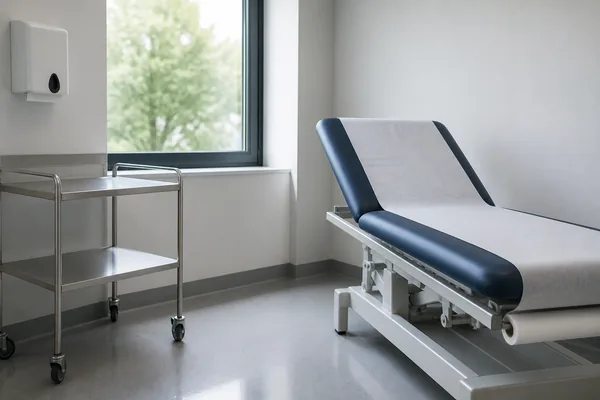
Exam beds and the surfaces beside them are disinfected between patients, with the product left on for its full dwell time.
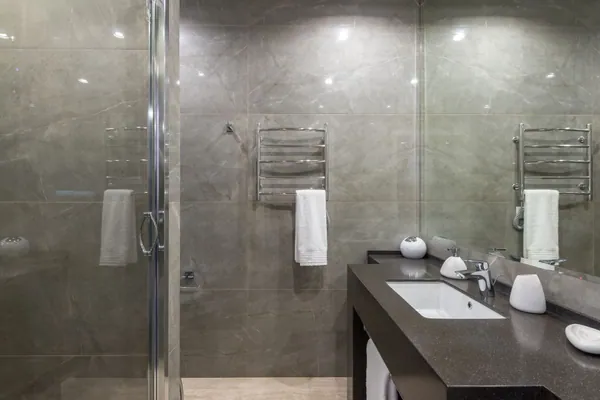
Basins, fittings and the floor around the toilet bases get a full disinfection, using tools kept for this zone alone.
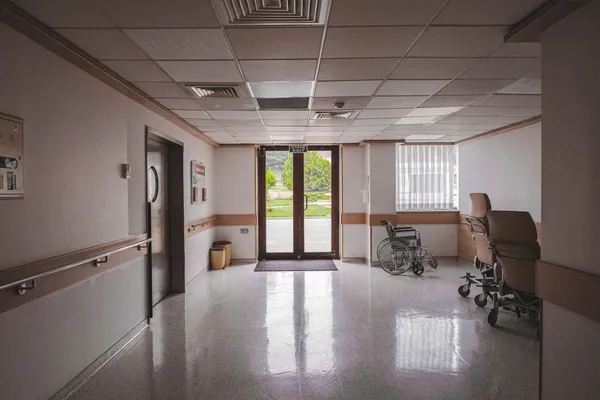
Swept, mopped and disinfected, with a colour-coded set of tools so nothing crosses from one zone into another.
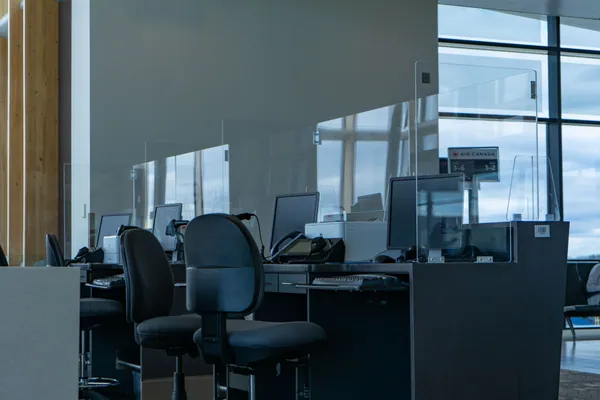
The surfaces that many hands share through the day are disinfected rather than simply wiped over.
Handles, bed rails, buttons and handrails carry infection fastest, so they are disinfected repeatedly, not once.
These are clinical responsibilities that sit with your own staff, not with a cleaning team, and we say so plainly at the walk-through. We clean surfaces, rooms and floors, we don't touch the parts that need clinical handling.
The sequence is the safeguard. Done backwards, dirty to clean, low to high, one cloth everywhere, cleaning moves contamination instead of removing it. This is where the whole method lives.
We map the space with you and set the zones: waiting area, treatment rooms, washrooms, corridors. Each zone gets its own tools and its place in the order before anyone starts.
Handles, rails, switches and shared surfaces are disinfected first, while cloths are fresh. Left to the end, they're wiped with a cloth that has already been everywhere.
We work from the least-contaminated surfaces down to the most, and from high to low, so nothing already cleaned is passed over again with a dirtier cloth or dislodged dust.
Every zone keeps its own color-coded cloths. The washroom set never touches a treatment room. This is the single rule that stops the clean from carrying infection between areas.
Floors close the visit, worked into skirtings and corners, once higher surfaces are finished and airborne dust has settled, so it isn't stirred back onto surfaces just cleaned.
We go over each zone with your contact before returning the space to use. Anything flagged is redone in the same visit.
We do not publish a fixed figure, because cases genuinely differ. These are the factors we ask about, so you know where your job sits before you call.
A small clinic and a multi-room facility with several washrooms and long corridors are different jobs. We look at the layout and the zone count, not just the total area.
Daily between sessions or a periodic reset changes how much accumulates and what each visit takes. The schedule is built around when rooms are free.
A waiting room and a treatment room don't carry the same risk or need the same attention. Higher-risk zones take more, and the mix on your floor drives the work.
A site kept up routinely isn't the same as one that's slipped. A first visit on a neglected floor may need more to reach the baseline, and we say so before beginning.
Floor extraction, glass or an added deep clean folded into a scheduled visit costs less than a separate trip, since the team and equipment are already on site.
Send a floor plan or a few photos on WhatsApp with the number of rooms and how often you need us, and you get the price and an estimated schedule before you commit.
It's a fair question, and some sites run their own cleaning. In a clinical space the difference is method, not effort, here is the honest version.
Between sessions, in the evening or at quieter times, the clean fits when rooms are free, so patient flow isn't interrupted and access to each zone is planned.
We send a team, not one person, so the waiting area, treatment rooms and washrooms are all finished in one visit rather than stretched across the day.
Equipment and color-coded cloth sets arrive with the team, so each zone keeps its own tools. We use disinfectants suited to clinical surfaces and match them to any sensitivity you flag.
The scope and the order are written down, zone by zone, and walked with you before the space goes back into use. There's no ambiguity about what was done.
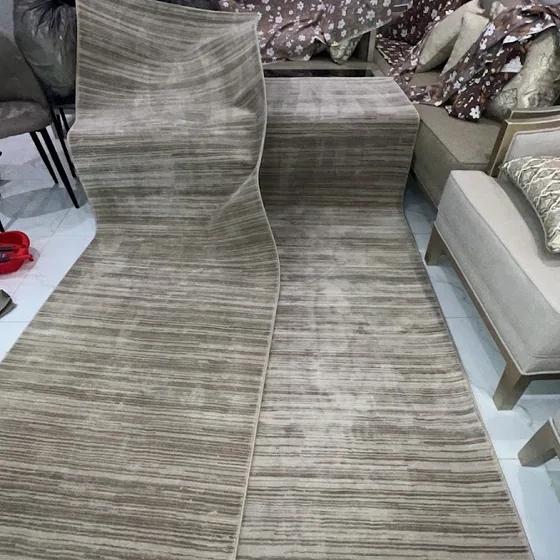
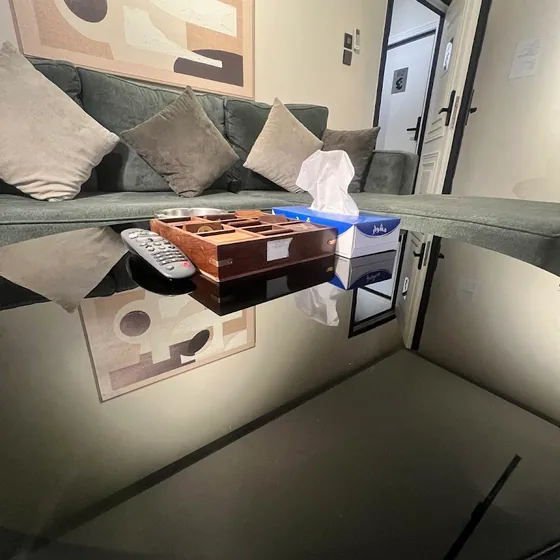
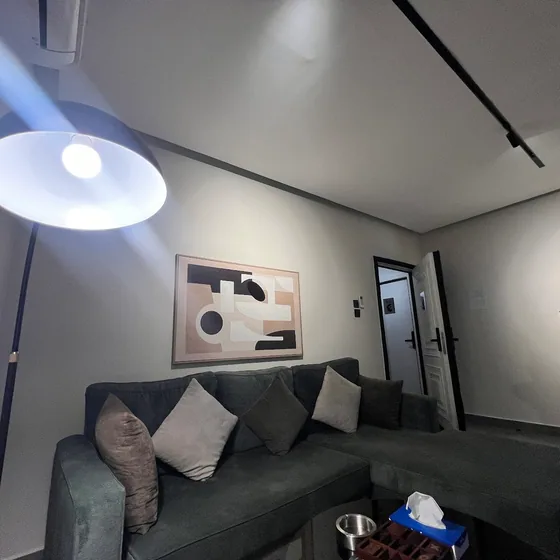
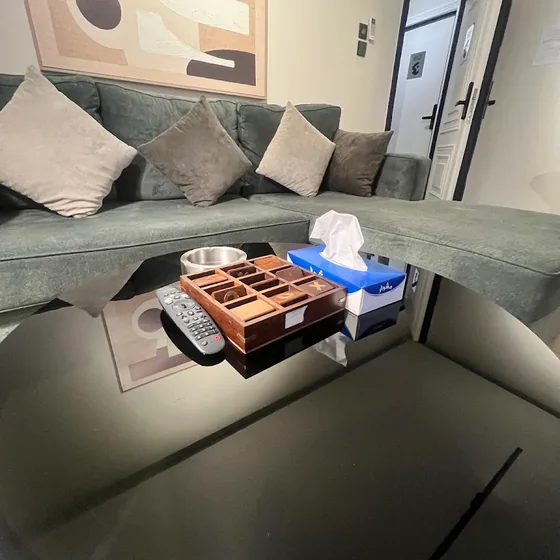
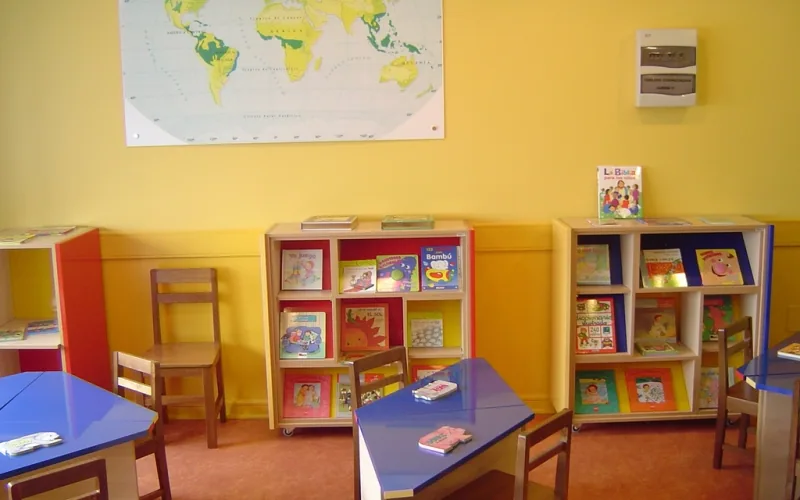
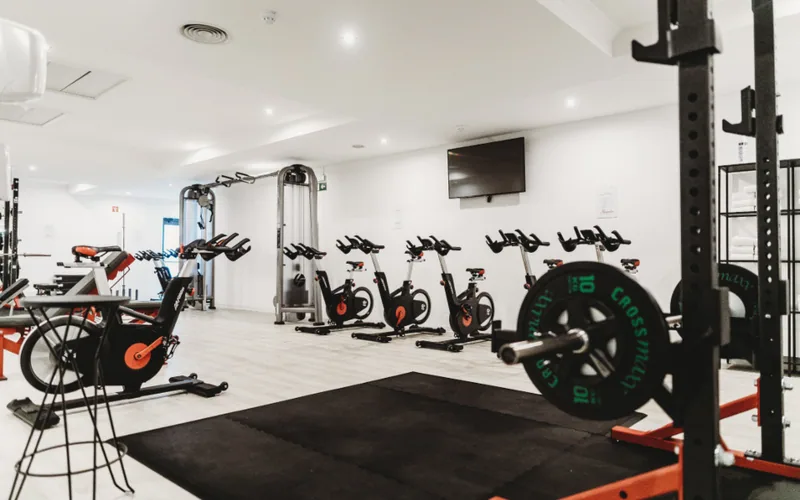
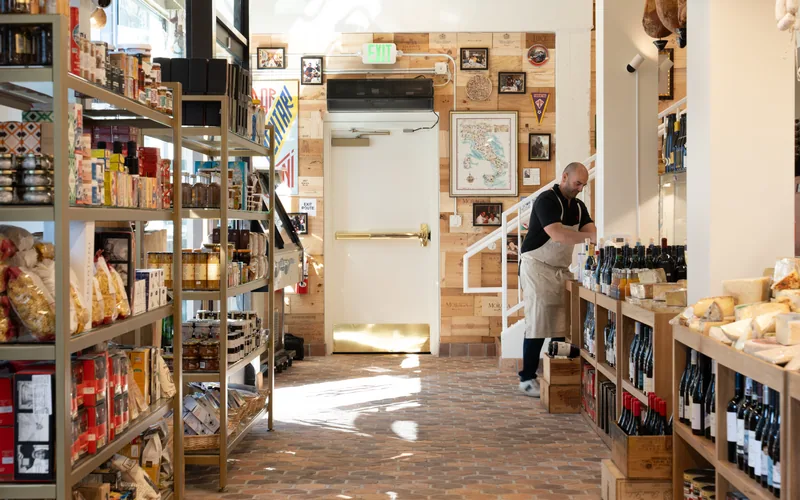
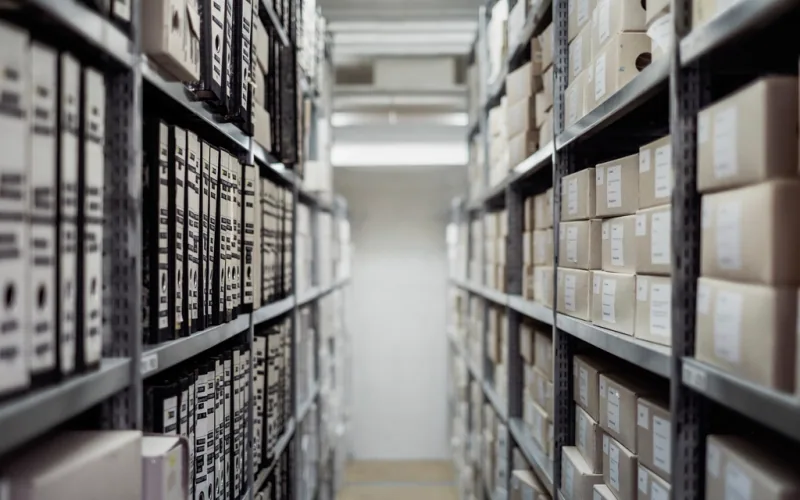
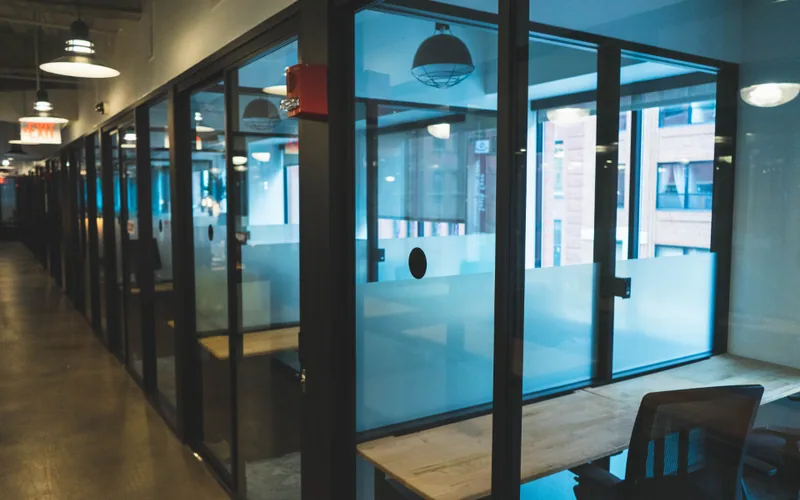
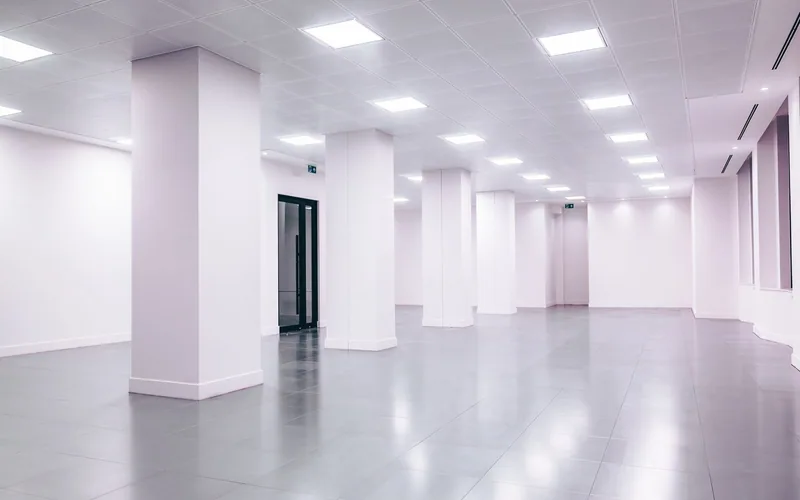
Photographs from real jobs carried out by the crew.
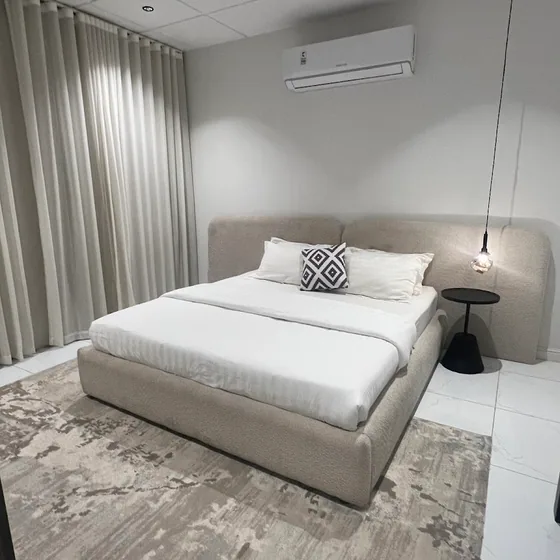
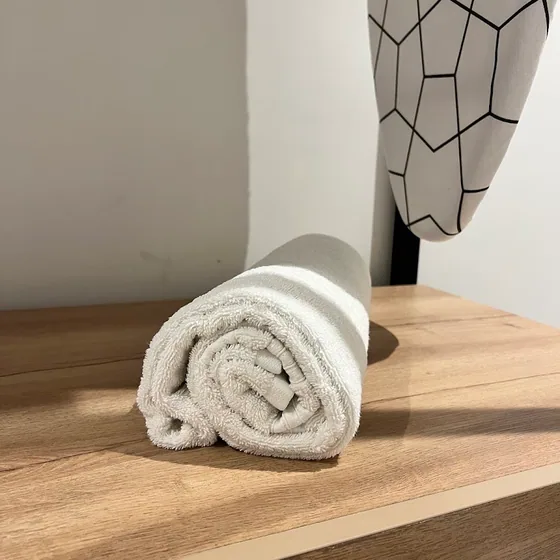
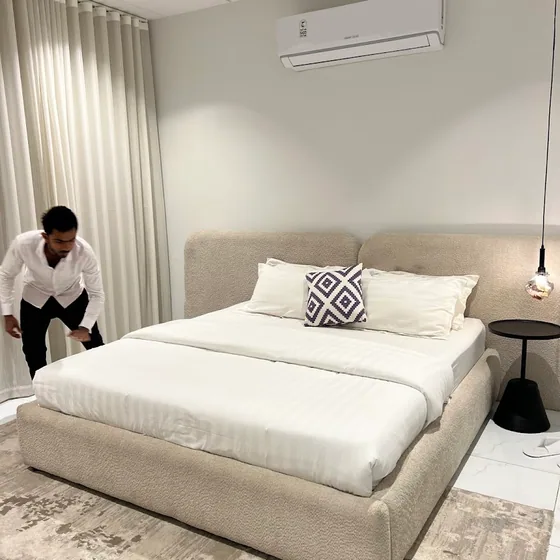
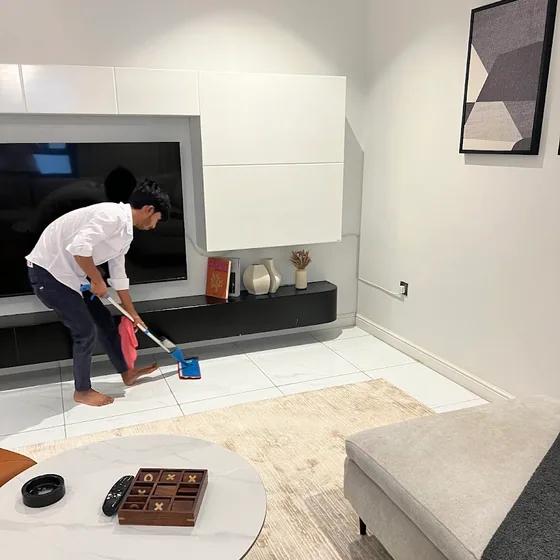
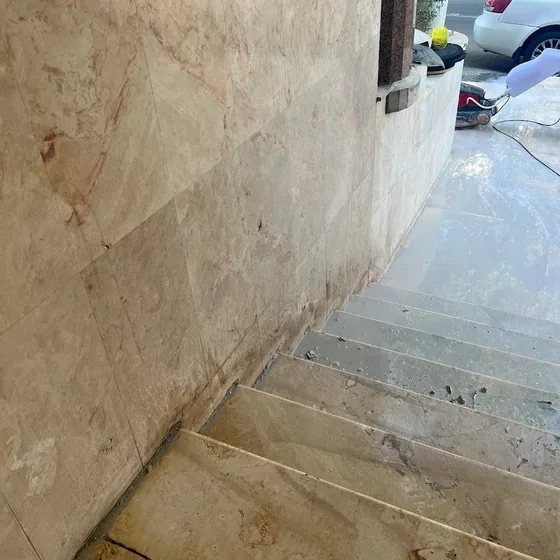
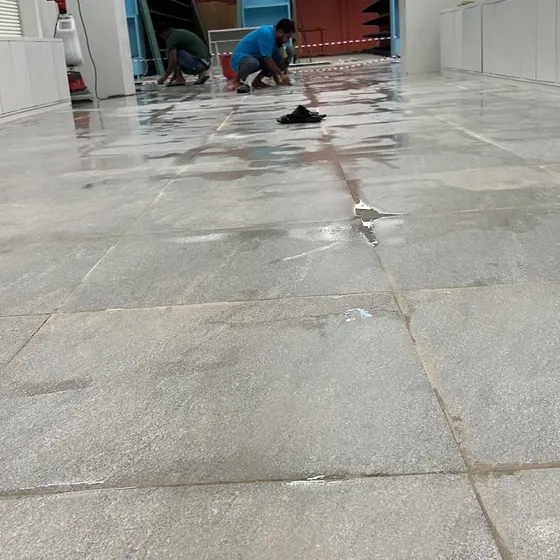
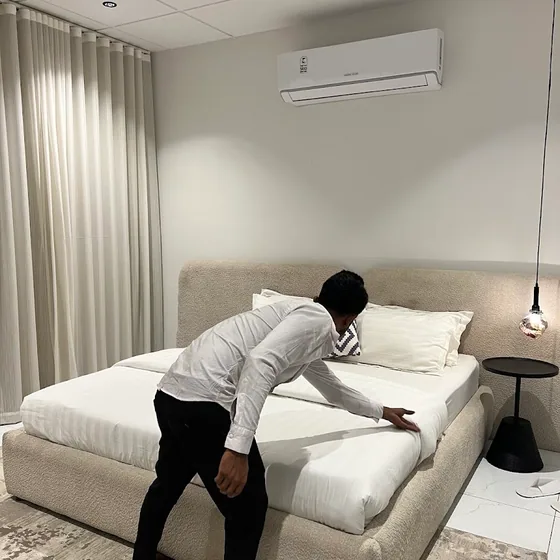
The commitment is simple enough to keep: we don't leave until someone on your side has walked the floor, zone by zone, and signed it off.
We look at the job and agree the figure before any work begins, and nothing is added to it afterwards. If the scope changes during the visit we stop and ask you before carrying on.
At the end of the visit we walk the place with you. Anything you point at is redone in the same visit, not booked for another one, and at no extra cost.
We arrive when we said we would. If that becomes impossible you hear it before the appointment rather than after, because waiting without knowing how long is worse than a delay you were told about.
Everything we offer in this category, in a single visit if you need more than one.
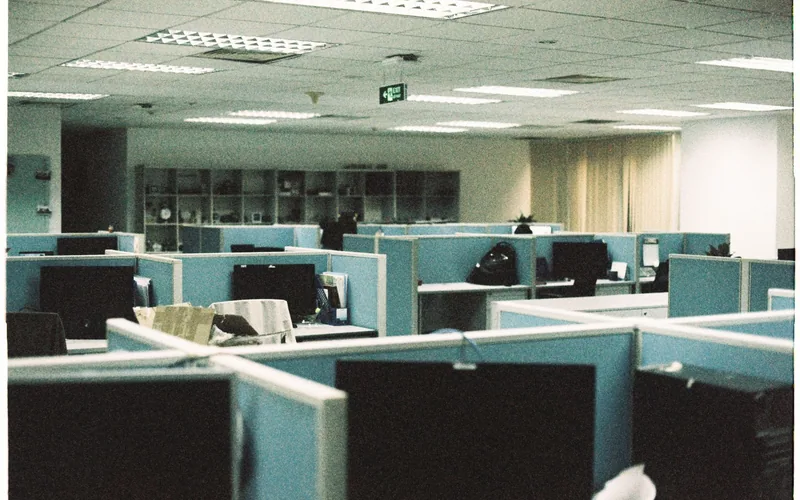

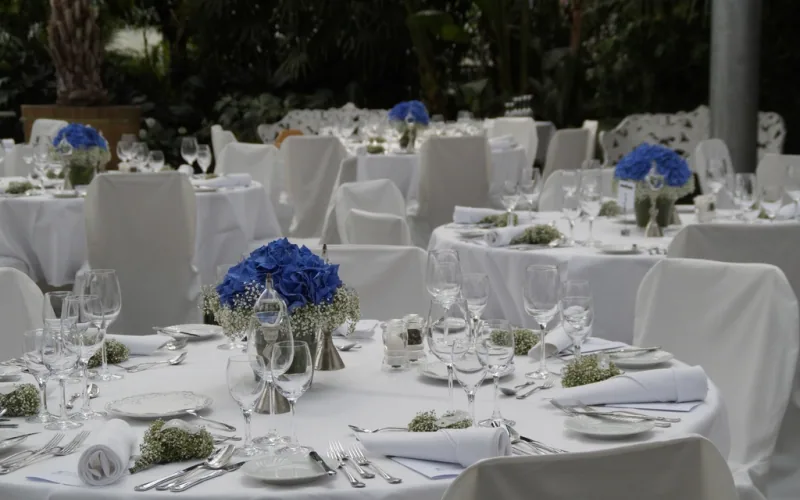
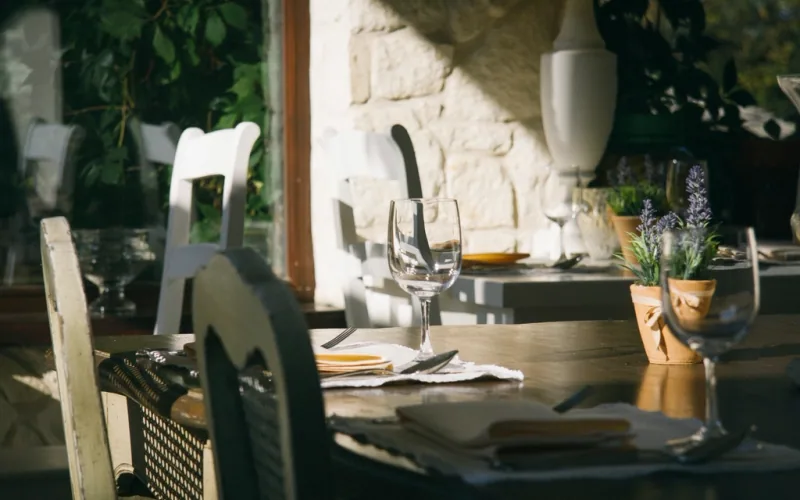
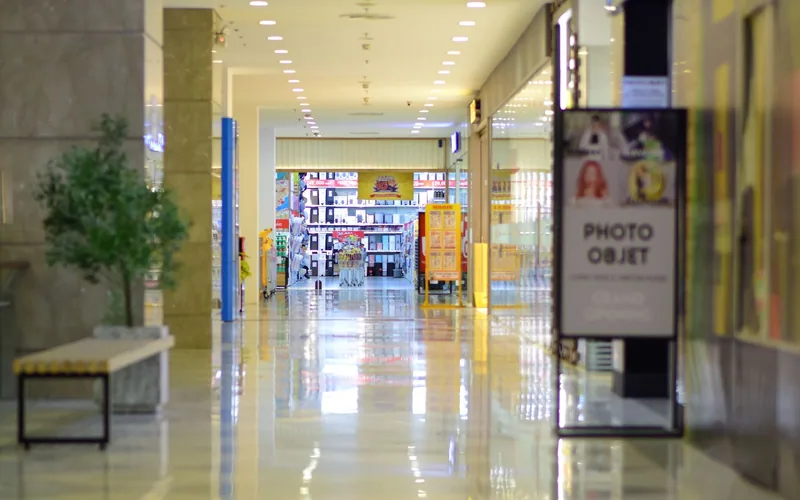

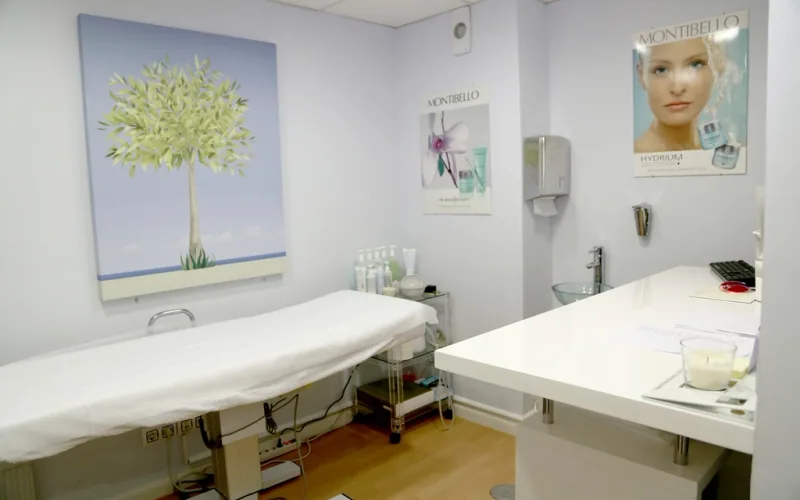

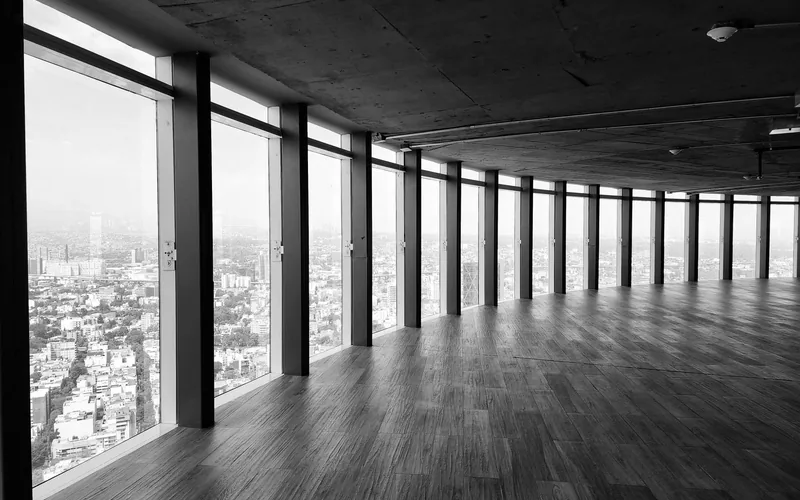
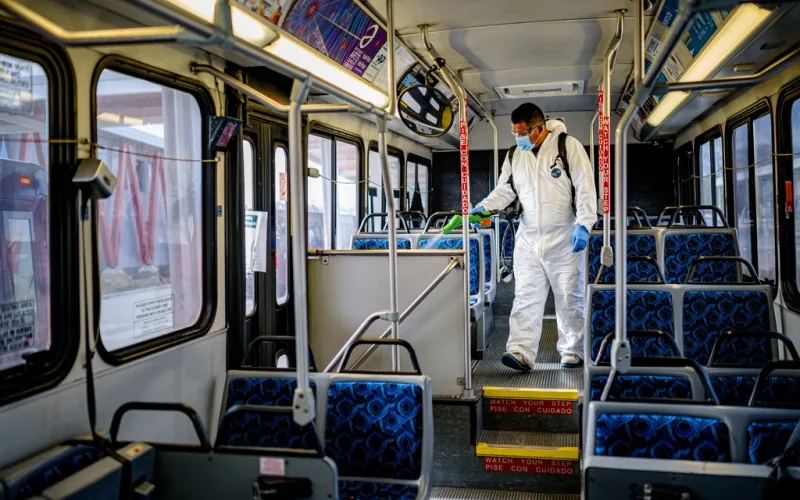
The crew and its equipment travel to you, and the price does not change with the district.
Four steps, and none of them commits you to paying before you have seen the price.
WhatsApp or a call. One photo is usually enough.
In writing, before you commit to anything. You approve it, or we adjust it.
At the agreed time, with everything the job needs.
A walk-through before we leave. The job is not closed until you are satisfied.
Send the number of rooms and how often you need us, and you'll get the price and an available slot. No work starts before you approve the number.