
Number of classrooms and floor area
A handful of rooms and a full campus with shared halls, canteen and multiple washrooms are very different jobs. We look at the layout, not just the total area.
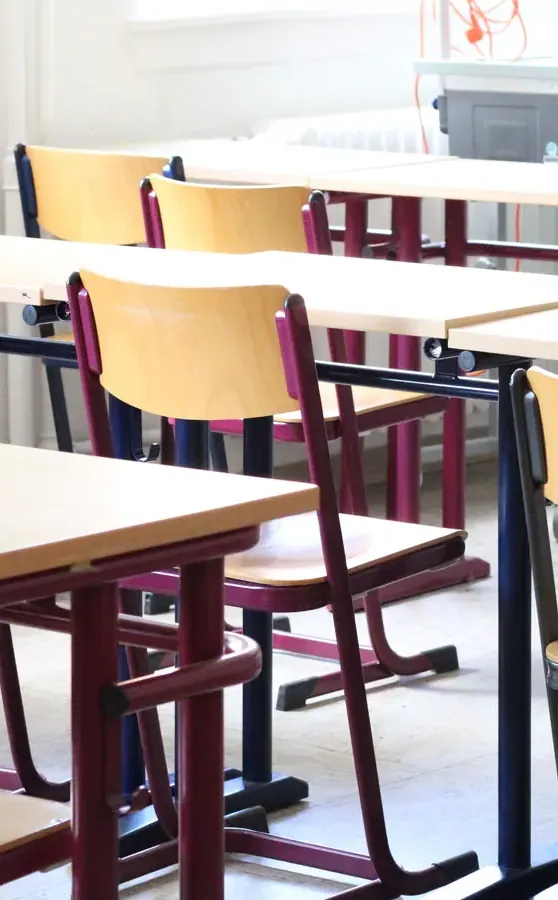
Children touch everything, so a school spreads what it carries faster than any office. The handles, shared desks, taps and door plates pass illness from class to class, while dust settles into carpets and mats and sets off the coughing you notice by mid-week. A visible tidy misses both. Cleaning that follows the hands and the traffic does not.
The complaints come late, not first. If one of these fits your school, the routine has already fallen behind the traffic.
When one child's cold becomes half the class's, the shared surfaces are carrying it, desks, handles, taps. Tidying the room doesn't touch the surfaces actually passing it on.
If tables are tacky before the week is out, they aren't being cleaned to the surface, only cleared of the obvious. It builds up faster with younger children and shows quickly.
A closed-room smell on Sunday morning means dust and damp have settled into carpets and soft surfaces over the break. Opening a window thins it but doesn't remove it.
Small hands leave marks at their own height, all over the glass, doors and switch plates. It looks minor but it's the first thing a visiting parent reads as neglect.
The entrances darken first, where every foot lands. That's ground-in grit, and once it's set a vacuum won't lift it, it needs proper extraction.
If you find yourself checking the washrooms before an open day, the standard has already slipped below where it should sit without anyone checking.
The second list is the one that prevents disputes, it is usually in small print, or not written at all.
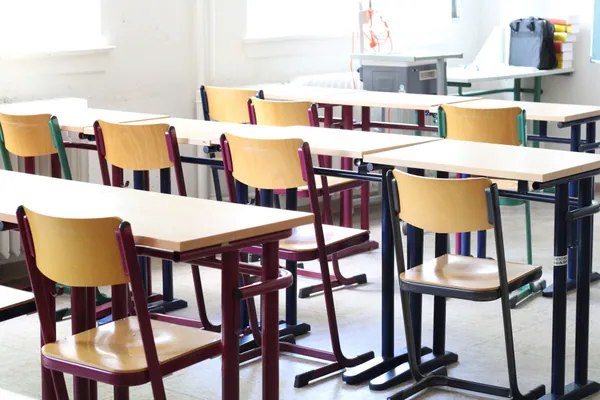
Desks and chairs wiped and disinfected, since they take more hands across a school day than anything else.
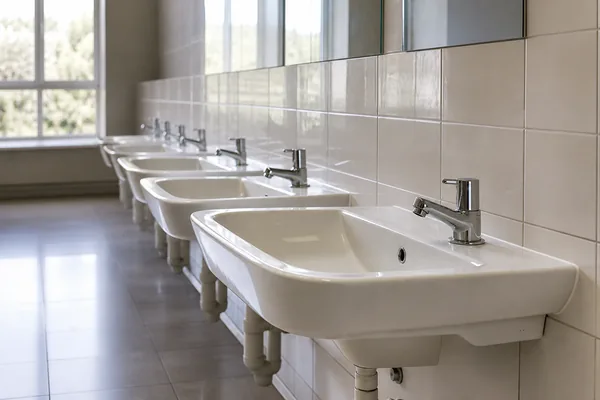
Basins and the floor around their bases fully disinfected, with cloths kept for that room alone.
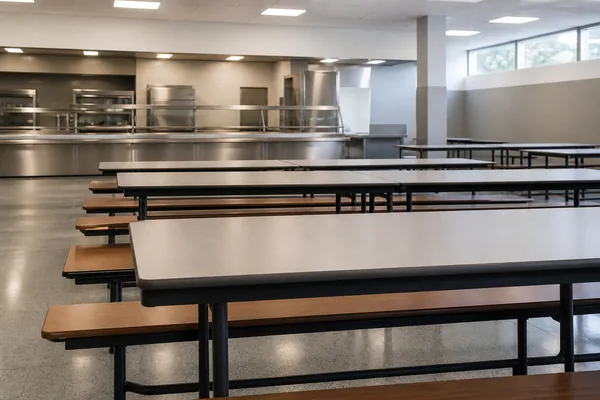
Tables, counters and food preparation surfaces, where smells and insects start if a day gets skipped.
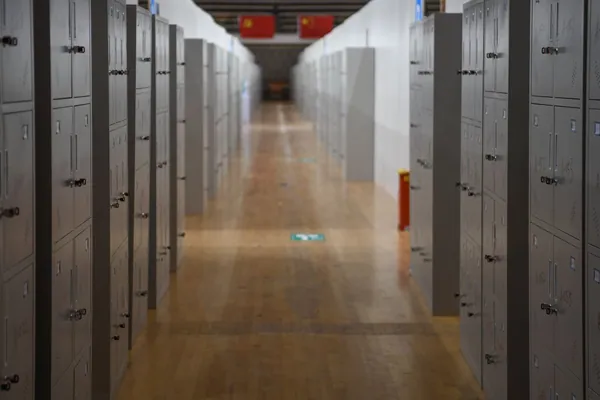
Swept and mopped end to end, with handrails and door handles disinfected along the route.
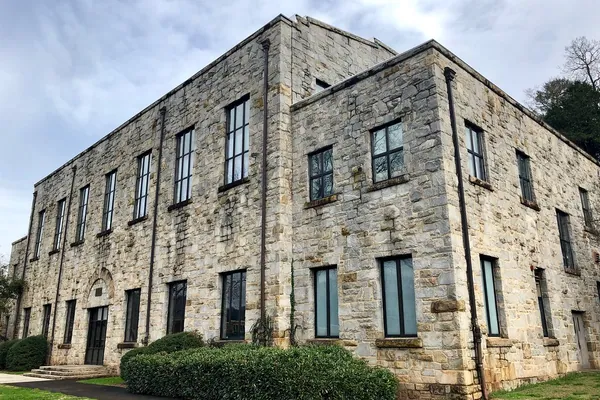
Sports flooring and the open space around it, where the dust kicked up by movement settles.
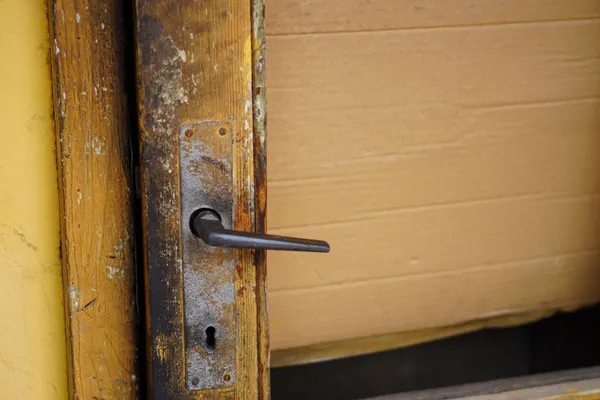
Handles, switches, rails and push taps are disinfected rather than wiped, because that is how illness travels.
If your school needs one of these, we say so at the walk-through, not after invoicing. Where it isn't our work, we point you to who does it.
The order matters more here than anywhere, because a school recontaminates itself fast. Cleaning low before high, or a washroom cloth into a classroom, undoes the whole visit.
We map it with you: which classrooms, washrooms and shared spaces, how often, and where access is limited during the day. The checklist comes from that walk, not a template.
Handles, switches and taps are disinfected first, while cloths and surfaces are still clean. These are exactly what pass a cold from one class to the next.
We clean tables and surfaces around the children's work and things. Nothing of theirs is moved, sorted or collected, that's how belongings go missing.
Each area keeps its own color-coded cloths. The cloth from a washroom never reaches a lunch table. That single rule is what stops cleaning from carrying germs into the places children eat.
Vacuuming and mopping close the visit, once dust knocked loose from higher surfaces has fallen, so it isn't stirred straight back into a room you just finished.
We go over the campus with your contact before the first bell. Anything flagged is redone in the same visit, so classrooms are ready, not half-done, at drop-off.
We do not publish a fixed figure, because cases genuinely differ. These are the factors we ask about, so you know where your job sits before you call.
A handful of rooms and a full campus with shared halls, canteen and multiple washrooms are very different jobs. We look at the layout, not just the total area.
Daily during term, or a deeper clean in the holidays, changes how much builds up between visits and what each visit takes. The schedule is built around your calendar.
Younger children mean stickier desks, more floor spills and more marks at hand height. Heavier, messier use is real work, not just a busier room.
A campus kept up routinely isn't the same as one that's slipped. A first visit on a neglected school may need more to reach the baseline, and we say so before starting.
Carpet extraction, internal glass or a canteen deep clean folded into a scheduled visit costs less than a separate trip, since the team and equipment are already on site.
Send a floor plan or a few photos on WhatsApp with the number of classrooms and how often you need us, and you get the price and an estimated schedule before you commit.
It's a fair question, and some campuses run on their own staff. Here is the real difference, not the pitch.
Evenings, early mornings, weekends or the holidays, the clean fits when the campus is empty, so teaching isn't interrupted and rooms are ready before drop-off.
We send a team, not one person, so classrooms, washrooms and shared spaces are all finished in a single visit rather than spread over days.
Vacuums, extractors and color-kept cloth sets arrive with the team. Materials are safe around children once dry, and we choose them around any allergies you flag.
The scope is written room by room and walked with you before the bell, so there's no question about what was meant to be cleaned.
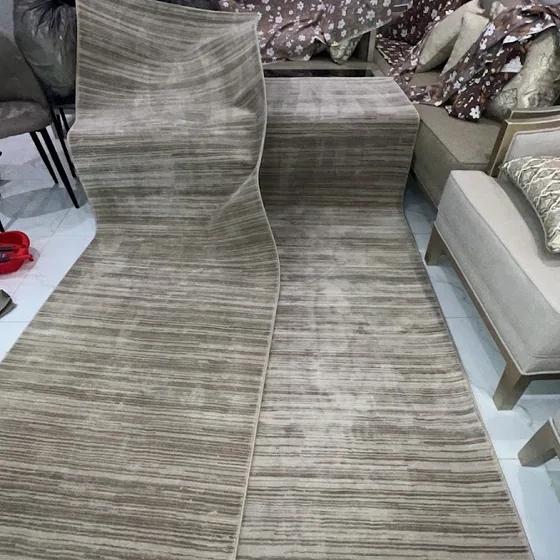
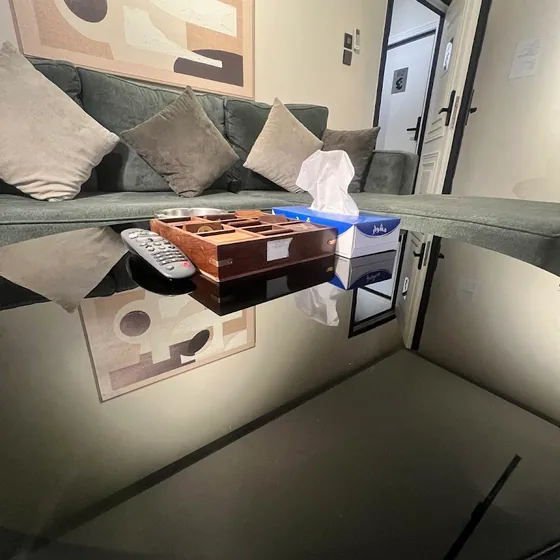
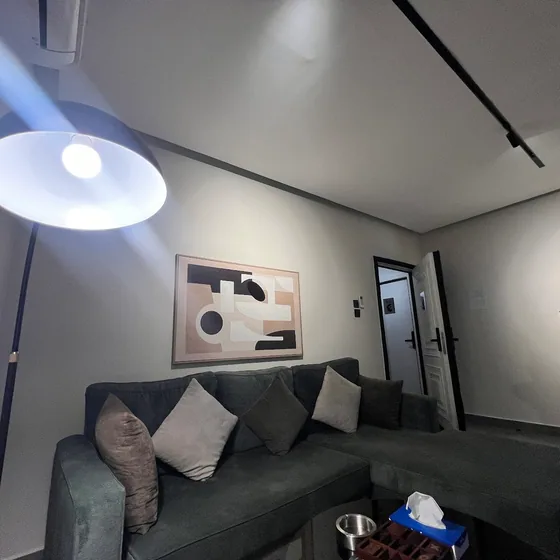
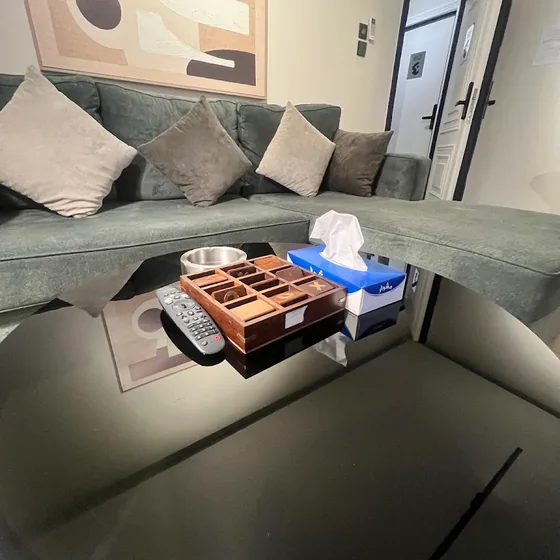
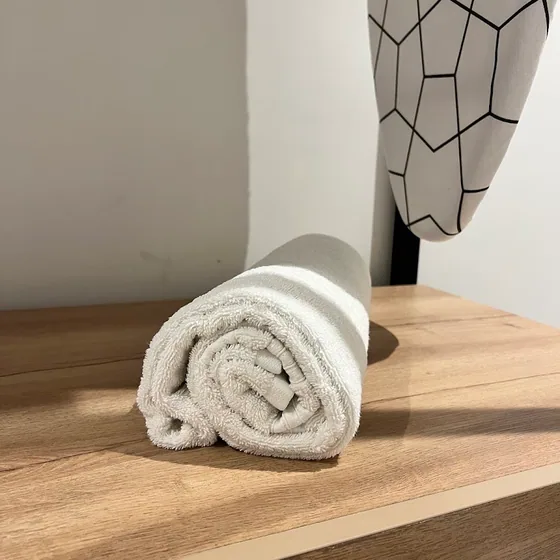
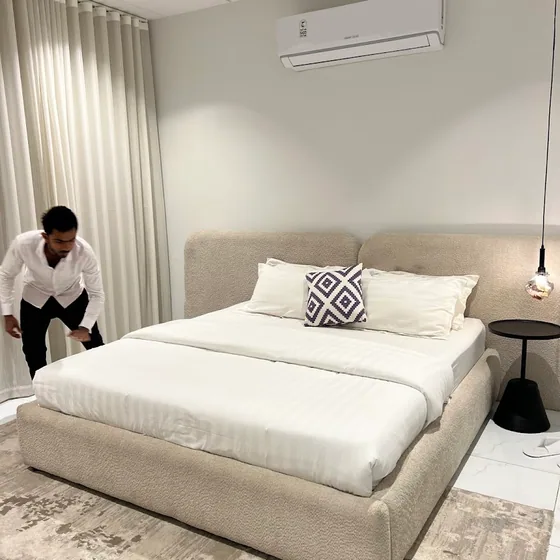
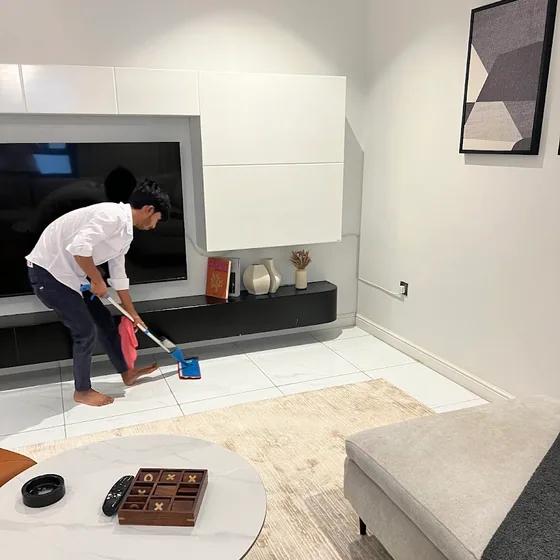
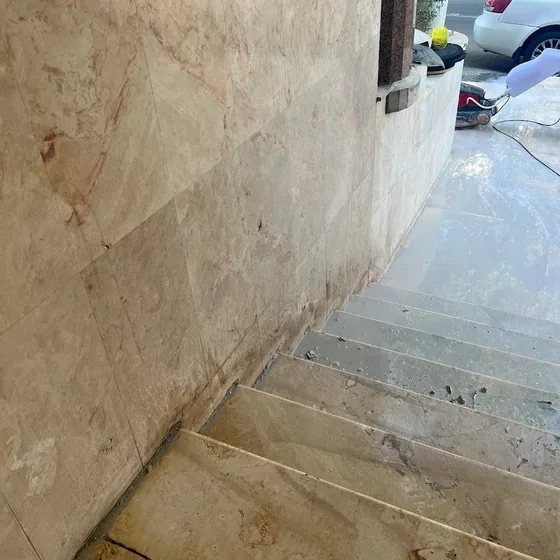
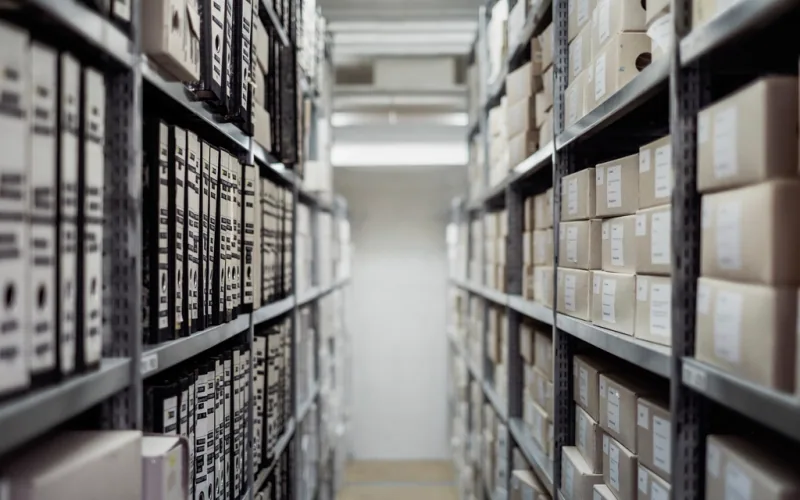
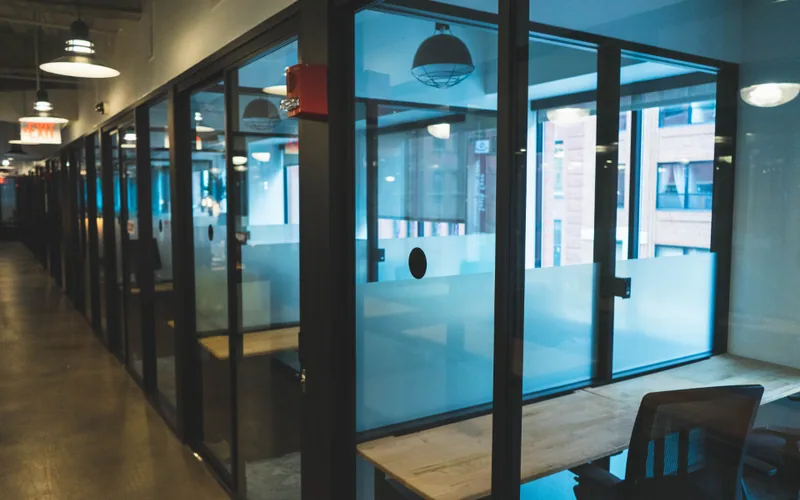
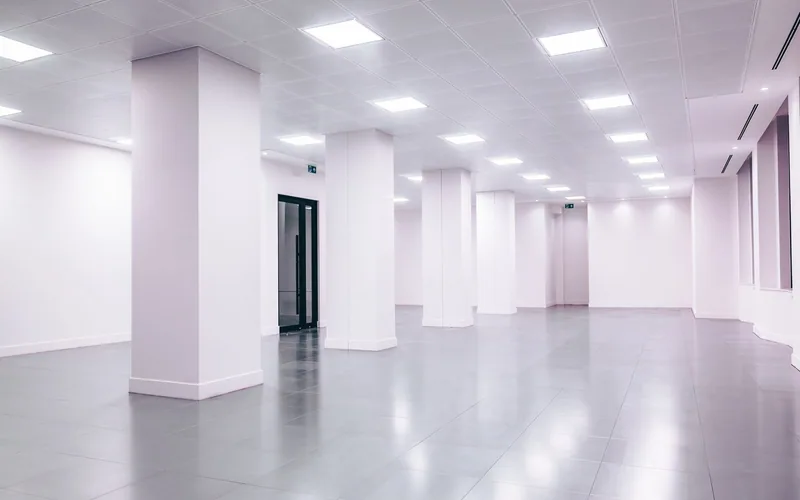
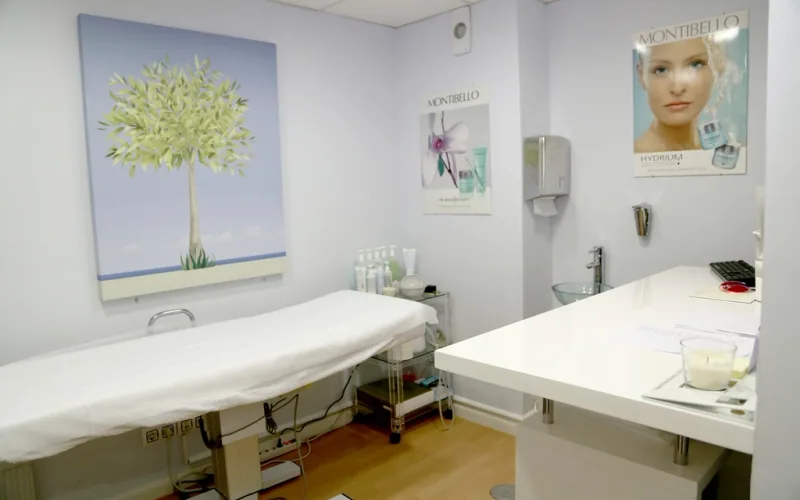
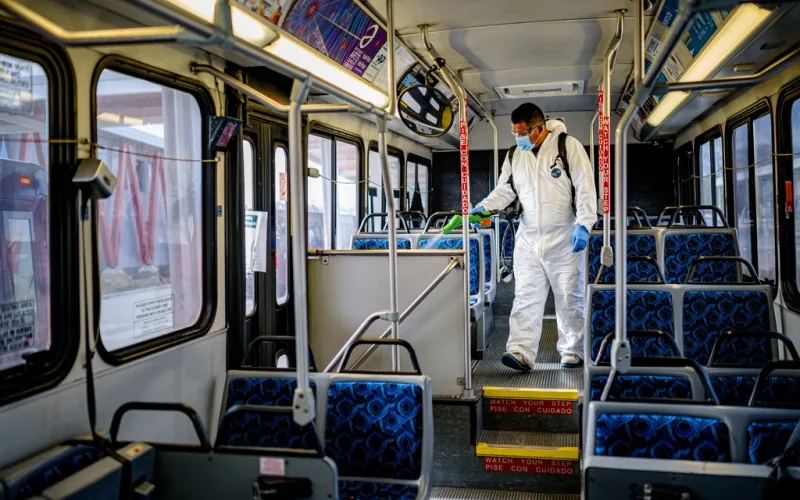
Photographs from real jobs carried out by the crew.
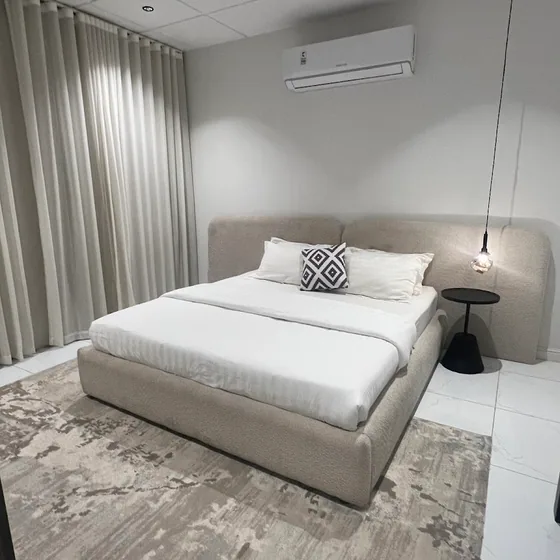
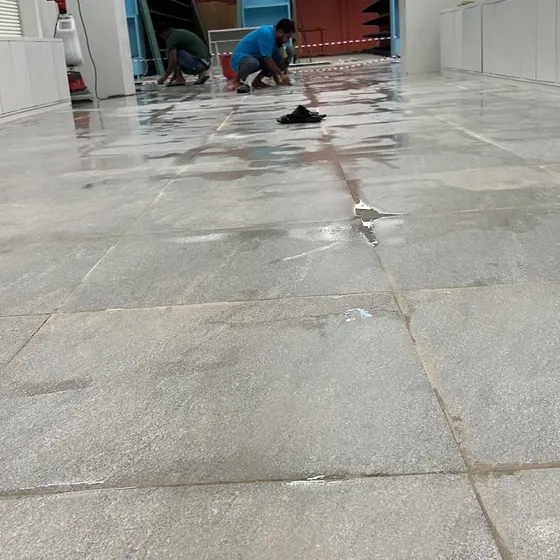
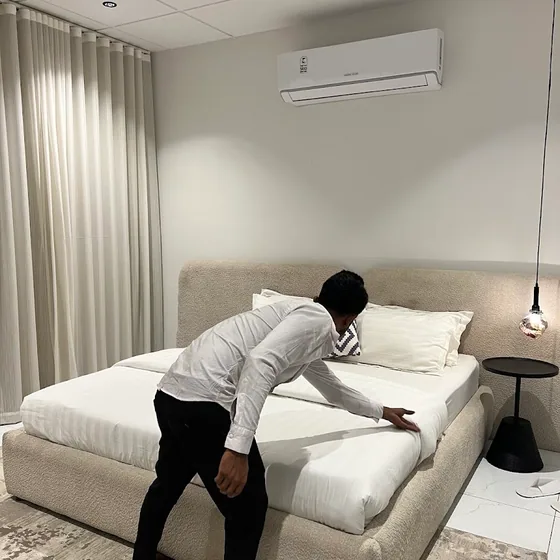
The commitment is simple enough to keep: we don't leave until someone on your side has walked the campus and signed it off.
We look at the job and agree the figure before any work begins, and nothing is added to it afterwards. If the scope changes during the visit we stop and ask you before carrying on.
At the end of the visit we walk the place with you. Anything you point at is redone in the same visit, not booked for another one, and at no extra cost.
We arrive when we said we would. If that becomes impossible you hear it before the appointment rather than after, because waiting without knowing how long is worse than a delay you were told about.
Everything we offer in this category, in a single visit if you need more than one.
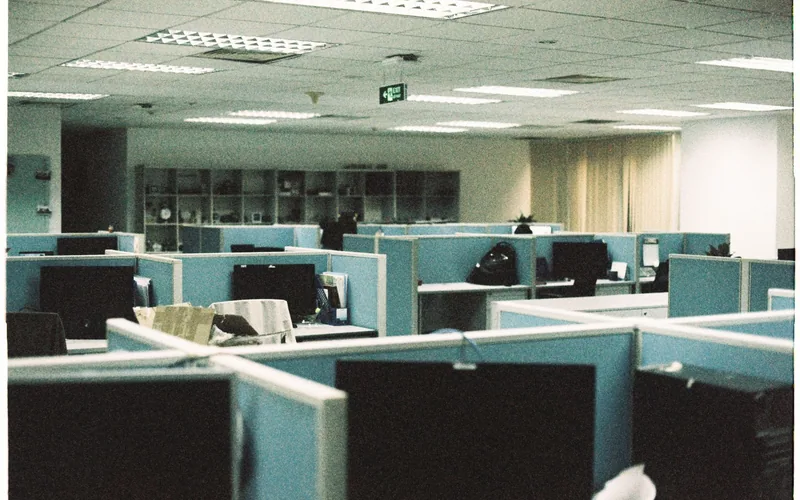
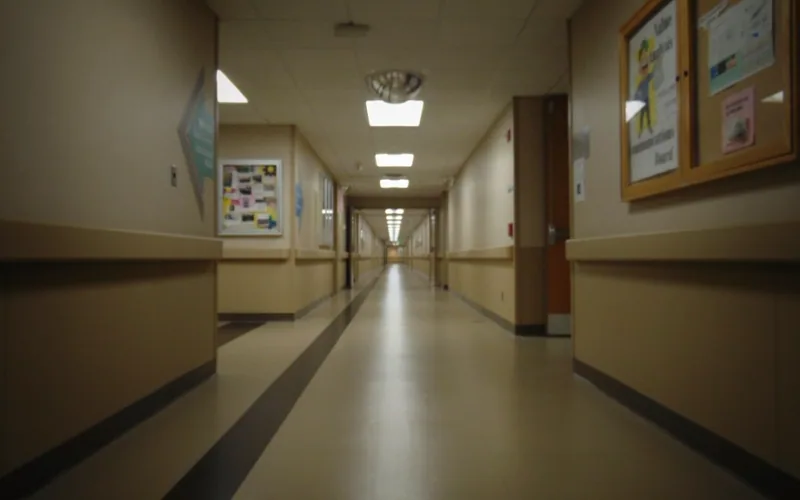
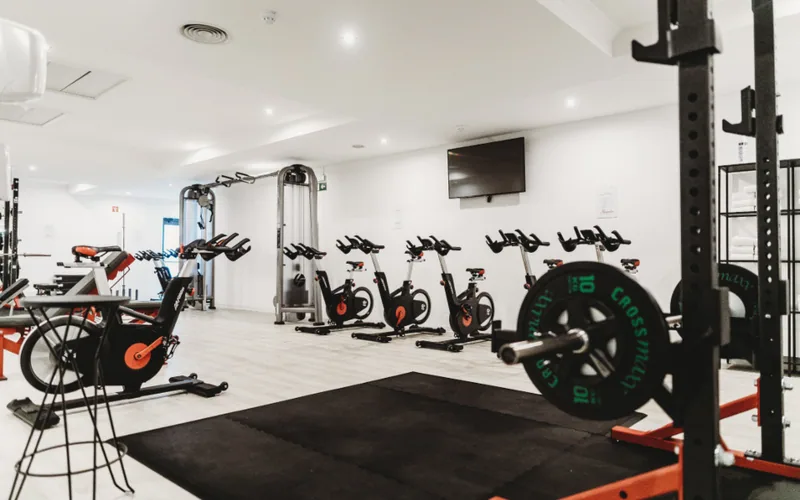
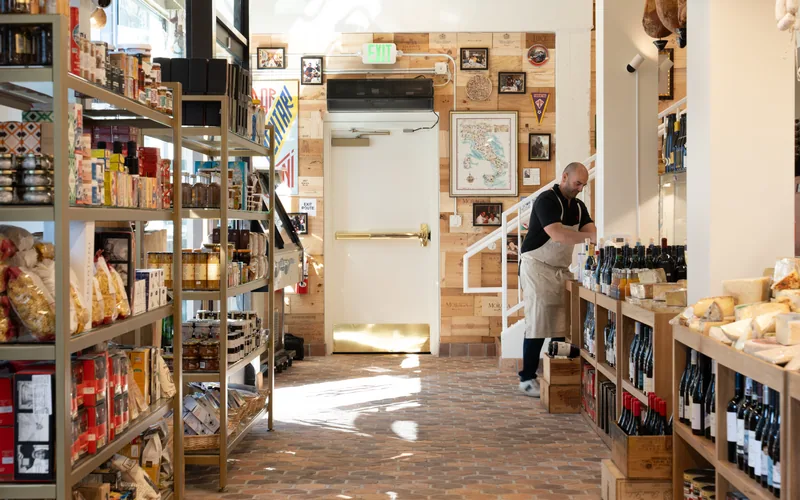
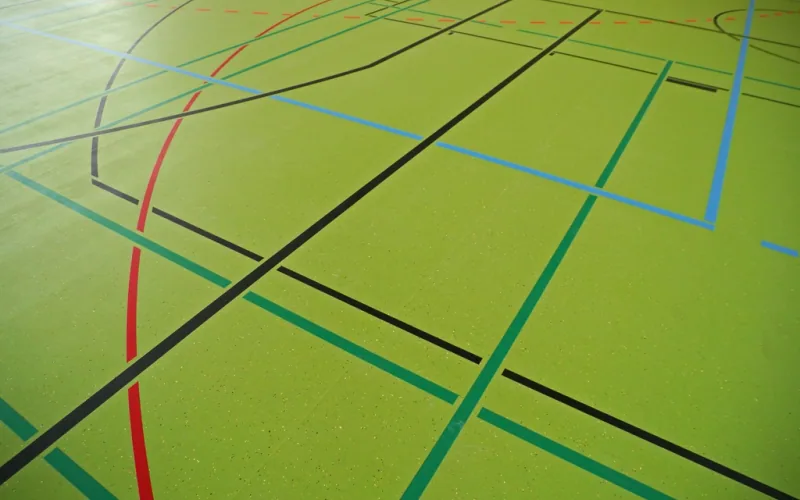

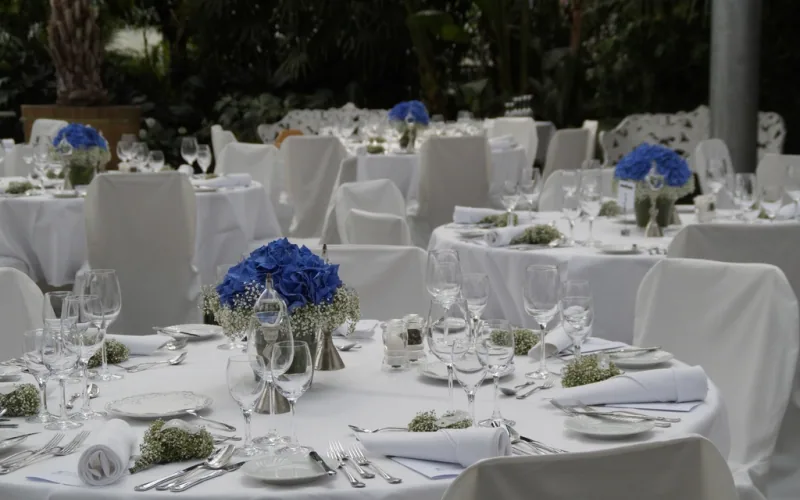


The crew and its equipment travel to you, and the price does not change with the district.
Four steps, and none of them commits you to paying before you have seen the price.
WhatsApp or a call. One photo is usually enough.
In writing, before you commit to anything. You approve it, or we adjust it.
At the agreed time, with everything the job needs.
A walk-through before we leave. The job is not closed until you are satisfied.
Send the number of classrooms and how often you need us, and you'll get the price and an available slot. No work starts before you approve the number.