
Total area and number of wings
A single office floor and a multi-wing complex are priced differently for a reason. We ask for the floor plan so the quote matches the building, not a guess.
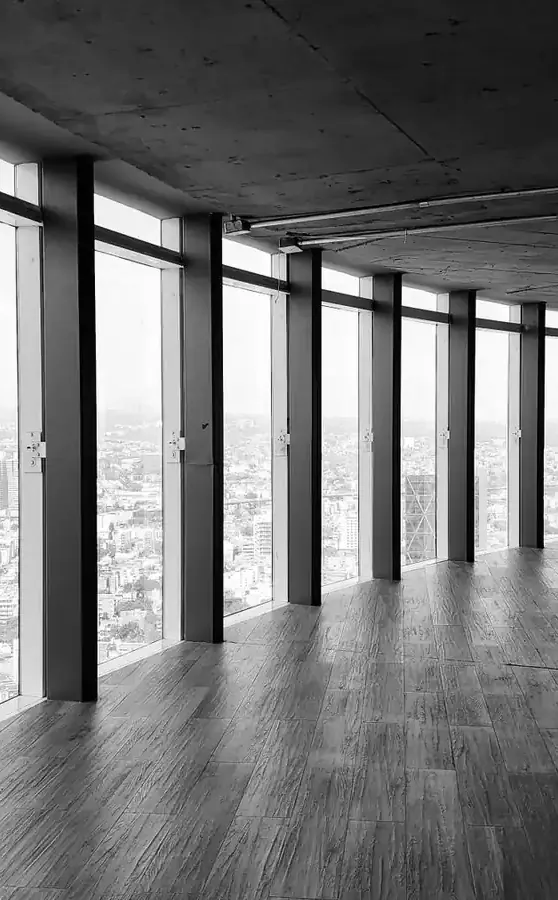
A government building is never empty for long. Citizens pass through the counters all day, floors take grit from every entrance, and restrooms are used far more than any private office. The place has to stay presentable while it stays open, which means the cleaning has to fit around the public, not stop the building to do it.
By the time visitors comment, the building has looked tired for a while. If one of these is familiar, the schedule needs a second look.
The service windows and waiting areas take the heaviest use in the building. If they look handled-over by noon, a single morning pass isn't keeping up with the footfall.
Grit walks in from the car park and the street on every shoe. Without a mat routine and a proper mop cycle, the shine near the doors never comes back.
Public restrooms in a busy building see more use in a morning than a home does in a week. One clean a day leaves them short by the afternoon.
Fingerprints on glass and signage are the first thing a visitor reads about a building. They build up fastest at entrances and counters, where the most hands land.
Staff kitchens collect crumbs and spills in places a quick wipe misses. Left alone, they become the reason you start seeing pests.
If the last full clean isn't written down anywhere, it has been longer than anyone thinks. A public building earns a schedule, not a guess.
The second list is the one that prevents disputes, it is usually in small print, or not written at all.
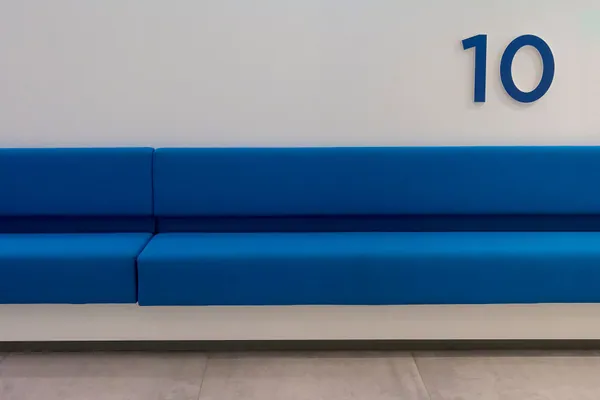
The busiest, most visible part of the building is cleaned as often as its traffic needs, not on one fixed round.
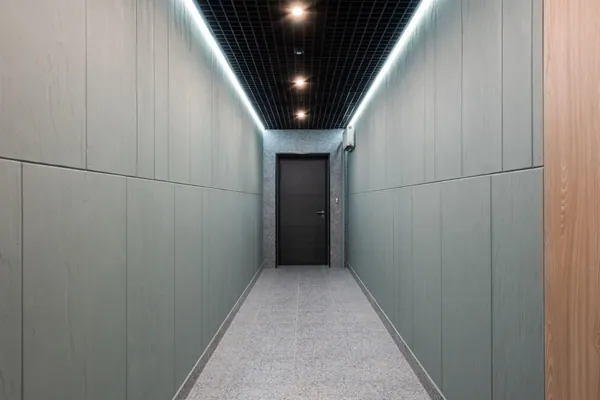
Surfaces, floors, and door handles, with corridors mopped in the direction people walk so dust is not carried room to room.
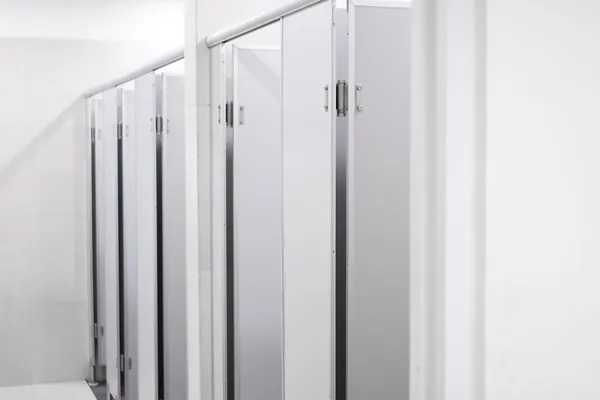
The most heavily used rooms in the building, cleaned, disinfected, and restocked on whatever rotation is agreed.
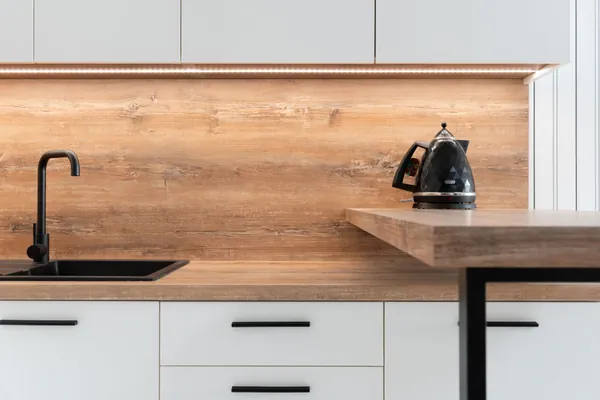
Counters, sinks, and the bins beside them, since this is where smells and insects start if they are neglected.
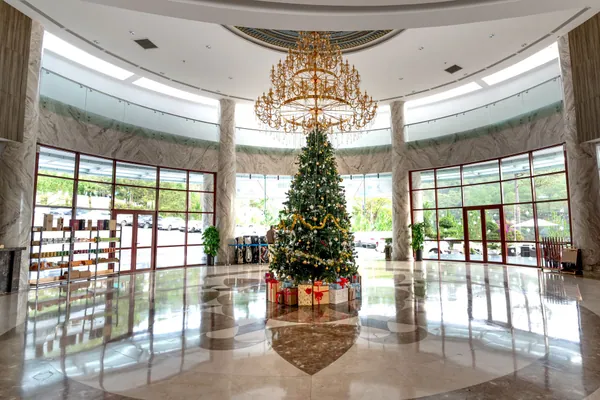
Marble is polished, carpet vacuumed, porcelain washed, and the schedule separates what happens daily from what happens periodically.
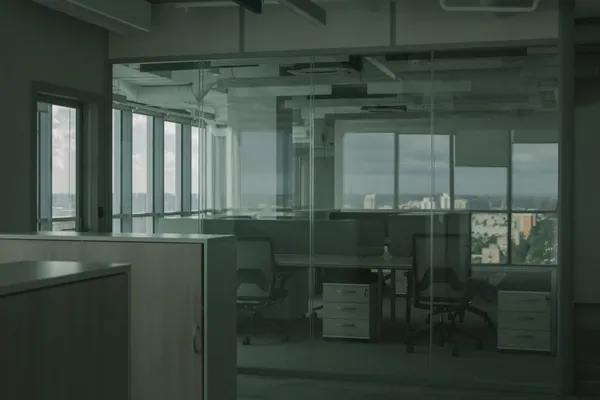
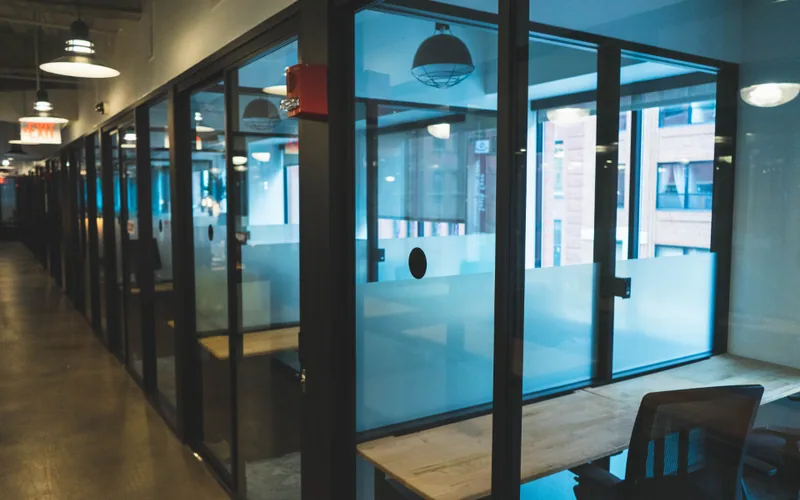
Glass partitions, internal doors, and entry panels, where fingerprints and dust show up most clearly.
If any of these is what you actually need, we say so at the survey, not after the contract starts. In most cases we can point you to the right trade even when the work isn't ours.
The order matters more than the effort. Cleaning a busy building in the wrong sequence means redoing the parts the public keeps using.
Which wings are public, which are restricted, where an escort is needed, and when each area is in use. That map decides the whole schedule.
Public areas cleaned before opening or after closing where we can; restricted and occupied areas on a schedule that doesn't stop your work. The window is set with your facilities contact, not assumed.
Counters, rails, door handles and glass, the things every visitor touches, before the day's traffic starts. This is where hygiene actually matters, so it goes first.
The busy restrooms are checked and cleaned through the day, not once in the morning. Consumables are refilled on the same round so they don't run out by noon.
Dusting and wiping drop grit and debris downward, so floors are done after the surfaces above them. Entrances get the most attention because they take the most grit.
Before the team signs off, we walk the areas with your contact. Anything pointed out is put right in the same visit.
We do not publish a fixed figure, because cases genuinely differ. These are the factors we ask about, so you know where your job sits before you call.
A single office floor and a multi-wing complex are priced differently for a reason. We ask for the floor plan so the quote matches the building, not a guess.
Daily, several times a week, or after-hours only, each changes the plan. Cleaning outside public hours takes coordination, and that's part of the scope, not a surprise.
A counter serving the public all day needs more attention than a back office. We match the effort to the traffic each area actually sees.
Restrooms are the most labor-heavy part of a public building. How many there are, and how heavily they're used, moves the scope more than square meters alone.
Polished stone, vinyl and carpet each need different handling and machines. The finish you have decides the method, and the method affects the time.
Send a floor plan and the areas you want covered on WhatsApp, and you get a scope and an estimate before you commit to anything.
Both have a place. Here is the honest difference for a building the public uses, not the sales version.
Every wing, every restroom, every entrance on a single plan you can see. Nothing depends on remembering to ask for it.
We send a team, not one person left to cover a whole building alone. Large sites get finished inside the window instead of spilling across days.
Machines, materials and consumables come with the team. Nothing waits because a floor machine is at another site or a cupboard ran empty.
If a job needs a plumber or an electrician, we tell you rather than paint over it. The visit you don't need costs us more trust than it earns.
Photographs from real jobs carried out by the crew.
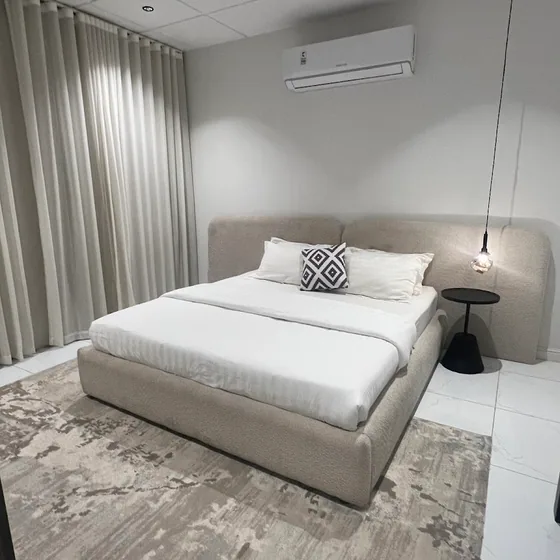

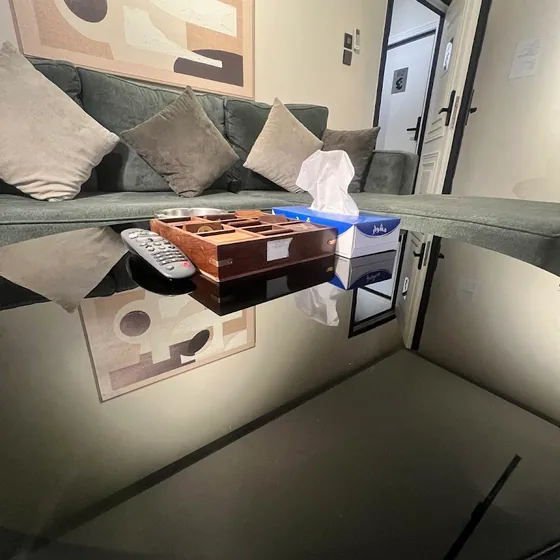
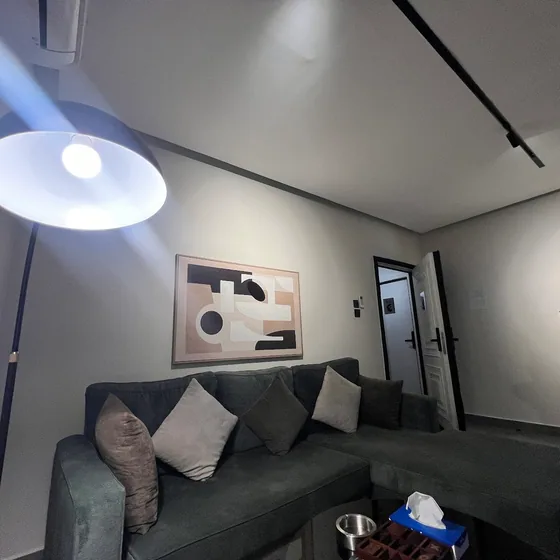
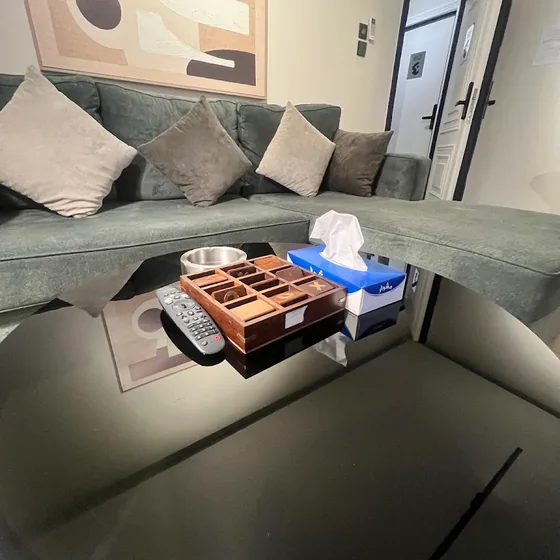

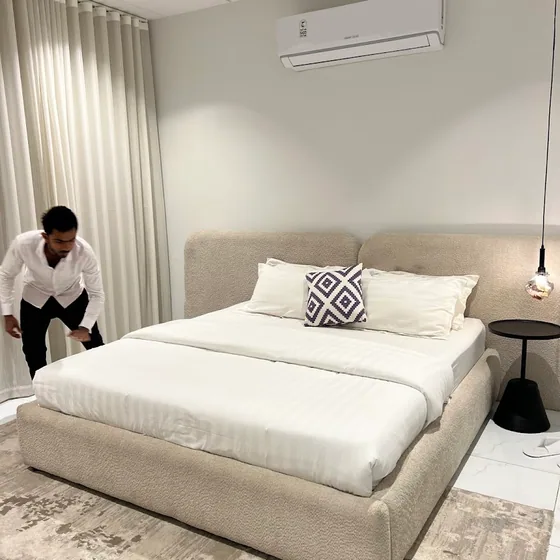
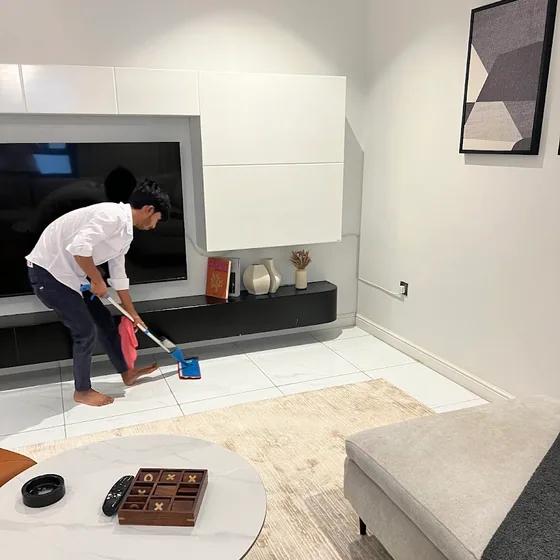
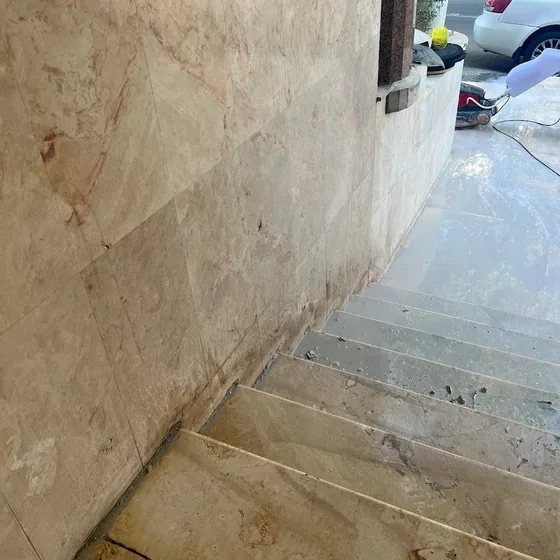
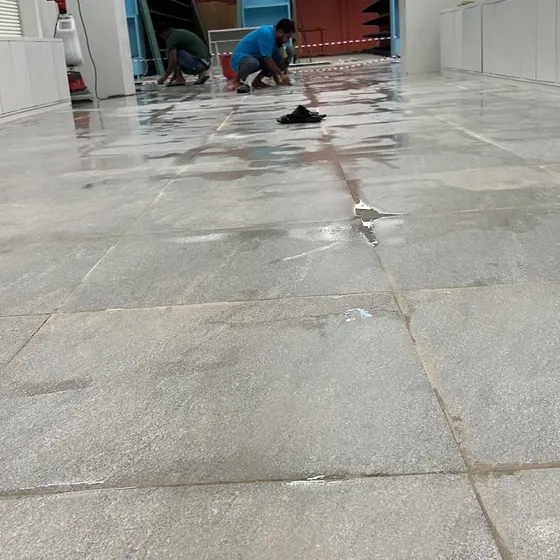
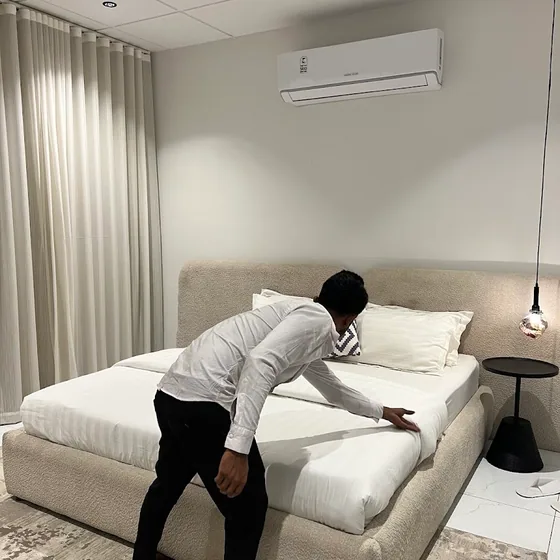
The commitment is small enough to actually keep: nobody leaves until your facilities contact has seen the work and said their piece.
We look at the job and agree the figure before any work begins, and nothing is added to it afterwards. If the scope changes during the visit we stop and ask you before carrying on.
At the end of the visit we walk the place with you. Anything you point at is redone in the same visit, not booked for another one, and at no extra cost.
We arrive when we said we would. If that becomes impossible you hear it before the appointment rather than after, because waiting without knowing how long is worse than a delay you were told about.
Everything we offer in this category, in a single visit if you need more than one.
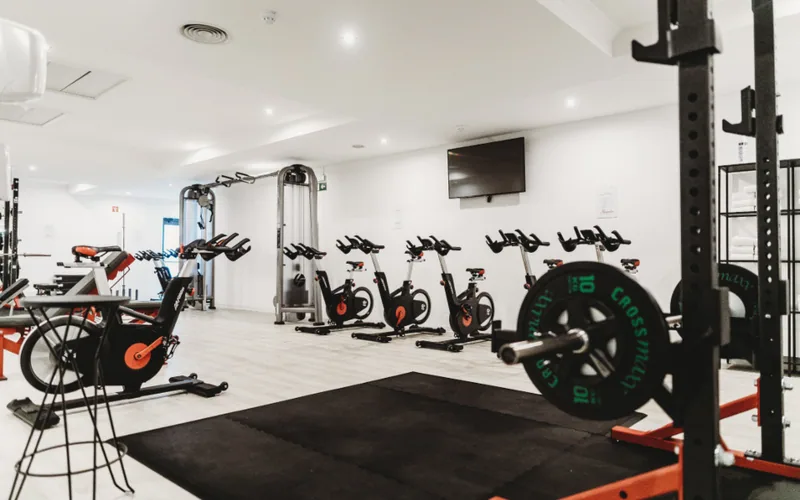
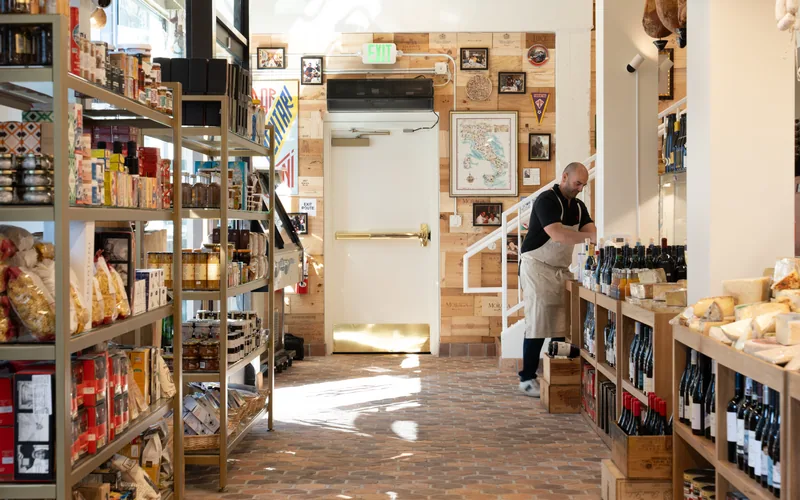
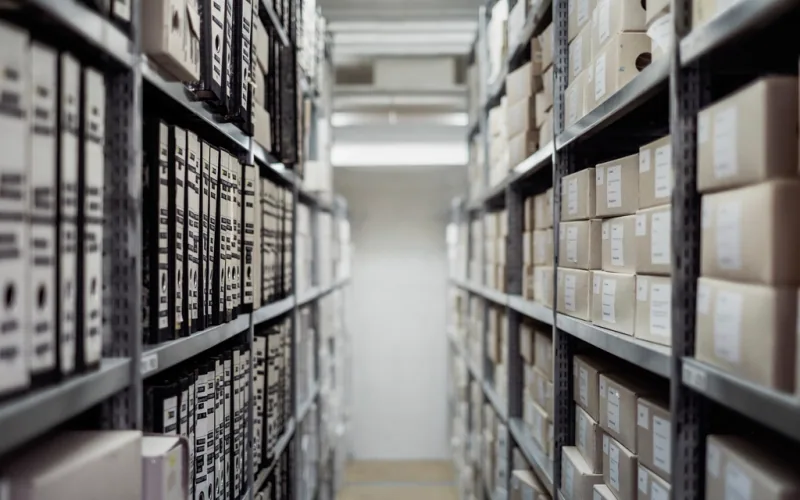

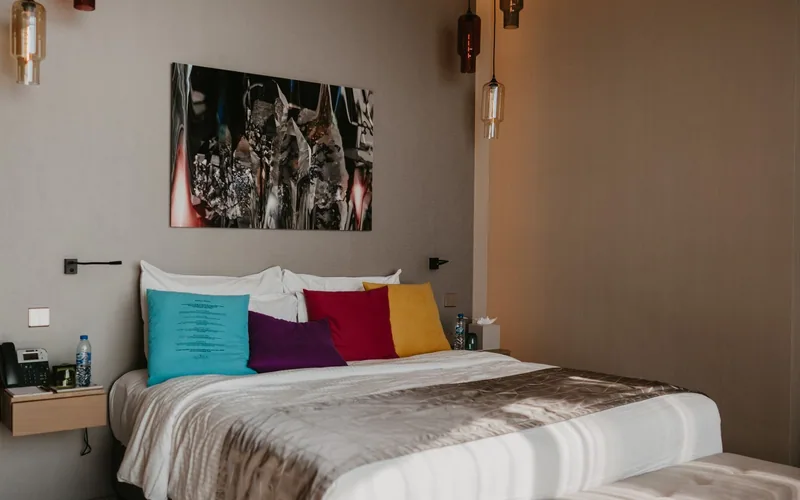
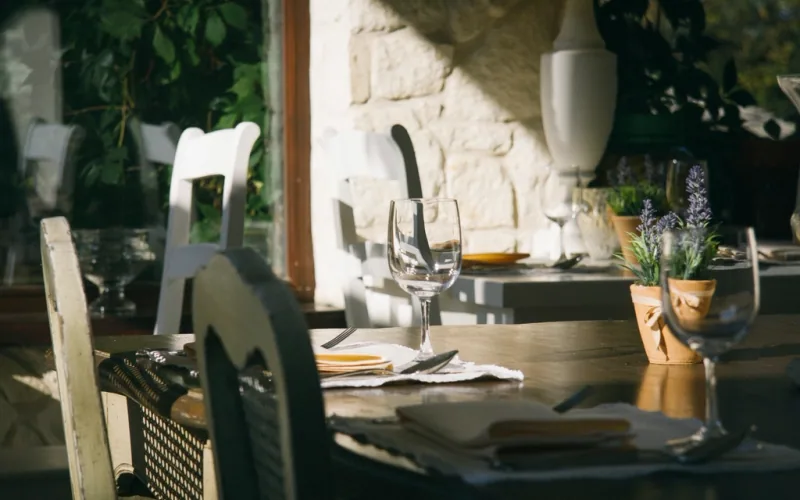
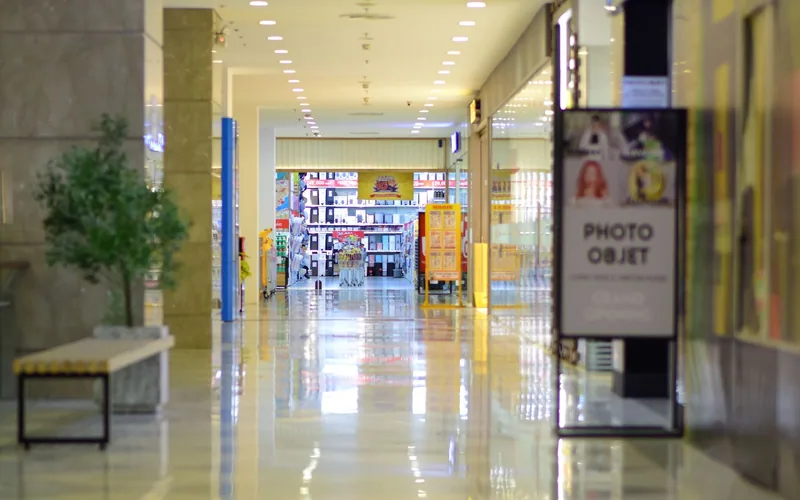
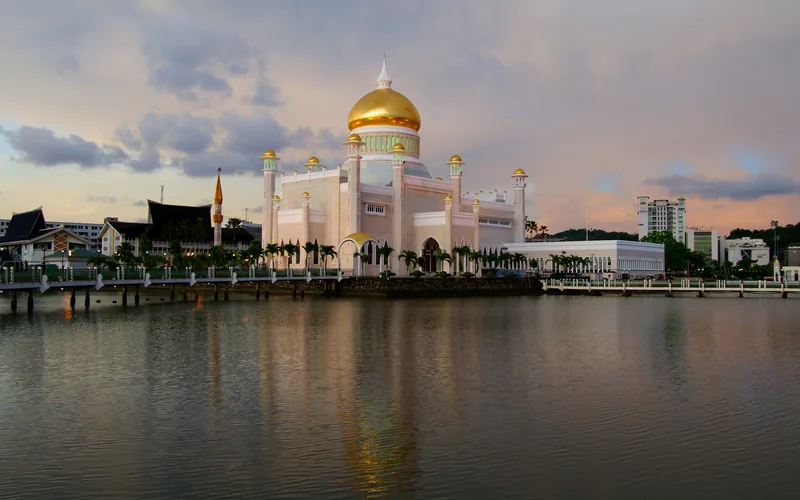

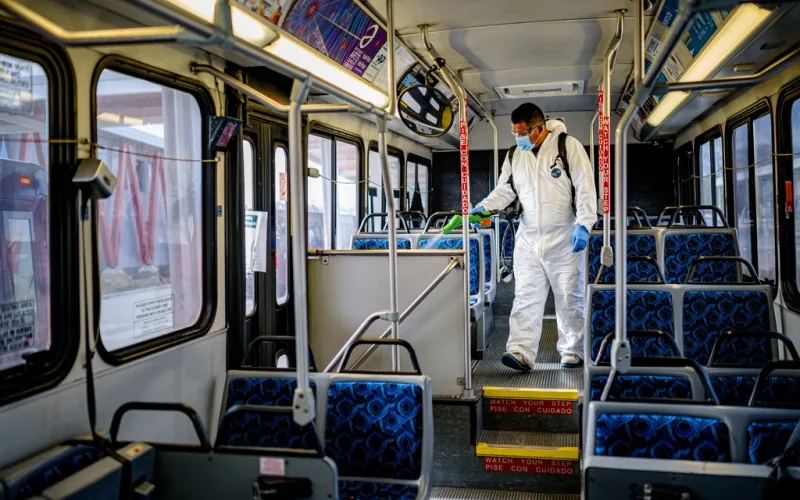
The crew and its equipment travel to you, and the price does not change with the district.
Four steps, and none of them commits you to paying before you have seen the price.
WhatsApp or a call. One photo is usually enough.
In writing, before you commit to anything. You approve it, or we adjust it.
At the agreed time, with everything the job needs.
A walk-through before we leave. The job is not closed until you are satisfied.
Send a floor plan and the areas you want covered, and you get a scope and a schedule before anything starts. No work begins until the plan and the price are agreed.