
Guest count and venue size
A small gathering and a full hall are different jobs. The number of guests and the area to cover set how much of the crew stays through the event.
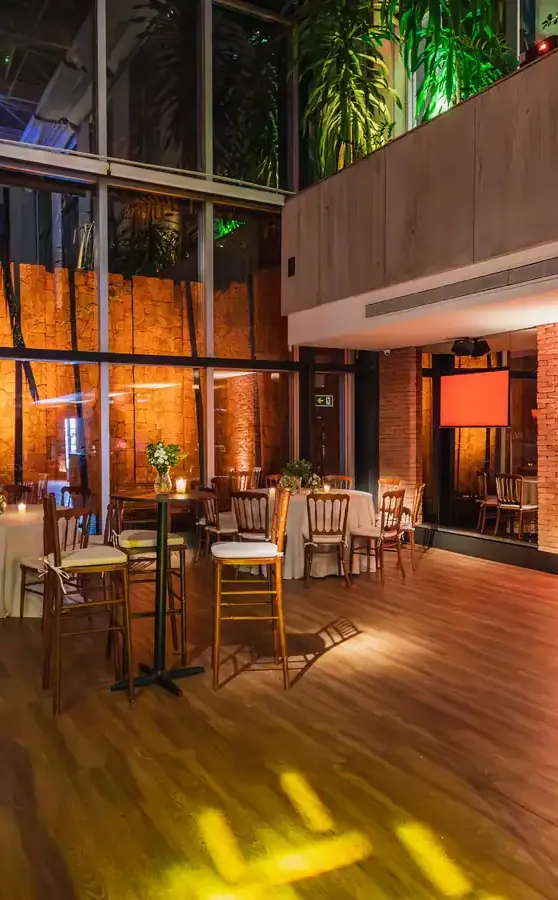
An event is judged in the details guests notice without meaning to: a clean restroom, a table cleared before anyone asks, a floor with no cups on it. That does not come from one sweep at the end. It comes from a crew staged through the event, setting up before doors, moving through the room while it runs, and turning the venue back around after. The mess of an event is continuous, so the cleaning has to be too.
Not every gathering needs a crew, but some create more than a venue's own staff can hold. If one of these fits your event, plan the cleaning in, do not improvise it.
A full hall generates waste faster than one or two people can clear it. Past a certain size, tables and bins overflow while staff are busy elsewhere, and guests notice.
Catering means spills, dropped plates, and buffet mess on a loop. Someone has to be clearing it as it happens, not discovering it at the end.
At a busy event the restrooms turn over fast. They are the one place a guest judges hardest, and they need checking on a cycle, not once.
If the venue has to be reset for the next booking the same day or the next morning, teardown cleaning cannot wait for regular staff to get to it.
Open venues collect dust, sand, and wind-blown litter before guests even arrive, and the ground shows every dropped item. They need a pass before doors and constant tending during.
Rented halls and spaces usually come with a clean-return condition. Missing it costs a deposit, and a proper teardown is cheaper than losing it.
The second list is the one that prevents disputes, it is usually in small print, or not written at all.
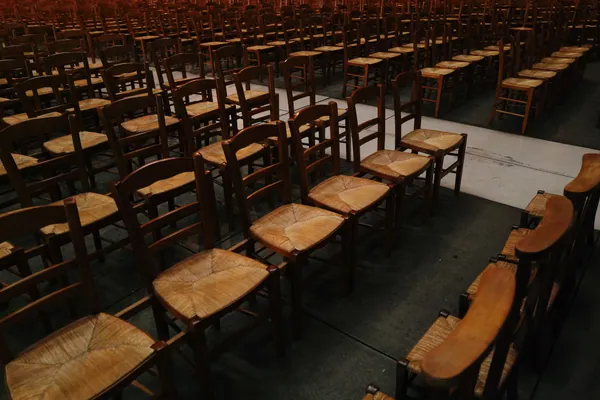
We walk the venue and go through your schedule, so we know what is cleaned beforehand and when the crew steps in.
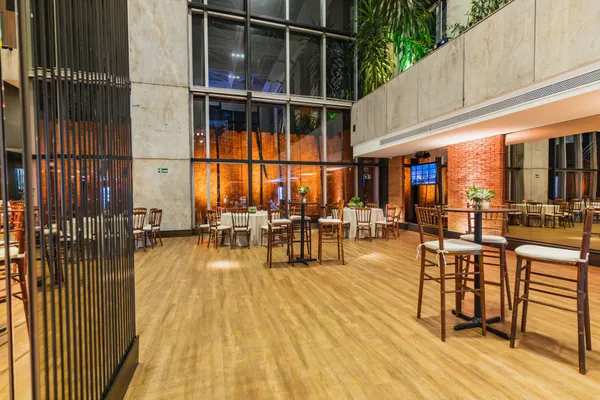
Chairs and tables dusted, entrance glass done, and the floor mopped before the room is laid out for guests.
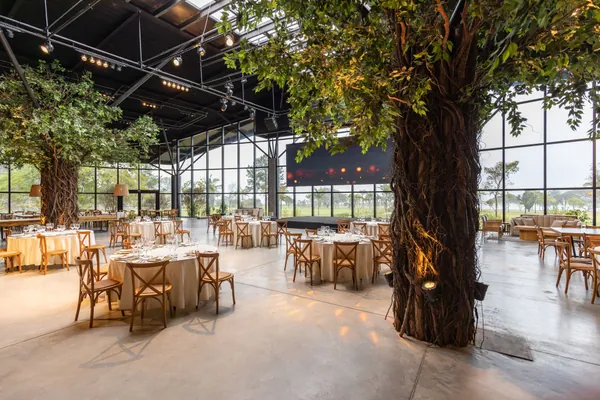
Quiet rounds on restrooms, bins, and floors between stages of the program, kept out of the guests' way.
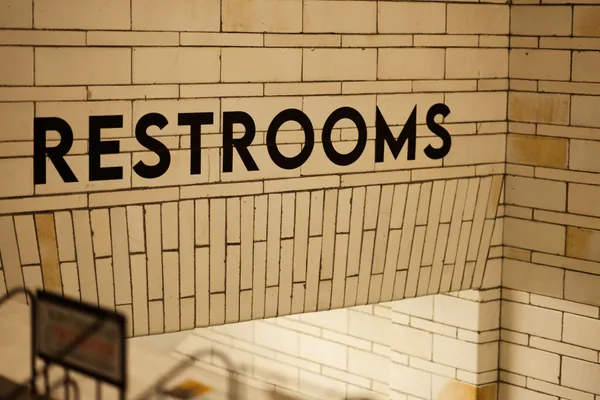
Checked on a cycle, cleaned, and restocked, because they are what a guest notices first and what fills fastest.

A spill is dealt with the moment it lands, since it is a slip risk long before it dries into a stain.
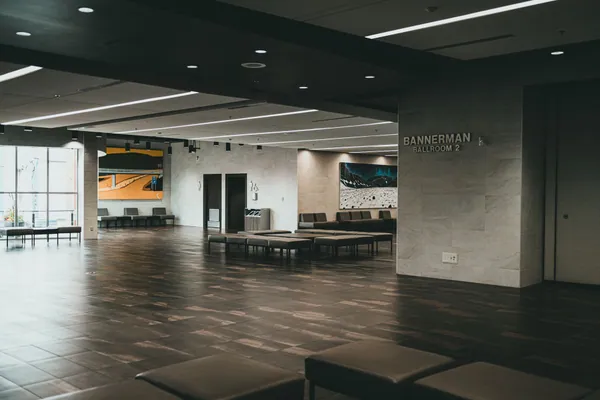
After the last guest leaves, waste is pulled, floors are mopped, and the venue goes back to handover condition.
If something falls outside what we do, we say so when we plan the coverage, not on the night. In most cases we point you to who does handle it even when it is not ours.
The work is staged around the event, not dropped on it at the end. Trying to clean an event in one pass afterward is how a venue misses its return condition.
Guest count, catering, indoor or out, and the return condition all change the plan. We walk the venue and agree the stations and the crew's movements before the day.
Floors, surfaces, and restrooms are done and stocked before the first guest. The room starts clean so the crew is keeping it, not chasing it.
Bins and supplies are placed where the crew can reach them fast but guests do not see them. Swapping a staged bin is quicker than hauling one across the room.
Through the event the crew clears tables, cups, and spills as they appear and works the restroom rotation. The aim is a room that never looks like it needs cleaning.
The restrooms are checked and restocked on a cycle rather than when someone complains. At a busy event this is the difference guests remember.
After the event the venue is stripped, floors done, and waste removed, then we walk it with you against the return condition. Anything you point to is handled before we leave.
We do not publish a fixed figure, because cases genuinely differ. These are the factors we ask about, so you know where your job sits before you call.
A small gathering and a full hall are different jobs. The number of guests and the area to cover set how much of the crew stays through the event.
A short reception and an all-day conference need different coverage. The hours on site, setup, event, and teardown, are the main driver.
A dry event and a full sit-down dinner leave very different messes. More food and drink means more clearing during and more teardown after.
Open and tented venues take extra work against dust, sand, and wind-blown litter, before and during. The setting changes the plan.
Handing the venue back the same night to a strict return condition, or resetting it for a next-day booking, is more than a relaxed teardown. We factor the deadline in up front.
Send the venue, the date, the guest count, and whether it is catered on WhatsApp, and you get an estimated price and plan before you commit to anything.
A venue's own staff can hold a small room. Here is where a full event outgrows them, without the sales pitch.
Walking the venue and agreeing the coverage first is what keeps the night from being improvised. A plan set in advance is a plan the crew can actually run.
We staff the event through its stages, setup, during, and teardown, instead of sending one person to clean up at the end. The room stays clean because someone is always keeping it.
The waste stations, bags, and restroom stock come with the crew. No running short mid-event because the venue ran out.
We walk the venue with you against its return condition before we leave, so a rented space is handed back in the state that protects your deposit.
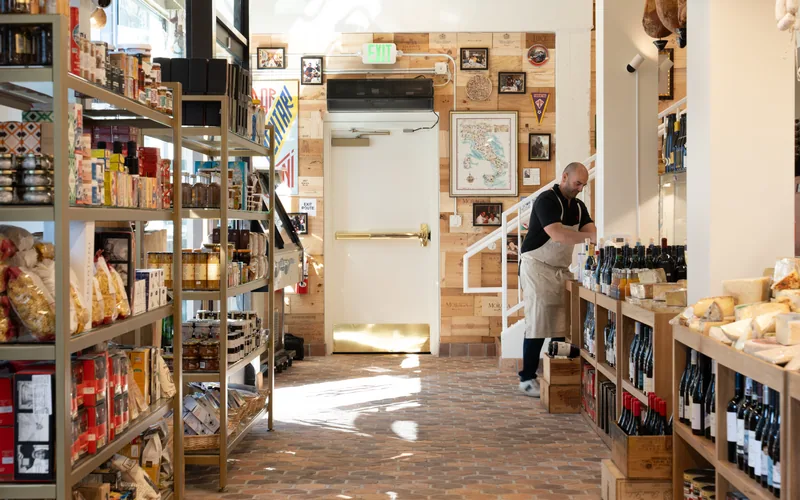
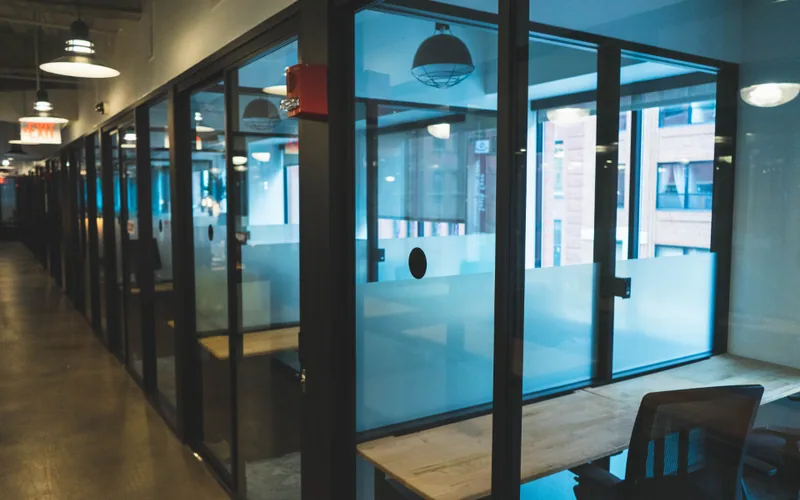
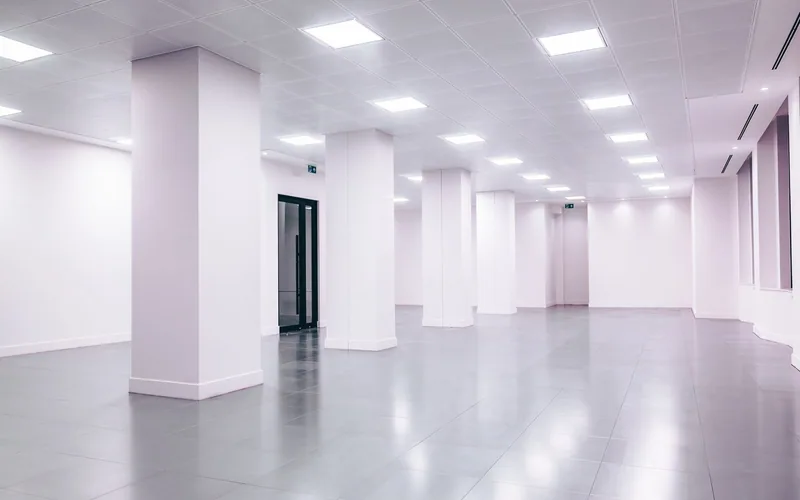
Photographs from real jobs carried out by the crew.
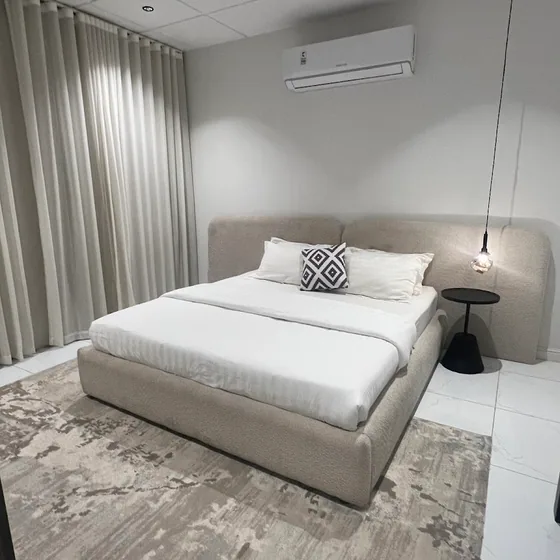

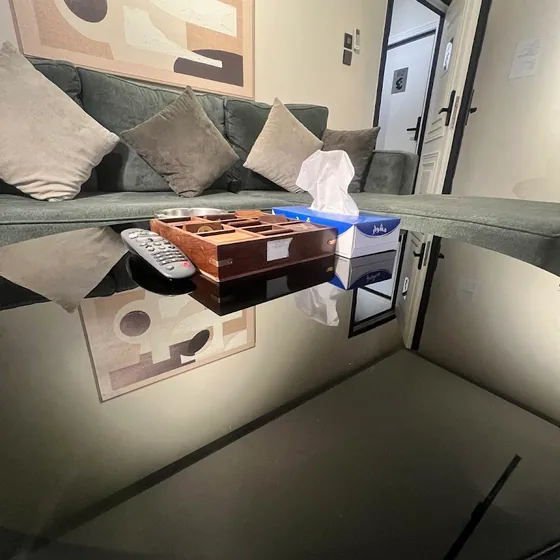
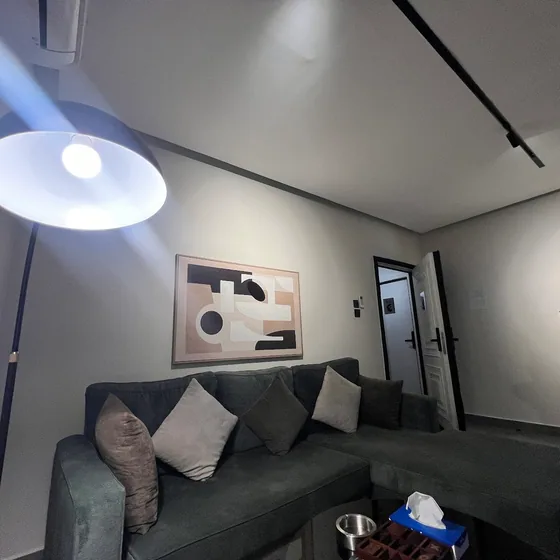
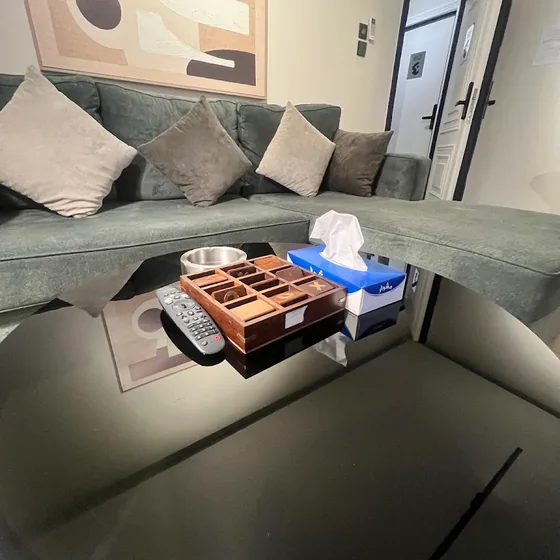

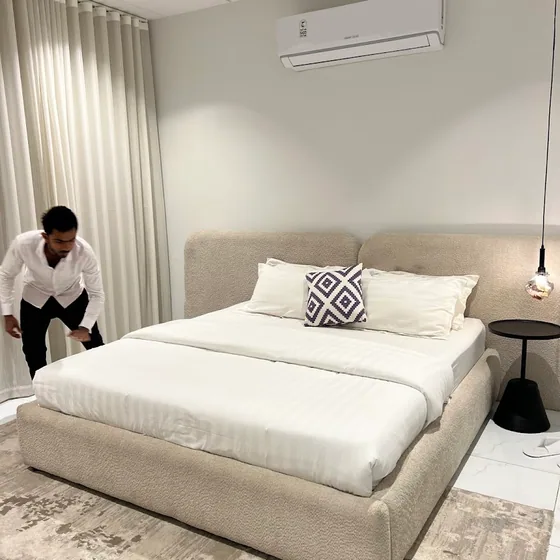
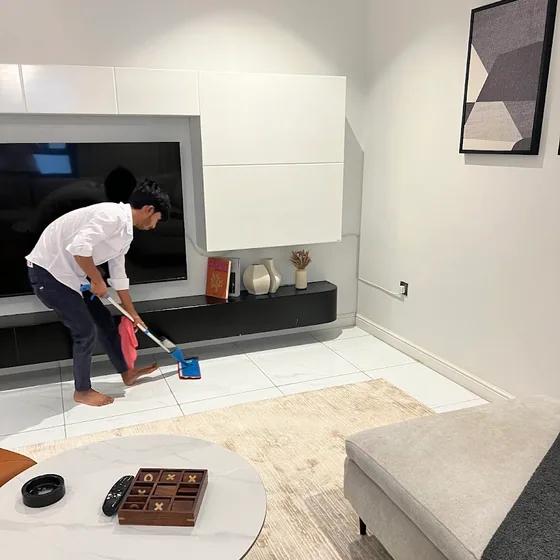
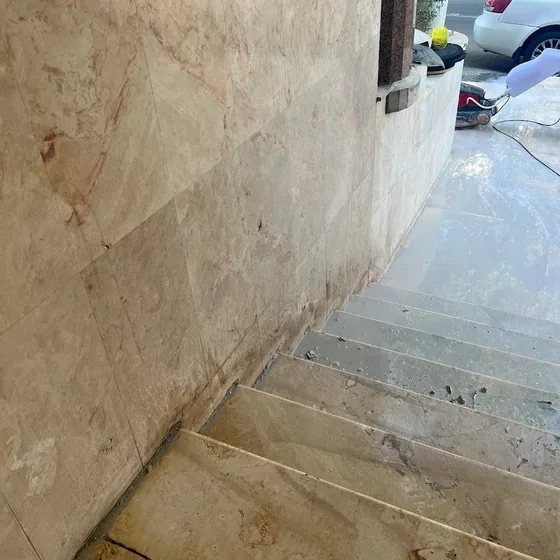
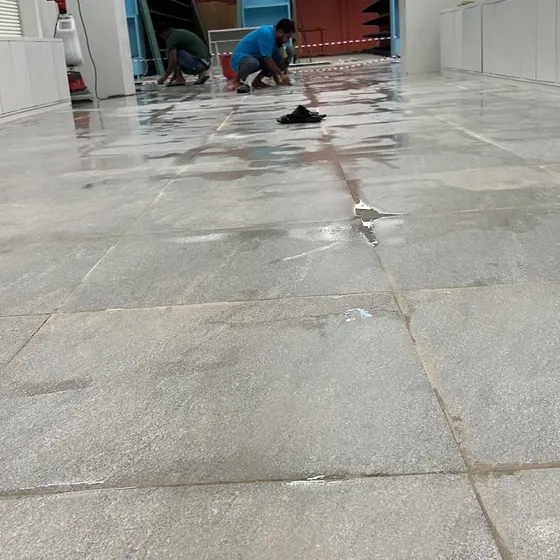
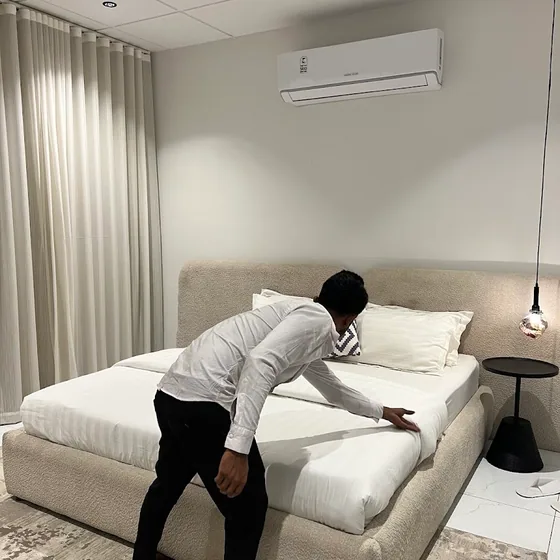
The commitment is simple enough to keep: we do not leave before you have walked the venue and agreed it is handed back the way it should be.
We look at the job and agree the figure before any work begins, and nothing is added to it afterwards. If the scope changes during the visit we stop and ask you before carrying on.
At the end of the visit we walk the place with you. Anything you point at is redone in the same visit, not booked for another one, and at no extra cost.
We arrive when we said we would. If that becomes impossible you hear it before the appointment rather than after, because waiting without knowing how long is worse than a delay you were told about.
Everything we offer in this category, in a single visit if you need more than one.



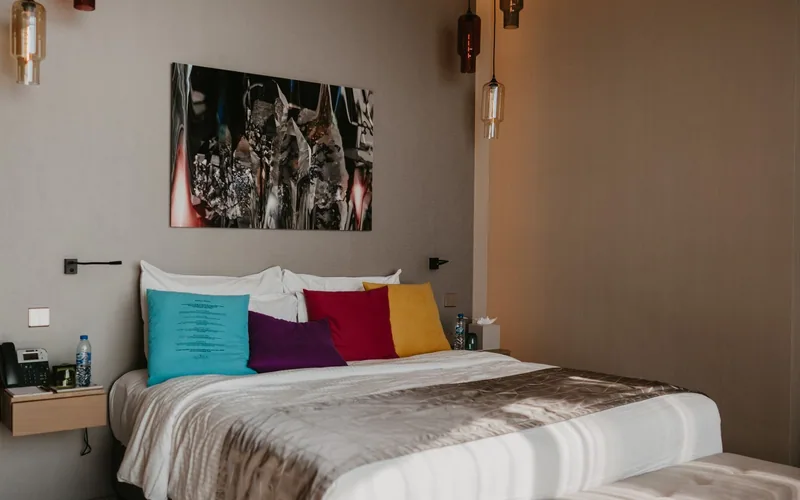
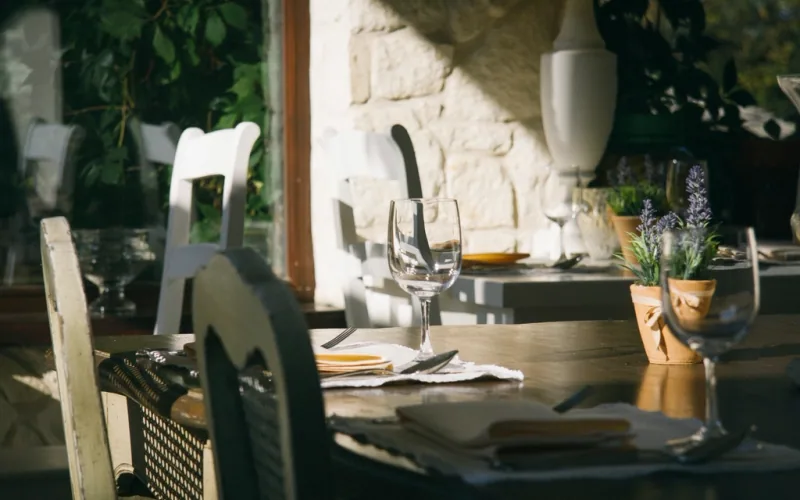
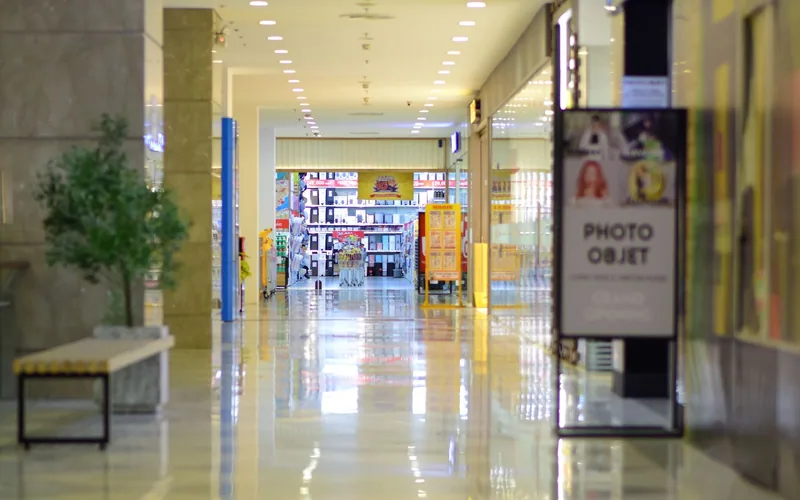

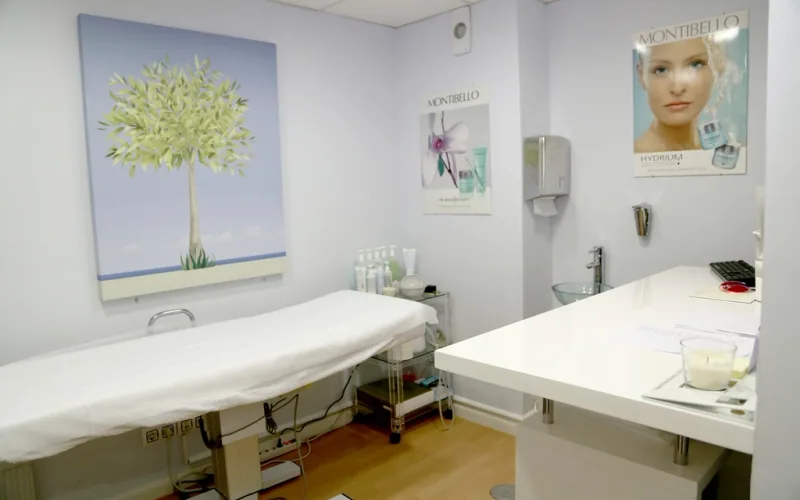

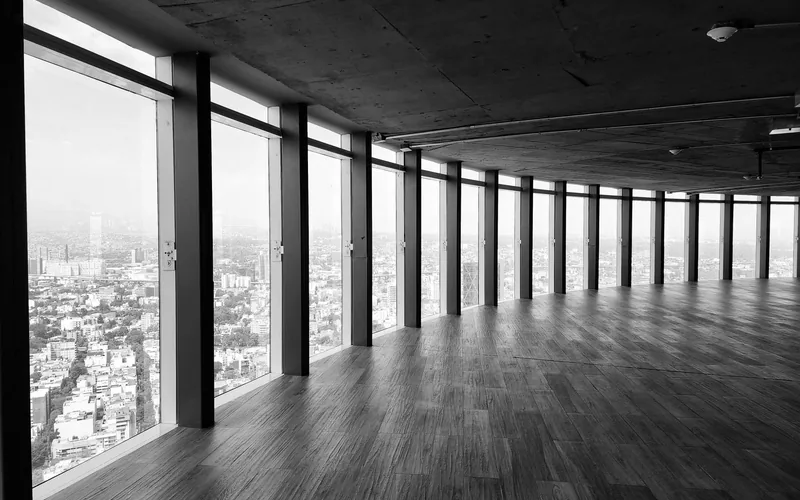
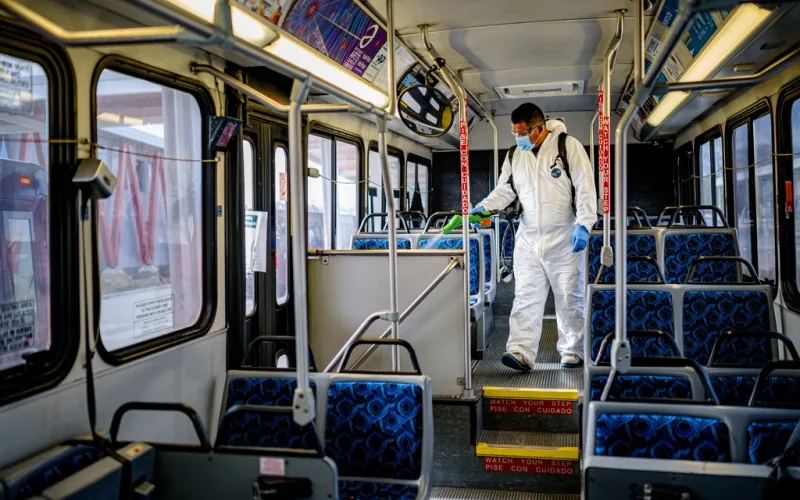
The crew and its equipment travel to you, and the price does not change with the district.
Four steps, and none of them commits you to paying before you have seen the price.
WhatsApp or a call. One photo is usually enough.
In writing, before you commit to anything. You approve it, or we adjust it.
At the agreed time, with everything the job needs.
A walk-through before we leave. The job is not closed until you are satisfied.
Send the venue, date, guest count, and whether it is catered, and you get an estimated price and a coverage plan. No work starts before you agree the number.