
Floor area and layout
An open floor and a warren of small offices with the same square meterage clean very differently. We look at the plan, because area alone doesn't tell the real story.
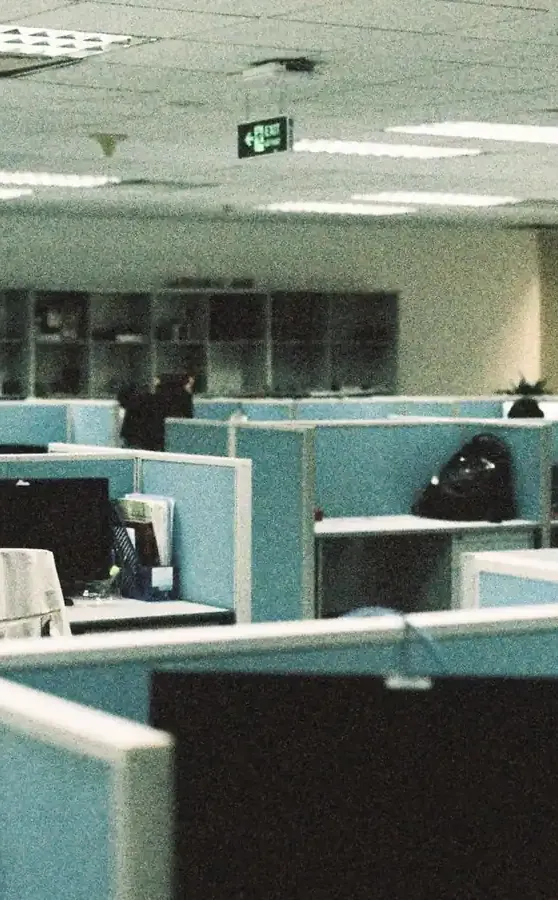
An office looks clean long after it has stopped being clean. The dust that matters settles on the tops of partitions and cable trays where no one looks, and the germs that spread sit on door handles, shared keyboards and the coffee-point tap, surfaces touched constantly through the day. A quick wipe of the visible desk misses both. A routine that follows the traffic, not the eye, does not.
The smell is the last sign, not the first. If one of these fits your floor, it is already overdue.
When one cold moves through the whole floor, the shared surfaces are carrying it, handles, keyboards, the kettle. Wiping the visible desk does nothing to these.
That dull, slightly greasy layer on monitors and desk lips is skin oil and airborne dust settling together. It builds slowly, so no single day looks bad, but it is always there.
If the office greets you with a closed-room smell before anyone opens a window, dust and damp have settled into carpet and soft surfaces overnight. Airflow alone won't clear it.
The paths from the door to the desks turn a shade darker than the rest. That is ground-in grit, and once it's set it needs proper extraction, not a vacuum pass.
If waste is spilling over by mid-afternoon, the emptying schedule no longer matches how the office is actually used. It's a sign the whole routine needs re-fitting to the traffic.
When you find yourself checking a room before a client sees it, the standard has already slipped below where it should sit by default.
The second list is the one that prevents disputes, it is usually in small print, or not written at all.

Surfaces wiped and touch points disinfected, with your papers and equipment left exactly where you put them.
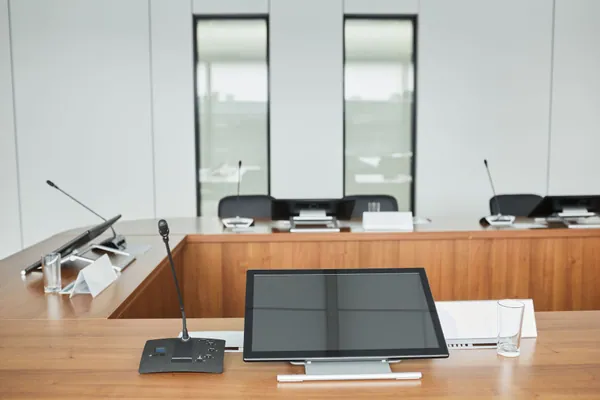
The table, chairs, glass and display screen, because this is the first room a visitor sees.
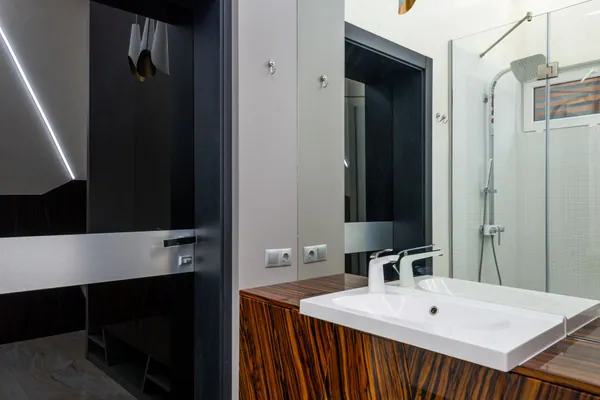
Basins, mirrors and the floor around the fittings are sanitised properly, rather than given a quick surface wipe.
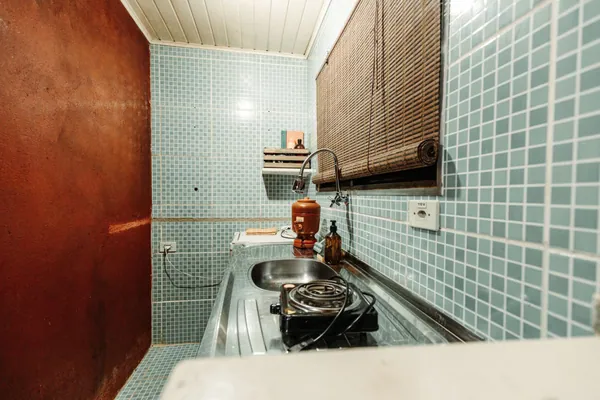
The sink, the prep counter and the inside of the microwave, which is where smells begin.
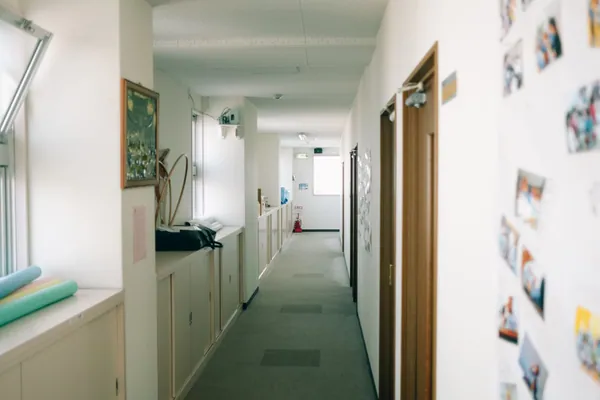
Swept and mopped, with the dark traffic lanes that a routine mop leaves behind treated separately.
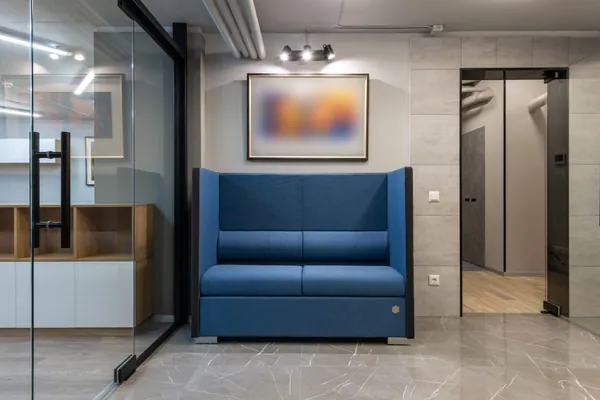
Partitions, doors, handles and switches, the things every hand touches, disinfected rather than simply wiped over.
If your job includes one of these, we say so at the walk-through, not after you've paid. In most cases we can point you to the right trade even when the work isn't ours.
The order is not a detail. Cleaning low before high, or floors before surfaces, just moves dirt around, and that is the most common thing we're called in to correct.
Before anything, we map the space with you: which rooms, how often, where access is restricted and what the priorities are. The checklist comes out of that walk, so nothing is assumed.
Handles, switches, shared keyboards and taps are disinfected first, while cloths and the surface are still clean. Leave them to the end and you're wiping them with a tired cloth.
We clean the desk surface and equipment around your things. Papers and personal items are left exactly where they are, we don't tidy what isn't ours to move.
Each area has its own color-kept cloths and tools. The same cloth never travels from a toilet to a coffee counter, that single rule is what keeps cleaning from spreading germs instead of removing them.
Vacuuming and mopping close the visit. Dust knocked loose from higher surfaces needs a moment to fall before floors are done, or it just lands again after you've gone.
We go over the floor with whoever is on your side before leaving. Anything pointed out is redone in the same visit.
We do not publish a fixed figure, because cases genuinely differ. These are the factors we ask about, so you know where your job sits before you call.
An open floor and a warren of small offices with the same square meterage clean very differently. We look at the plan, because area alone doesn't tell the real story.
Daily, a few times a week, or weekly, the frequency changes how much builds up between visits, and that changes the work each visit takes.
A floor of hot desks and shared kitchens has far more touch points than the same area of private offices. More shared surfaces means more disinfection, not just more wiping.
A floor kept up routinely is not the same as one that has slipped. The first visit on a neglected office may need more work to reach the baseline, and we say so before we begin.
Carpet extraction, internal glass or a kitchen deep clean folded into a regular visit costs less than a separate trip, because the team and setup are already on site.
Send a floor plan or a few photos on WhatsApp with how often you need us, and you get the price and an estimated schedule before you commit to anything.
It's a fair question, and a single cleaner works for some offices. Here is the honest difference, not the sales pitch.
Evenings, early mornings or weekends, we fit the clean to when the office is empty, so your day isn't interrupted and access is straightforward.
We send a team, not a single person, so a whole floor is finished in one visit instead of being stretched across days.
Vacuums, extractors and separated cloth sets arrive with the team. No waiting because a machine is at another site.
The scope is written down, room by room, and we walk it with you before leaving. There's no argument about what was meant to be done.
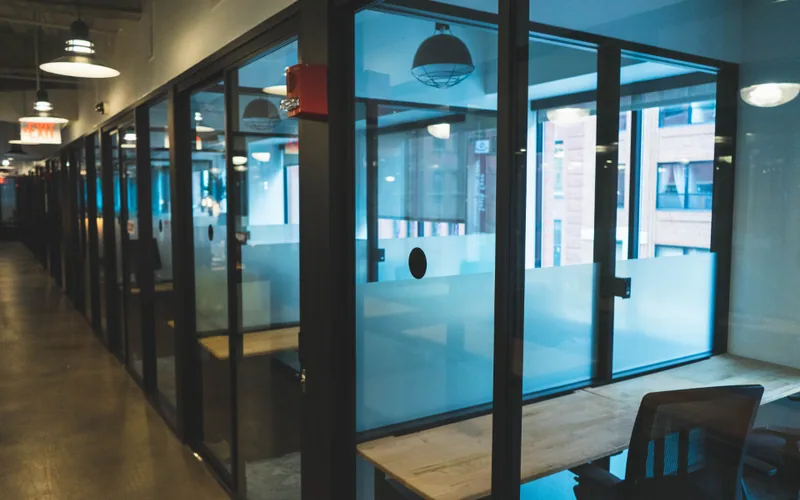
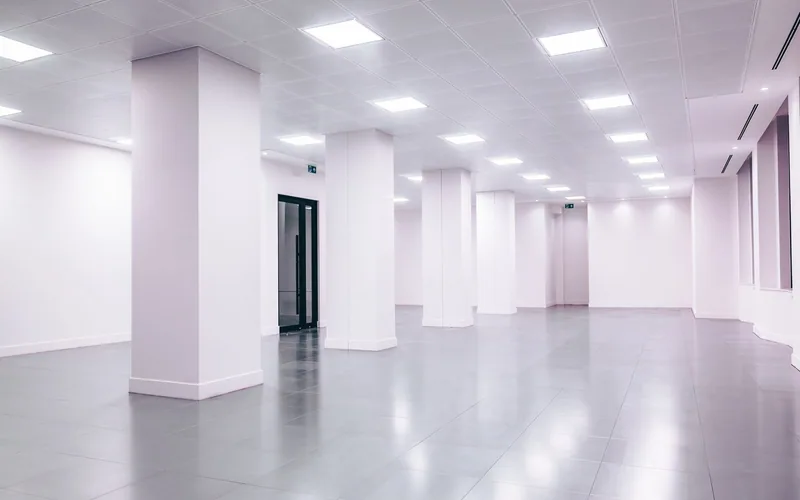
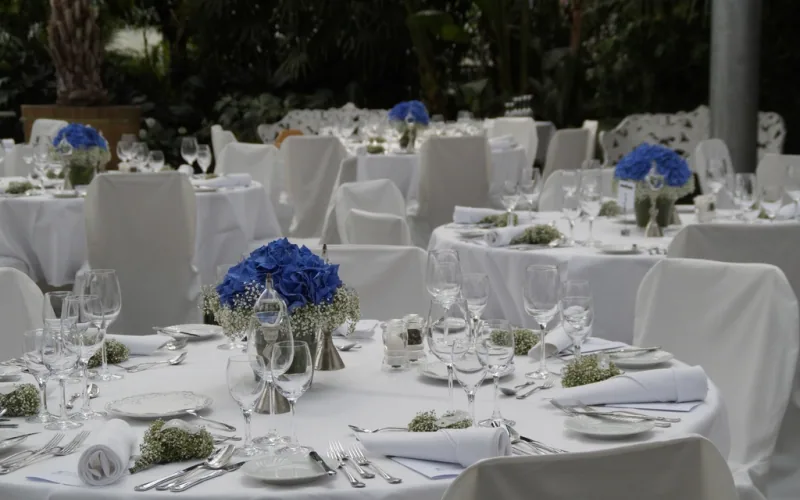
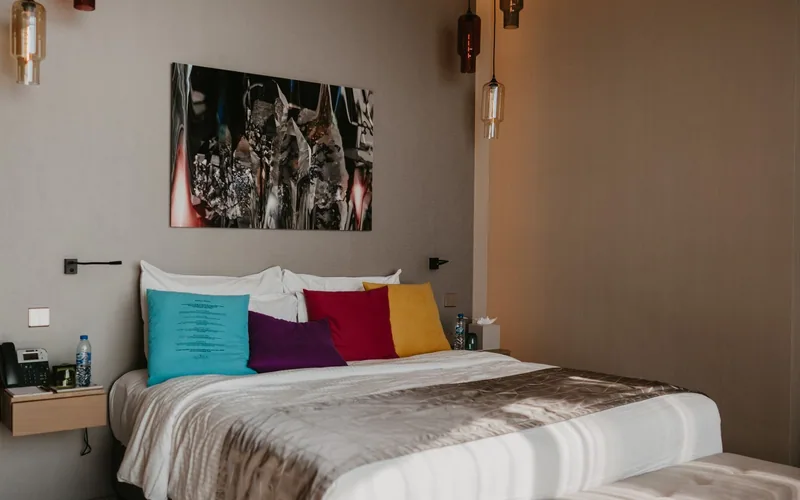
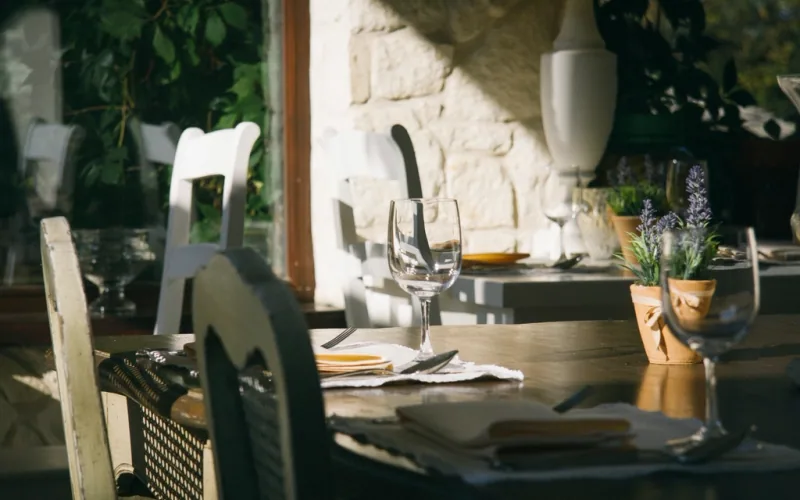
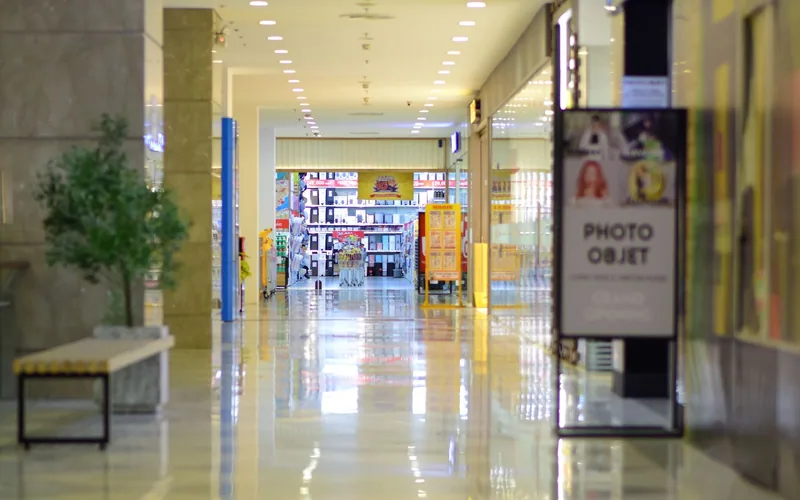
Photographs from real jobs carried out by the crew.
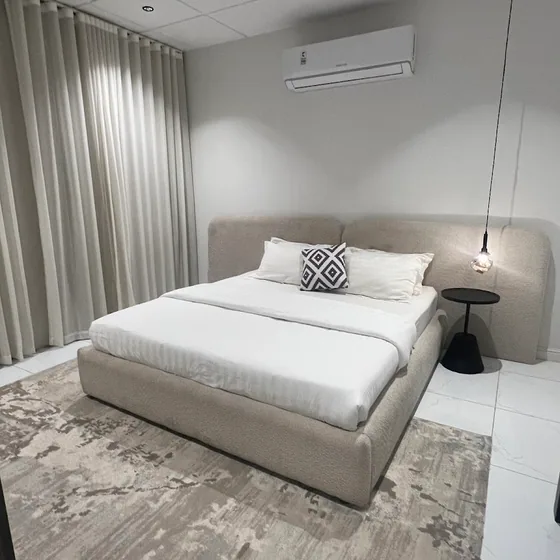
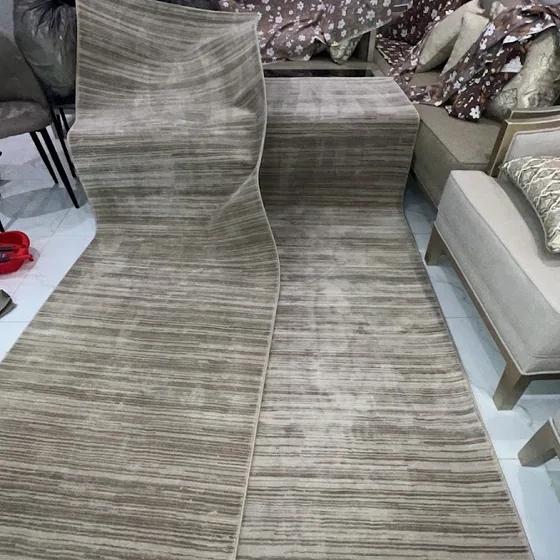
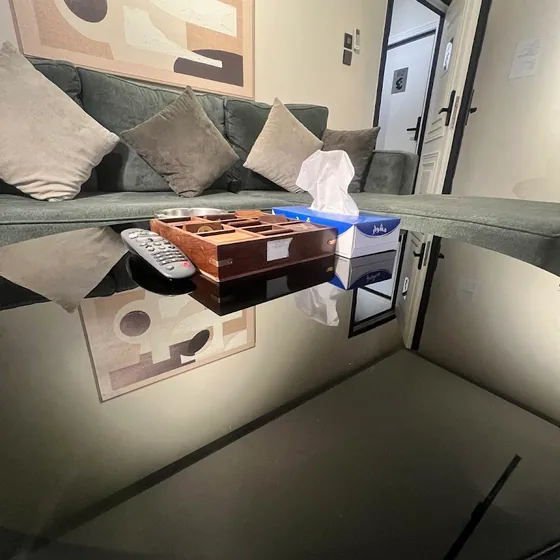
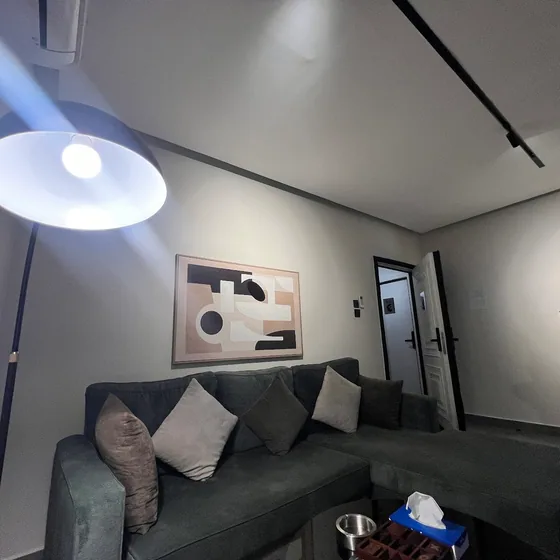
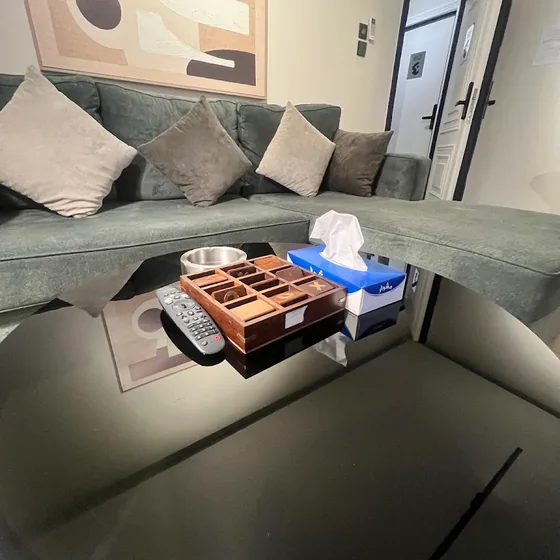
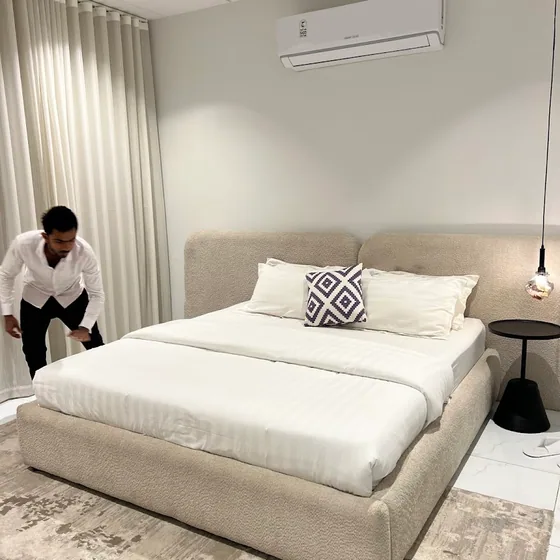
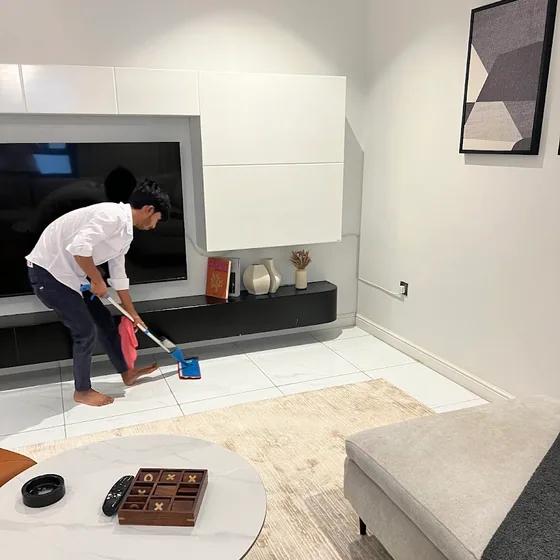
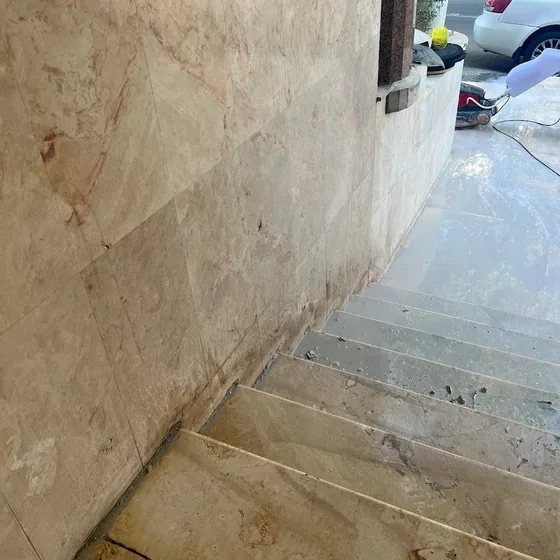
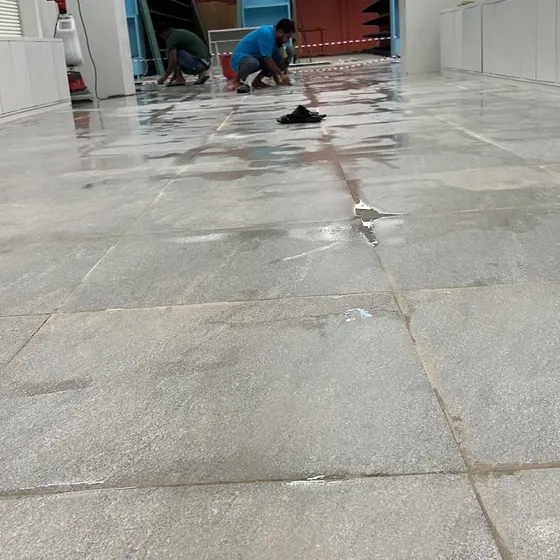
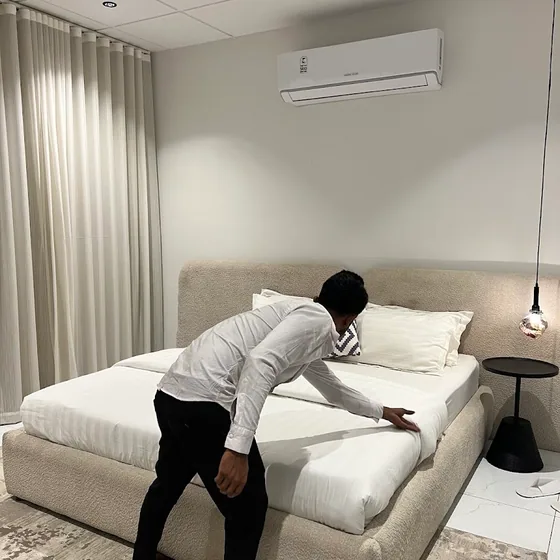
The commitment is simple enough to actually keep: we don't leave until someone on your side has walked the floor and signed it off.
We look at the job and agree the figure before any work begins, and nothing is added to it afterwards. If the scope changes during the visit we stop and ask you before carrying on.
At the end of the visit we walk the place with you. Anything you point at is redone in the same visit, not booked for another one, and at no extra cost.
We arrive when we said we would. If that becomes impossible you hear it before the appointment rather than after, because waiting without knowing how long is worse than a delay you were told about.
Everything we offer in this category, in a single visit if you need more than one.
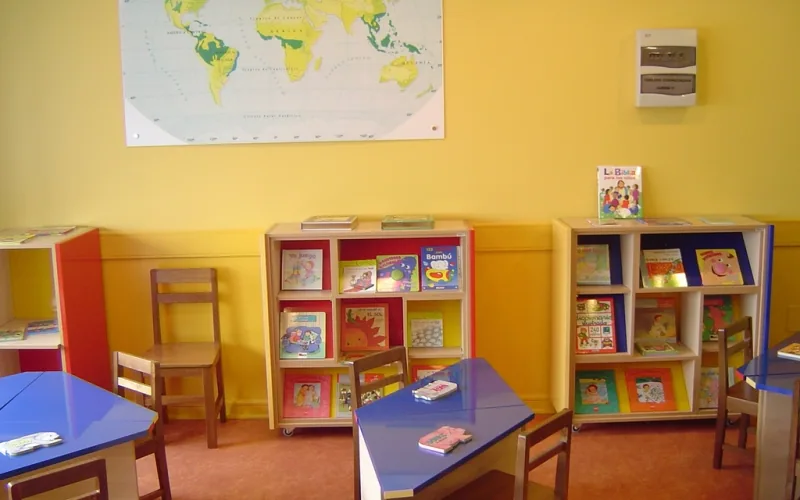
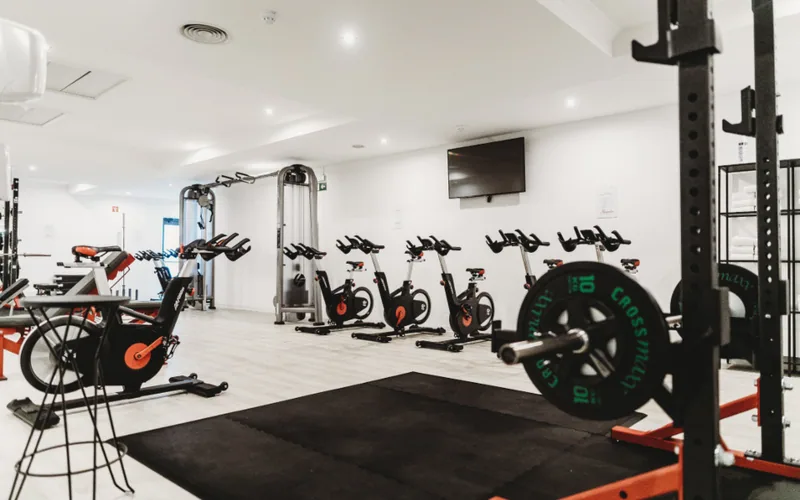
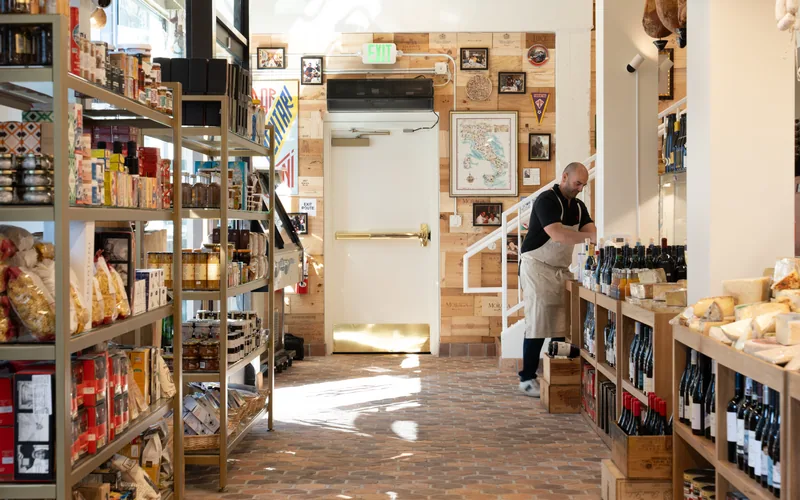
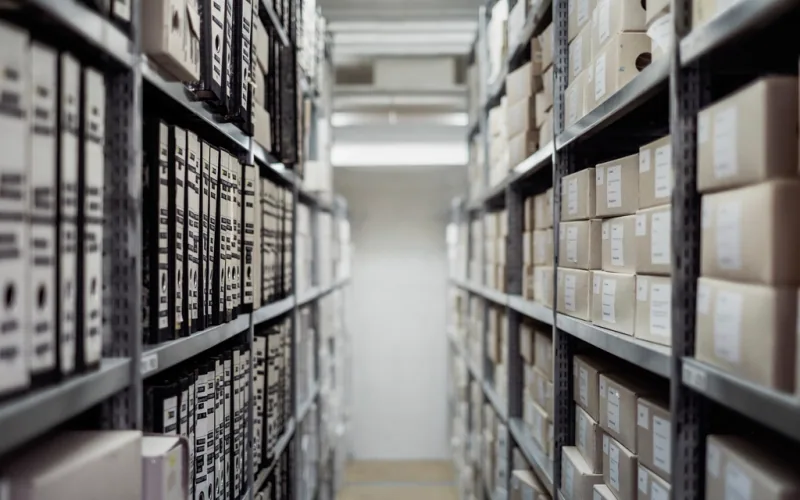

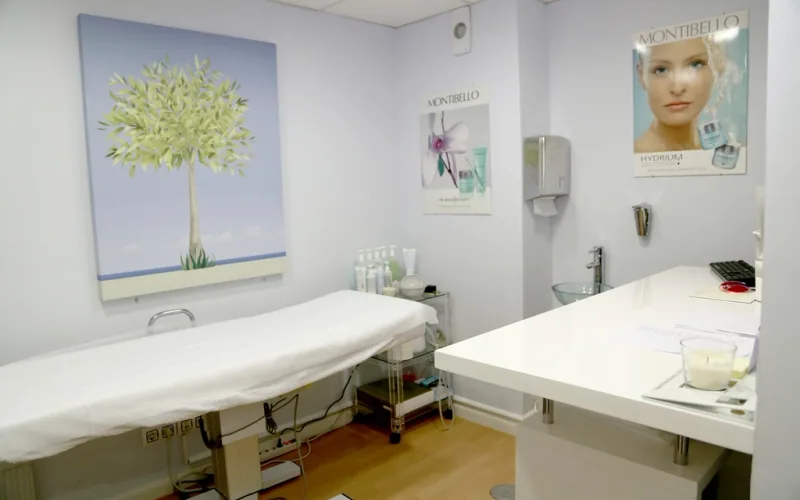

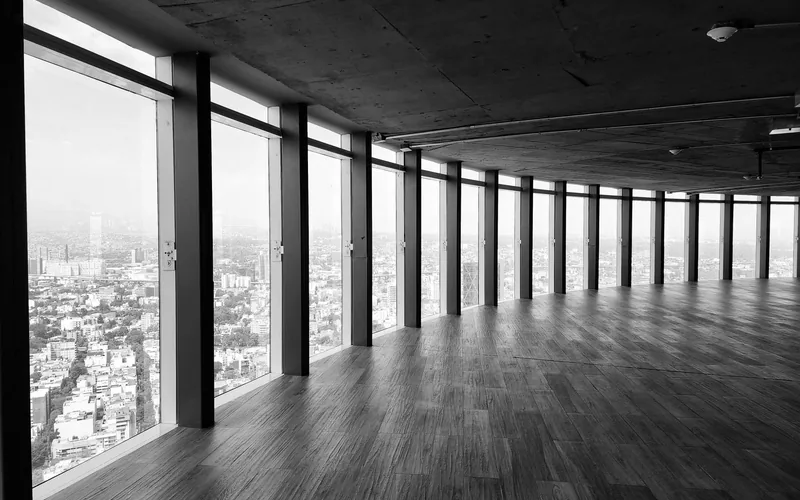
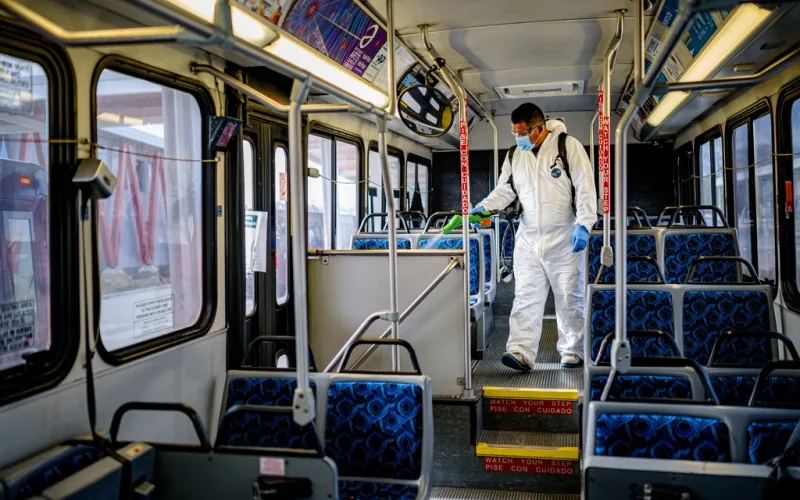
The crew and its equipment travel to you, and the price does not change with the district.
Four steps, and none of them commits you to paying before you have seen the price.
WhatsApp or a call. One photo is usually enough.
In writing, before you commit to anything. You approve it, or we adjust it.
At the agreed time, with everything the job needs.
A walk-through before we leave. The job is not closed until you are satisfied.
Send your floor area and how often you need us, and you'll get the price and an available slot. No work starts before you approve the number.