
Floor area and layout
An open floor and a floor full of fixtures to work around are not the same job. We ask about both, because area alone misjudges a packed store.

In a shop the floor and the glass are the first thing a customer reads about you. Foot traffic grinds grit into the floor finish until the shine goes flat, fingerprints layer on the entrance glass through the day, and the fitting rooms hold what the sales floor keeps out of sight.
A quick sweep keeps the surface passable, not clean. If one of these fits, the floor has fallen behind it.
Traffic grinds grit into the surface and the shine goes flat. Mopping over it moves the grit; it does not lift it out of the finish.
Every hand on the door builds through the day. In daylight the smears are the first thing a customer sees on the way in.
Trolley wheels and shoes leave rubber along the kick line. It sets into a band that a mop passes straight over.
Mirrors, benches and floor in a small room with no airflow hold what the open floor never shows a customer.
Above eye line is where nightly cleaning stops. The dust sits until it is visible from the floor, then it is already thick.
Where the mop cannot reach, debris gathers. It is out of the walkway, so it is left until it spreads back into it.
The second list is the one that prevents disputes, it is usually in small print, or not written at all.
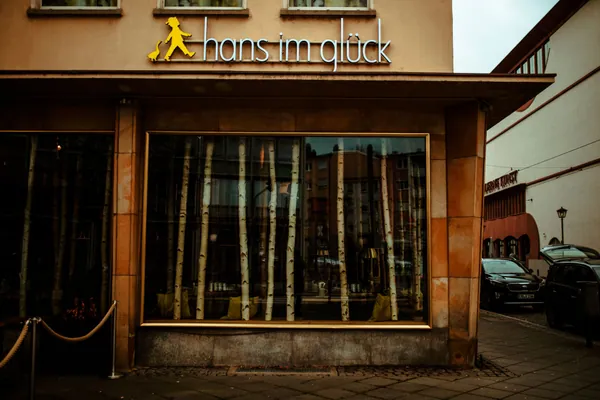
Cleaned inside and out, top to bottom, so the fingerprints and streaks that show in daylight are gone.
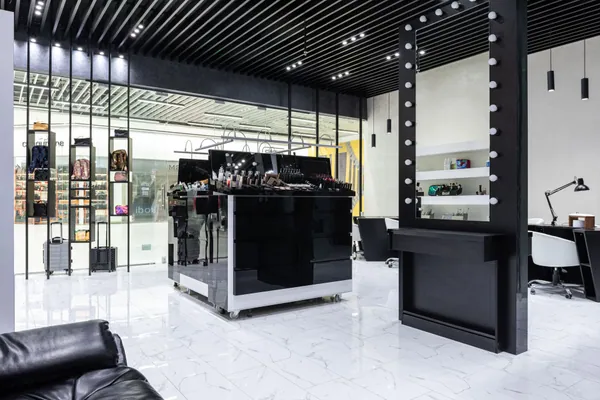
Washed with clean water that is changed rather than reused, so no dull film is left behind.
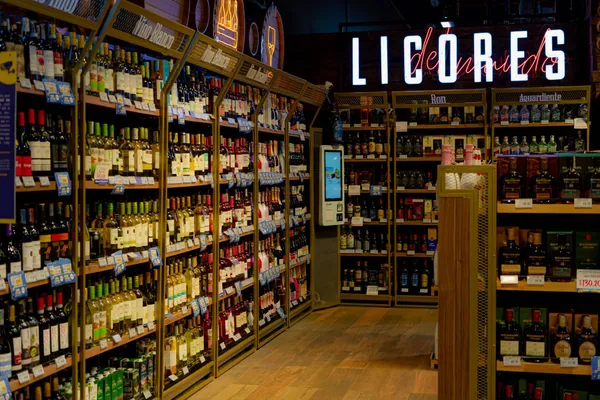
Surfaces, shelf edges and the gaps between them, where the dust a customer sees up close collects.
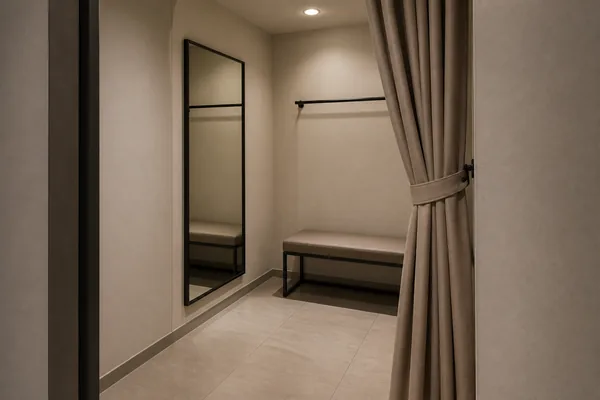
The mirror, the floor and the bench, with lint and packaging scraps cleared out of the corners.
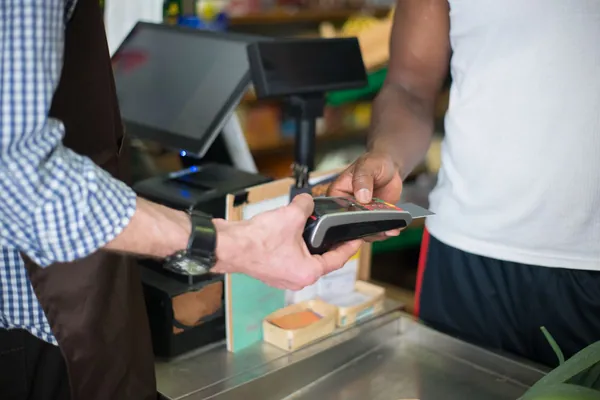
The counter, the card machine and the door handles, the points every hand touches on the way in.
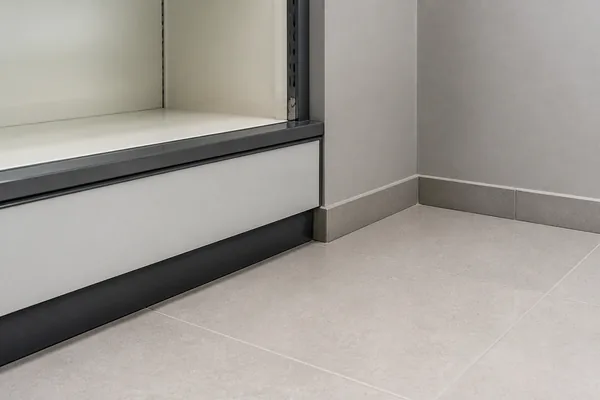
The areas the daily clean goes past, where bags and grit gather out of sight.
If your case is one of these, we say so at the walk-through, not after you pay. In most of them we point you to the right trade even when the work is not ours.
The order is not a detail. Cleaning the floor before the shelves means the dust you knock down lands on a floor you just finished.
We note the traffic lines, the glass, the fitting rooms and the floor type, so the finish is matched to the right material.
Shelves and fittings are dusted before the floor, so whatever falls lands on a floor that is cleaned last, not first.
Entrance doors, display glass and fitting mirrors are done streak-free while the floor is still being worked.
Door handles, counters, the till area and fitting hooks are treated as shared surfaces, not just wiped.
Grit is lifted, the finish is protected with the right material, and the floor is dried so it is ready before you reopen.
We walk the store with you before the team leaves. Anything you flag is redone in the same visit.
We do not publish a fixed figure, because cases genuinely differ. These are the factors we ask about, so you know where your job sits before you call.
An open floor and a floor full of fixtures to work around are not the same job. We ask about both, because area alone misjudges a packed store.
Polished stone, vinyl and tile take different material and different care. Using the wrong one dulls a polished floor, so the type sets the method.
A full glass front takes far more time than a solid one. We price the glass as its own line, not folded invisibly into the floor.
A clean planned into your closed window is arranged so the floor is dry and the store is ready before trading starts.
Extra rooms, fitting areas, stockroom, staff spaces, are added to the same visit and priced with the rest, not sprung after.
Send the floor size and a few photos of the entrance, the sales floor and the fitting rooms on WhatsApp, and you get a price and an estimated time before you commit.
It is a fair question, and daily staff keep the store presentable. Here is the real difference, not the sales version.
The wrong chemical strips or dulls a polished floor. We test on a hidden section and match the material to the finish before we cover the sales area.
The company runs a large crew, and we send a team, not one person. A store is finished in one visit inside your closed window rather than split over nights.
Scrubbers and glass gear arrive with the team, not rented. No waiting because a machine is at another site.
If the floor needs re-polishing rather than cleaning, we say so. A visit that would not fix the problem costs us more trust than it earns.
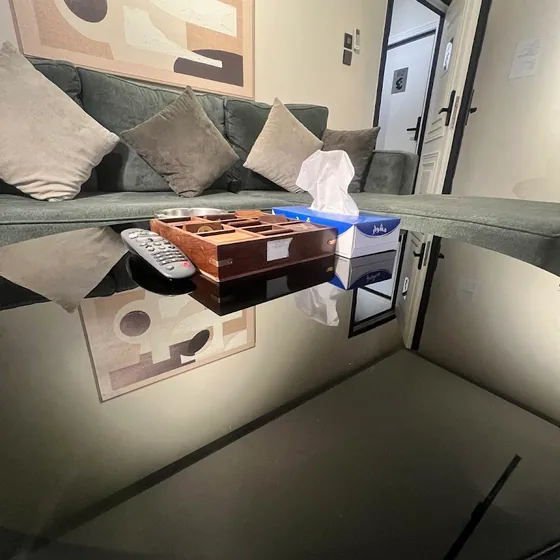
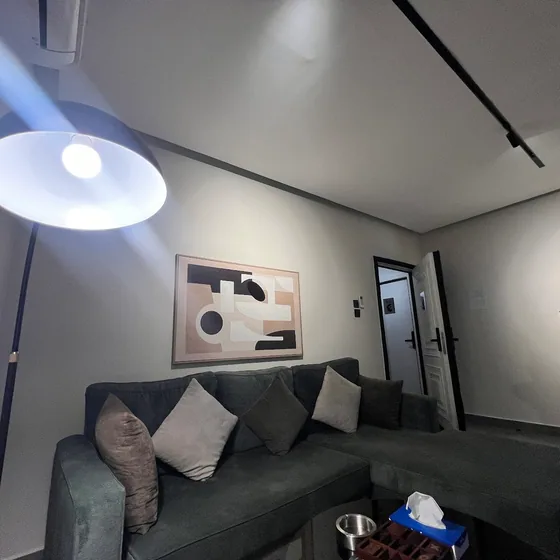
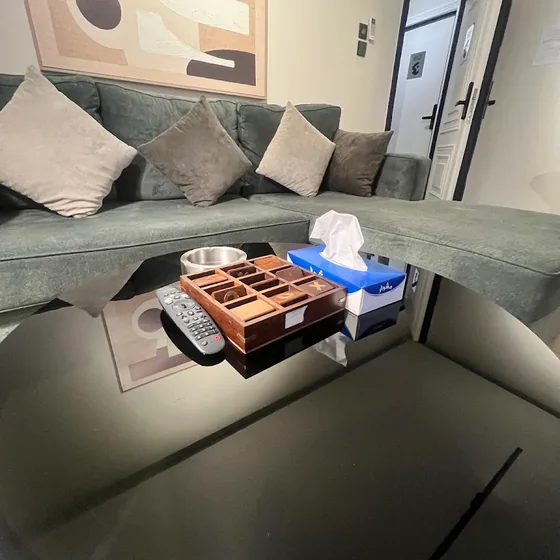
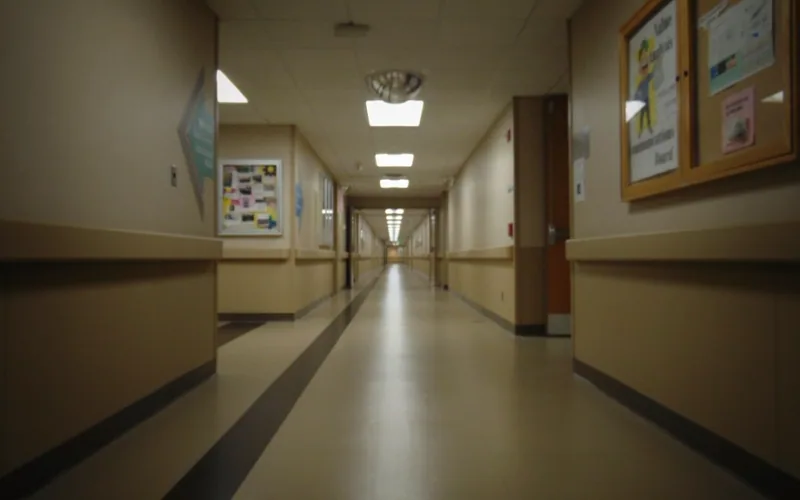
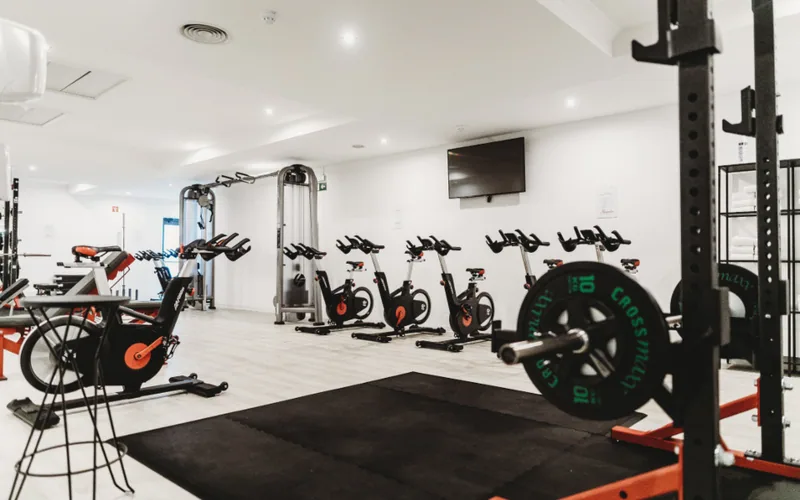
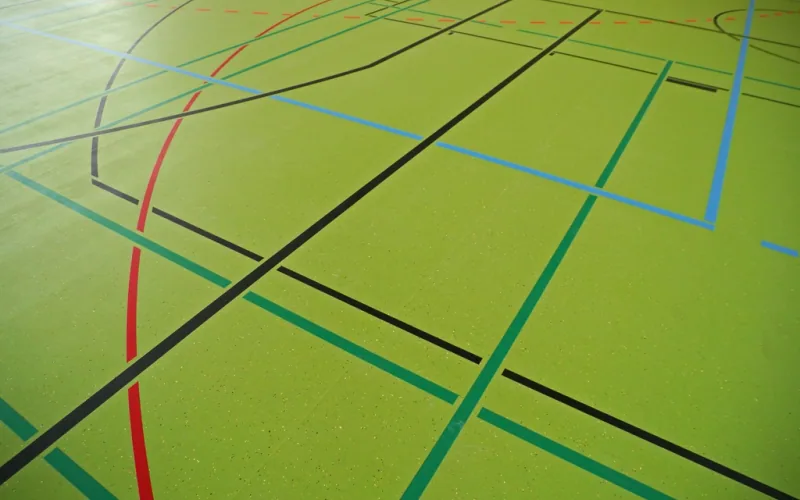
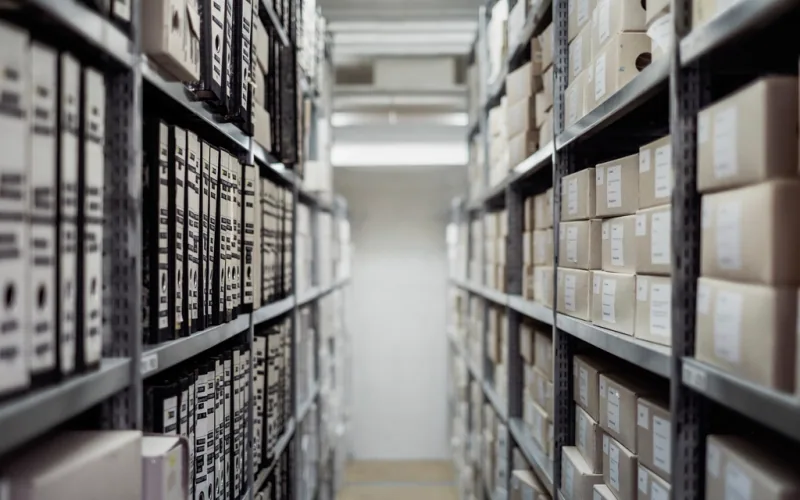
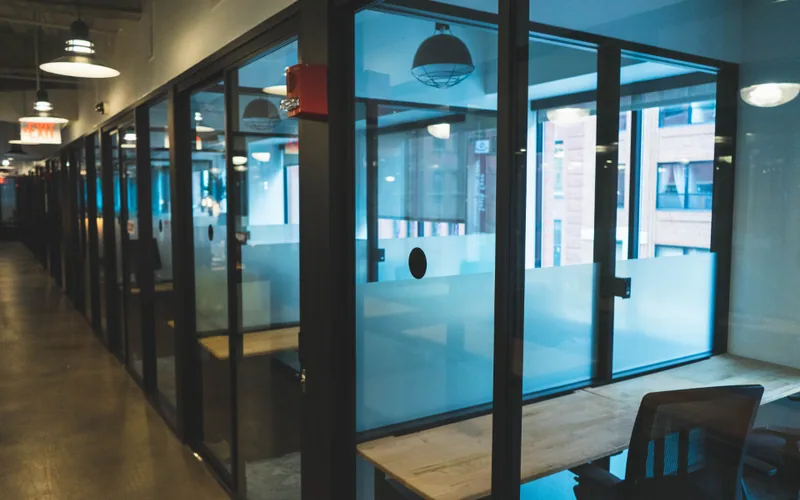
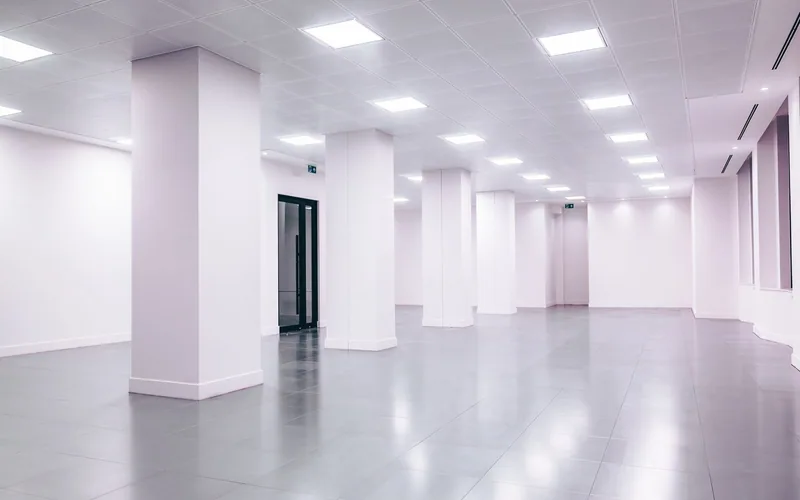
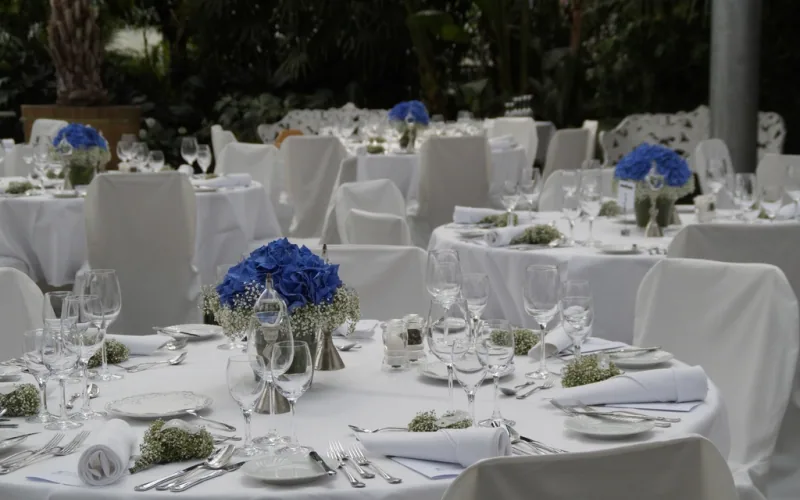
Photographs from real jobs carried out by the crew.
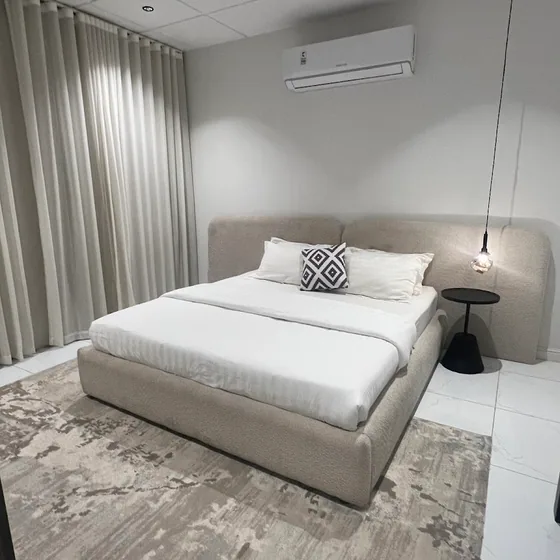
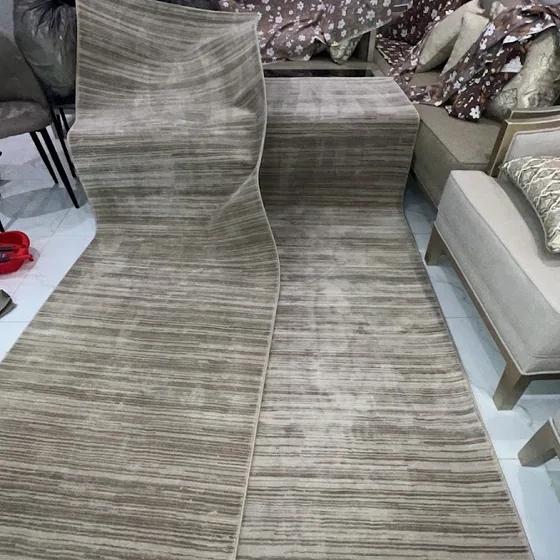
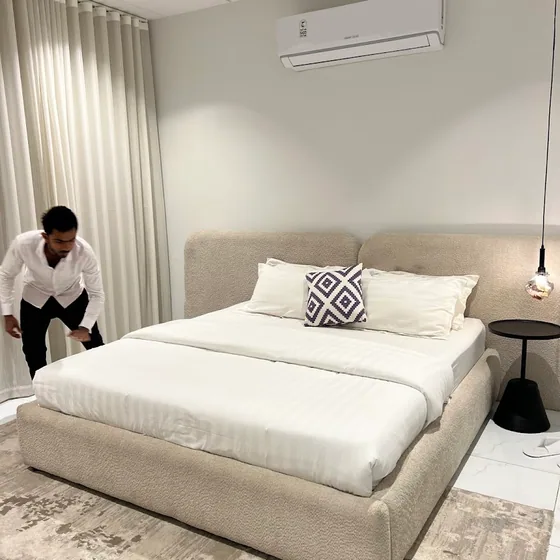
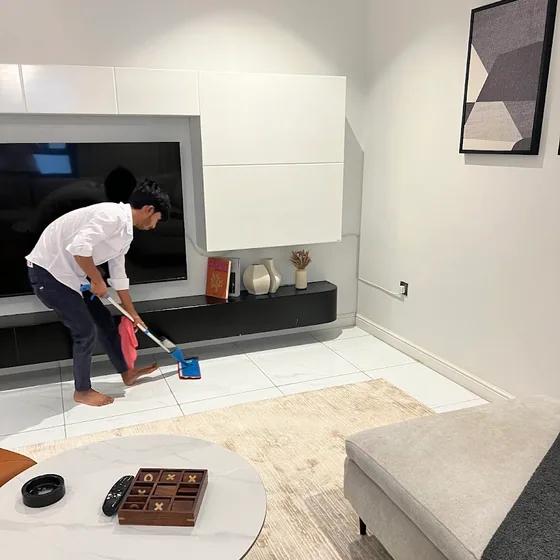
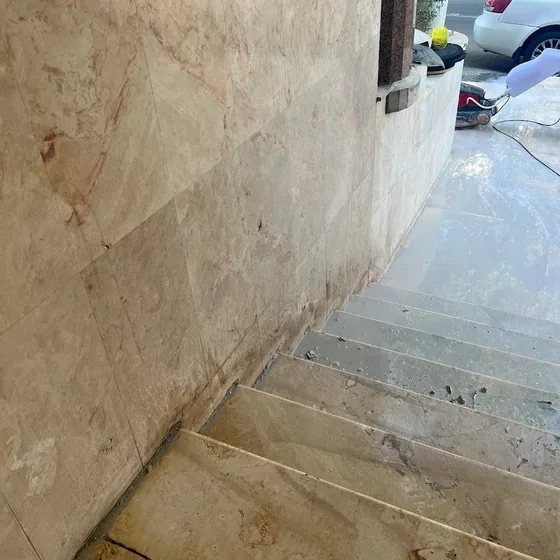
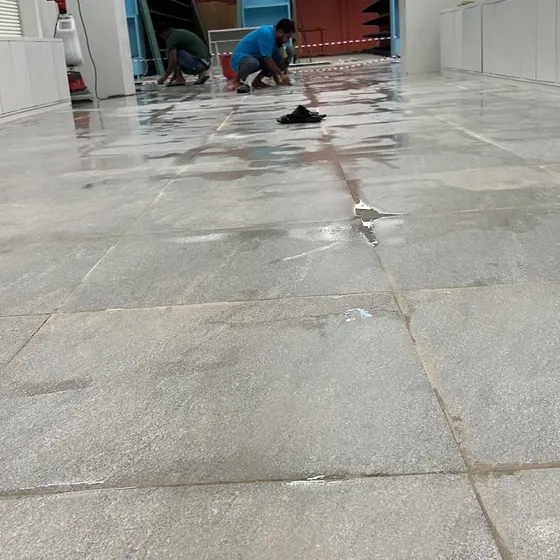
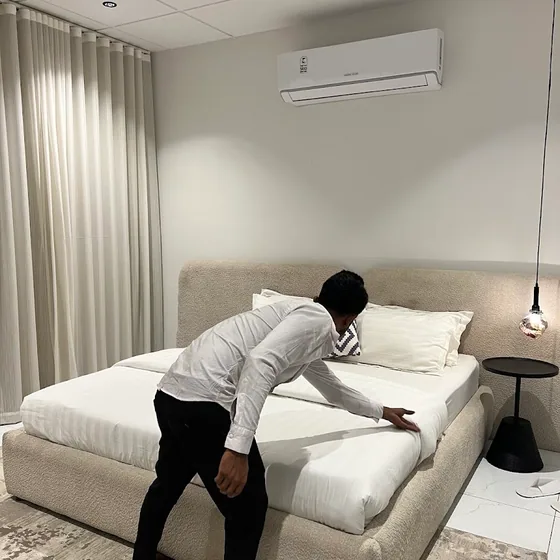
The commitment is simple enough to actually keep: we do not leave before you have seen the result and told us what you think of it.
We look at the job and agree the figure before any work begins, and nothing is added to it afterwards. If the scope changes during the visit we stop and ask you before carrying on.
At the end of the visit we walk the place with you. Anything you point at is redone in the same visit, not booked for another one, and at no extra cost.
We arrive when we said we would. If that becomes impossible you hear it before the appointment rather than after, because waiting without knowing how long is worse than a delay you were told about.
Everything we offer in this category, in a single visit if you need more than one.
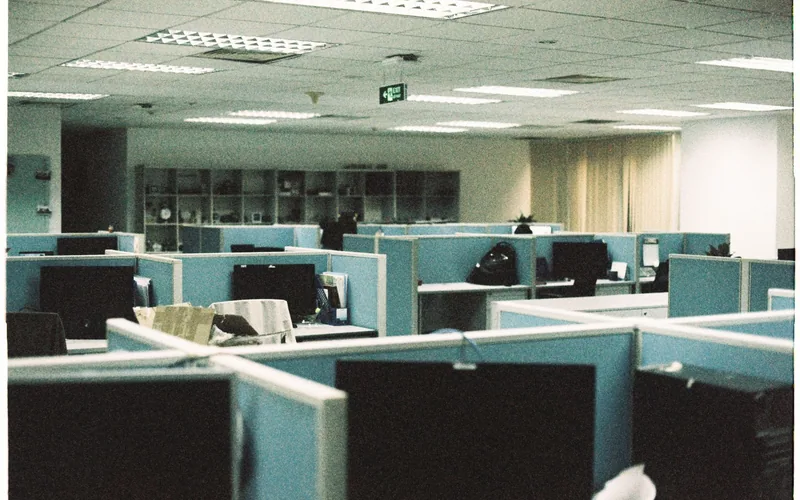
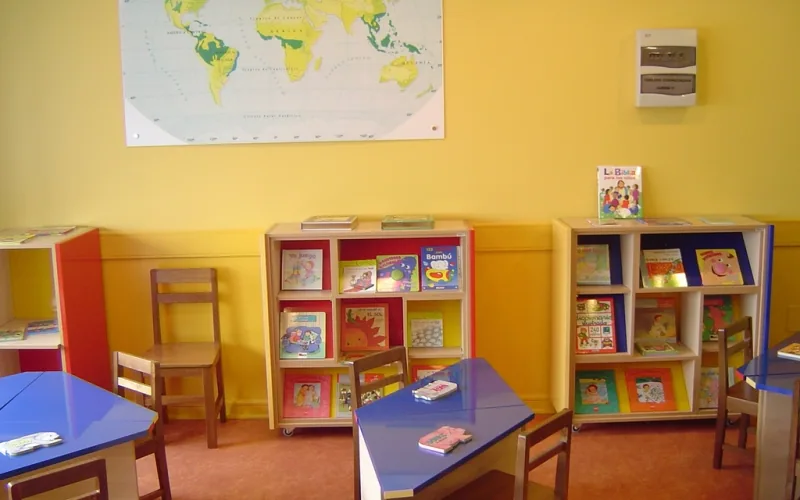

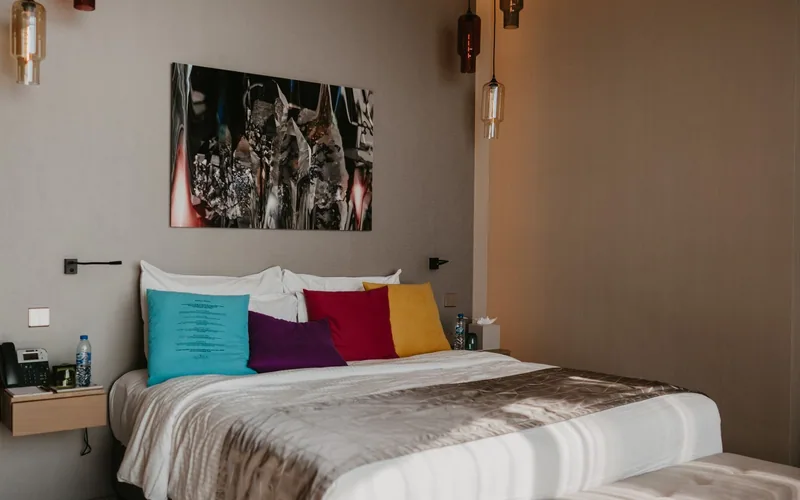
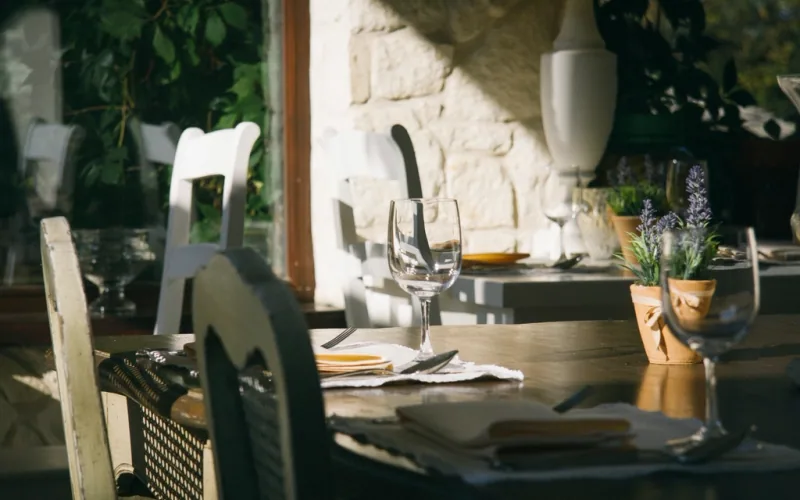
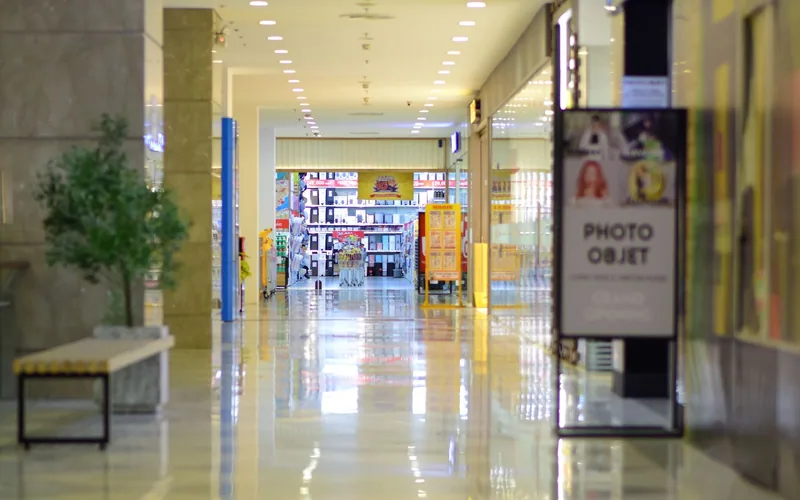

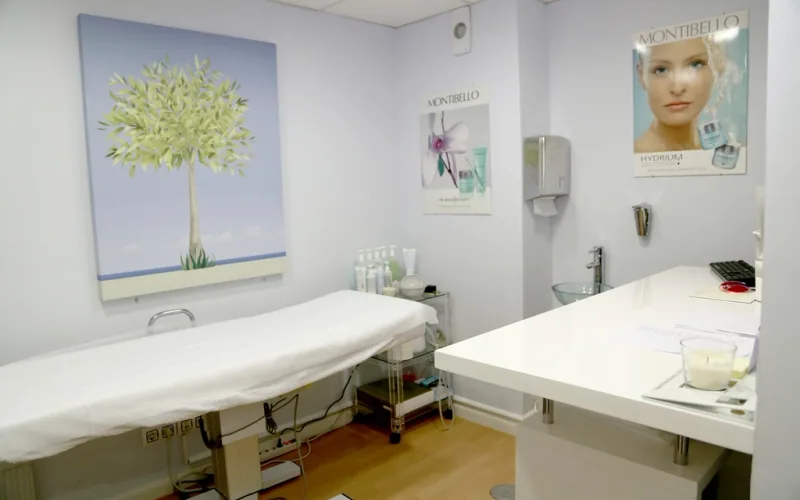

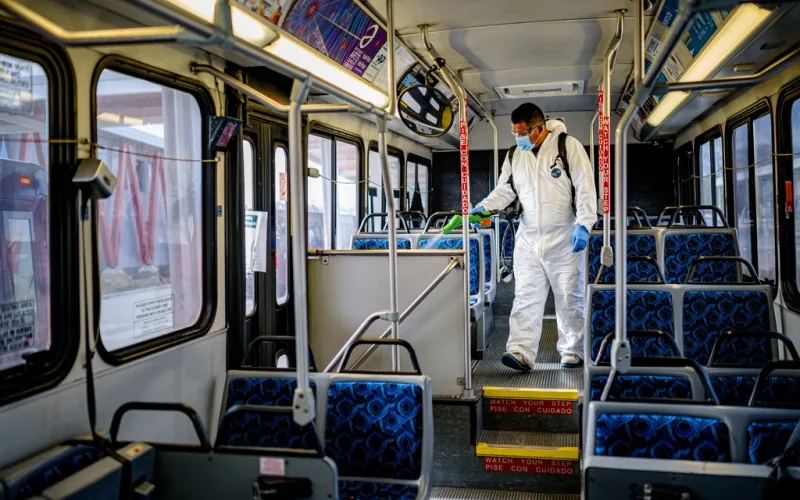
The crew and its equipment travel to you, and the price does not change with the district.
Four steps, and none of them commits you to paying before you have seen the price.
WhatsApp or a call. One photo is usually enough.
In writing, before you commit to anything. You approve it, or we adjust it.
At the agreed time, with everything the job needs.
A walk-through before we leave. The job is not closed until you are satisfied.
Send the floor size and photos of the entrance, sales floor and fitting rooms, and you get the price and an available slot. No work starts before you approve the number.