
Carpeted area, not room count
A small musalla is not a main hall. We ask about the area and layout, because pricing by the room punishes a small mosque and flatters a large one.
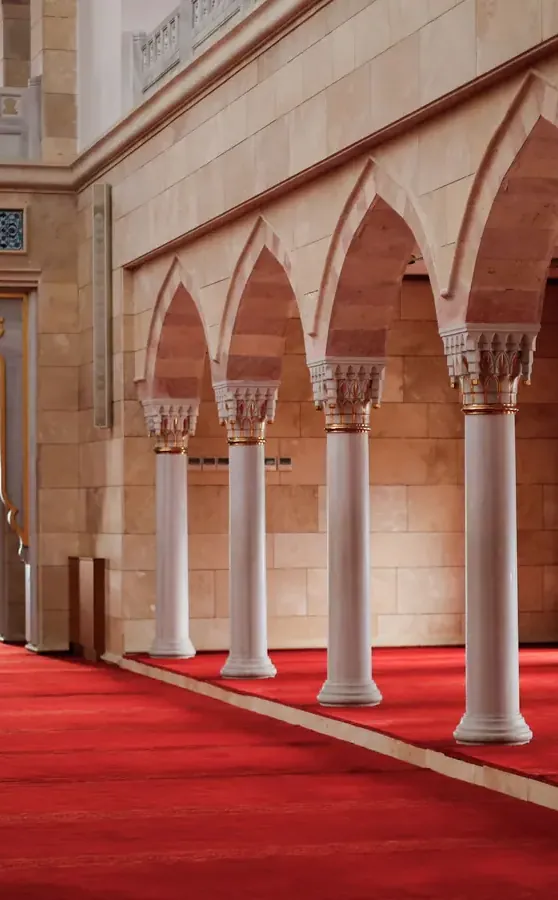
A prayer carpet takes the whole weight of the day at floor level: bare feet, foreheads and knees at every sujood, dust tracked in from outside. All of it settles into the pile long before the colour changes. A quick vacuum lifts the surface only. A deep wash, by the method the carpet takes, reaches the layer underneath, where the smell actually lives.
Smell is the last sign, not the first. If one of these fits, the time has come.
Pile that used to give softly now feels rough and packed. That is trodden-in dust binding the fibres, and it shows up before any change in colour.
The straight lines where people stand and prostrate look pressed flat and slightly shiny. That is body oil and constant pressure, not the light.
Open a hall that has been shut between prayers and catch a smell, that means the base of the pile has held moisture and soil. Vacuuming does not touch that layer.
Carpet traps dust and mites. Worshippers who react to either notice it in the prayer hall before anywhere else, because they are at floor level.
Where the wudu area stays wet, grout lines and skirting start to darken. Left alone that becomes mildew, and mildew spreads toward the carpet.
If daily tidying is all you can recall, it has been longer than it feels. A carpet walked on at every prayer earns a deep clean well before a year passes.
The second list is the one that prevents disputes, it is usually in small print, or not written at all.
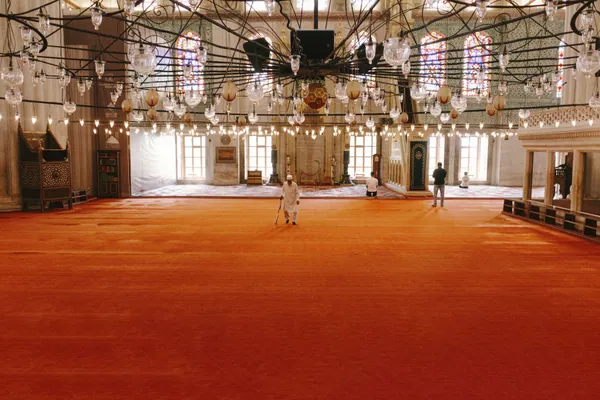
A dry vacuum first, then a wash by the method the carpet takes and wet extraction, to bring up what has sunk below the surface of the pile.
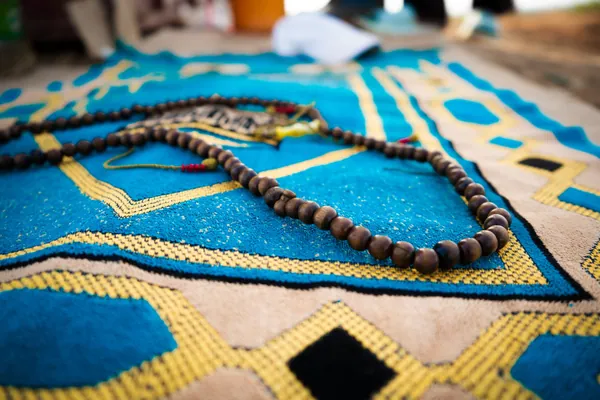
The heaviest-used stretches of carpet are worked separately, because they take up sweat and damp faster than the rest.
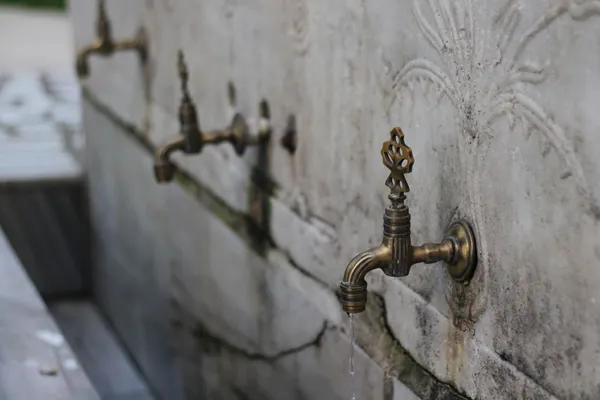
The basins, floors and drains stay damp all day, so they are disinfected rather than only wiped.
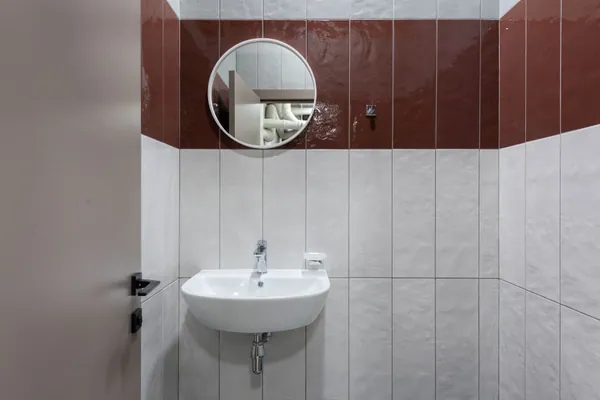
Taps, basins and floors, with the scale broken down, not just wiped over the way a daily clean does.
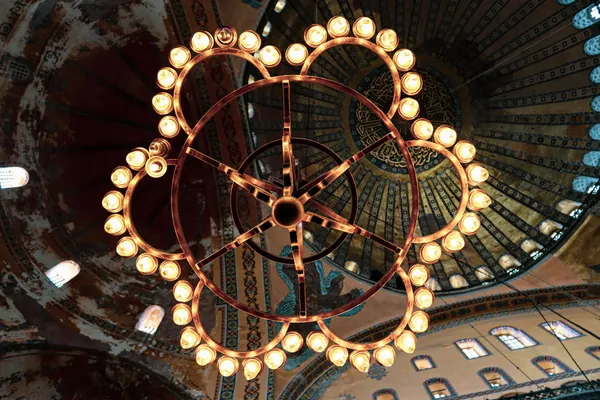
Dust is taken off the chandeliers, ledges and air-conditioning fronts, where it gathers out of sight from the floor.
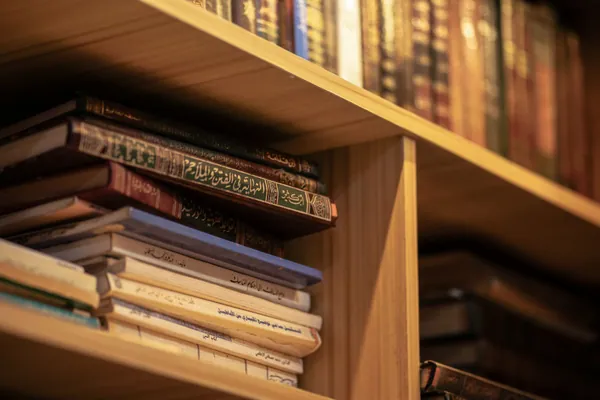
Doors, glass and shelving are cleaned, and the Qur'an shelves are done without their order being disturbed.
If your case is one of these, we say so at inspection, not after payment. In most of them we point you to the right party, even when the work is not ours.
The order here is not a detail. Reversing it damages the pile, and that is what we are most often called to fix after others.
We walk the mosque with you, agree what gets done, and fit the work between congregations so no prayer is disrupted.
Wool, blended and synthetic prayer carpets do not take the same heat or material. We test on a hidden edge and see the result before we start.
Before any water. Water on a dusty carpet turns dust to mud that sinks deeper instead of lifting out, the mistake that leaves a carpet worse than before.
A grease mark is not treated like a spill. Each is handled on its own before the general wash, because the general wash sets whatever was left untreated.
The wash frees what clings inside the pile and the wet vacuum draws it straight back out with the water, in one pass, so no water is left sitting in the base.
The carpet is left slightly damp, never soaked, then we walk the rows with you. Anything you point to is redone in the same visit.
We do not publish a fixed figure, because cases genuinely differ. These are the factors we ask about, so you know where your job sits before you call.
A small musalla is not a main hall. We ask about the area and layout, because pricing by the room punishes a small mosque and flatters a large one.
A dense wool pile takes more time and material than a thin synthetic one. The difference is real in the work, not only in the number.
A carpet cleaned every season is not one left for years. The second may need a second pass, and we say so before starting.
How many wudu points and restrooms are included changes the work, so we count them into the quote rather than adding them later.
Windows, AC vents or entrance mats done alongside the carpet in one visit costs less than two, because setup and travel are counted once.
Send photos of the prayer hall and the carpeted area on WhatsApp, and you get a price and an estimated time before you commit to anything.
A fair question, and household machines are common now. Here is the real difference, not the advertised one.
Trying the material on a hidden edge is a step we treat as necessary, not optional. A carpet that gets damaged is not fixed with a discount.
We send a team, not one person, and plan around the prayer schedule so a large hall is finished in one visit instead of being split across days.
The washing and wet-extraction machines are our own and arrive with the team. No waiting because a machine is at another site.
If the carpet needs replacing rather than washing, we say so. The visit we talk you out of costs us less than the trust we would lose.
Photographs from real jobs carried out by the crew.
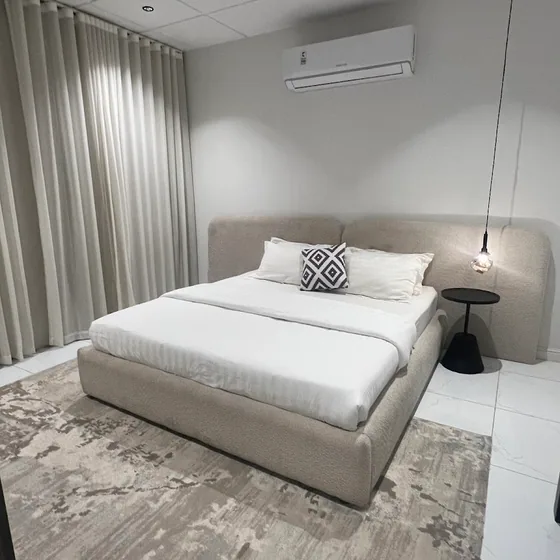
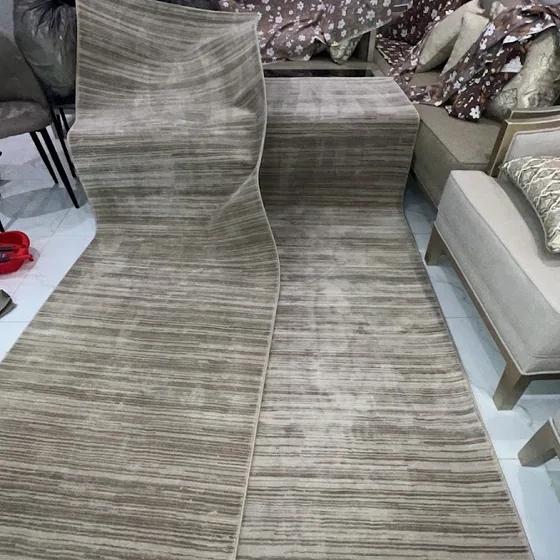
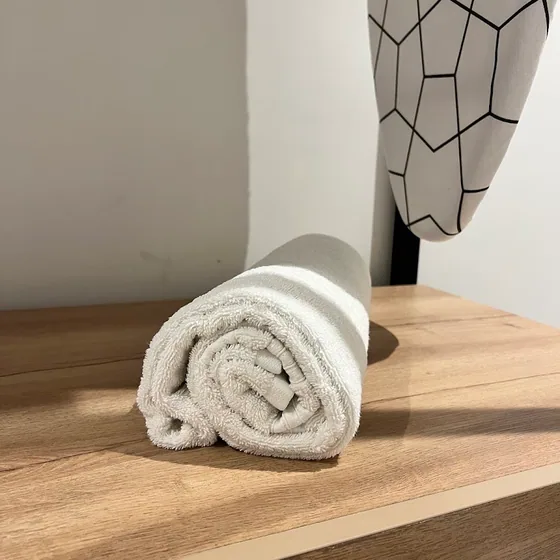
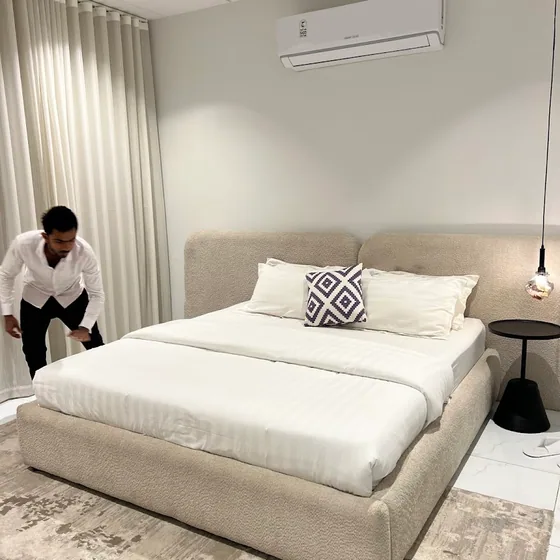
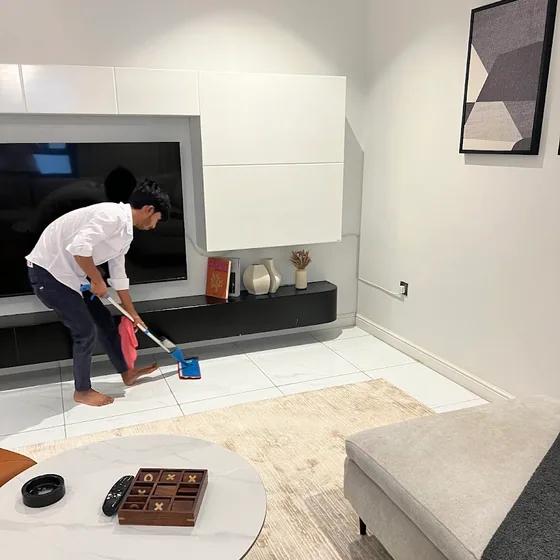
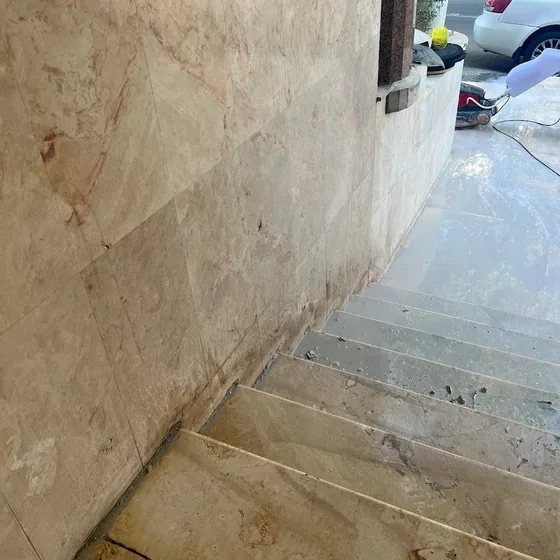
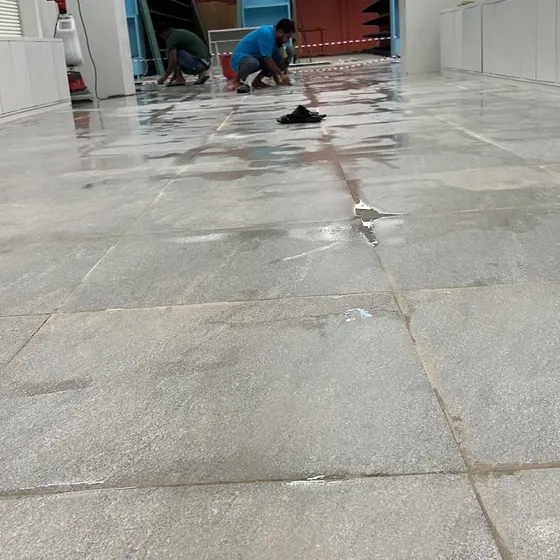
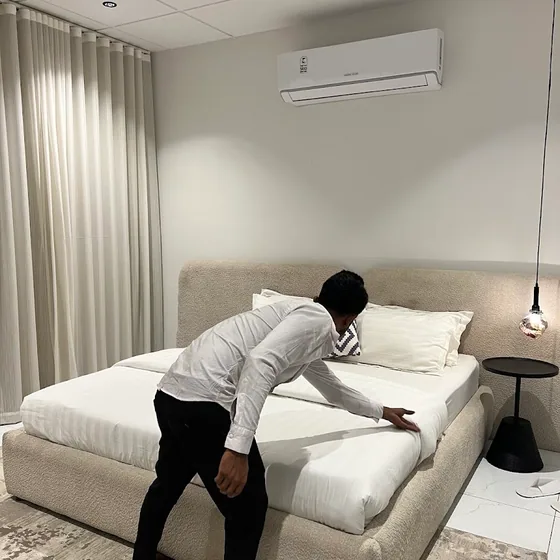
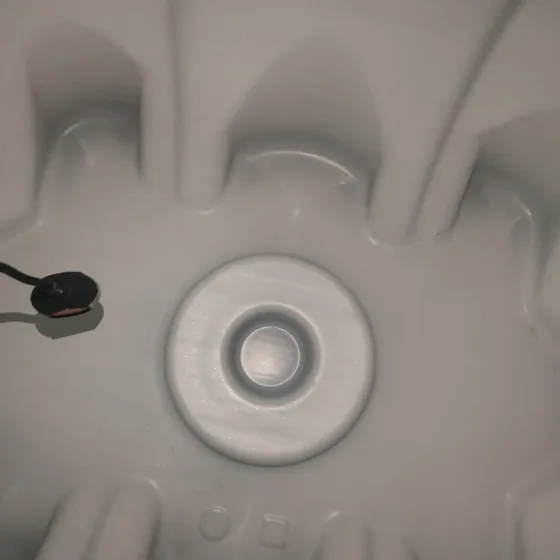
The commitment is simple enough to actually keep: we do not leave before the mosque committee sees the result and gives its opinion on it.
We look at the job and agree the figure before any work begins, and nothing is added to it afterwards. If the scope changes during the visit we stop and ask you before carrying on.
At the end of the visit we walk the place with you. Anything you point at is redone in the same visit, not booked for another one, and at no extra cost.
We arrive when we said we would. If that becomes impossible you hear it before the appointment rather than after, because waiting without knowing how long is worse than a delay you were told about.
Everything we offer in this category, in a single visit if you need more than one.
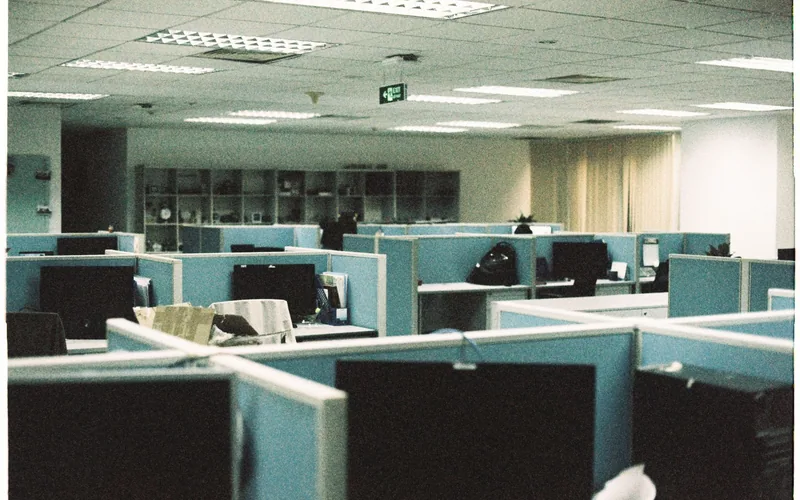

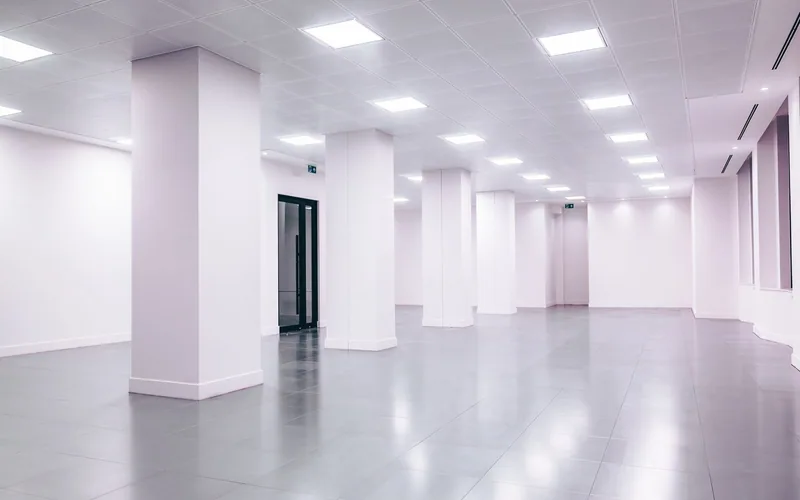

The crew and its equipment travel to you, and the price does not change with the district.
Four steps, and none of them commits you to paying before you have seen the price.
WhatsApp or a call. One photo is usually enough.
In writing, before you commit to anything. You approve it, or we adjust it.
At the agreed time, with everything the job needs.
A walk-through before we leave. The job is not closed until you are satisfied.
Send the carpeted area and photos of the hall, and you get a price and an available time. Work does not start before you approve the number.