We treat the incense, not mask it
Bakhoor residue is cleaned out of the seating and curtains and off the walls, so fresh oud is not sitting on months of old smoke.
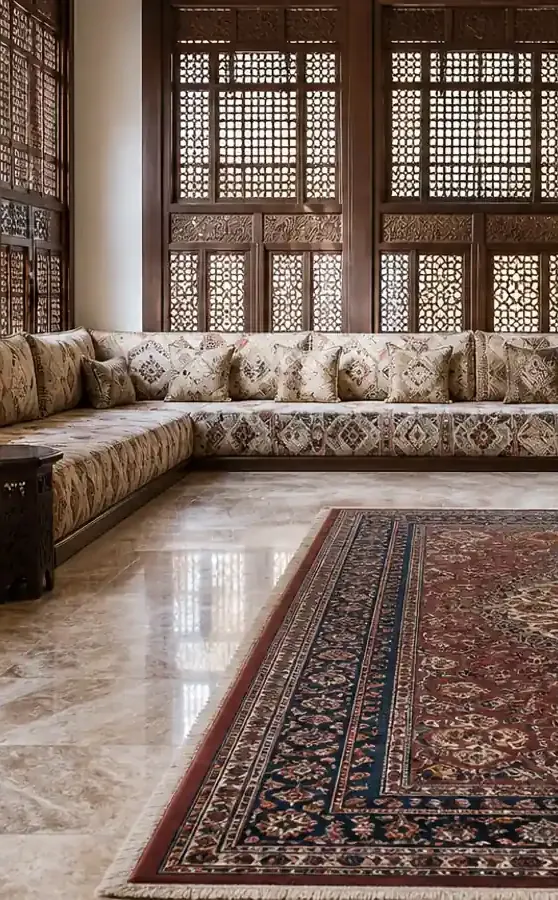
Al Wadi is an industrial logistics zone where homes sit between trucks and warehouses, and diesel soot and workshop grit coat everything: net curtains, cupboard tops, high corners of the majlis. The dust here is darker and oilier than anywhere else in the city, clinging to every surface. A majlis in Al Wadi needs deep cleaning that removes soot, not just shifts it around.
Cement and older ceramic floors darken visibly where soot is walked in daily. Guest bathrooms develop black mould persistently from moisture trapped by the oily dust settling from the road. For the method itself, see the full majlis and diwaniya cleaning page.
Al Wadi dust is not ordinary sand dust but a greasy mixture of diesel soot, metal particles and industrial grit. It clings to fabrics with force and does not shift with sweeping or ordinary vacuum cleaning. It requires deep dry removal first, then treatment tailored to each surface itself, because the soot has bonded chemically.
Older low rise properties have plain cement floors or ceramic tile that darkens where soot is trodden in repeatedly. These cannot be handled like new marble: they need scrubbing, repeated work and methods matched to the floor type and its age, not a standard approach.
Nearness to the coast brings constant humidity that traps with oily soot, and black mould germinates in bathrooms and low corners. Cleaning must treat the mould itself, not just mask it with fragrance or detergent, because the damp keeps returning.
Homes are positioned between the port, heavy goods roads and licensed storage facilities. Proximity to the sea adds moisture that traps with the soot and grease, creating a musty smell embedded in fabrics and furnishings.
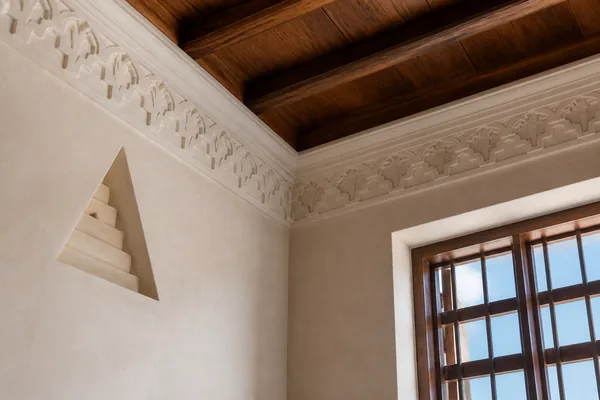
Ceilings and high corners carry a thick layer of grease and diesel soot built up over time, requiring scrubbing rather than wiping alone.
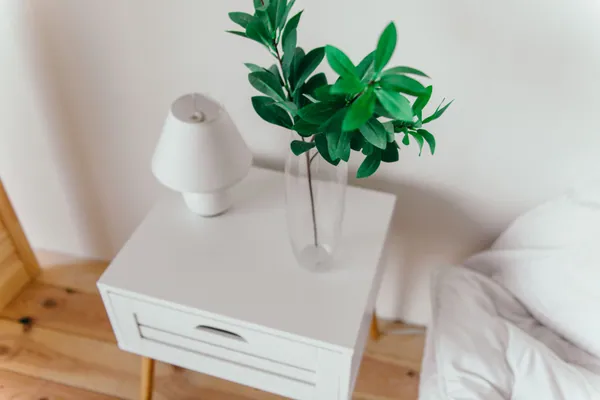
Furniture and cushions trap workshop grease deep in the fibres, so dry vacuuming first pulls out larger particles before any wet treatment begins.
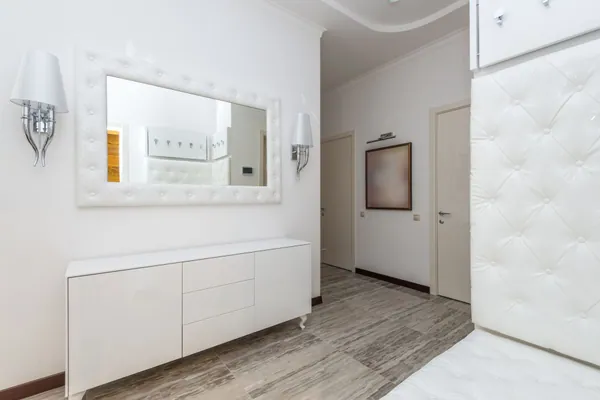
Glass and mirrors carry stubborn oily stains from accumulated soot and industrial airborne spray that ordinary window cleaning does not shift.
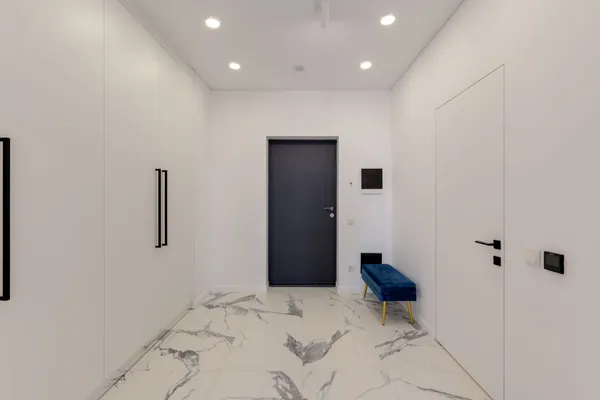
Cement or older ceramic flooring is darkened by trodden-in soot and needs repeated scrubbing and cleaning matched to how porous the surface is.
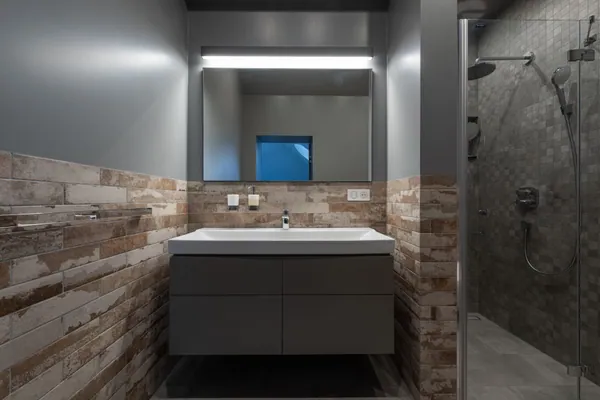
The guest bathroom has black mould and trapped moisture, requiring mould removal followed by ventilation and drying.

Airing the majlis out is essential to lift the musty smell trapped in it from soot and moisture mixed together; we open windows during cleaning.
Seating, carpet, curtains and surfaces, before anything starts, so we agree the scope and what the price covers.
Majlis seating and curtains vary from cotton to velvet and heavy weaves, and they do not take the same heat or product.
Before any water, on the seating and the carpet both.
Gahwa, cardamom and food are not one problem.
We choose the method after seeing each piece, loosen what has bound into the seating and carpet, and extraction pulls it straight back out with the water, in one pass, so nothing is left soaking in the foam.
We go back through the room with you.
Industrial area: workshops, warehouses and loading yards
In an industrial area like Al Wadi, oily soot and workshop dust demand different handling than ordinary residential districts. We remove deeply bonded particles and treat the mould formed where soot meets sea humidity.
Bakhoor residue is cleaned out of the seating and curtains and off the walls, so fresh oud is not sitting on months of old smoke.
We test the fabric on a hidden spot before we clean it.
The company runs several teams, and we send a team rather than one person.
If the seating needs reupholstering rather than cleaning, we say so.
Photographs from real jobs carried out by the crew.












The commitment is small enough to actually keep: we do not leave until you have seen the result and told us what you think of it.
South Jeddah runs from the port and the industrial city down towards Al Khumrah, and homes here sit between the sea and the heavy goods roads. The dust is darker and oilier than in the north, a mix of diesel soot and workshop grit, and it clings to net curtains, window sills and the tops of kitchen cupboards. Floors in the older low rise housing are often plain cement or ceramic tile that darkens where soot is walked in. Humidity from the coast adds mildew in bathrooms and a musty smell in stored fabrics.
We provide these in Al Wadi too, and more than one can share a single visit.