A team arrives together
We send a team, not a single person, so rooms are cleaned in parallel and the whole home is finished in one visit instead of stretched across days.
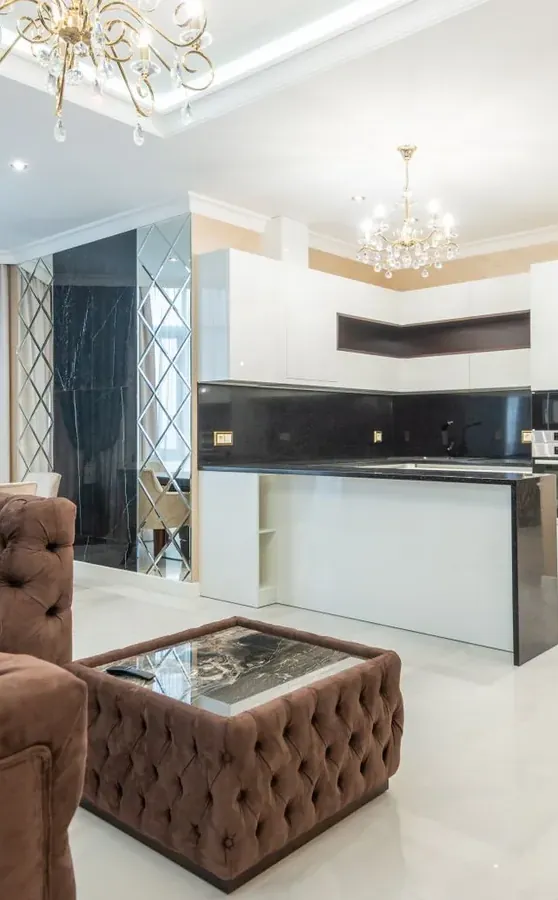
Al Wadi is an industrial area in south Jeddah, and homes here do not face ordinary dust but a dark oily soot from diesel, workshops and heavy lorries passing constantly. Coastal humidity works with this soot to leave a stubborn brown film on walls, curtains and floors. Cleaning in Al Wadi is not dust removal, it is a battle with industrial grease that clings and resists ordinary wiping.
The soot in Al Wadi is darker and far more adhesive than dust in other Jeddah districts, because it is a mixture of workshop particles and diesel fumes, not ordinary construction or street dust. For the method itself, see the full house cleaning page.
The soot from lorries and workshops in Al Wadi is heavy and oily. It is a fine greasy mixture of particles small enough to penetrate everything: net curtains, window sills, the top edges of kitchen cupboards. This soot clings hard and does not yield to ordinary cleaning. It needs a product that breaks down the grease before the particle is removed, otherwise you redistribute the dirt across the surface.
Most homes in Al Wadi have plain cement or cheap ceramic floors. The soot works into these rough surfaces and the foot traffic zones turn visibly black. A quick mop with water does not work. The work needs scrubbing with a strong product, clean water, then complete drying, because coastal humidity will leave a new film if the floor is left damp.
Soot alone is a problem, but sea moisture turns it into a semi permanent mud on surfaces and fabrics. The bathroom becomes a place where soot and mould compete for every surface. Curtains and sofas trap a heavy musty smell from this mixture. Cleaning must address both moisture and soot together, and leave every space completely dry.
Streets like Nasser bin Eid and the King Faisal branch road carry heavy goods vehicles throughout the day, and the older low rise homes have plain cement floors that darken visibly from the oily soot within days.
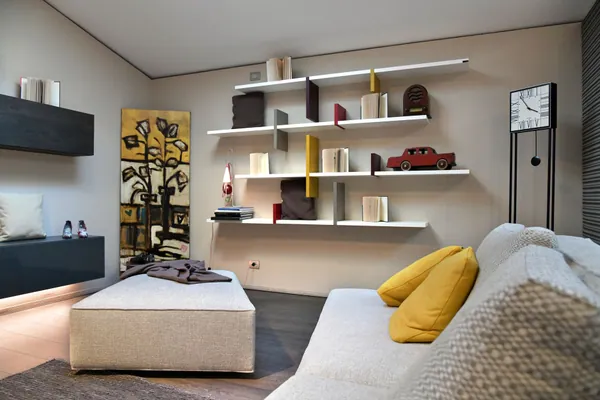
Black oily dust is worked from the top down first, with focus on window sills and the tops of cupboards where soot accumulates fastest.
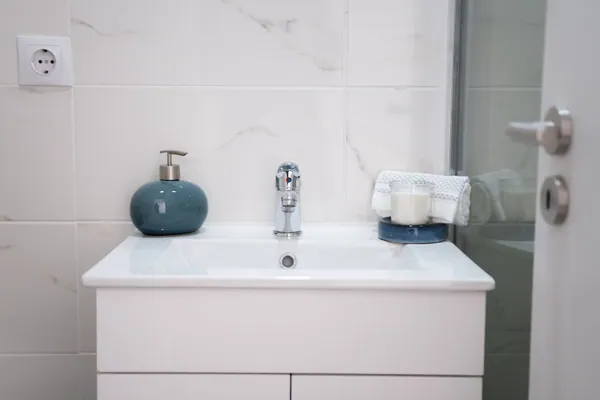
The bathroom in Al Wadi needs heavy treatment for both mould and coastal humidity at once, not a standard clean.
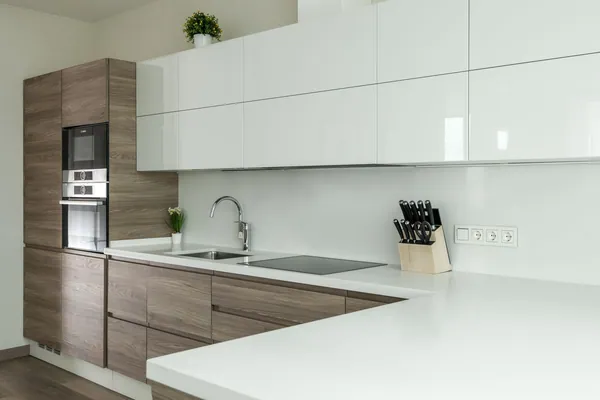
Kitchen surfaces are sticky with oily soot from the nearby road and need scrubbing before the final wipe with clean water.
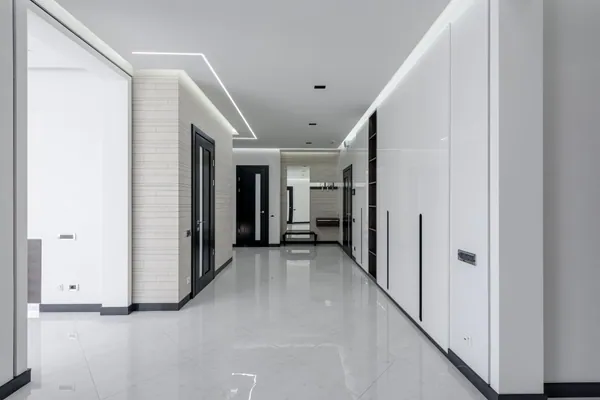
Cement floors need deep scrubbing to lift soot from the pores, then clean water mop and complete drying before humidity returns.
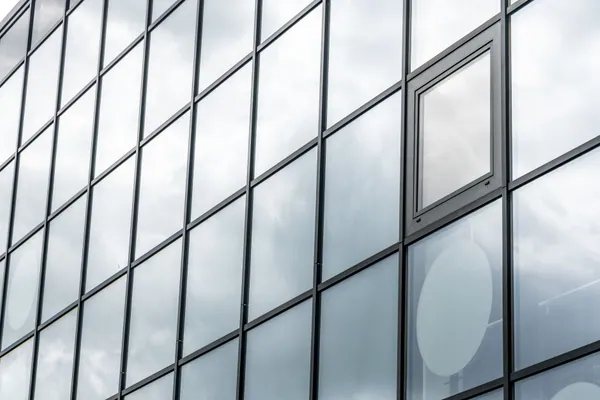
Mirrors and glass carry a greasy film from the soot and need a strong degreaser before polishing to avoid streaking as it dries.
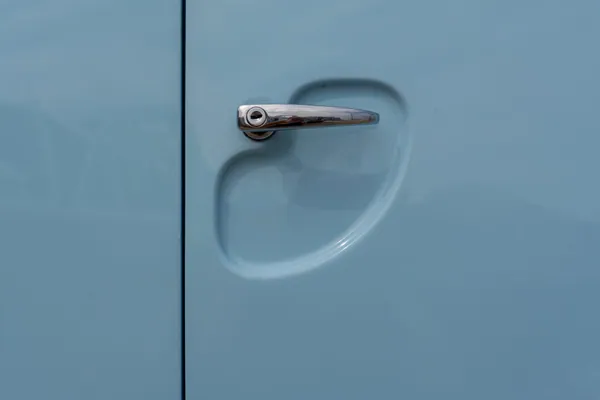
High touch points and upper surfaces collect soot fast and must be degreased, disinfected and left completely dry.
Before anything, we go through each room, note what matters to you, and flag anything that is out of scope.
High shelves, ledges, and frames before lower surfaces.
Counters, cabinet fronts, and appliance exteriors are degreased while the floor is still untouched.
Product goes on the tiles, toilet, and shower and is left to work while we clean elsewhere, then scrubbed.
Grit is vacuumed up before any water touches the floor, because mopping over grit drags it around and scratches.
We go through the home with you before the team packs up.
Industrial area: workshops, warehouses and loading yards
A home in an industrial area means soot and grease never stop arriving. The oily soot from lorries and workshops penetrates every space and waits for coastal humidity to become a stubborn film.
We send a team, not a single person, so rooms are cleaned in parallel and the whole home is finished in one visit instead of stretched across days.
Vacuums, degreasers, and supplies come with the team.
You approve the number at the walk-through.
If a room needs a repair or a different service rather than a clean, we tell you.
Photographs from real jobs carried out by the crew.












The commitment is simple enough to actually keep: we do not leave until you have seen the result and told us what you think.
South Jeddah runs from the port and the industrial city down towards Al Khumrah, and homes here sit between the sea and the heavy goods roads. The dust is darker and oilier than in the north, a mix of diesel soot and workshop grit, and it clings to net curtains, window sills and the tops of kitchen cupboards. Floors in the older low rise housing are often plain cement or ceramic tile that darkens where soot is walked in. Humidity from the coast adds mildew in bathrooms and a musty smell in stored fabrics.
We provide these in Al Wadi too, and more than one can share a single visit.