A team arrives together
We send a team, not a single person, so rooms are cleaned in parallel and the whole home is finished in one visit instead of stretched across days.
Al Qawzain sits on the southernmost coastal strip of Jeddah, hemmed between the open sea and the heavy goods roads that feed the industrial zone and port. Homes here face three simultaneous problems: salt air that corrodes window frames and metalwork, diesel soot from the trucks that blackens every exposed surface, and coastal humidity that drives mildew into bathrooms and musty odour into stored fabrics. Cleaning must address each threat with different products and methods.
Windows and metal frames turn black with combined salt and soot within weeks. Net curtains fade to grey within days of the last clean. Walls show white salt bloom that returns rapidly. The smell of salt and diesel clings to all stored textiles. For the method itself, see our house cleaning service in detail.
Coastal location means salt in the air every day of the year. Metal frames corrode and weaken. Seals lose their ability to repel moisture. Windows become hard to open and close. Cleaning uses protective products on metalwork first, then standard methods on interior surfaces.
Heavy roads beside the homes release black greasy soot. Net curtains turn grey rapidly. White walls blacken from above where soot settles. Light switches become oily to the touch. Cleaning must start with grease-removal products before rinsing with clean water.
Humidity enters walls and carries dissolved salt with it. White salt deposits appear on walls and surfaces within days. Fabrics grow heavy with moisture. Musty odour appears in bathrooms and cupboards. Cleaning focuses on ventilation and moisture preventative products.
The location lies between the sea on one side and heavy commercial routes on the other. A sewage treatment works and iron foundry stand nearby, raising both salt deposits and workshop dust. Coastal humidity stays high throughout the year without seasonal relief.
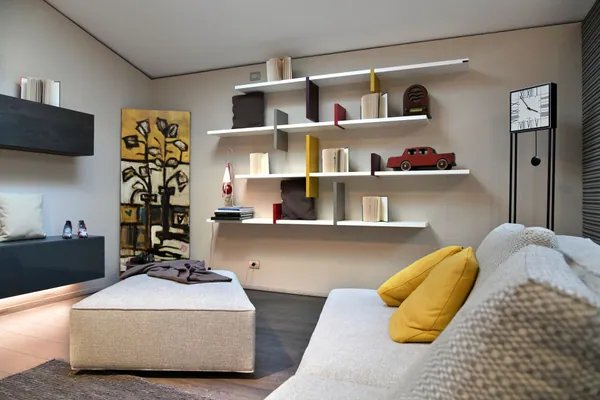
Coastal dust contains both salt and soot. We start high and clean window frames and metalwork first before other surfaces, because salt falls from above.
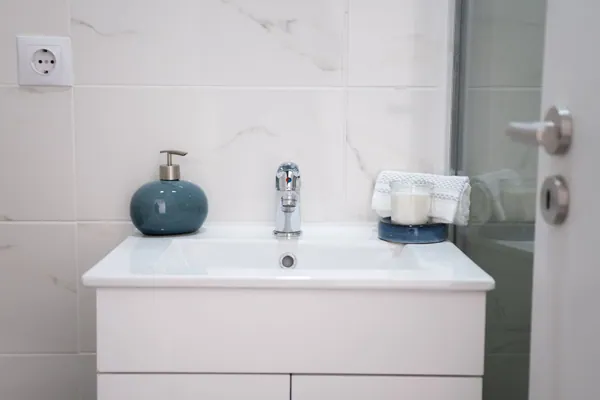
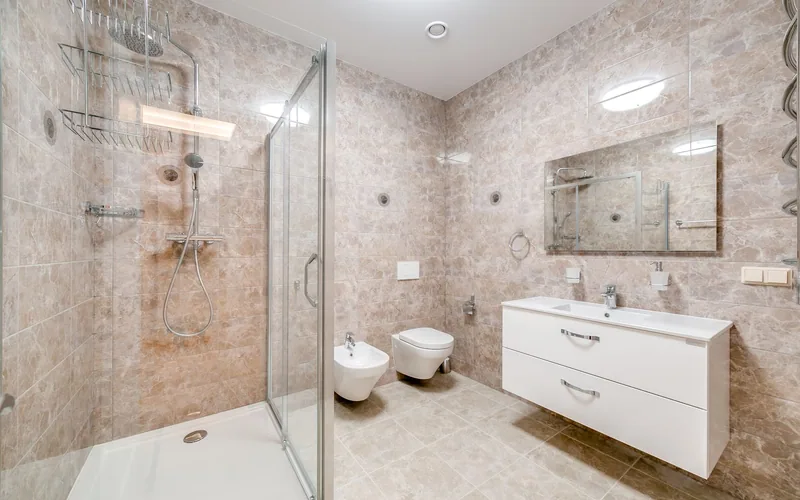
Bathrooms here need specialised treatment for coastal mould. Antifungal products are essential. Mould returns rapidly in humid conditions. We focus on ventilation and deep treatment.
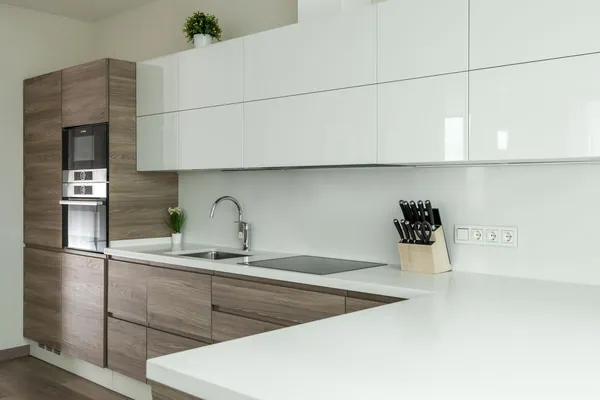
Kitchens here accumulate salt and soot on upper surfaces. We start with grease-removal products before standard water. Salt and soot require different approaches.
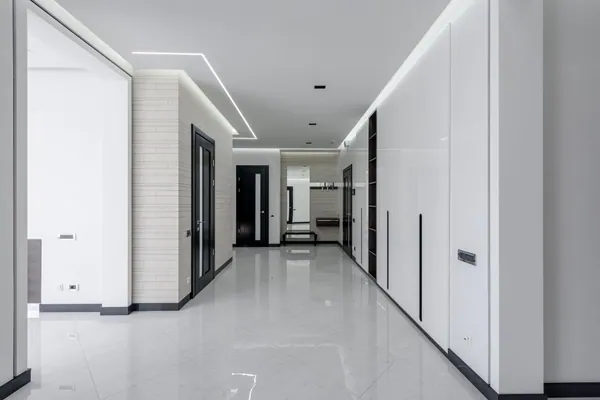
Floors blacken from combined soot and salt. We sweep hard first, then mop with grease-removal product formulation. Ceramic tile here needs stronger treatment than in other districts.
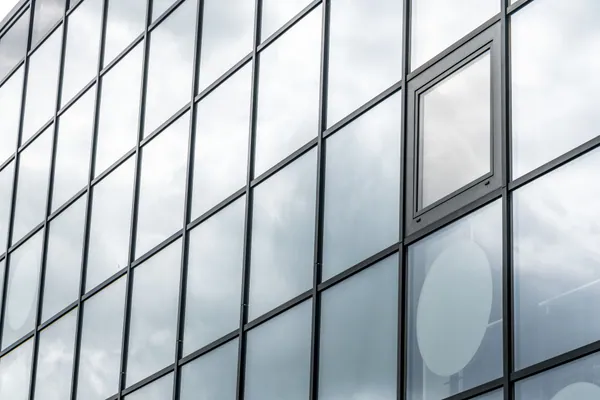
Windows and mirrors turn black from salt, soot and trace algae. We use different products. First we remove grease, then apply dilute vinegar or specialised glass product.
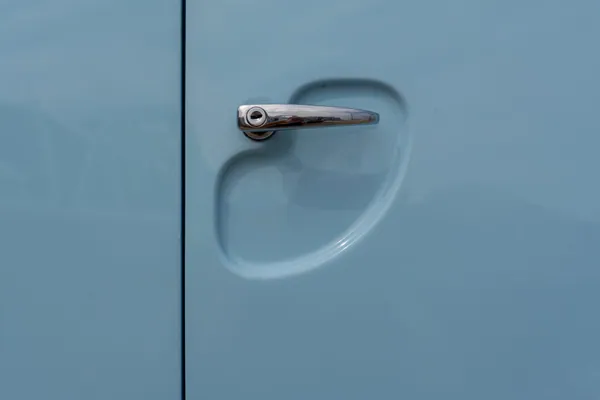
Touch points and light switches are both oily from soot and salty from air. Bins collect mixed salt and soot debris. We finish with a systematic pass through every switch and bin area.
Before anything, we go through each room, note what matters to you, and flag anything that is out of scope.
High shelves, ledges, and frames before lower surfaces.
Counters, cabinet fronts, and appliance exteriors are degreased while the floor is still untouched.
Product goes on the tiles, toilet, and shower and is left to work while we clean elsewhere, then scrubbed.
Grit is vacuumed up before any water touches the floor, because mopping over grit drags it around and scratches.
We go through the home with you before the team packs up.
We send a team, not a single person, so rooms are cleaned in parallel and the whole home is finished in one visit instead of stretched across days.
Vacuums, degreasers, and supplies come with the team.
You approve the number at the walk-through.
If a room needs a repair or a different service rather than a clean, we tell you.
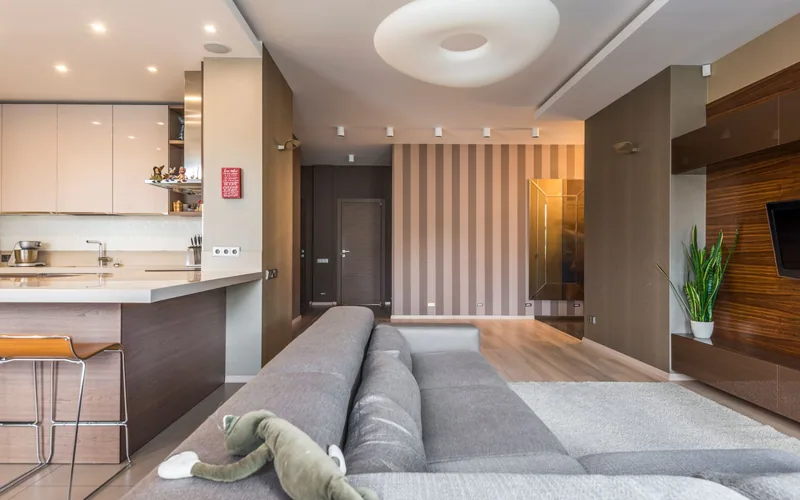
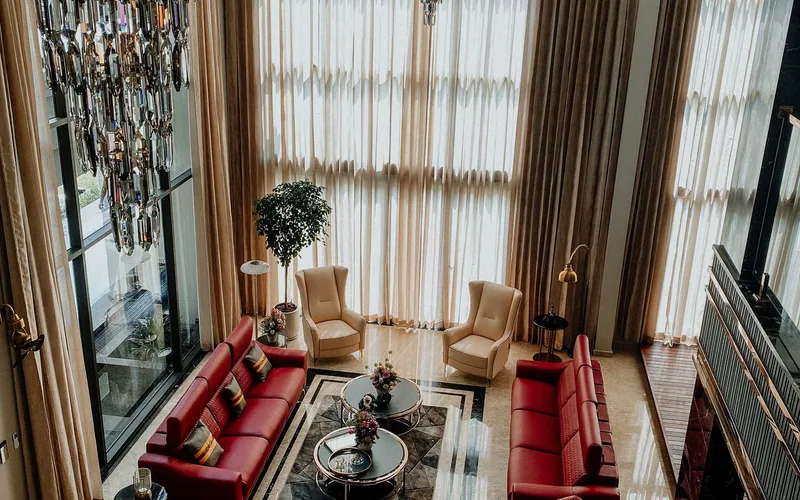
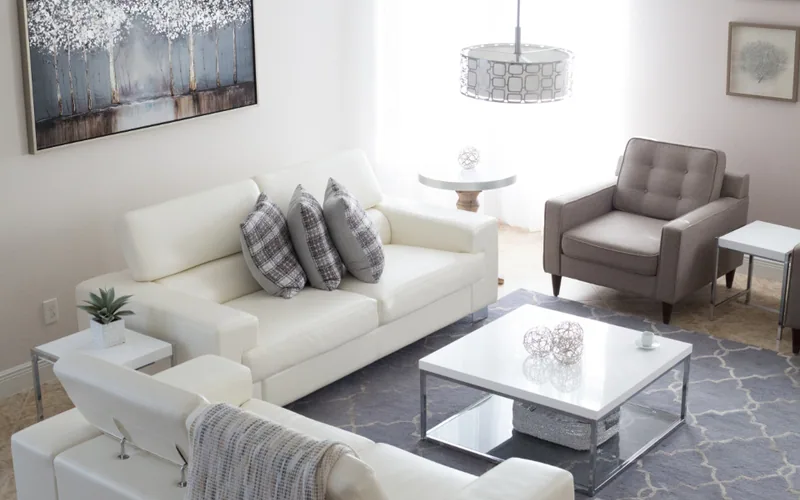
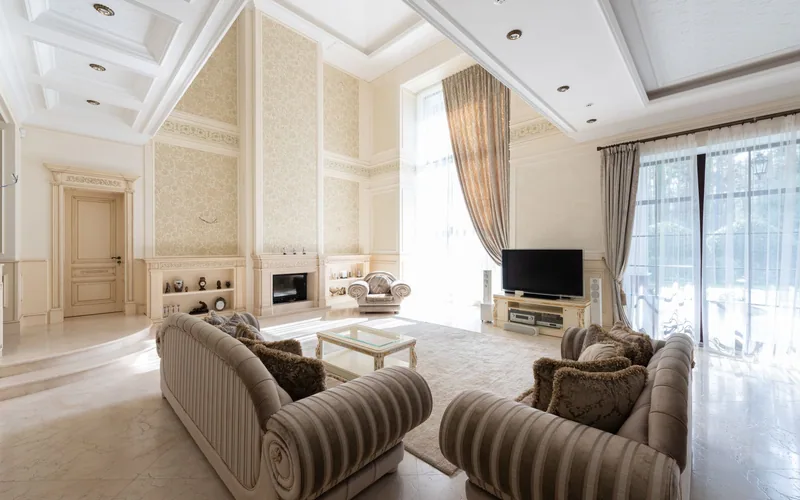
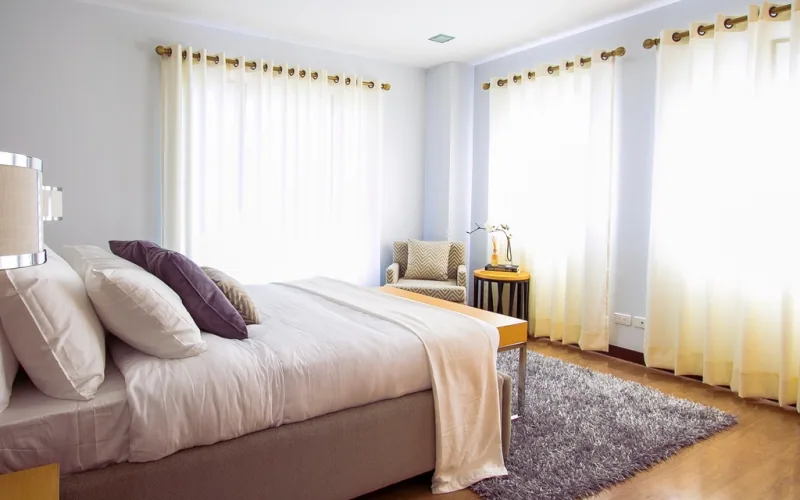
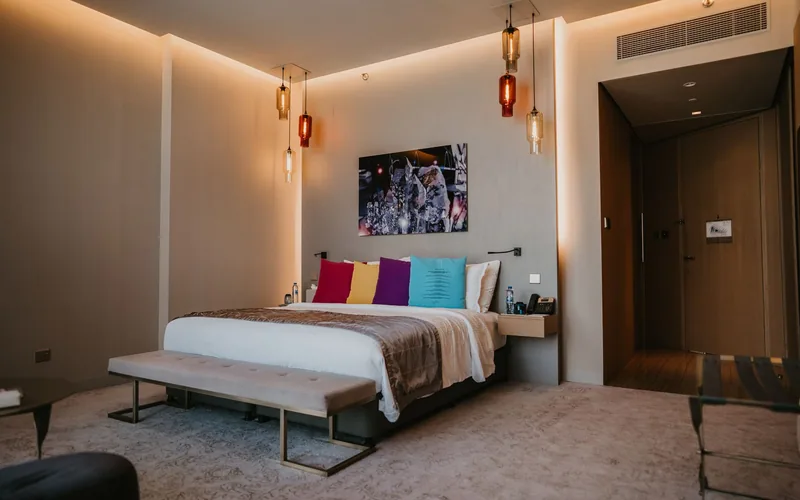
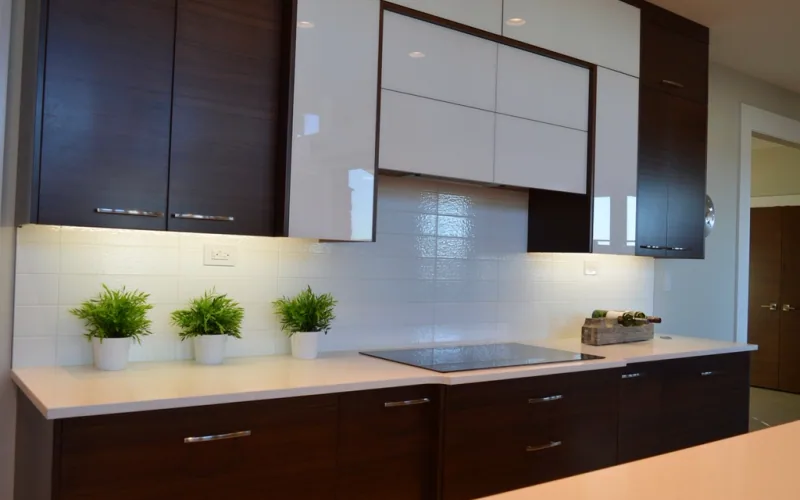
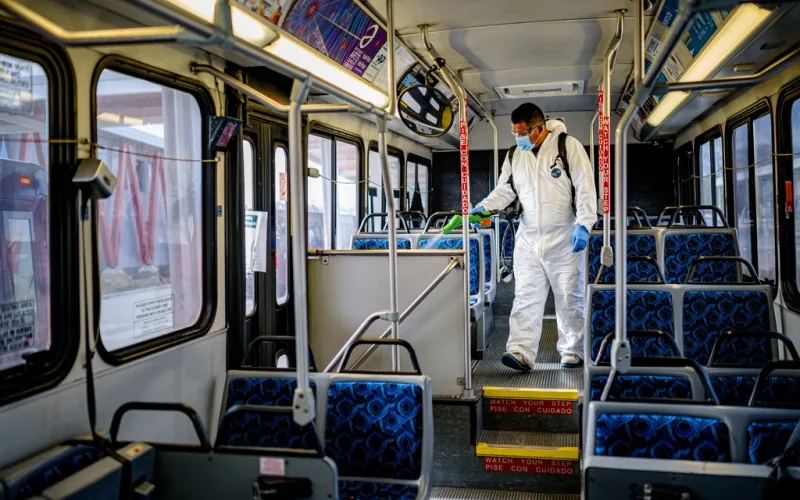
Photographs from real jobs carried out by the crew.
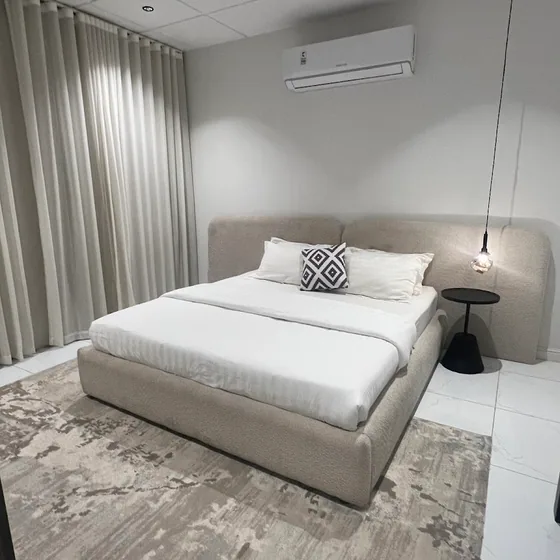
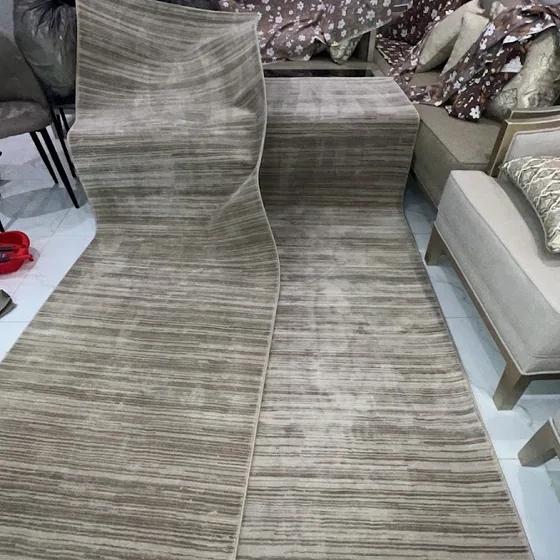
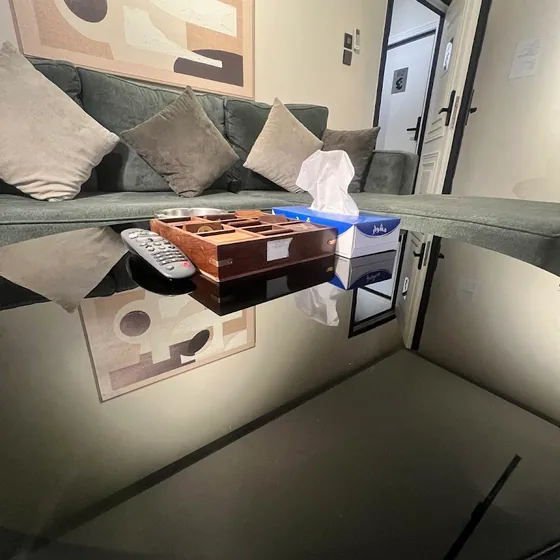
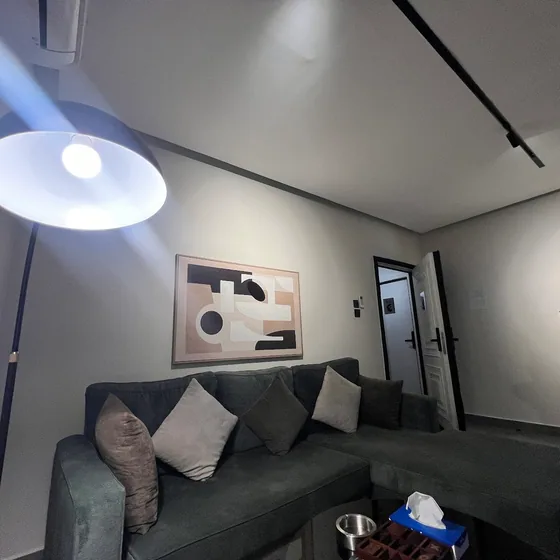
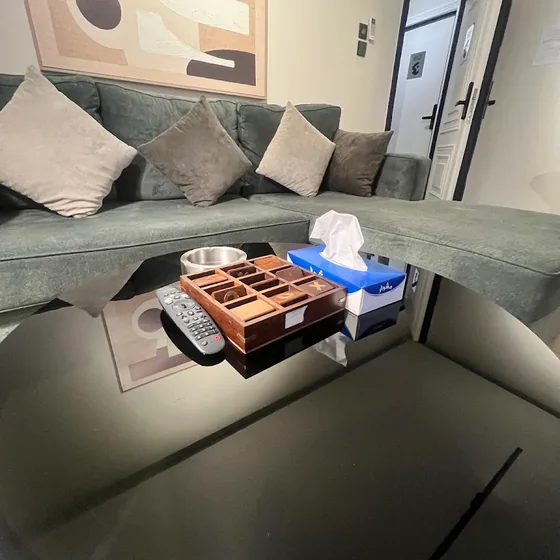
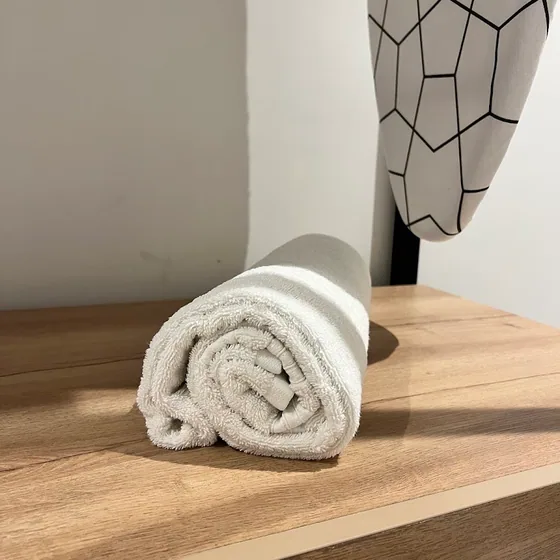
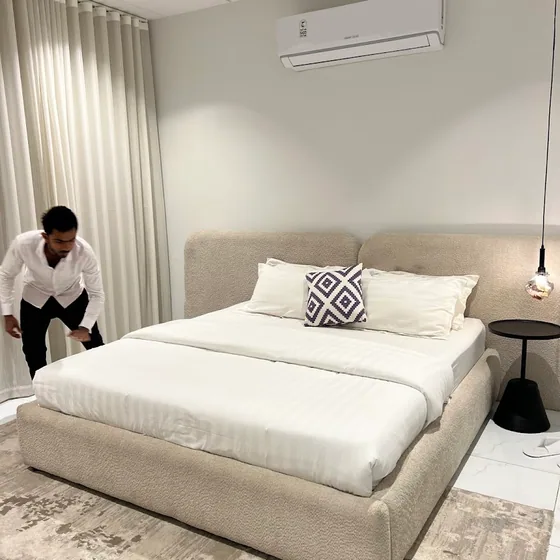
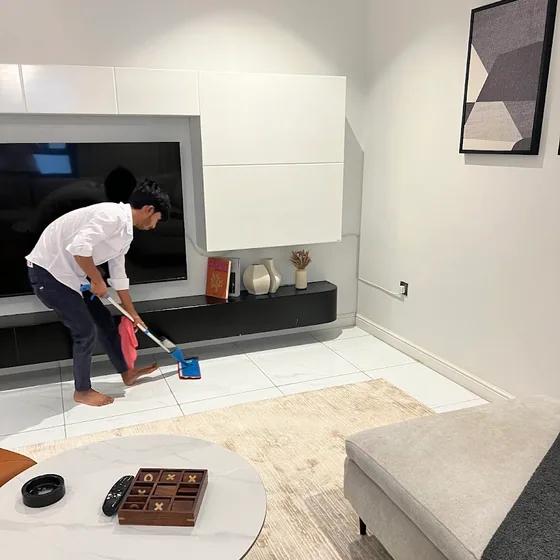
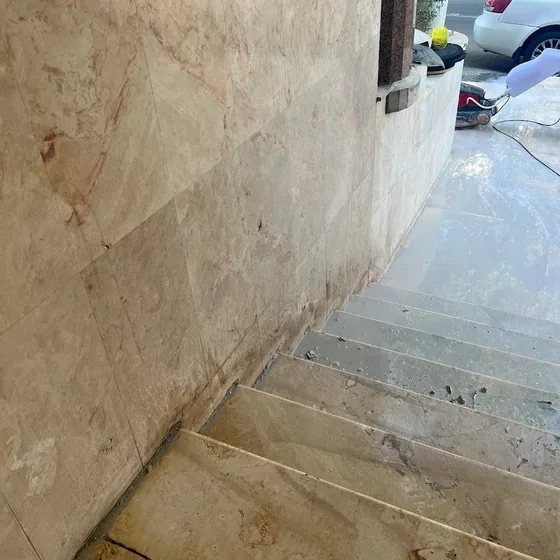
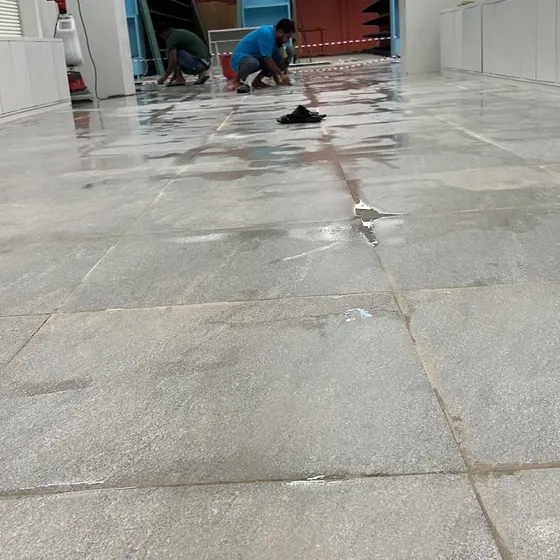
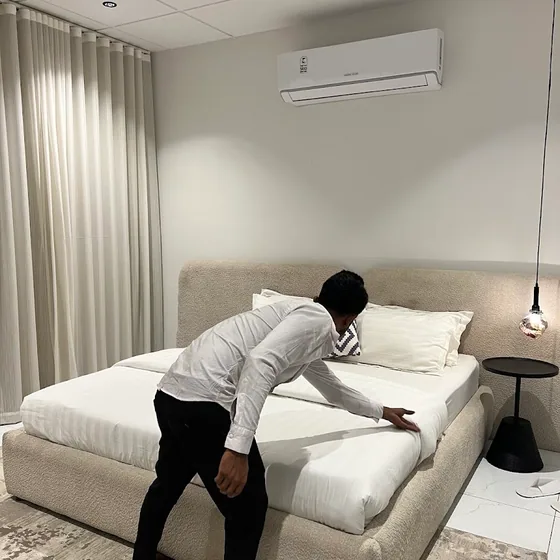
The commitment is simple enough to actually keep: we do not leave until you have seen the result and told us what you think.
South Jeddah runs from the port and the industrial city down towards Al Khumrah, and homes here sit between the sea and the heavy goods roads. The dust is darker and oilier than in the north, a mix of diesel soot and workshop grit, and it clings to net curtains, window sills and the tops of kitchen cupboards. Floors in the older low rise housing are often plain cement or ceramic tile that darkens where soot is walked in. Humidity from the coast adds mildew in bathrooms and a musty smell in stored fabrics.
We provide these in Al Qawzain too, and more than one can share a single visit.