
The right gear for drinking water
Pumps to clear sludge, scrubbing to remove biofilm, and disinfectant meant for potable storage.
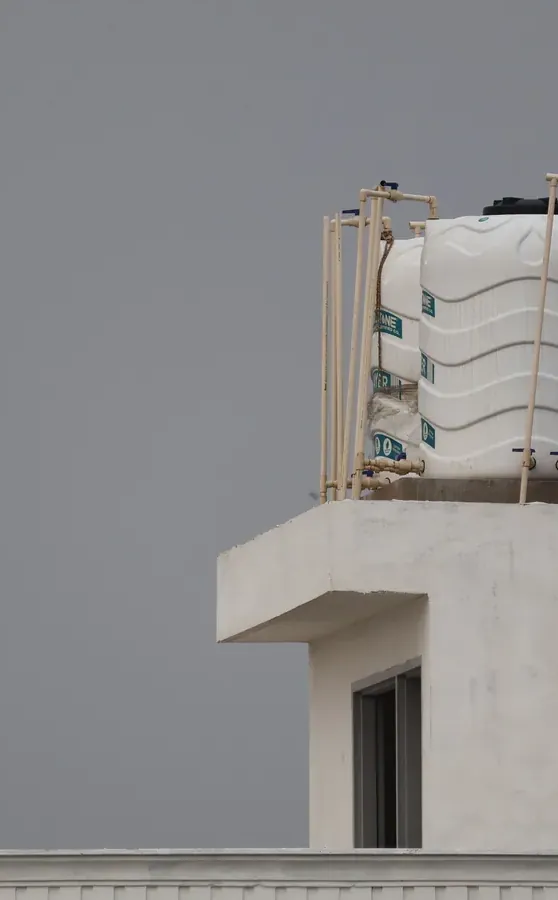
Al Wadi in south Jeddah is industrial and logistics at heart: warehouses, storage facilities and heavy industrial infrastructure along organized streets. The dust here is darker and oilier than anything in the north, a mix of diesel soot and workshop grit that settles on every surface. Tanks here carry a heavier load and water needs frequent cleaning. Neglect is not an option in an industrial zone.
Tanks in industrial areas fill with oily sediment from diesel exhaust far faster than in typical residential zones, and cleaning requires specialist attention to break down deposits that water alone will not shift. For the method itself, see how we approach water tank cleaning.
Al Wadi is surrounded by loading yards and routes for heavy trucks. Diesel exhaust settles on everything: roofs, tank covers, vent openings. A tank near these roads absorbs fine diesel soot that sticks to tank walls. Cleaning here is not optional but an ongoing necessity. Without it, water quality degrades month by month.
Warehouses use water constantly: facility cleaning, floor washing, water for machinery cooling. This puts continuous demand on the tank and accelerates sediment buildup. A tank serving heavy commercial use may fill with deposits in just a few months. The buildup is thicker and stickier than in residential tanks because the water never rests.
South Jeddah sits close to the sea and humidity is high. The tank does not suffer from dry air but from combined heat and moisture. The result is mildew in bathrooms and a musty smell in stored fabrics. Disinfection standards must be higher here because bacteria and fungi grow faster under humidity, and soot particles accelerate biological growth.
Al Wadi is dominated by warehousing and logistics, with modern licensed storage facilities set out along organized streets such as Nasser bin Eid Street and the King Faisal branch road, extending the commercial and industrial belt through south Jeddah.
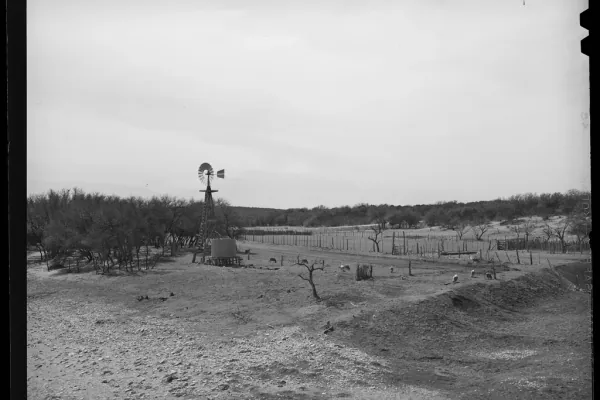
Tank inspection in an industrial zone like Al Wadi must focus on seals and vents: are there gaps letting soot and dust in? Is external paint peeling? Is external corrosion visible? Specialist inspection equipment may be needed to assess the scale of deterioration.
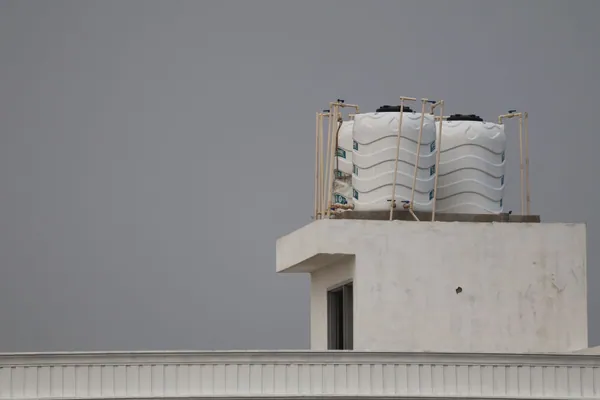
Draining water from a warehouse tank may produce very dark water from soot and heavy sediment. We use powerful pumps and long hoses for safe drainage away from the facility. If the water carries oily deposits, we may need a special container to contain the soot safely.
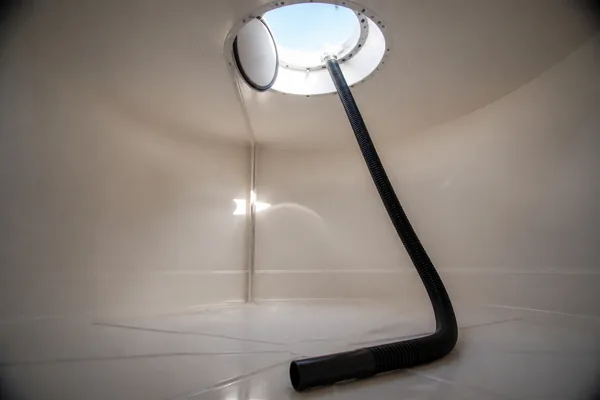
Vacuuming oily sediment from the tank floor requires care: oily deposits are sticky and heavy. We vacuum slowly by hand without stirring, and may need a specialist pump designed for petroleum products if soot content is high.
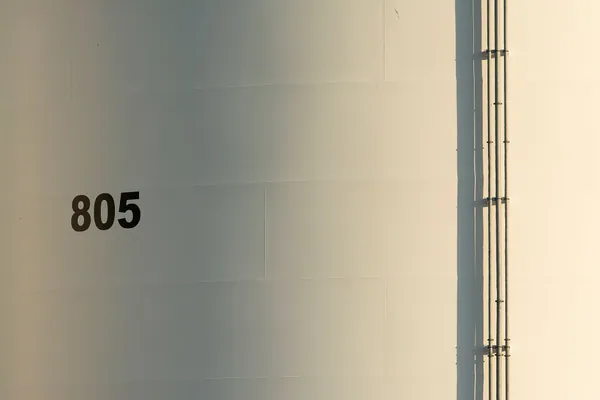
Wall scrubbing in a warehouse tank may reveal thick black sticky deposits: diesel soot adheres hard. We use a stiff brush and moderate pressure, careful not to scratch the tank surface. Scrubbing may take significantly longer than in a residential tank.
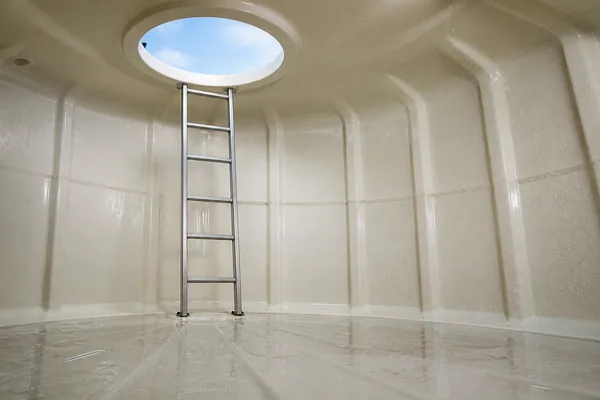
Disinfection in Al Wadi where humidity is high and deposits are oily requires top standards. We use powerful disinfectants certified for both industrial and drinking water use. After disinfection we may seal the tank for a full day before water is restored to users.
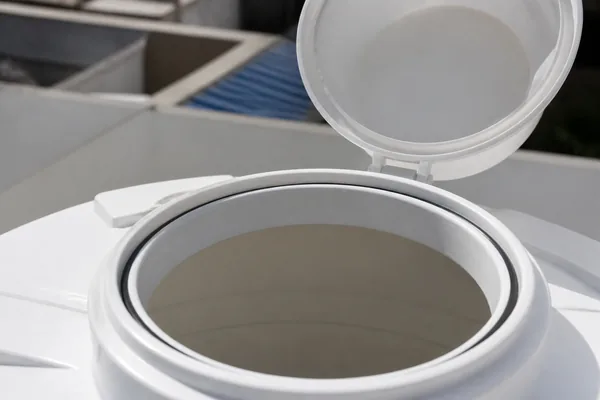
Final rinse in an industrial tank takes multiple passes: oily deposits leave a slick layer that requires repeated rinsing to clear. We rinse until emerging water is perfectly clear.
The supply into the tank is shut and the tank is drained completely.
The sludge on the floor is scooped and pumped out first.
The biofilm on the walls is physically scrubbed off.
With the walls and floor clean, a disinfectant made for drinking-water storage is applied and given time to act on every surface.
The disinfectant and any loosened residue are rinsed down and pumped out, so the first tank of water after us is not carrying it.
We check the cover seal and inlet before refilling, so dust and insects stay out, then start the refill while you watch it run clear.
Industrial area: workshops, warehouses and loading yards
In an industrial zone like Al Wadi, the tank faces a completely different challenge than residential: oily dust from soot, heavy continuous use by warehouses, high coastal humidity. Cleaning here is not a comfort but an ongoing necessity to maintain water quality for both industrial and human use.
Pumps to clear sludge, scrubbing to remove biofilm, and disinfectant meant for potable storage.
We send a team, not one person, so a tank is drained, cleaned, disinfected and refilled in a single visit rather than left open for days.
We look at the lid seal and inlet, because a tank that got dirty fast usually has a way in.
Nothing is closed until the tank is refilling and you have seen the water run clean.
Photographs from real jobs carried out by the crew.












The commitment is simple enough to actually keep: we do not leave until the tank is disinfected, refilling, and you have seen it for yourself.
South Jeddah runs from the port and the industrial city down towards Al Khumrah, and homes here sit between the sea and the heavy goods roads. The dust is darker and oilier than in the north, a mix of diesel soot and workshop grit, and it clings to net curtains, window sills and the tops of kitchen cupboards. Floors in the older low rise housing are often plain cement or ceramic tile that darkens where soot is walked in. Humidity from the coast adds mildew in bathrooms and a musty smell in stored fabrics.
We provide these in Al Wadi too, and more than one can share a single visit.



