
The right gear for drinking water
Pumps to clear sludge, scrubbing to remove biofilm, and disinfectant meant for potable storage.
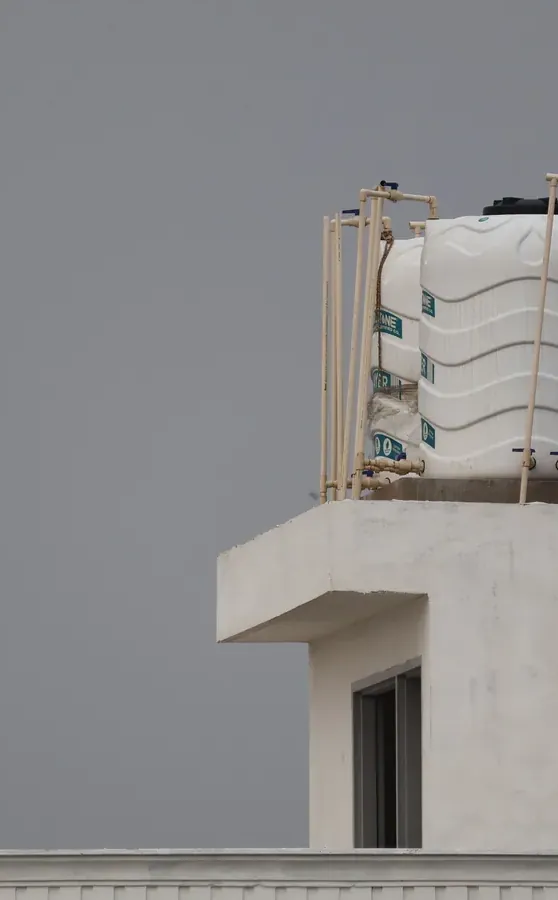
Al Qawzain is a small coastal strip on the Southern Corniche at the far south of Jeddah, with seaside rest houses and an open beach near Al Seef Beach. Direct seaside location means very high humidity and salt air year round. Tanks fill with grey sediment and a thick slimy film of algae and salt, and water may taste salty if not cleaned regularly.
High humidity and constant salt air mean tanks fill with sediment and algae faster than anywhere else in Jeddah. For the method itself, see our water tank cleaning service in detail.
Al Qawzain sits directly on the beach and humidity is very high year round. Salt air enters the tank and leaves salt residue, and high humidity helps algae and mould grow on tank walls at very high speed.
Coastal tanks fill with thick slimy film of salt, algae and mould that is hard to remove. Water may taste salty or be cloudy after just a short time after cleaning, and mould may return quickly with constant humidity.
A sewage treatment works and iron factory sit close to Al Qawzain and may cause extra tank contamination. Water may carry heavy sediment from the works as well as salt and algae.
A small coastal strip on the Southern Corniche in south Jeddah with seaside rest houses and open beach access, a sewage treatment works and iron factory nearby, Al Seef Beach within short distance.
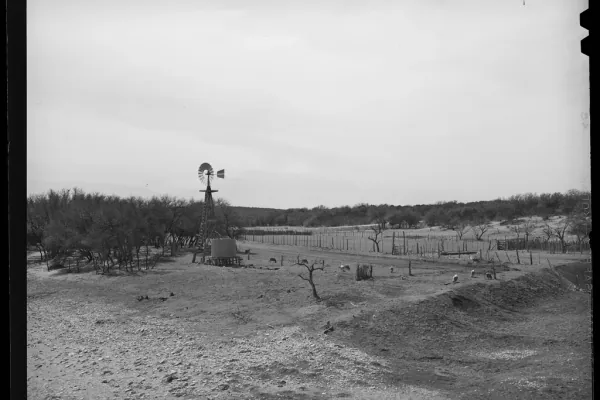
We inspect the tank and see the volume of algae, salt and mould film, which tells us the depth of scrubbing and effort needed.
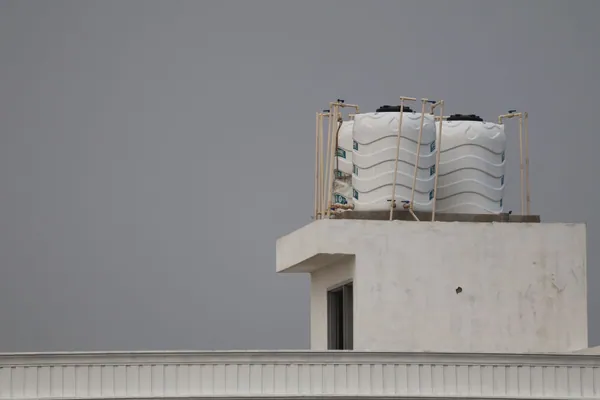
We drain all salty and polluted water carefully from a coastal tank, and the beach location affects safe disposal.
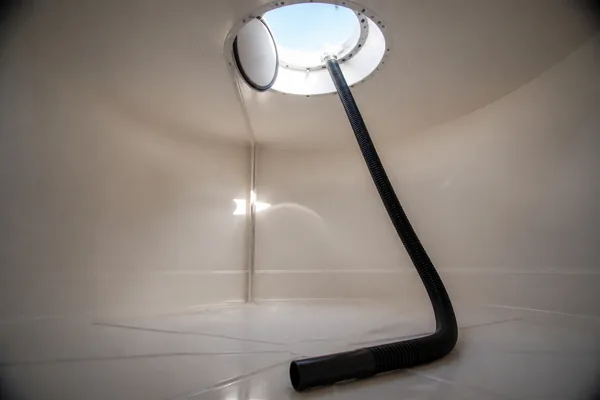
We vacuum algae and sediment from the tank floor with force, and coastal location means slimy, heavy deposits.
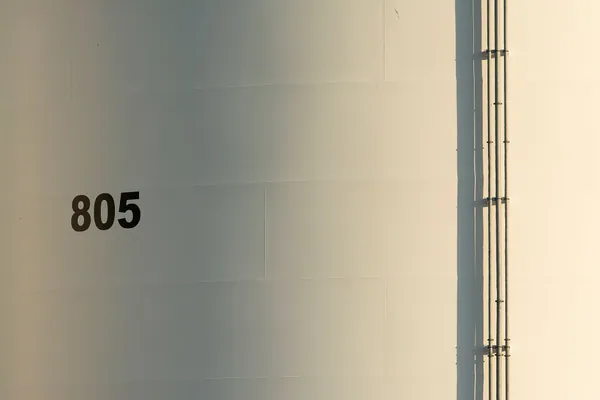
We scrub walls and floor firmly and carefully to strip away the thick slimy film of salt, algae and mould.
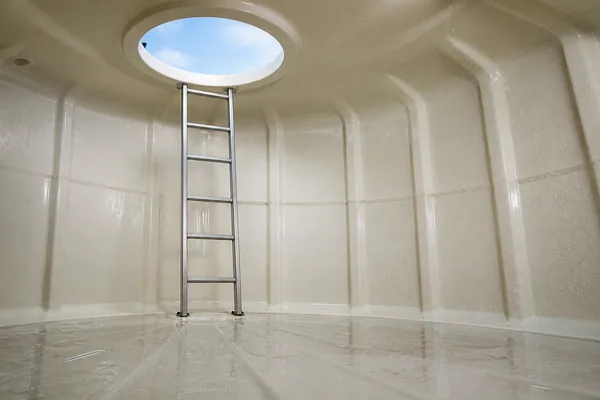
We disinfect and rinse several times because high humidity may cause fast return, and multiple rinses are essential.
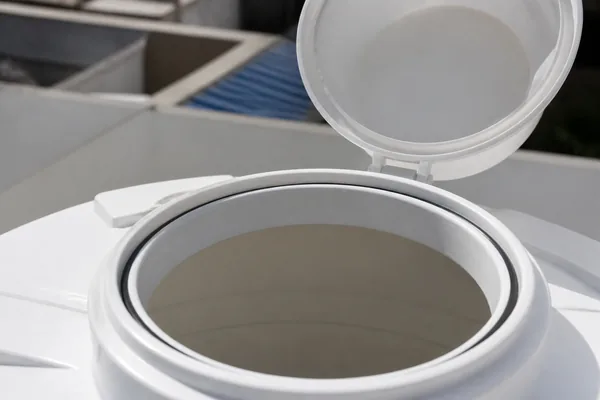
We inspect the lid and seal to ensure salt and humidity protection, and advise very frequent inspection and cleaning.
The supply into the tank is shut and the tank is drained completely.
The sludge on the floor is scooped and pumped out first.
The biofilm on the walls is physically scrubbed off.
With the walls and floor clean, a disinfectant made for drinking-water storage is applied and given time to act on every surface.
The disinfectant and any loosened residue are rinsed down and pumped out, so the first tank of water after us is not carrying it.
We check the cover seal and inlet before refilling, so dust and insects stay out, then start the refill while you watch it run clear.
Pumps to clear sludge, scrubbing to remove biofilm, and disinfectant meant for potable storage.
We send a team, not one person, so a tank is drained, cleaned, disinfected and refilled in a single visit rather than left open for days.
We look at the lid seal and inlet, because a tank that got dirty fast usually has a way in.
Nothing is closed until the tank is refilling and you have seen the water run clean.
Photographs from real jobs carried out by the crew.












The commitment is simple enough to actually keep: we do not leave until the tank is disinfected, refilling, and you have seen it for yourself.
South Jeddah runs from the port and the industrial city down towards Al Khumrah, and homes here sit between the sea and the heavy goods roads. The dust is darker and oilier than in the north, a mix of diesel soot and workshop grit, and it clings to net curtains, window sills and the tops of kitchen cupboards. Floors in the older low rise housing are often plain cement or ceramic tile that darkens where soot is walked in. Humidity from the coast adds mildew in bathrooms and a musty smell in stored fabrics.
We provide these in Al Qawzain too, and more than one can share a single visit.



