
The right gear for drinking water
Pumps to clear sludge, scrubbing to remove biofilm, and disinfectant meant for potable storage.
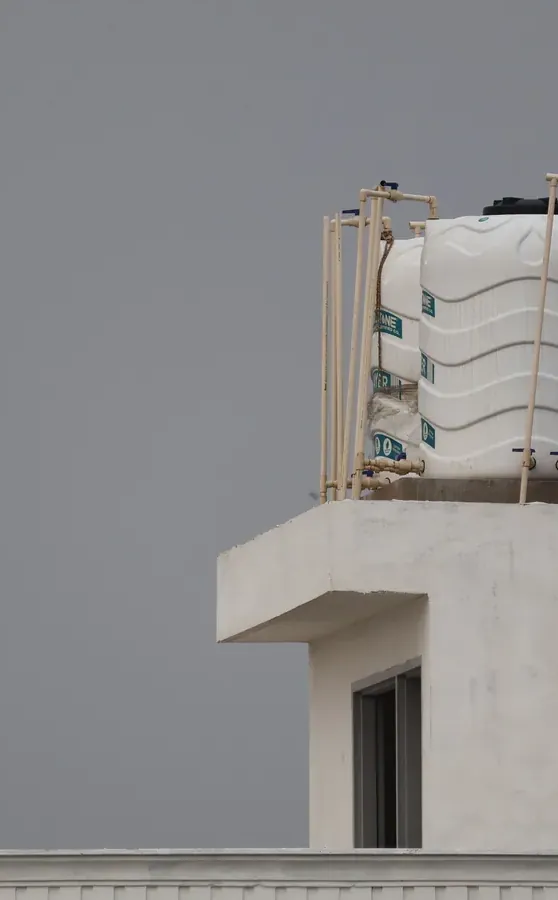
Al Tawfeeq is a small residential district east of Jeddah between Al Falah and Al Ghawla, mixing older simple housing with newer planned residential subdivisions. Coarse dust and fine sand from the open road enter the tank more easily than in enclosed districts, and grey sediment accumulates rapidly on the tank floor. A team here must understand how to remove sand deposits without stirring them back into the water during drainage and cleaning.
Storage tanks here hold thicker grey sediment deposits on the floor than elsewhere in Jeddah, and fine gravel from the road enters with it, requiring strong suction and deep scrubbing to remove completely. For the method itself, see our guide to water tank cleaning.
Al Tawfeeq is close to open roads and dry ground, and the arid air carries coarser dust and sand than the coast. Tanks here often sit on exposed roofs with weak covers, so sand and gravel enter every gap. Grey sediment accumulates quickly on the floor, and water after cleaning may run cloudy with sand initially because the interior is so contaminated.
Simple popular housing in Al Tawfeeq is old and the pipes may be rusted or broken from decades of use. Water entering the tank may carry rust particles from the lines, and cleaning the tank alone will not fix that. We inspect the pipework and tell you if it needs replacement.
The area blends old simple housing with newer planned subdivisions, and old tanks may have corroded pipework while new ones are clean. Distinguishing between old and new problems is essential because the solution may need pipe repair or tank replacement in addition to cleaning.
Al Tawfeeq lies in east Jeddah toward Asfan close to the University of Jeddah road, located closer to open ground and hills than to the sea. The air is drier and the dust is coarser than on the coast, and it infiltrates under doors and settles on every surface overnight.
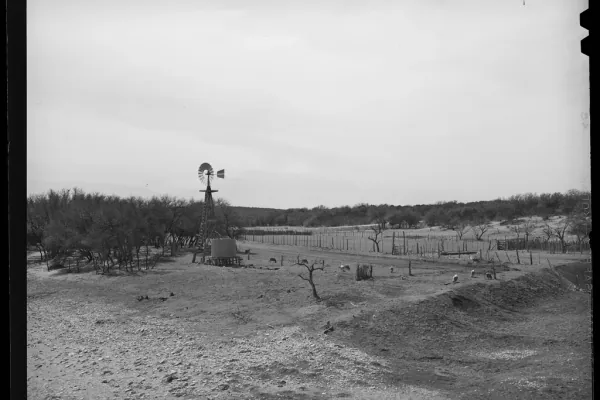
In a district close to an open road, the tank may hold thick grey sediment on the floor, so we inspect it closely with strong light and measure the depth of deposit before we drain it.
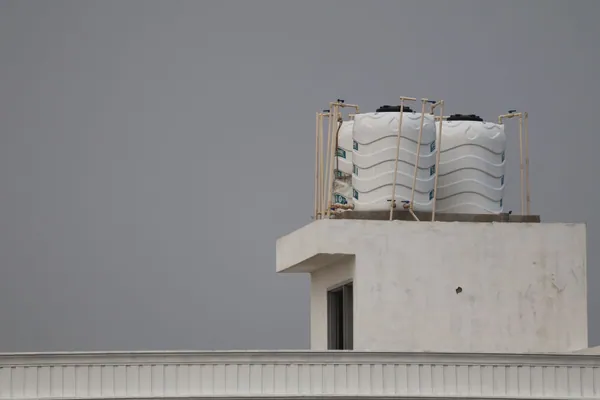
Draining Al Tawfeeq tanks requires care because grey sand sediment can re-cloud the water if we move it with force, so we lower pipes gently into the tank.
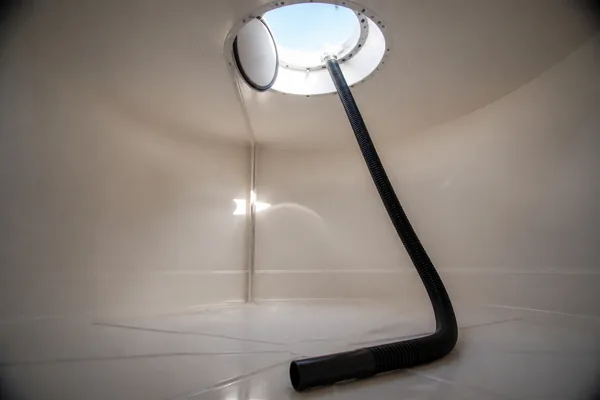
Sediment removal from the floor is time consuming here because sand and dust are so thick; we work carefully with light and inspect thoroughly to ensure no residue is left.
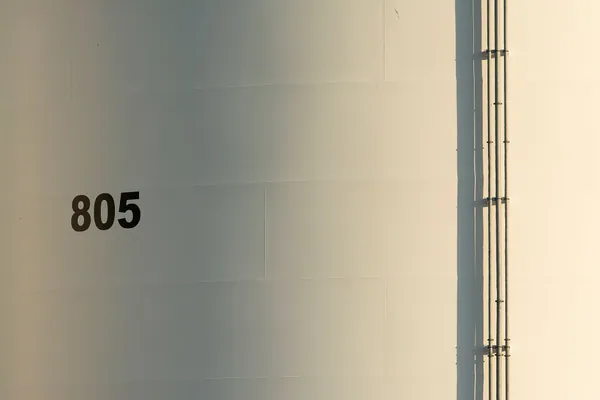
Scrubbing the walls is easier here than in coastal areas because the grey sediment is not sticky like algae or grease, but the floor and corners need hard scrubbing.
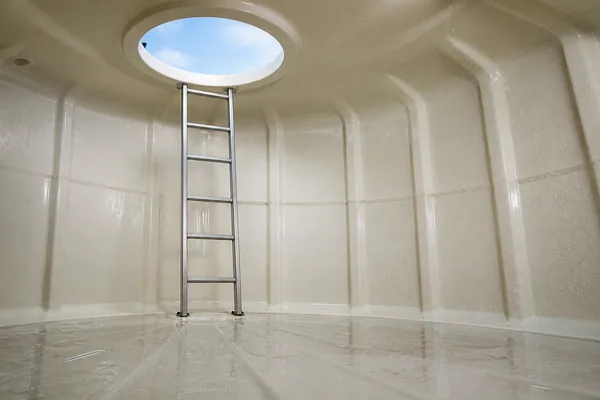
Disinfection is equally important here because limited humidity does not prevent bacteria; we use strong approved disinfectant that is safe for drinking water.
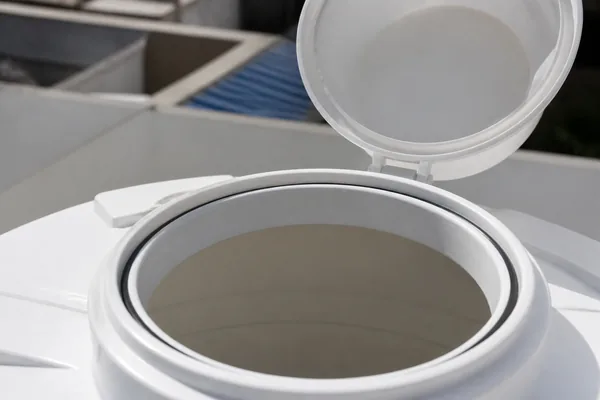
The final rinse takes considerable time because we must ensure no sand or cloudiness remains before we hand the tank over clean and ready to use.
The supply into the tank is shut and the tank is drained completely.
The sludge on the floor is scooped and pumped out first.
The biofilm on the walls is physically scrubbed off.
With the walls and floor clean, a disinfectant made for drinking-water storage is applied and given time to act on every surface.
The disinfectant and any loosened residue are rinsed down and pumped out, so the first tank of water after us is not carrying it.
We check the cover seal and inlet before refilling, so dust and insects stay out, then start the refill while you watch it run clear.
Mixed district: shops at street level with homes above them
The open dry environment in Al Tawfeeq means the tank faces coarse dust and gravel from the road, not salt or coastal humidity. Grey sediment on the floor is the primary problem, not algae or grease.
Pumps to clear sludge, scrubbing to remove biofilm, and disinfectant meant for potable storage.
We send a team, not one person, so a tank is drained, cleaned, disinfected and refilled in a single visit rather than left open for days.
We look at the lid seal and inlet, because a tank that got dirty fast usually has a way in.
Nothing is closed until the tank is refilling and you have seen the water run clean.
Photographs from real jobs carried out by the crew.












The commitment is simple enough to actually keep: we do not leave until the tank is disinfected, refilling, and you have seen it for yourself.
East Jeddah lies furthest from the sea and closest to the open ground and hills beyond the ring roads, so the air is drier and the dust is coarser and paler than on the coast. It comes in under doors and settles on every flat surface overnight, making sofas, mattresses and curtains the heaviest part of the routine. Floors are mostly ceramic tile in the apartment districts and marble in the villa areas, both scratched by grit that is mopped rather than swept. Roof tank water leaves a grey film of sediment in baths and basins.
We provide these in Al Tawfeeq too, and more than one can share a single visit.



