
The right gear for drinking water
Pumps to clear sludge, scrubbing to remove biofilm, and disinfectant meant for potable storage.
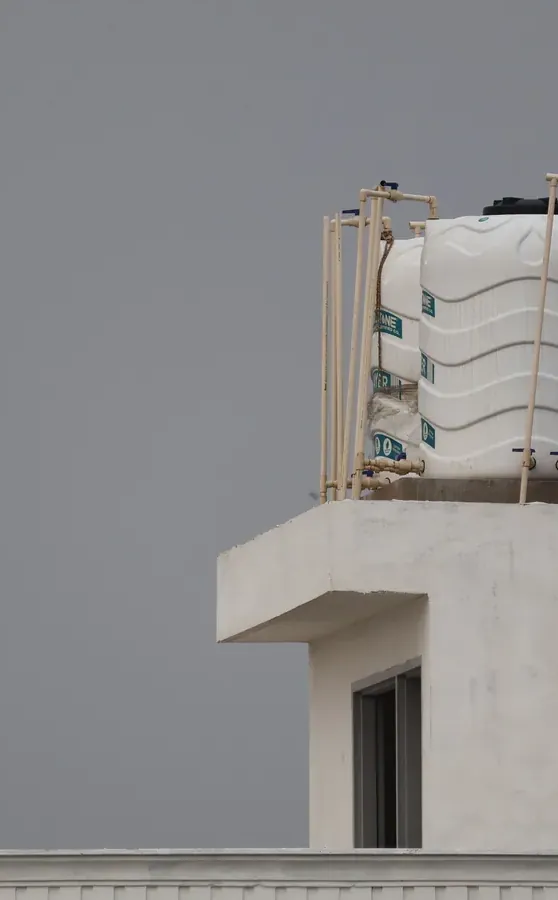
Al Ghawla is a small residential quarter in east Jeddah near Wadi Al Ghawla, with small shops at street level and homes above them. Tanks here suffer from dust from nearby hills and open dry ground. Water carries very fine sand particles that settle quickly. The quarter is simple with crowded rooftops, and dry winds carry dust without the salt of the coast.
Tanks in Al Ghawla hold thick sandy sediment, not limestone scale. Dust from the hills and open ground settles fast in the tank bottom. For the method itself, see what water tank cleaning involves.
Al Ghawla is near hills and open ground, and dry winds carry very fine sand particles. This sand enters the tank through small gaps and loose lids, settling quickly on the floor.
Fine sand particles stay suspended in water for a long time, so basins and sinks collect sand quickly. A very fine grey layer appears and reappears daily.
The quarter is mixed use so small shops open directly onto the street. Dust enters shops and homes alike, and the tank on the roof receives this dust from the surrounding air.
Al Ghawla sits near Wadi Al Ghawla and the Asfan road. The ground is dry and hills are close. The air is arid and dust is coarse and fine together.
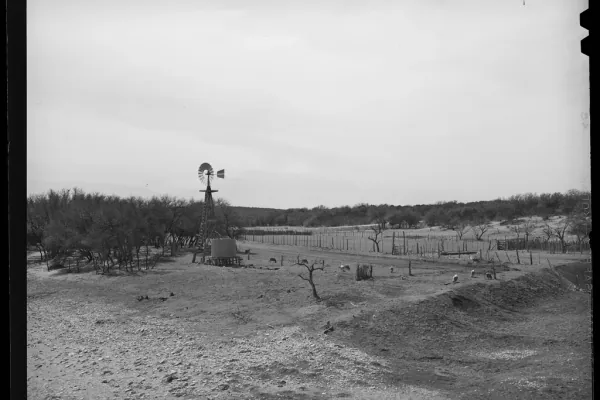
The tank in Al Ghawla carries very fine sand sediment on the floor instead of limestone or oil deposits. The colour is pale grey and the texture is fine.
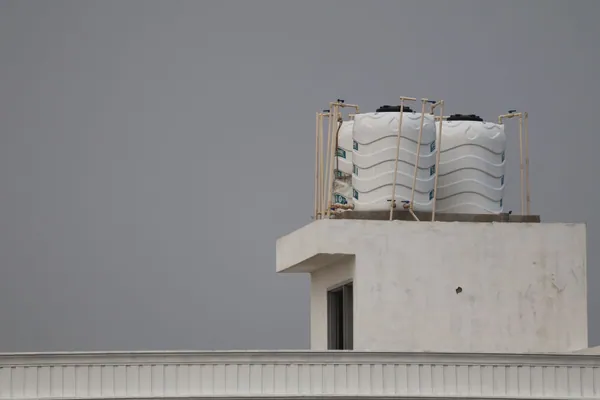
Draining is relatively quick because fine sand does not cling like heavy clay, but the volume of sand may be large.
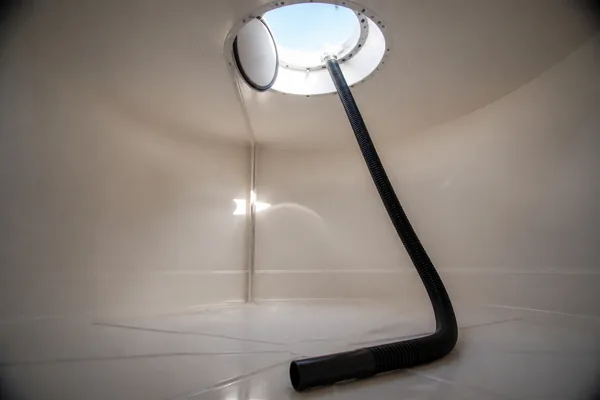
Sediment is purely sandy with fine dust from dry air. Sand settles fast and comes off walls easily with water and light scrubbing.
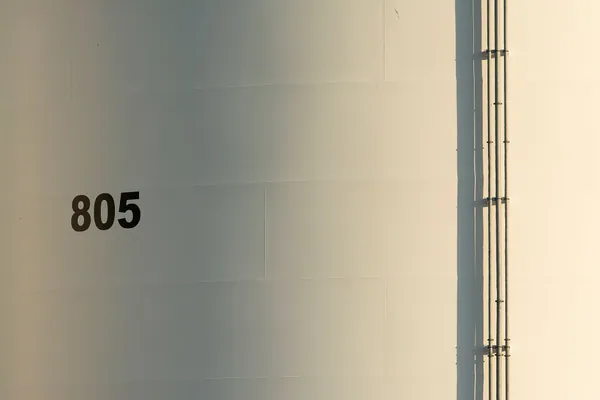
Walls and floor are scrubbed by hand but gently because fine sand does not adhere strongly like other sediments. The floor needs more attention because sand gathers there.
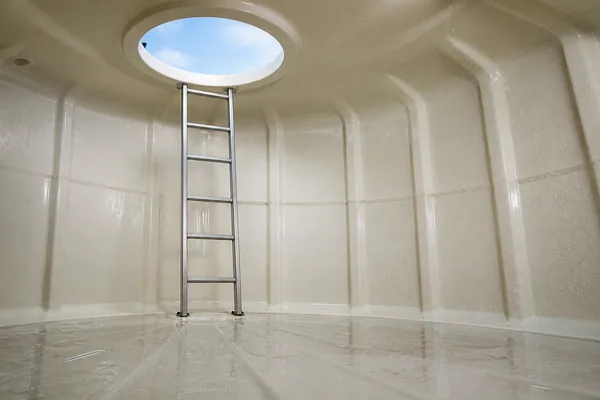
Disinfection is essential because sand alone is not the problem; bacteria grow in sandy water and summer heat speeds growth.
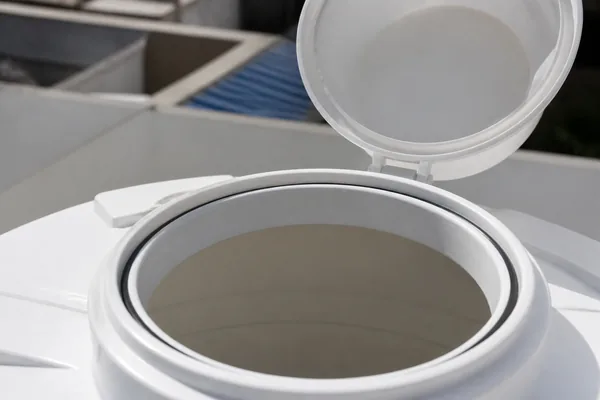
Final inspection confirms the water carries no suspended sand particles, pipes are clear of sand, and the lid seals tightly against dust re-entry.
The supply into the tank is shut and the tank is drained completely.
The sludge on the floor is scooped and pumped out first.
The biofilm on the walls is physically scrubbed off.
With the walls and floor clean, a disinfectant made for drinking-water storage is applied and given time to act on every surface.
The disinfectant and any loosened residue are rinsed down and pumped out, so the first tank of water after us is not carrying it.
We check the cover seal and inlet before refilling, so dust and insects stay out, then start the refill while you watch it run clear.
Mixed district: shops at street level with homes above them
In Al Ghawla, the quarter is mixed use with simple residential shops - corner stores, small workshops, barber shops. Open shop fronts allow desert dust to enter freely, and the tank receives this dust directly from the air. Cleaning must focus on removing fine sand thoroughly.
Pumps to clear sludge, scrubbing to remove biofilm, and disinfectant meant for potable storage.
We send a team, not one person, so a tank is drained, cleaned, disinfected and refilled in a single visit rather than left open for days.
We look at the lid seal and inlet, because a tank that got dirty fast usually has a way in.
Nothing is closed until the tank is refilling and you have seen the water run clean.
Photographs from real jobs carried out by the crew.












The commitment is simple enough to actually keep: we do not leave until the tank is disinfected, refilling, and you have seen it for yourself.
We reach the tank via Wadi Al Ghawla, which runs through the quarter, or the University of Jeddah Road from the east. Al Ghawla is small so houses are close together and addresses are easy to locate from the main road.
We provide these in Al Ghawla too, and more than one can share a single visit.



