We clean the flat, not just the view
Tops of cupboards, tracks, vents and touch points are in the job by default.
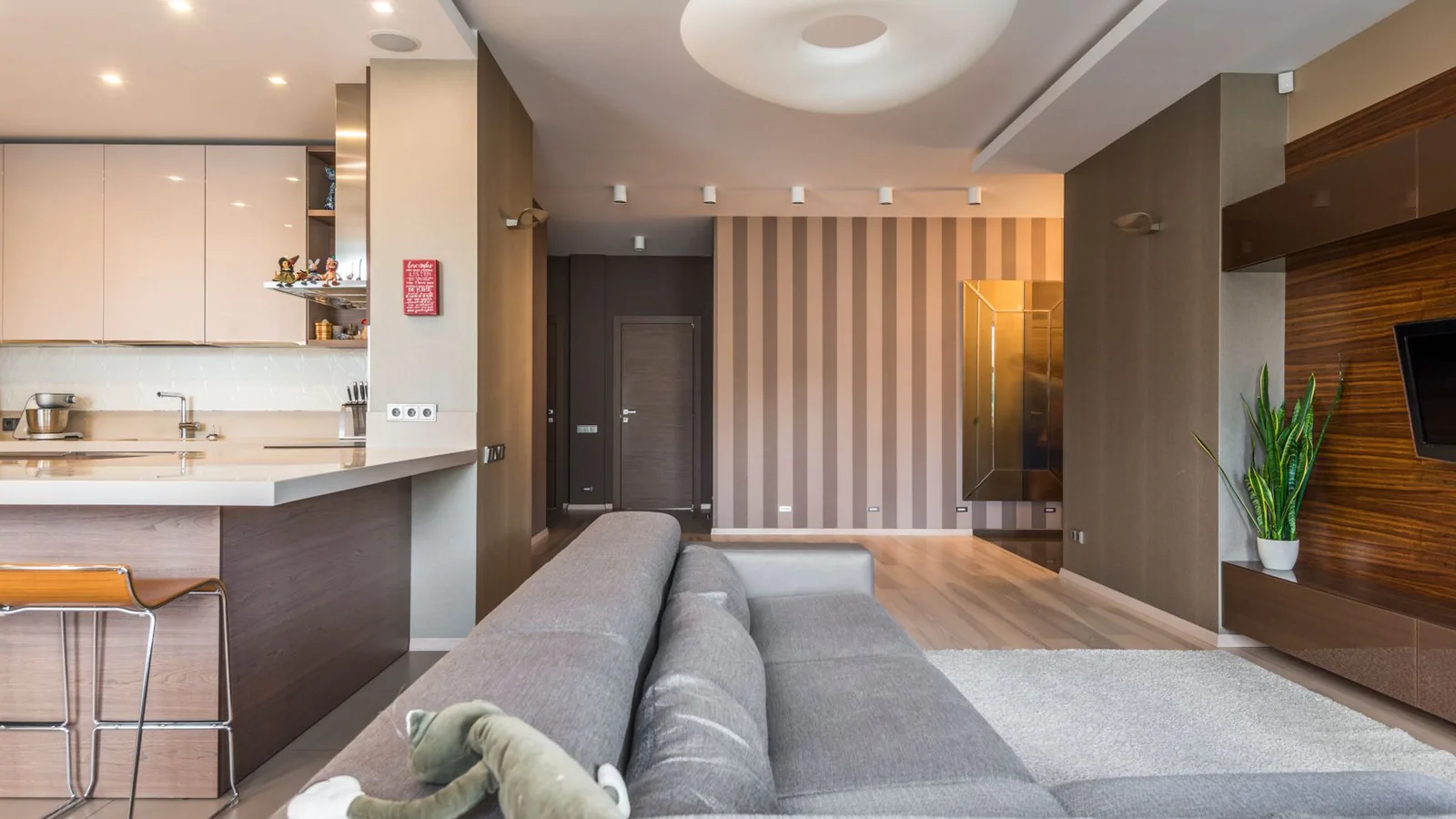
Al Hamra's seafront location brings persistent Red Sea humidity into every flat: salt deposits settle on windows, moisture seeps behind furniture and rises through flooring. The coastal apartment here needs cleaning that reaches far beyond what a daily wipe can touch, addressing the salt-laden air and the damp it traps inside.
Salt residues appear on windows and surfaces faster than water can dry them, and humidity condenses on glass and mirrors during the cooler hours, leaving watermarks that reappear within days of cleaning. For the method itself, see what apartment cleaning involves.
Windows and glazing here need far more than a quick wipe: salt deposits require a solvent approach, and humidity trapped behind frames leaves mineral marks that return rapidly without proper treatment. The sealants and gaskets around frames harbour both salt and mould.
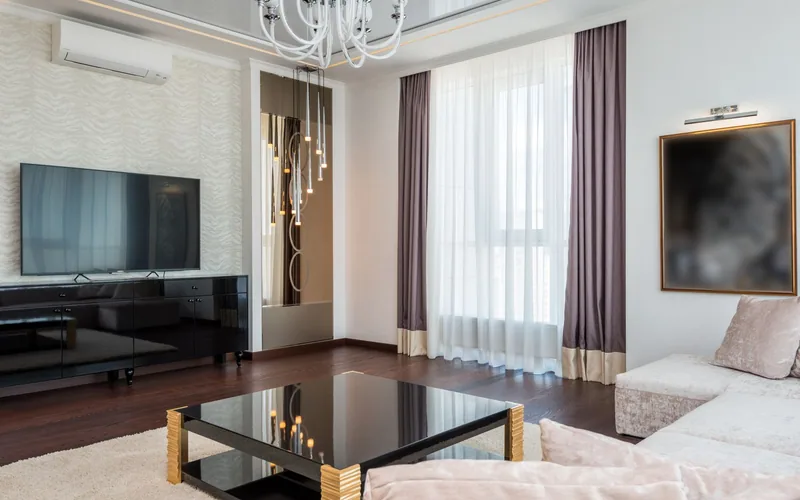
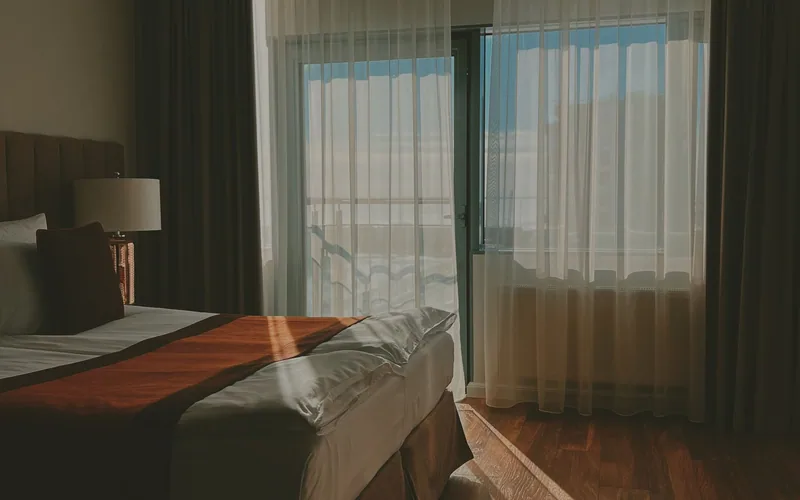
Sofas, curtains and cushions absorb coastal humidity, developing musty odours early and subtle discolouration over months. Cleaning goes behind and underneath because humidity collects there undisturbed, encouraging mould and rot in upholstery and wood.
Salt settles into tile grout and along skirting boards, turning grout lines grey and then black. The grout darkens faster here than inland because persistent moisture feeds fungal growth in the porous gaps between tiles.
The Corniche location means salt-laden air enters with every window opening and door passage, depositing a fine crystalline layer across glass, metal frames and fabrics that accumulates even in calm weather.
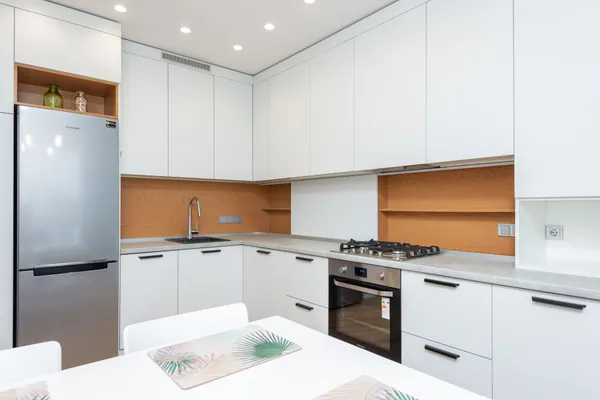
Tops of cupboards here collect fine salt dust and early mould because humidity rises and settles in cool elevated spaces where air movement slows.
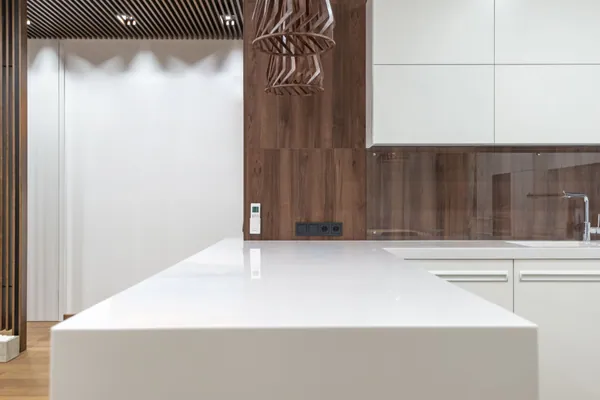
Kitchen fronts and surfaces face a double burden of cooking vapour mixed with sea humidity, leaving a greasy salt-laden film that builds quickly on all surfaces.
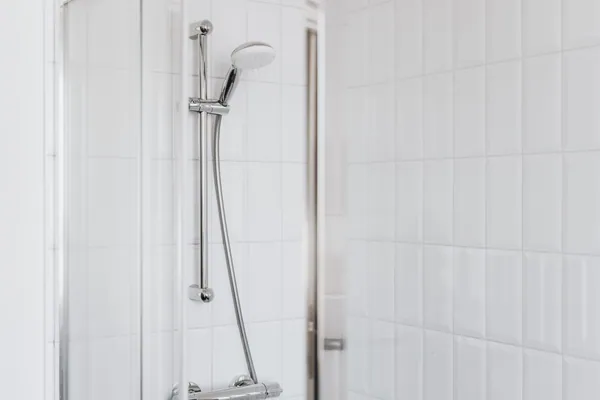
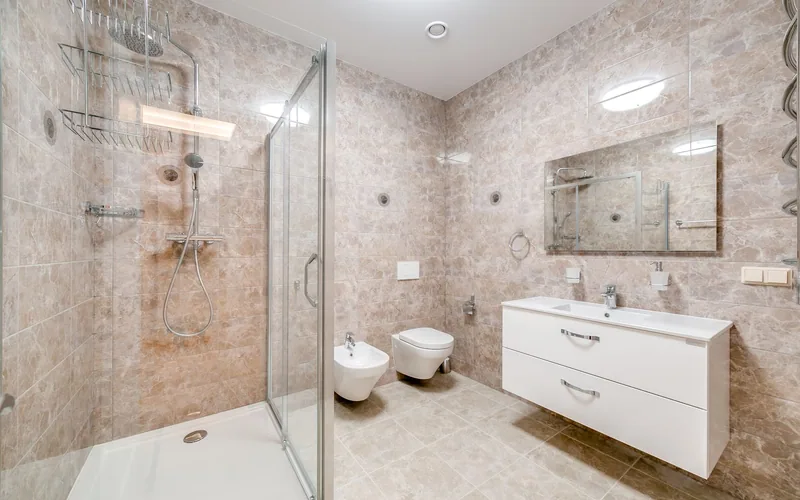
Bathroom tile and grout are highly vulnerable because moisture has nowhere to escape in the coastal building structure, and grout lines blacken faster than anywhere else in the flat.
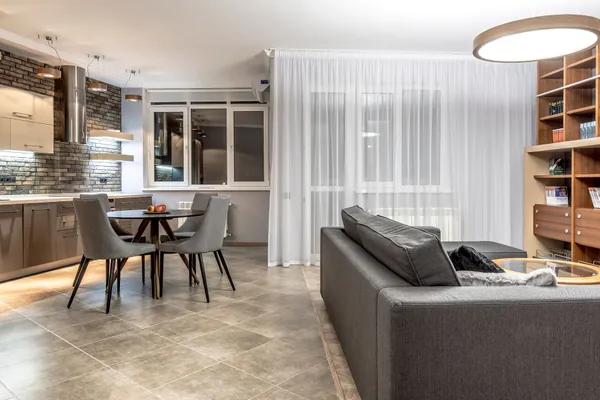
Floors require immediate drying after wet cleaning because salt residues settle into grout lines and along edges, leaving visible grey and dark lines within days.
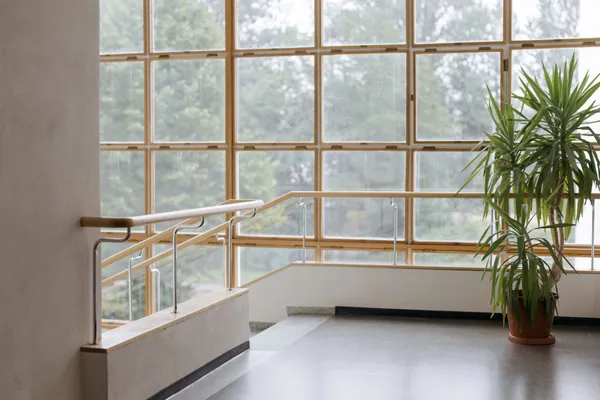
Interior glass and windows need repeated attention to salt deposits and condensation, especially on the seaward side where salt spray is heaviest.
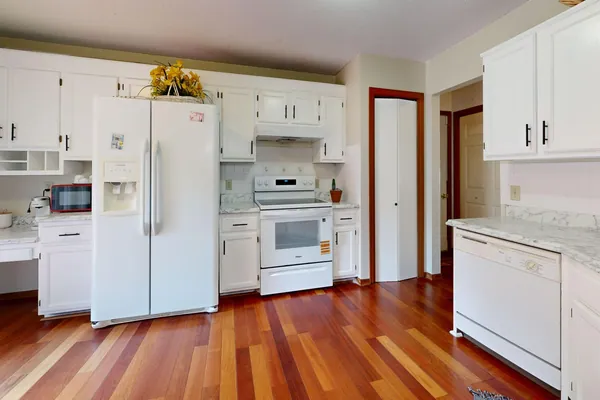
Behind furniture and appliances, dense humidity collects undisturbed, particularly around the refrigerator and air unit where cooler air draws moisture from surrounding air.
Room by room, before anything starts, so we agree what is in scope and what the price covers.
High surfaces before low ones, dry before wet.
Degreaser in the kitchen, descaler in the bathroom, each left to act rather than scrubbed dry.
Switches, handles, door edges and interior glass, the marks at hand height that a floor-and-surface clean walks straight past.
Vacuumed then washed after everything above them is done, worked into corners and skirting rather than just the open middle.
We go back through the flat with you.
Tops of cupboards, tracks, vents and touch points are in the job by default.
The company runs several teams, and we send a team rather than one person.
Machines and supplies arrive with the team.
If what you need is a painter or a pest service rather than a clean, we tell you.
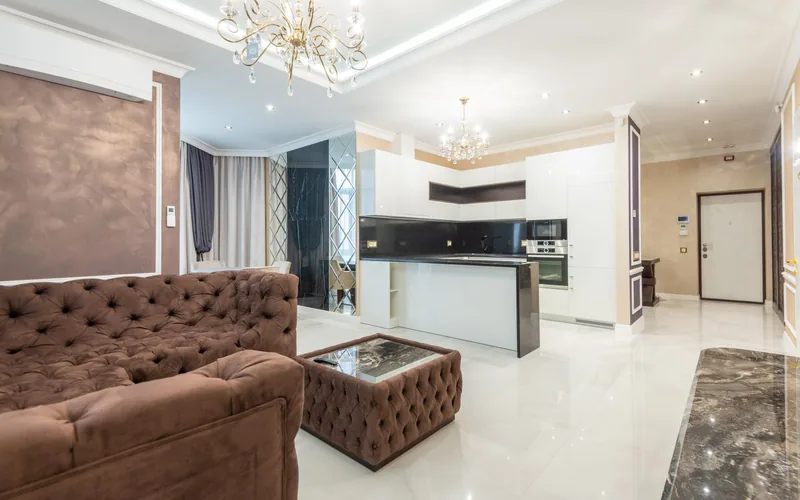
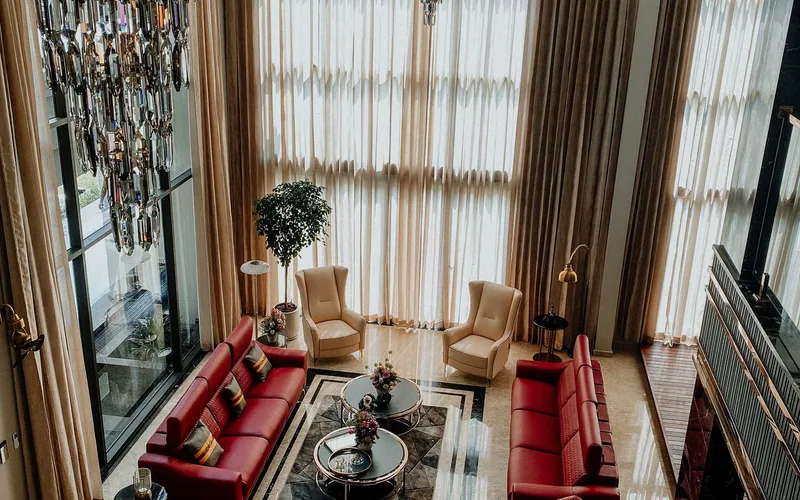
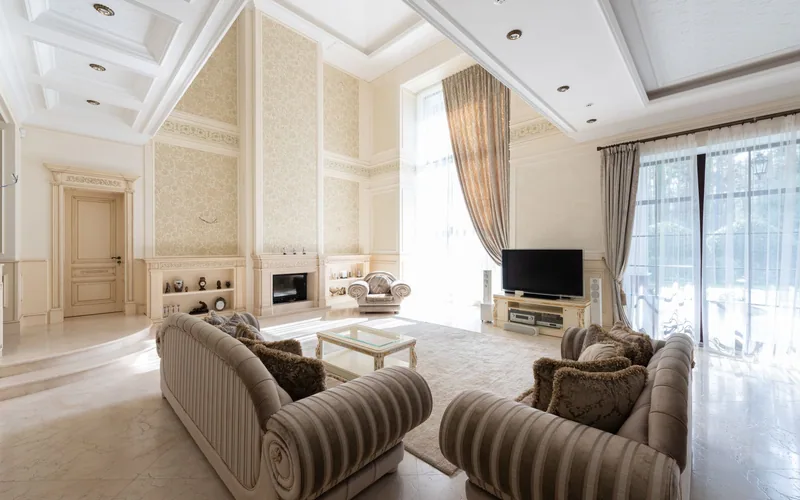
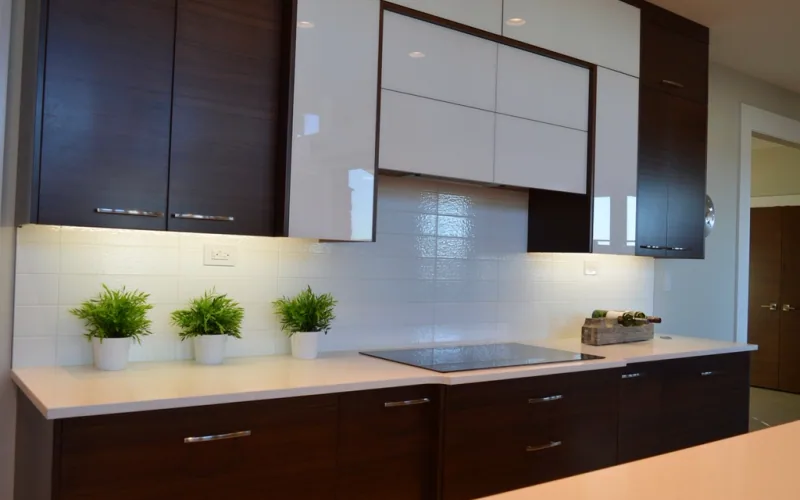
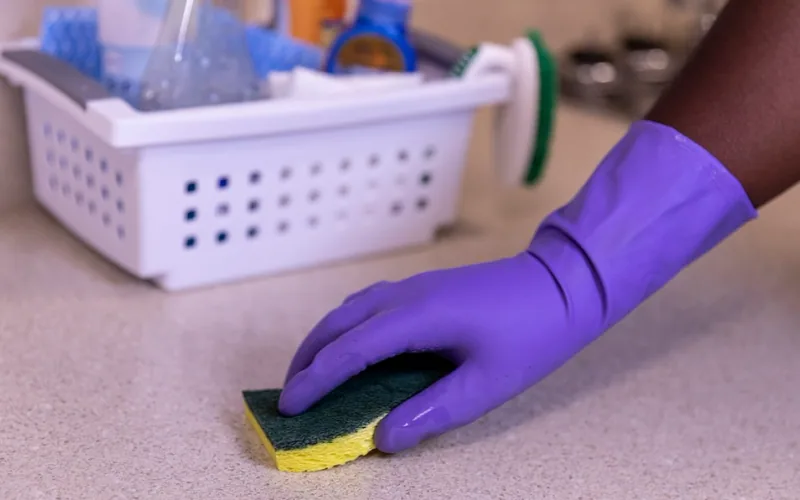
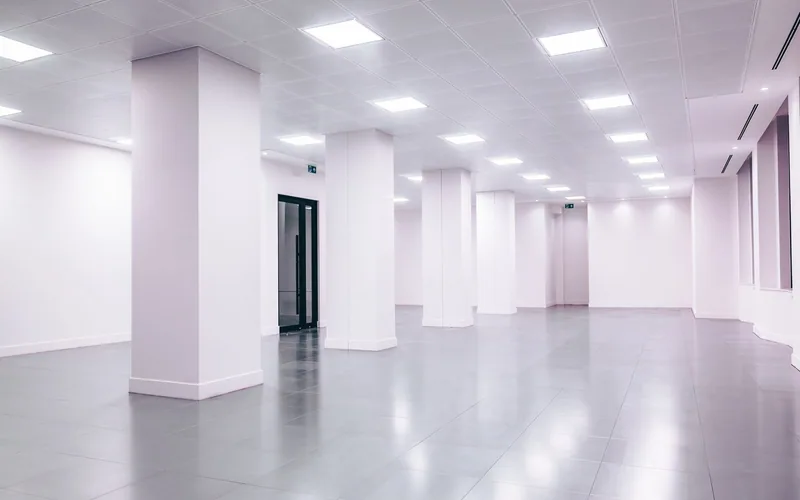
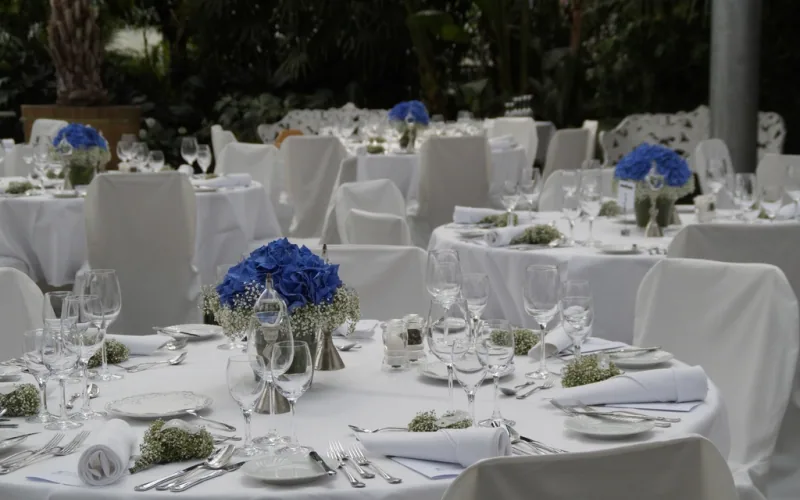
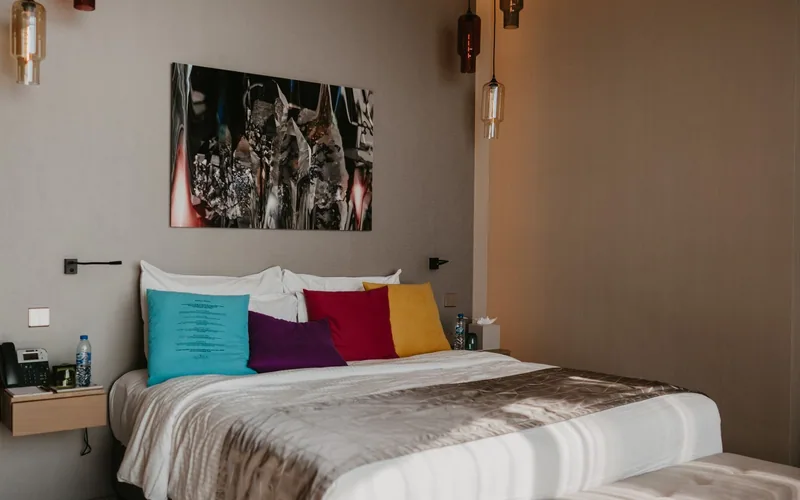
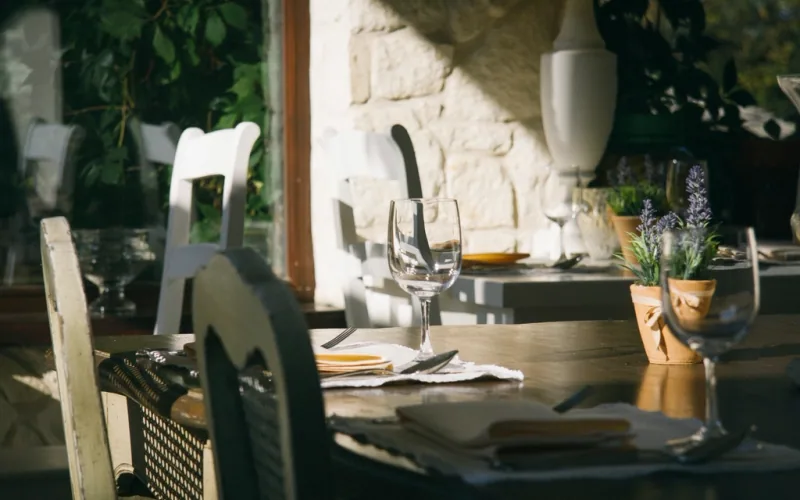
Photographs from real jobs carried out by the crew.
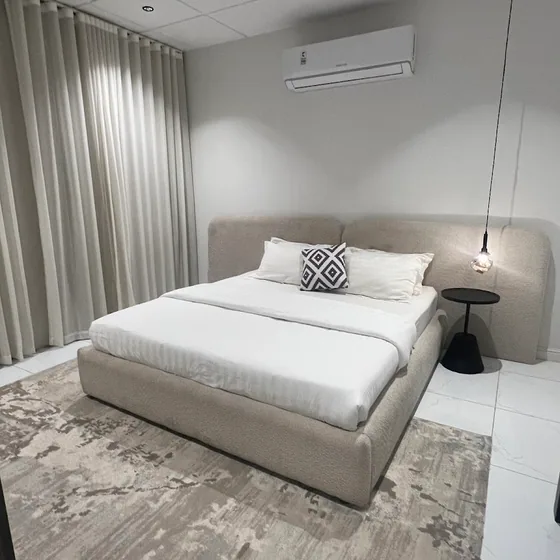

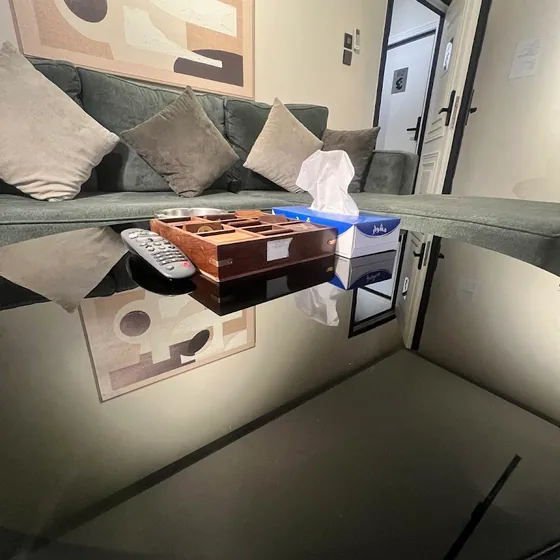
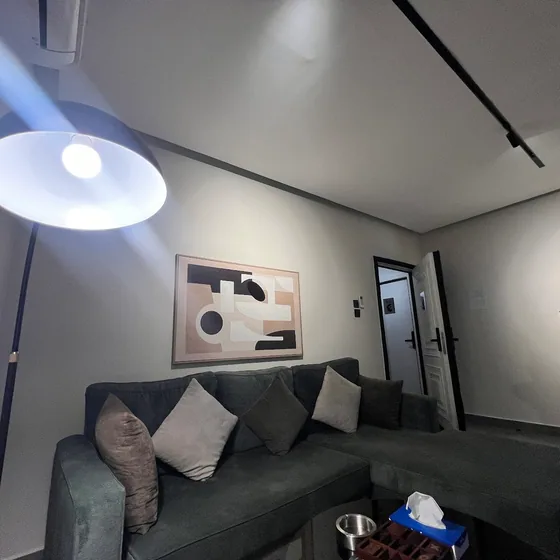
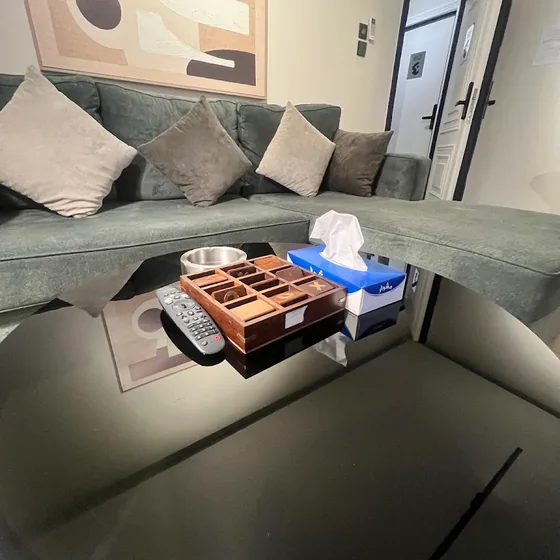
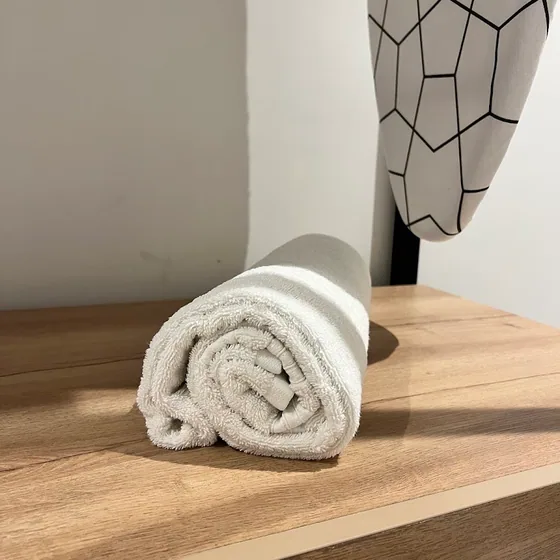
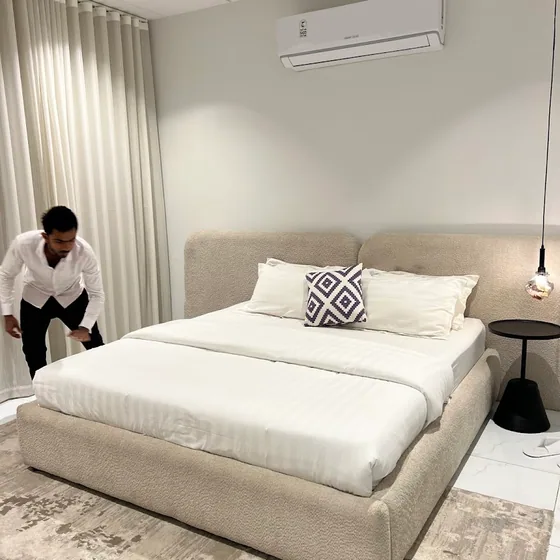
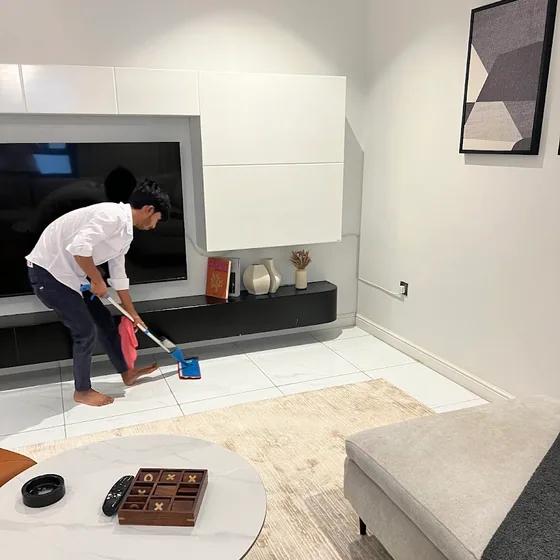
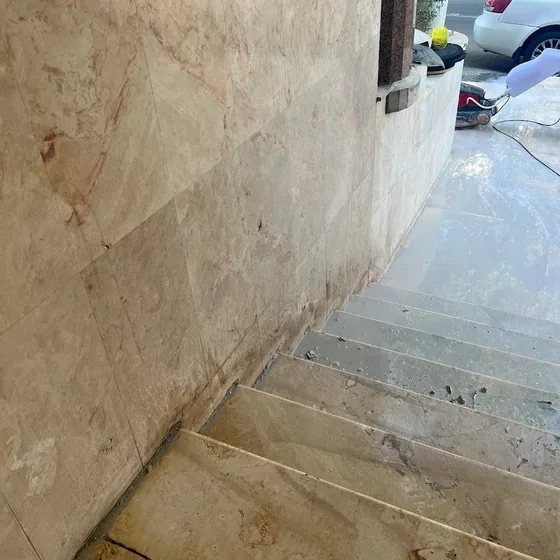
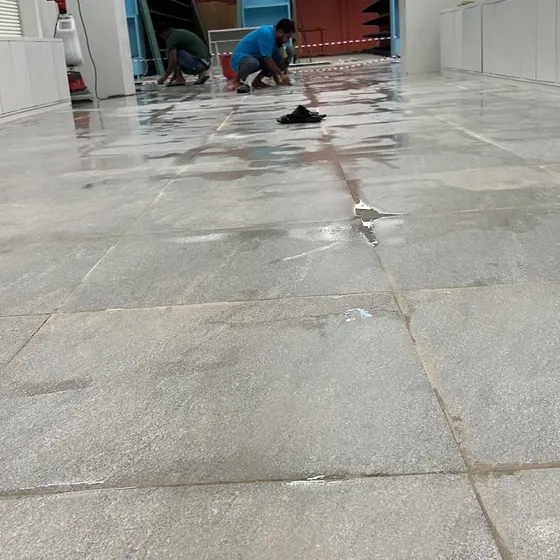
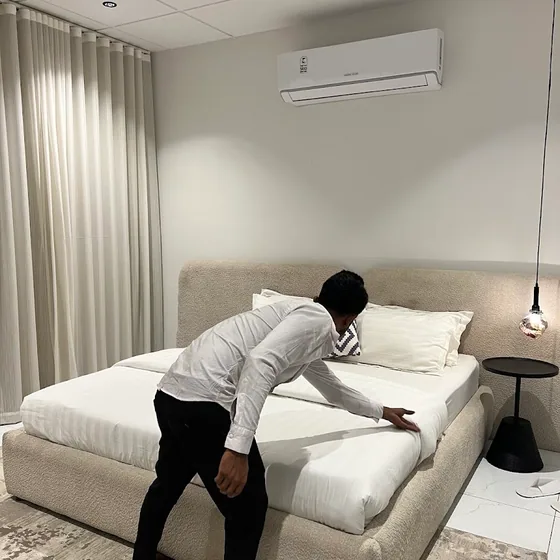
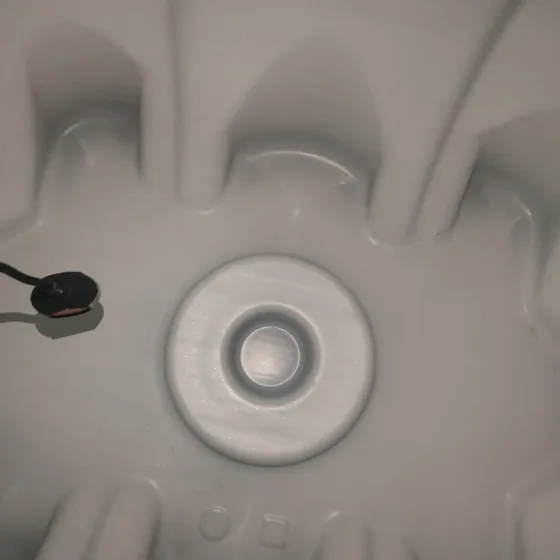
The commitment is small enough to actually keep: we do not leave until you have seen the result and told us what you think of it.
Coastal area: high humidity and salt air through the year
Coastal means salt and humidity do not stop at the threshold: windows, floors and fabrics all need treatment aimed at fungi and mineral deposits, not dust alone. The work targets salt-specific problems that inland cleaning never encounters.
We provide these in Al Hamra too, and more than one can share a single visit.