
The right gear for drinking water
Pumps to clear sludge, scrubbing to remove biofilm, and disinfectant meant for potable storage.
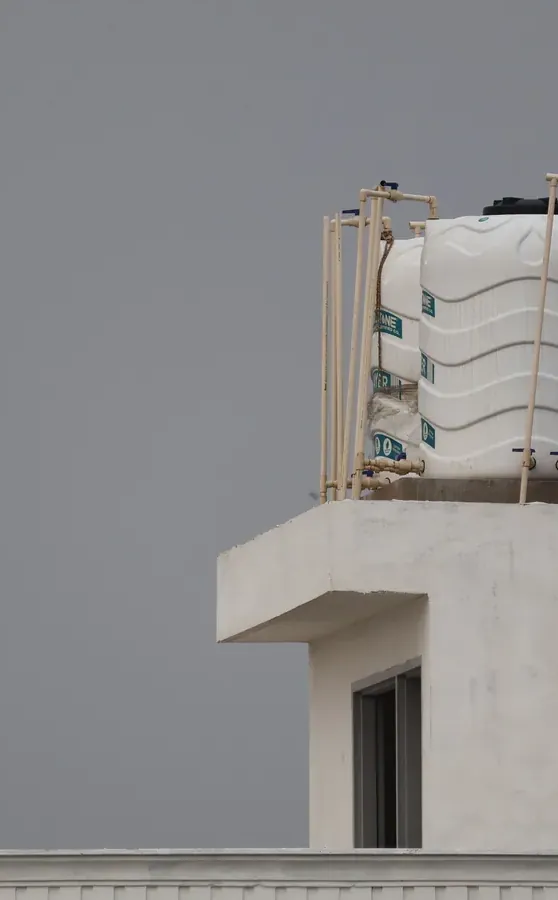
Wadi Qaws is a valley running down from Jabal Khashash east of Jeddah towards the coast, the area holding resthouses and open plots rather than dense building. Tanks here serve scattered homes and rural villas, and sometimes farms. The rural setting means less dust than a crowded district, but humidity from the valley and groundwater near the surface creates different challenges.
Wadi Qaws tanks contain sediment from mineral rich groundwater and salt deposits, with more scale buildup than in mountain areas. For the method itself, see our water tank cleaning service in detail.
Wadi Qaws is not a crowded residential district; homes are scattered and each has its own tank. Some are new villas and some are old rural houses. Tanks vary widely: some brand new and others very old. This range means each villa or house may need a different approach.
The area around the valley is humid all year, and groundwater sits close to the surface. This humidity causes mildew to form quickly on tank walls and in pipes. Disinfection must target fungi and salt dependent bacteria that thrive in wet conditions.
The dam was built to protect eastern districts from flooding, but it may have raised the local water table. High groundwater may press on underground tank foundations or cause leaking. We inspect the tank carefully and monitor any external signs of dampness.
Wadi Qaws runs from the mountains, ground level is low and soil is wet, groundwater sits close to the surface, which means high humidity around tanks and hydrostatic pressure affecting any underground structures.
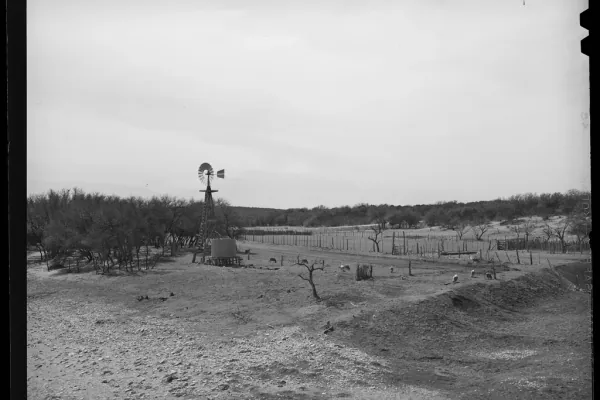
Inspection of a rural tank focuses on the lid condition and damp around the foundation, checking for effects of the nearby high water table.
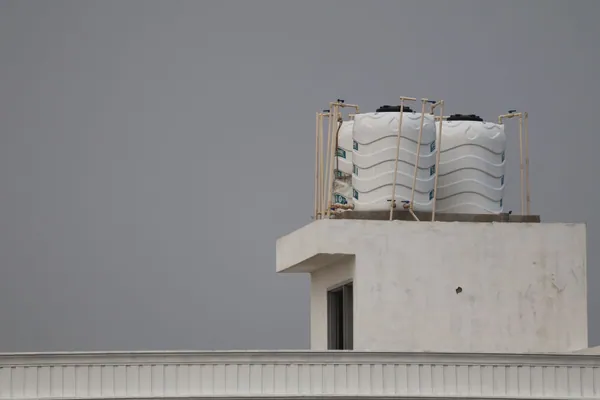
Draining in a rural area may take longer because distances between villas are greater and roads may be unpaved.
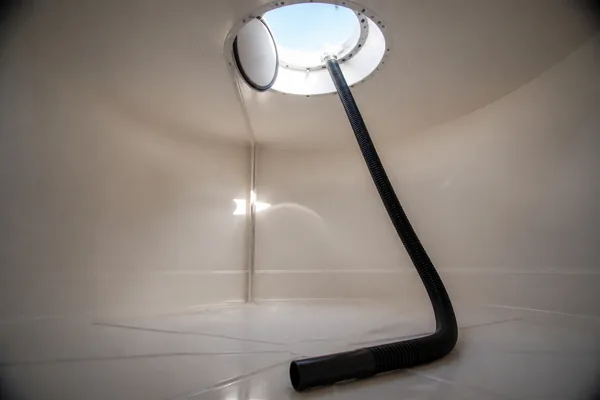
Mineral and salt deposits from groundwater need repeated suction, and we watch for dampness around the tank.
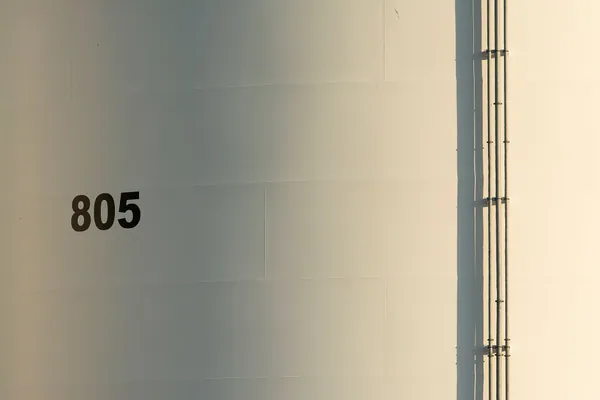
Wall and floor scrubbing targets scale deposits and the mould growing from humidity.
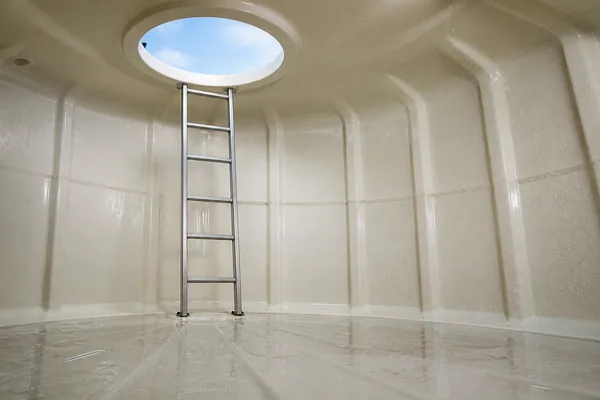
Disinfection is strong against fungi, salt dependent bacteria and mould, with added protection against rust.
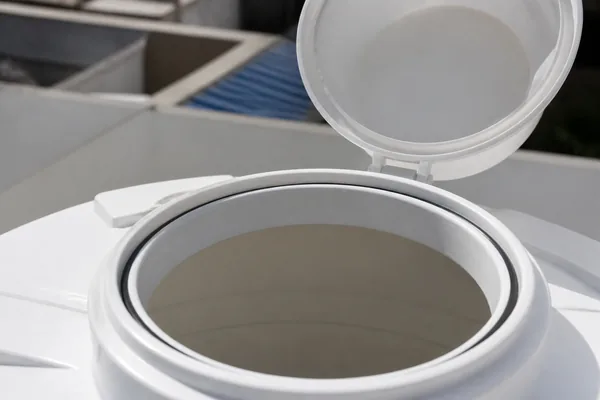
Final rinse is twice, and the lid is checked and may have added protection against humidity.
The supply into the tank is shut and the tank is drained completely.
The sludge on the floor is scooped and pumped out first.
The biofilm on the walls is physically scrubbed off.
With the walls and floor clean, a disinfectant made for drinking-water storage is applied and given time to act on every surface.
The disinfectant and any loosened residue are rinsed down and pumped out, so the first tank of water after us is not carrying it.
We check the cover seal and inlet before refilling, so dust and insects stay out, then start the refill while you watch it run clear.
Pumps to clear sludge, scrubbing to remove biofilm, and disinfectant meant for potable storage.
We send a team, not one person, so a tank is drained, cleaned, disinfected and refilled in a single visit rather than left open for days.
We look at the lid seal and inlet, because a tank that got dirty fast usually has a way in.
Nothing is closed until the tank is refilling and you have seen the water run clean.
Photographs from real jobs carried out by the crew.












The commitment is simple enough to actually keep: we do not leave until the tank is disinfected, refilling, and you have seen it for yourself.
Wadi Qaws is bounded by Wadi Qaws Dam on one side and Jabal Khashash mountains on the other, with Al Qaws Street as the main road through the area. Our equipment reaches scattered rural villas via Al Qaws Street or Samir bin Jundab Street depending on the exact location. The dam and mountains are clear landmarks that help locate the area.
We provide these in Wadi Qaws too, and more than one can share a single visit.



