
The right gear for drinking water
Pumps to clear sludge, scrubbing to remove biofilm, and disinfectant meant for potable storage.
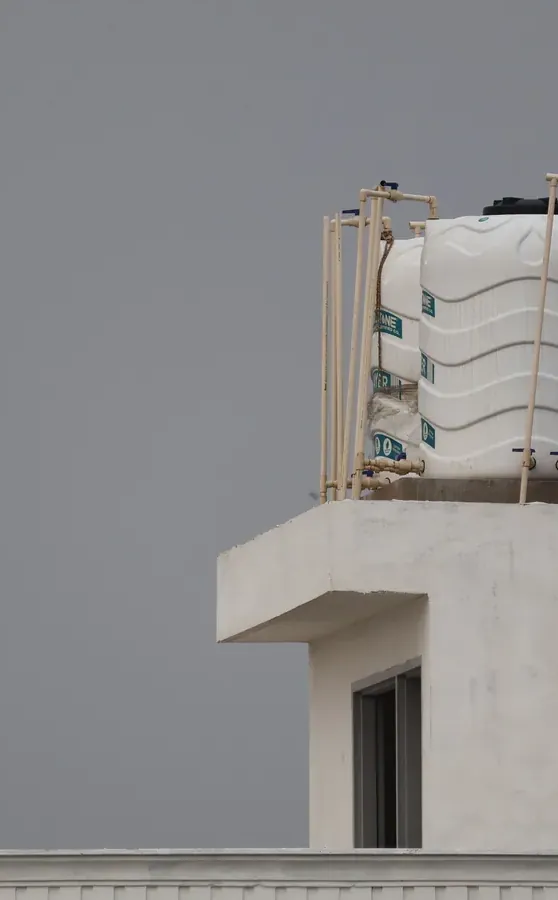
Wadi Usheirah is a rural, sparsely built area in southeast Jeddah. Farms and open ground sit between scattered homes in the Jabal Khashash range. Tanks here collect dust and soil more heavily than in town. Water that irrigates the garden may come from the same tank, and contamination from neighbouring farms and livestock enters the tank directly.
Tanks here may be distant from main roads and the central water network, and water supply may come from local wells or private sources. For the method itself, see how we approach water tank cleaning.
In rural areas, one tank supplies drinking water, gardens and farms. Water used for irrigation carries fertilisers and salts, and may return to the tank through the same pipes. Cross contamination makes regular cleaning essential.
With few dense trees and no tall perimeter walls, dust and soil from neighbouring land enter the tank easily. Weak lids and small cracks allow insects and soil to pass freely.
Rural areas have livestock and grazing animals. Animal waste enters the tank through ventilation openings and weak lids. Water may harbour bacteria and parasites from animals.
The area lies in the Jabal Khashash range between Wadi Qaws and Wadi Mareekh, with mixed sandy and rocky ground, and very low housing density.
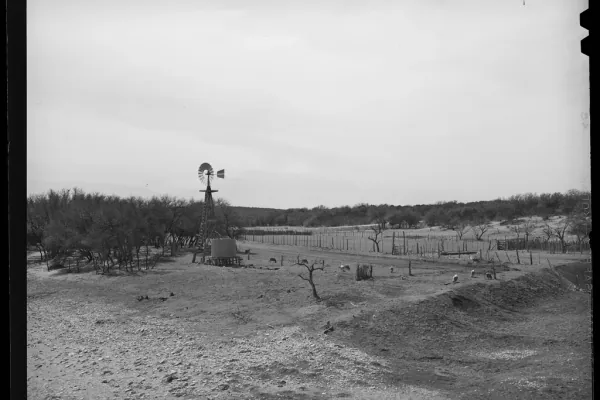
The open rural tank may contain more dust, soil and small animals. We inspect the lid and all openings carefully before work begins.
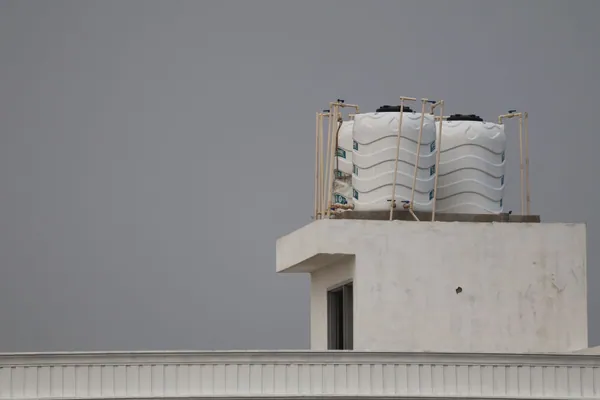
Full drainage is essential to remove water that may carry irrigation salts and minerals from local well sources.
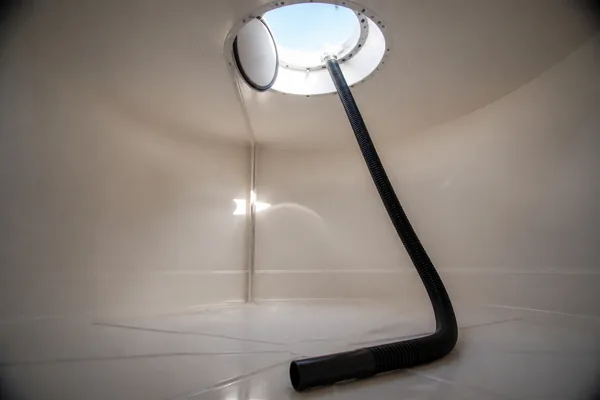
Sediment from the floor is vacuumed to remove sand, soil and heavy particles that accumulate rapidly in open areas.
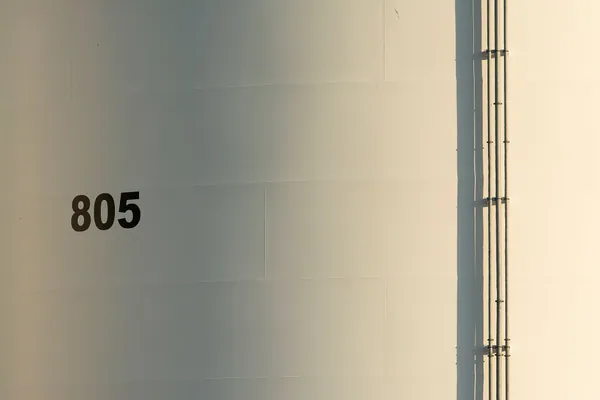
Hand scrubbing removes biofilm layers and mineral deposits that form from irrigation water and animal contamination.
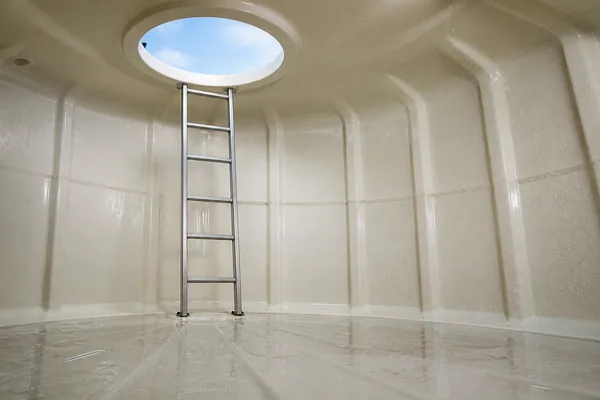
Disinfection must be strong enough to kill bacteria and parasites from animals and contaminated soil.
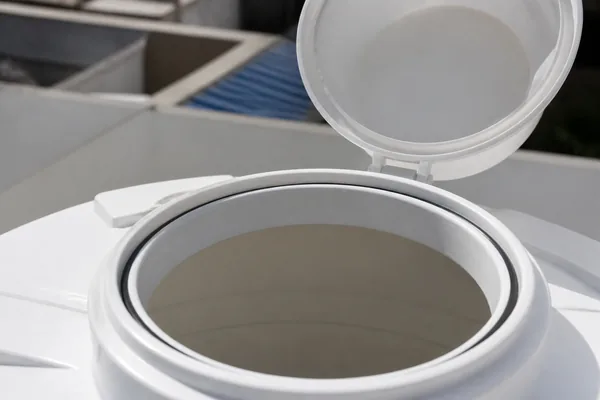
Final rinse is careful because water from local wells may contain sand particles. We inspect the lid and all openings after rinsing to prevent re-contamination.
The supply into the tank is shut and the tank is drained completely.
The sludge on the floor is scooped and pumped out first.
The biofilm on the walls is physically scrubbed off.
With the walls and floor clean, a disinfectant made for drinking-water storage is applied and given time to act on every surface.
The disinfectant and any loosened residue are rinsed down and pumped out, so the first tank of water after us is not carrying it.
We check the cover seal and inlet before refilling, so dust and insects stay out, then start the refill while you watch it run clear.
Pumps to clear sludge, scrubbing to remove biofilm, and disinfectant meant for potable storage.
We send a team, not one person, so a tank is drained, cleaned, disinfected and refilled in a single visit rather than left open for days.
We look at the lid seal and inlet, because a tank that got dirty fast usually has a way in.
Nothing is closed until the tank is refilling and you have seen the water run clean.
Photographs from real jobs carried out by the crew.












The commitment is simple enough to actually keep: we do not leave until the tank is disinfected, refilling, and you have seen it for yourself.
Rural area: farms, open ground and scattered homes
In a rural, sparsely built area, the tank may be distant from the central network and water may come from local wells. Natural and animal contamination is heavier here, and regular thorough cleaning and disinfection are essential for health.
We provide these in Wadi Usheirah too, and more than one can share a single visit.



