
The right gear for drinking water
Pumps to clear sludge, scrubbing to remove biofilm, and disinfectant meant for potable storage.
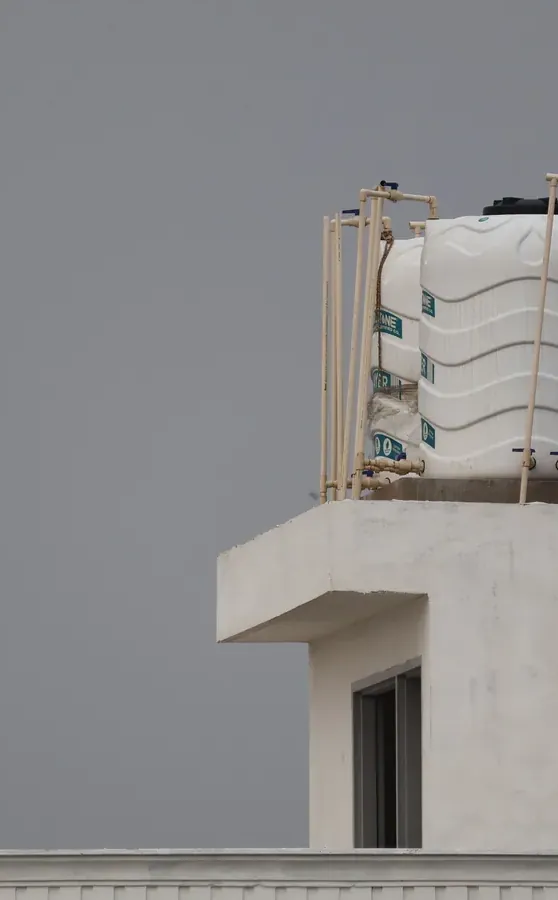
Kilo 14 is an area along Old Makkah Road at the far southeastern edge of Jeddah, combining a modern industrial complex with car repair workshops and spare parts shops alongside a dense informal residential quarter housing migrant workers. Tanks here serve workshops and homes together, oils and washwater from repair work contaminate the supply, and residential streets are unplanned and informal.
Tanks here serve vehicle workshops, popular markets and residential homes simultaneously, and oils and metal particles from repair work settle rapidly to the tank bottom. For the method itself, see the full water tank cleaning page.
One tank serves car repair workshops that wash metal engine parts and components, the popular market uses water for daily cleaning, and residents need drinking water. Wastewater from workshops enters the tank if pipes are shared. Oils, metals and heavy grit settle fast at the tank floor, creating layers of industrial waste.
The informal quarter has no regular street grid, and tanks may sit in a workshop yard or atop a cramped house wall. No clear addresses exist; we must ask workers and neighbours where the tank is. Access can be complicated and work occurs in an industrial polluted environment.
Tanks here are very old and clogged with oil and metal deposits from workshops. Scrubbing alone may not be enough; we may need special chemical treatment. Tanks may be internally rusted because of chemical reactions between oils, metals and the tank surface.
The area mixes modern industrial activity with dense informal housing without clear street planning. A popular market selling vegetables and fish operates alongside the workshops, creating overlapping water demands and contamination risks.
We inspect the tank externally and determine whether it serves workshops only, homes only, or both mixed together. We check piping condition, leaks and external pollutants.
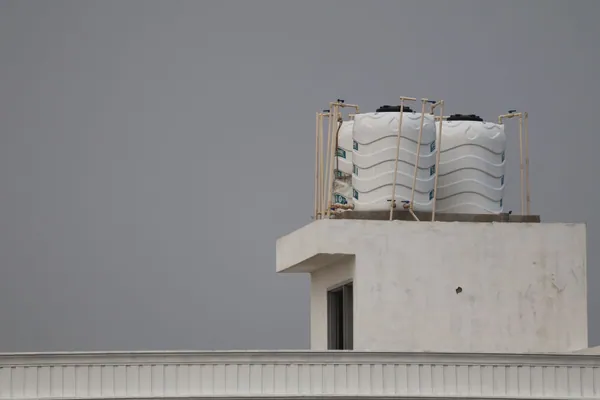
We drain the tank fully using strong pumps and move all water away safely from workshops and homes. We handle oil-contaminated water with care.
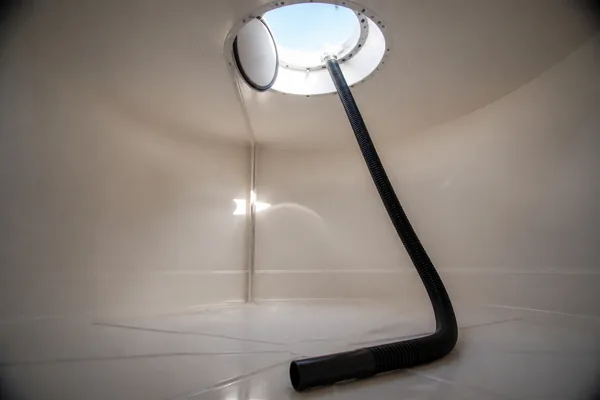
We vacuum sediment aggressively; industrial tanks hold heavy deposits of oils, metals and industrial materials that require maximum suction power.
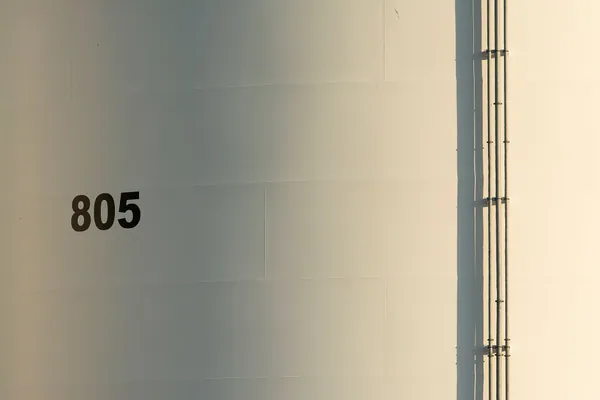
We scrub walls and floor by hand with stiff brushes and may apply special chemical treatment to dissolve stubborn oil residues.
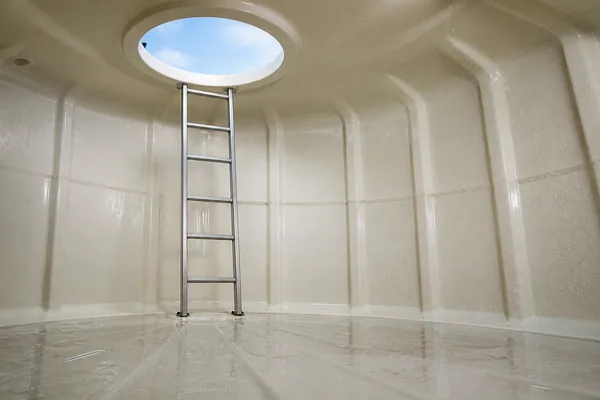
We disinfect with a strong, drinking water safe disinfectant, because industrial contaminants demand robust disinfection.
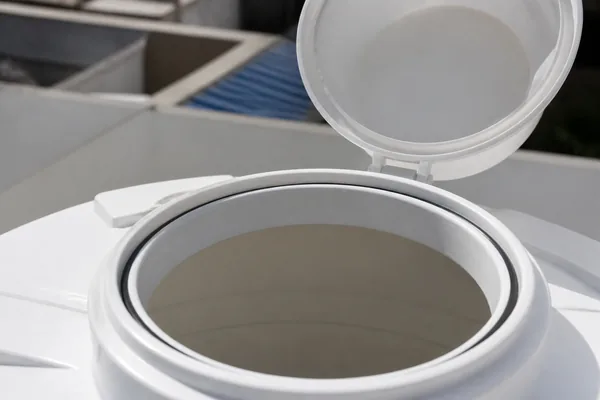
We rinse multiple times with clean water until discharge runs perfectly clear, then inspect the tank and report whether it needs repair or replacement.
The supply into the tank is shut and the tank is drained completely.
The sludge on the floor is scooped and pumped out first.
The biofilm on the walls is physically scrubbed off.
With the walls and floor clean, a disinfectant made for drinking-water storage is applied and given time to act on every surface.
The disinfectant and any loosened residue are rinsed down and pumped out, so the first tank of water after us is not carrying it.
We check the cover seal and inlet before refilling, so dust and insects stay out, then start the refill while you watch it run clear.
Industrial area: workshops, warehouses and loading yards
In an industrial zone, the tank needs aggressive cleaning and advanced disinfection, and oils and metals from workshops settle rapidly and may require special treatment. Coordination between workshops and residents is critical because each uses water to different standards of cleanliness and frequency.
Pumps to clear sludge, scrubbing to remove biofilm, and disinfectant meant for potable storage.
We send a team, not one person, so a tank is drained, cleaned, disinfected and refilled in a single visit rather than left open for days.
We look at the lid seal and inlet, because a tank that got dirty fast usually has a way in.
Nothing is closed until the tank is refilling and you have seen the water run clean.
Photographs from real jobs carried out by the crew.












The commitment is simple enough to actually keep: we do not leave until the tank is disinfected, refilling, and you have seen it for yourself.
South Jeddah runs from the port and the industrial city down towards Al Khumrah, and homes here sit between the sea and the heavy goods roads. The dust is darker and oilier than in the north, a mix of diesel soot and workshop grit, and it clings to net curtains, window sills and the tops of kitchen cupboards. Floors in the older low rise housing are often plain cement or ceramic tile that darkens where soot is walked in. Humidity from the coast adds mildew in bathrooms and a musty smell in stored fabrics.
We provide these in Kilo 14 too, and more than one can share a single visit.



