
The right gear for drinking water
Pumps to clear sludge, scrubbing to remove biofilm, and disinfectant meant for potable storage.
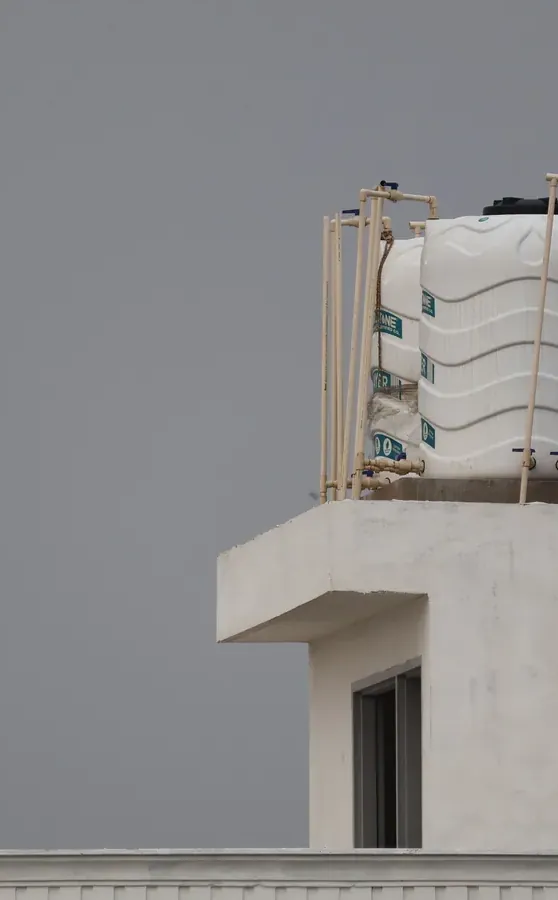
Um Al Salam is a district in south eastern Jeddah on the Old Makkah Road, with popular housing and apartment blocks neighbouring Al Harazat and Al Mahamid on the lorry route to Makkah. The district is far from the sea and drier, with coarser air and fine gravel sediment filling tank floors with thick grey deposits. Water leaves grey films in basins and scratches floors with grit.
Drier air from distance from the coast means coarse dust and gravel enter tanks leaving heavy grey sediment. For the method itself, see our guide to water tank cleaning.
Um Al Salam sits far from the sea and close to open ground and hills, so air is dry and dust is coarser and paler than coastal dust. Fine gravel and sand enters the tank and settles in thick grey deposits on the floor, leaving grey films in basins that build back quickly.
The district sits on the Old Makkah Road, a route of heavy goods traffic to Makkah. Lorries raise dust and gravel from the road, which enters tanks quickly. Tank pressure is heavier than in quiet residential streets.
The area is popular housing and dense apartment blocks, and tanks serve crowded residential buildings. Tank pressure is enormous, water passes fast, and heavy grey sediment settles quickly.
A district in south eastern Jeddah on the Old Makkah Road with popular housing and residential blocks, bordering Al Harazat and Al Mahamid on the heavy goods road to Makkah, with drier air and coarser dust.
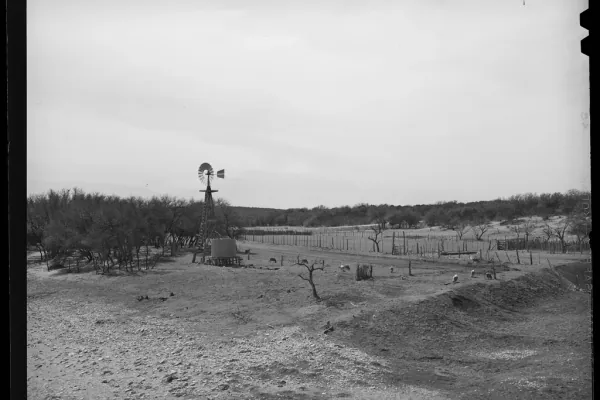
We inspect the tank and see how much heavy grey sediment has settled, which tells us vacuum depth and effort needed.
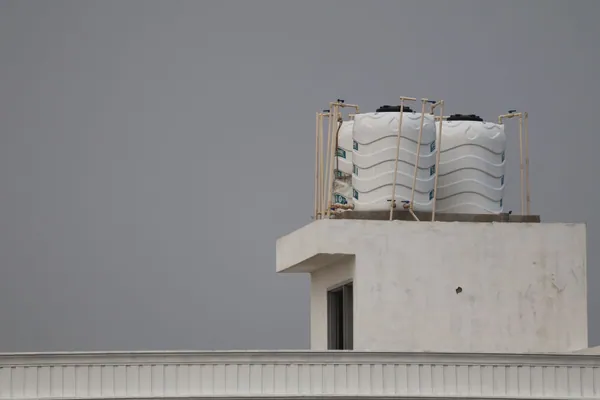
We drain all water carefully, and the drier location and distance from coast may make safe disposal easier.
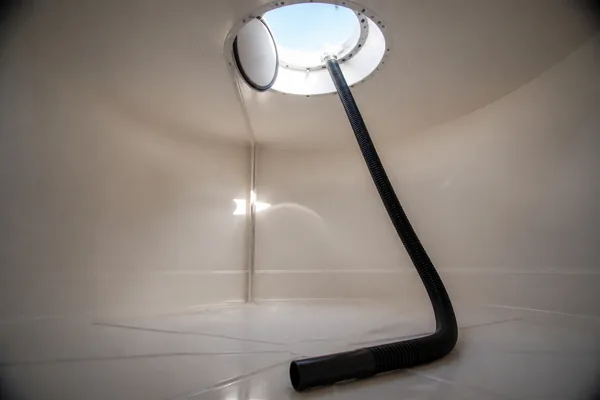
We vacuum heavy grey sediment from the floor methodically, as volume may be considerable from tank pressure and dust load.
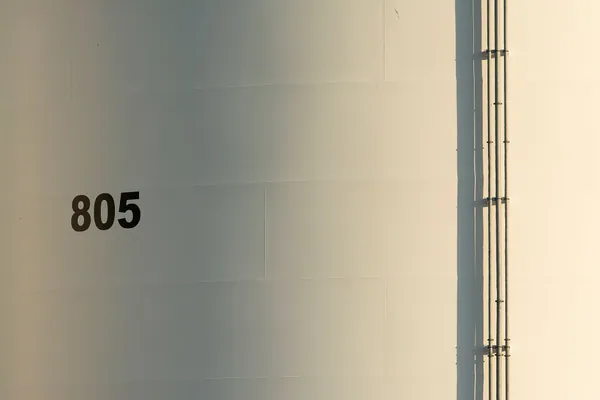
We scrub walls and floor firmly to strip away the thick grey film that sticks to inner surfaces.
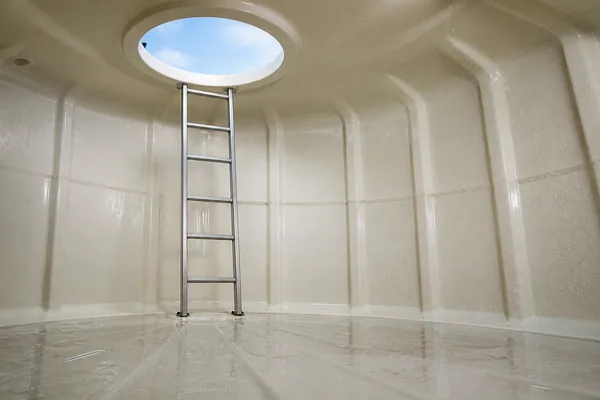
We disinfect and rinse several times because gravel and sand may leave a film, so multiple rinses are essential.
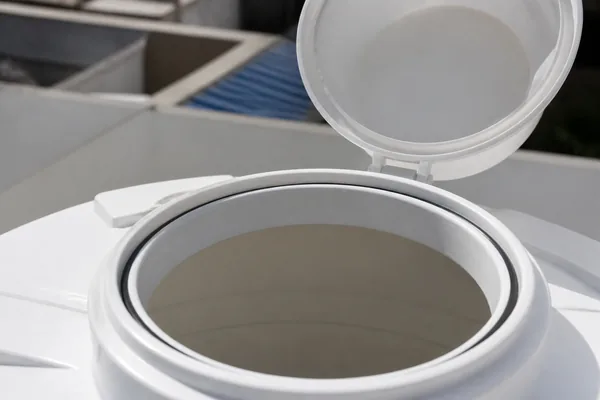
We check the lid and vents to ensure dust sealing is adequate, and advise frequent inspection given the heavy traffic location.
The supply into the tank is shut and the tank is drained completely.
The sludge on the floor is scooped and pumped out first.
The biofilm on the walls is physically scrubbed off.
With the walls and floor clean, a disinfectant made for drinking-water storage is applied and given time to act on every surface.
The disinfectant and any loosened residue are rinsed down and pumped out, so the first tank of water after us is not carrying it.
We check the cover seal and inlet before refilling, so dust and insects stay out, then start the refill while you watch it run clear.
Mixed district: shops at street level with homes above them
In Um Al Salam on Old Makkah Road, the tank receives fine gravel and sand from both drier air and heavy lorry traffic at once. Water leaves thick grey sediment that builds fast, and cleaning may need to be more frequent than in districts away from heavy traffic routes.
Pumps to clear sludge, scrubbing to remove biofilm, and disinfectant meant for potable storage.
We send a team, not one person, so a tank is drained, cleaned, disinfected and refilled in a single visit rather than left open for days.
We look at the lid seal and inlet, because a tank that got dirty fast usually has a way in.
Nothing is closed until the tank is refilling and you have seen the water run clean.
Photographs from real jobs carried out by the crew.












The commitment is simple enough to actually keep: we do not leave until the tank is disinfected, refilling, and you have seen it for yourself.
East Jeddah lies furthest from the sea and closest to the open ground and hills beyond the ring roads, so the air is drier and the dust is coarser and paler than on the coast. It comes in under doors and settles on every flat surface overnight, making sofas, mattresses and curtains the heaviest part of the routine. Floors are mostly ceramic tile in the apartment districts and marble in the villa areas, both scratched by grit that is mopped rather than swept. Roof tank water leaves a grey film of sediment in baths and basins.
We provide these in Um Al Salam too, and more than one can share a single visit.



