We treat the incense, not mask it
Bakhoor residue is cleaned out of the seating and curtains and off the walls, so fresh oud is not sitting on months of old smoke.
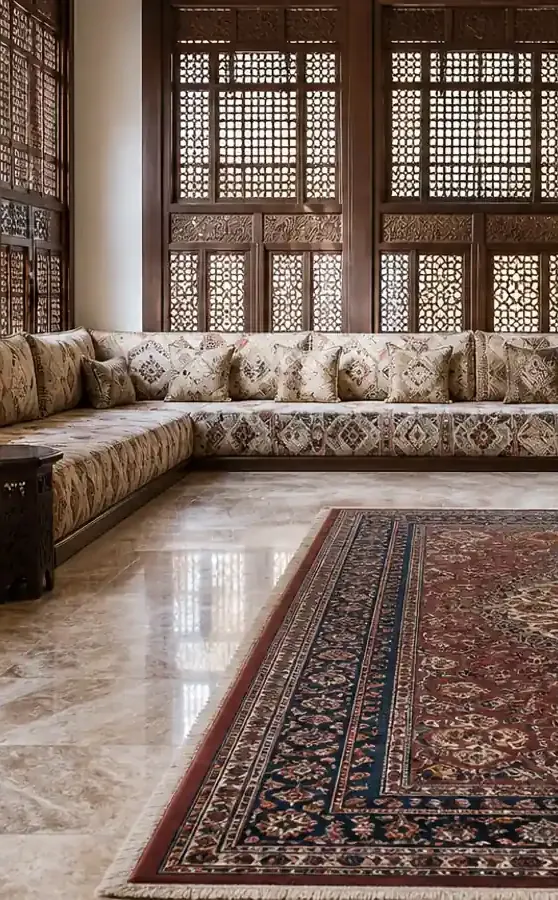
Um Al Salam is a working class quarter in south eastern Jeddah on the Old Makkah Road, far from the sea and its majlis rooms suffer from coarse heavy dust and grit. The dry air carries rough sand particles that penetrate fabrics and surface pores, so cleaning requires deep wiping and complete drying to restore the room.
Sofas, mattresses and curtains collect heavy dust rapidly, and floors need intense sweeping before mopping to avoid scratching from sand particles. For the method itself, see the full majlis and diwaniya cleaning page.
East Jeddah lacks coastal humidity, so the air is dry and dust is heavy and coarse. Sand particles penetrate stuffing and fabric weaves, leaving a grey layer on every flat surface. Upholstery and curtains trap this heavy grit intensely.
Despite the arid air, shared walls transmit moisture from neighbouring bathrooms and kitchens. This dampness mixed with heavy dust creates a brownish film on ceilings and corners that ordinary wiping does not lift.
Marble and tile flooring is easily scratched by sand. Thorough sweeping before mopping is essential or fine cloudy white lines will remain permanently visible on the finished surface.
The quarter is in east Jeddah far from the coastal moisture and close to open ground and hills, and the dust here is coarser and paler than it is nearer the shore.
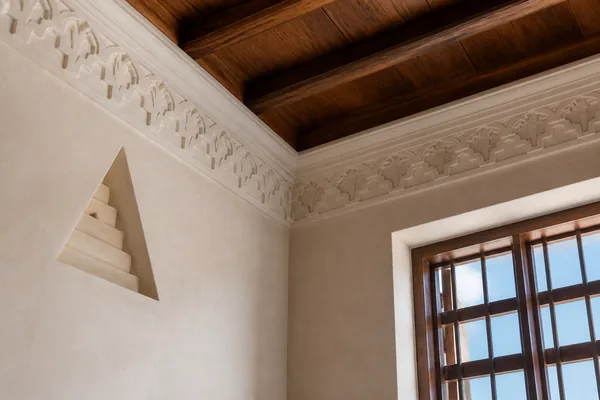
Ceilings and high corners gather a grey layer of heavy dust that settles rapidly and visibly.
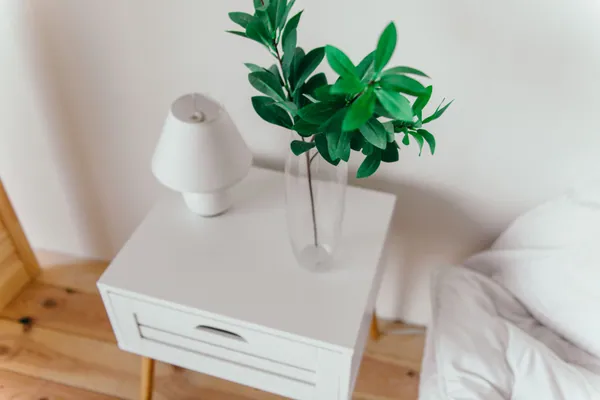
Furniture needs vigorous deep dusting to lift the heavy grit clinging to it.
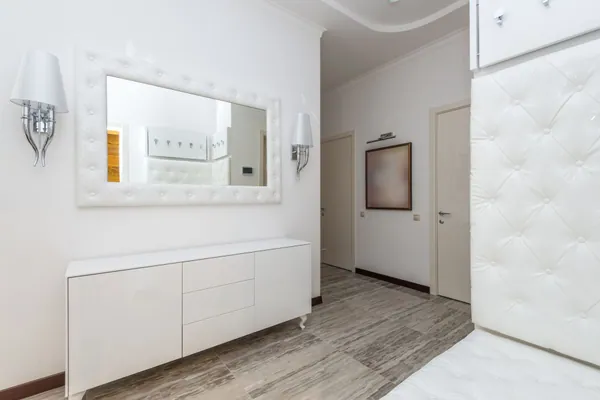
Glass and mirrors need frequent cleaning because dust settles on them quickly.
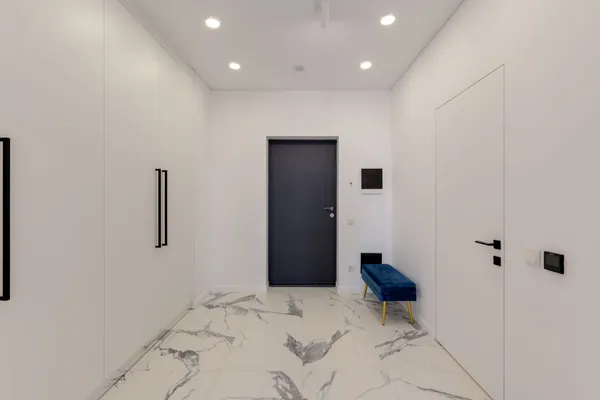
Marble and tile floors are swept intensely before mopping, and every grain of sand is removed completely.
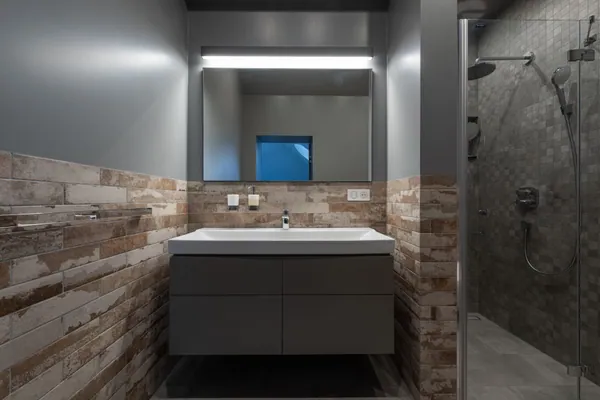
The attached bathroom shows a grey sediment film from water hardness and trapped moisture.

Extended final airing dries residual moisture and removes any musty smell.
Seating, carpet, curtains and surfaces, before anything starts, so we agree the scope and what the price covers.
Majlis seating and curtains vary from cotton to velvet and heavy weaves, and they do not take the same heat or product.
Before any water, on the seating and the carpet both.
Gahwa, cardamom and food are not one problem.
We choose the method after seeing each piece, loosen what has bound into the seating and carpet, and extraction pulls it straight back out with the water, in one pass, so nothing is left soaking in the foam.
We go back through the room with you.
Mixed district: shops at street level with homes above them
Majlis rooms in east Jeddah face heavy dry dust unlike other quarters, so cleaning requires deep wiping and repeated sweeping to remove it completely.
Bakhoor residue is cleaned out of the seating and curtains and off the walls, so fresh oud is not sitting on months of old smoke.
We test the fabric on a hidden spot before we clean it.
The company runs several teams, and we send a team rather than one person.
If the seating needs reupholstering rather than cleaning, we say so.
Photographs from real jobs carried out by the crew.












The commitment is small enough to actually keep: we do not leave until you have seen the result and told us what you think of it.
East Jeddah lies furthest from the sea and closest to the open ground and hills beyond the ring roads, so the air is drier and the dust is coarser and paler than on the coast. It comes in under doors and settles on every flat surface overnight, making sofas, mattresses and curtains the heaviest part of the routine. Floors are mostly ceramic tile in the apartment districts and marble in the villa areas, both scratched by grit that is mopped rather than swept. Roof tank water leaves a grey film of sediment in baths and basins.
We provide these in Um Al Salam too, and more than one can share a single visit.