
The right gear for drinking water
Pumps to clear sludge, scrubbing to remove biofilm, and disinfectant meant for potable storage.
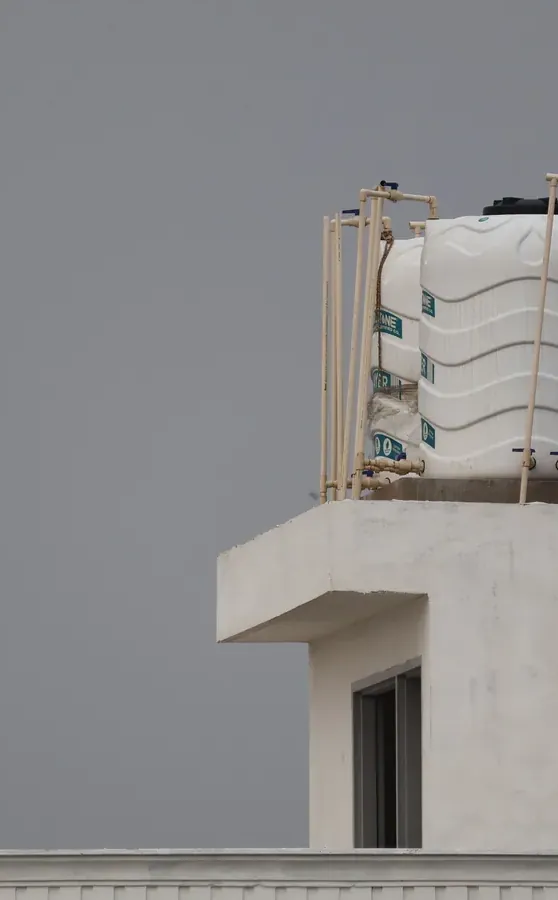
Al Harazat is a densely built residential spread in south eastern Jeddah on the Old Makkah Road, with low rise apartment blocks and popular housing on narrow streets. The neighbourhood grew on former farmland outside formal planning, and a single tank may serve dozens of flats. Pressure on the tank is enormous, water passes through quickly, and sediment builds heavily and fast.
Tanks here serve many flats at once, water passes through quickly and does not sit long before use. For the method itself, see how we approach water tank cleaning.
In a dense apartment block, a single rooftop tank may feed fifty flats or more. Water enters and leaves at high speed, and heavy sediment settles fast from constant use. Cleaning must be very deep because high pressure means sediment builds rapidly.
The neighbourhood grew on former farmland outside formal planning, and streets are very tight. Access to a building may be difficult, and draining needs complex and safe routes through a crowded district.
Blocks here are low rise, but the tank may be very deep below the roof to serve many flats. Vacuuming from great depth needs strong equipment and careful safety work.
A densely built residential spread in south eastern Jeddah that grew on former farmland through subdivisions outside formal municipal planning, close to Old Makkah Road, with low rise blocks and narrow streets.
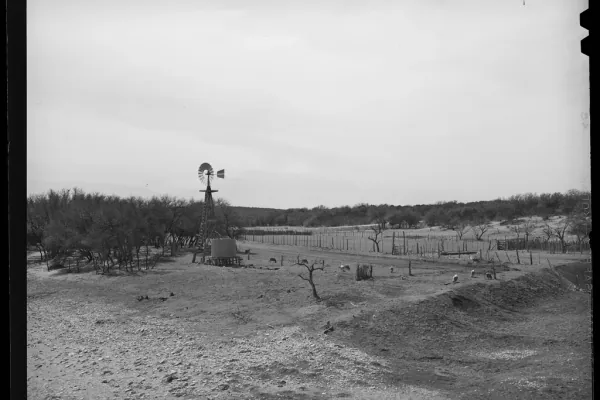
We inspect the tank to see the volume of heavy sediment from high pressure, which tells us the depth and strength of vacuum work needed.
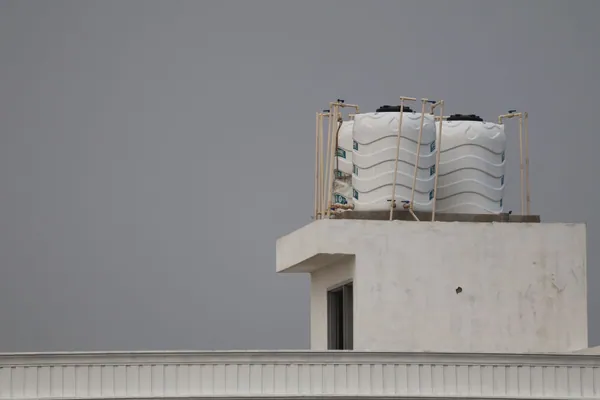
We drain all water from a deep tank in a dense building; draining cuts water to all flats temporarily at once.
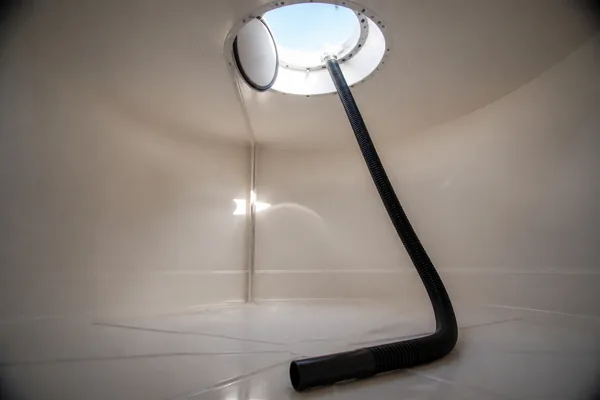
We vacuum heavy sediment from the deep floor with force, and volume may be greater than in other buildings.
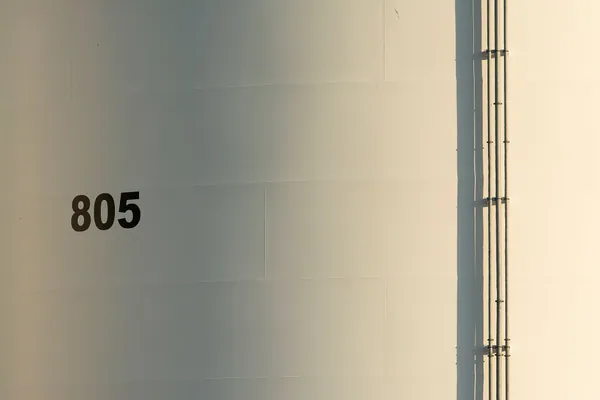
We scrub walls and floor firmly and carefully to strip sediment and film, and depth means extra physical effort.
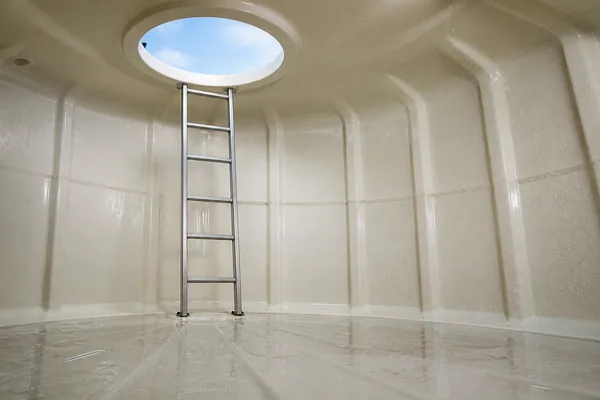
We disinfect and rinse several times because heavy sediment may leave residue, and multiple rinses are essential.
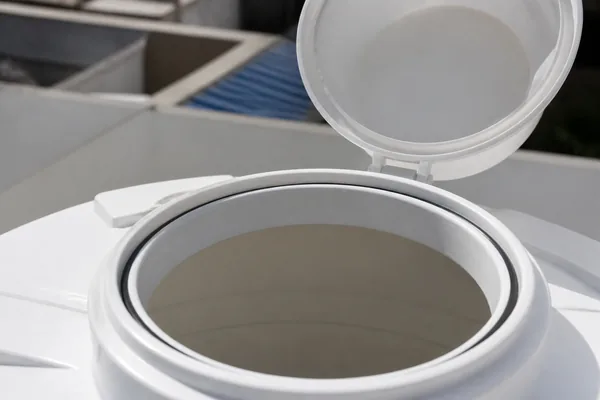
We check the lid, seal and equipment, then refill whilst a building representative or resident watches and approves.
The supply into the tank is shut and the tank is drained completely.
The sludge on the floor is scooped and pumped out first.
The biofilm on the walls is physically scrubbed off.
With the walls and floor clean, a disinfectant made for drinking-water storage is applied and given time to act on every surface.
The disinfectant and any loosened residue are rinsed down and pumped out, so the first tank of water after us is not carrying it.
We check the cover seal and inlet before refilling, so dust and insects stay out, then start the refill while you watch it run clear.
Pumps to clear sludge, scrubbing to remove biofilm, and disinfectant meant for potable storage.
We send a team, not one person, so a tank is drained, cleaned, disinfected and refilled in a single visit rather than left open for days.
We look at the lid seal and inlet, because a tank that got dirty fast usually has a way in.
Nothing is closed until the tank is refilling and you have seen the water run clean.
Photographs from real jobs carried out by the crew.












The commitment is simple enough to actually keep: we do not leave until the tank is disinfected, refilling, and you have seen it for yourself.
Apartment district: residential blocks, repeated floors and shared entrances
In Al Harazat, one tank serves dozens of flats in a dense block, so water moves through at high speed and sediment builds fast and heavy. Cleaning must go very deep because high pressure means heavier sediment, and cleaning may be needed more often than in individual homes.
We provide these in Al Harazat too, and more than one can share a single visit.



