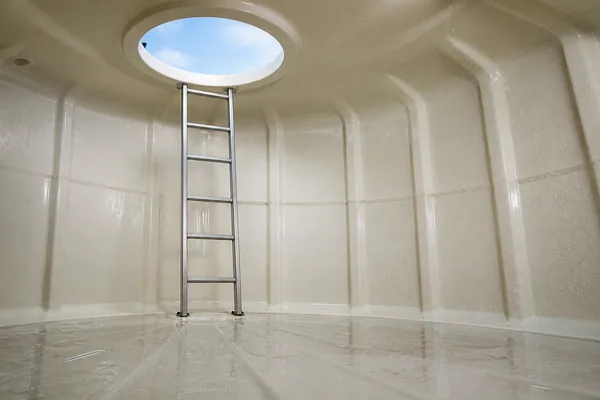
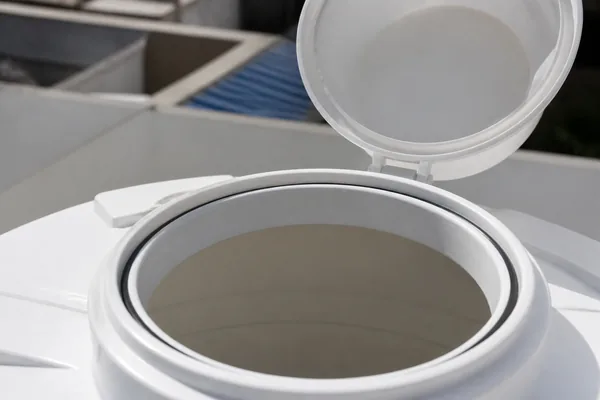
Water Tank Cleaning in Mareekh

Water Tank Cleaning in Mareekh, Jeddah

Mareekh is a small district in east Jeddah at the foot of the Mareekh Mountains that bear its name, within the valleys and hills east of the city. It lies near Wadi Al Qaws, the valley behind Jeddah's well known 2009 flood. Tanks here are exposed to coarser, paler dust than coastal areas, and may hold sediment from periodic wadi drainage and seasonal damp. The work here differs from both the coast and the north.

  • A team arrives, not one worker
  • Price agreed before we start
  • Our own pumps and disinfectant
  • Rechecked before we refill

What changes about water tank cleaning in Mareekh

Tanks here sediment faster than coastal areas because dry air lets deposits settle and compact quickly on walls and floor without the heavy moisture that keeps some particles suspended. For the method itself, see our water tank cleaning service in detail.

  • The first reason

    Dry dust from mountains and hills leaves pale, fast-settling deposits

    East Jeddah lies far from the sea and close to mountains. Air is drier and dust is paler and coarser than coastal air. This dust settles rapidly on tank floors and does not carry the salt and persistent moisture found in sea air, making deposits lighter in colour and easier to remove.

  • The second reason

    Tanks contain pale grey sediment, not dark mould or salt film

    Basins and taps in Mareekh draw grey water, not black from soot or yellow-tinted from salt. This sediment is fine sand and dry dust. Draining and vacuuming removes it quickly because it does not adhere to walls like coastal algae or salt deposits do.

  • The third reason

    Proximity to a major wadi means seasonal humidity spikes

    Mareekh lies near Wadi Al Qaws, which flooded in 2009. In certain seasons humidity around tanks rises sharply. Repeated damp cycles can cause green spots in the tank, making seasonal disinfection more important than in drier parts of the city.

What water tank cleaning covers in Mareekh

A small district in the east between mountains and wadis, far from the sea and humid air. Dust here is pale and coarse. Floors are mostly ceramic tile in apartment areas, plain cement in older units.

  • Tank checked before we start

    Tank checked before we start

    The tank check in Mareekh reveals pale grey deposits and dry dust, not the green algae or dark soot stains seen in coastal or heavily trafficked areas.

  • Old water drained out

    Old water drained out

    Draining old water removes pale grey sediment accumulated from dry dust and fine sand carried by easterly air rather than moisture-heavy coastal winds.

  • Sediment vacuumed from the bottom

    Sediment vacuumed from the bottom

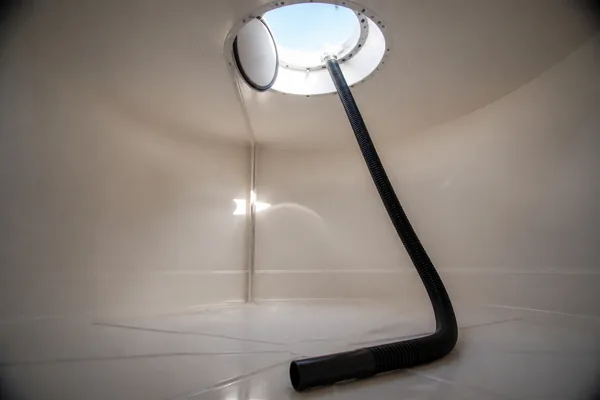
    Vacuuming removes sand and dust that settled and compacted without adhering to walls as algae does, making removal straightforward and fast.

  • Walls and floor scrubbed

    Walls and floor scrubbed

    Scrubbing removes any green or black spots that appear in damp seasons when the nearby wadi raises humidity around the tank for weeks.

  • Interior surfaces disinfected

    Interior surfaces disinfected

    Disinfection reduces the chance of algae growth during humid seasons when the wadi's presence brings temporary high moisture to the district.

  • Final rinse and lid check

    Final rinse and lid check

    Lid inspection ensures a tight seal against sand and dust from the mountains and wadis, which enters at the smallest gap in the cover.

Not included

  • Repairing cracks, leaks or a failed tank wall
  • Plumbing, pump or float-valve repair and replacement
  • Replacing the tank or refitting a broken lid
  • Treating the quality of the water supplied to the tank

How a tank is actually cleaned

  1. 1

    Isolate and drain fully

    The supply into the tank is shut and the tank is drained completely.

  2. 2

    Remove the sediment by hand

    The sludge on the floor is scooped and pumped out first.

  3. 3

    Scrub walls and floor bare

    The biofilm on the walls is physically scrubbed off.

  4. 4

    Disinfect the bare surfaces

    With the walls and floor clean, a disinfectant made for drinking-water storage is applied and given time to act on every surface.

  5. 5

    Rinse and pump clear

    The disinfectant and any loosened residue are rinsed down and pumped out, so the first tank of water after us is not carrying it.

  6. 6

    Check the lid, then refill with you

    We check the cover seal and inlet before refilling, so dust and insects stay out, then start the refill while you watch it run clear.

Mareekh on the map

Mareekh sits about 3.5 km from Al Shorouq and about 3.5 km from Al Nakheel.

Open in Google Maps

Why us for this job in particular

The right gear for drinking water

Pumps to clear sludge, scrubbing to remove biofilm, and disinfectant meant for potable storage.
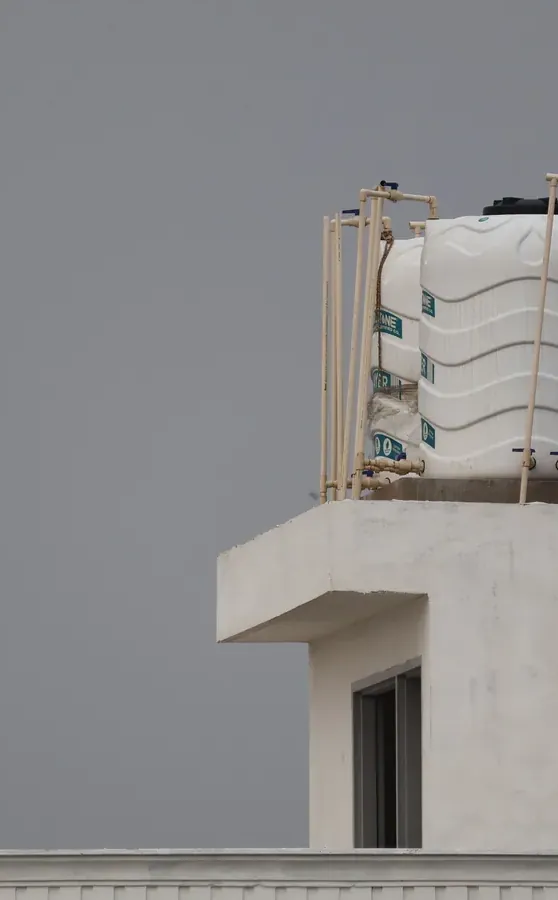
A team, done in one visit

We send a team, not one person, so a tank is drained, cleaned, disinfected and refilled in a single visit rather than left open for days.

We check the cause, not just the tank

We look at the lid seal and inlet, because a tank that got dirty fast usually has a way in.

You watch it refill clear

Nothing is closed until the tank is refilling and you have seen the water run clean.

From our work

Photographs from real jobs carried out by the crew.

A bedroom after a full clean
Bedroom at handover
Majlis carpet after washing
Majlis after washing
A majlis after a full clean
Majlis after cleaning
A living room after cleaning
Living room after cleaning
A sitting room after cleaning
Sitting room
A folded towel on a table
The small details
A tidy bedroom after service
Bedroom made up
Mopping a marble floor during work
Marble floors
Washing a stone entrance
Exterior entrances
Cleaning a commercial floor
Commercial floor
Making the bed during work
Bed made
A jacuzzi after descaling
Jacuzzi after cleaning

The job is not closed before you approve it

The commitment is simple enough to actually keep: we do not leave until the tank is disinfected, refilling, and you have seen it for yourself.

What is different about East Jeddah

East Jeddah lies furthest from the sea and closest to the open ground and hills beyond the ring roads, so the air is drier and the dust is coarser and paler than on the coast. It comes in under doors and settles on every flat surface overnight, making sofas, mattresses and curtains the heaviest part of the routine. Floors are mostly ceramic tile in the apartment districts and marble in the villa areas, both scratched by grit that is mopped rather than swept. Roof tank water leaves a grey film of sediment in baths and basins.

Questions about water tank cleaning in Mareekh

Why does water from the tap run grey in Mareekh?

The tank accumulates fine sand from the dry dust of east Jeddah. Grey sediment does not come from salt or mould, but from dust and fine sand particles. Proper draining and vacuuming clears it.

Does dry air mean the tank is cleaner than in a coastal area?

Not necessarily. Dry air reduces algae and mould, but not sand and dust. The tank may be freer from moisture damage but fuller of sand and sediment than a coastal tank.

How often should a tank near a wadi be cleaned yearly?

In Mareekh, twice yearly is sufficient. Dry air slows algae growth compared to coastal areas, but sand and dust settle quickly regardless.

Do seasonal wadi floods directly contaminate the tank if the home sits above it?

Direct flooding does not enter if the home is elevated above wadi level. However, high humidity during flood seasons raises dampness around the tank and may cause mould spots.

Does cheap ceramic flooring need cleaner water than marble does?

Ceramic is less sensitive to scratches than marble. However, grey water leaves marks on any floor. Deep tank cleaning ensures clear water for all floor types.

Does plain cement flooring suffer from grey water and sand particles?

Plain cement is less prone to stains and scratches. However, sand may scratch the surface over time. Proper draining and vacuuming ensures particle-free water.

Can you clean a rooftop tank with a small opening?

Usually yes. A tight rooftop unit with a narrow hatch takes more care and time than a wide ground tank, but the cleaning is the same. Access is one of the things we ask about up front so the price and duration are right before we come.

How often should a tank be cleaned?

On a regular cycle rather than once and forgotten, and sooner if you notice grit, a taste or a cloudy tint.

How much does water tank cleaning in Mareekh cost?

It is set after the inspection, because it follows the size of the job, the materials involved and their condition. Send photos on WhatsApp and we will give you an estimate before we reach Mareekh.

Other services in Mareekh

We provide these in Mareekh too, and more than one can share a single visit.

Water Tank Cleaning in districts near Mareekh

Need water tank cleaning in Mareekh?

We reach Mareekh at a time we agree, and you get the full cost before we start.

Call WhatsApp