
The right gear for drinking water
Pumps to clear sludge, scrubbing to remove biofilm, and disinfectant meant for potable storage.
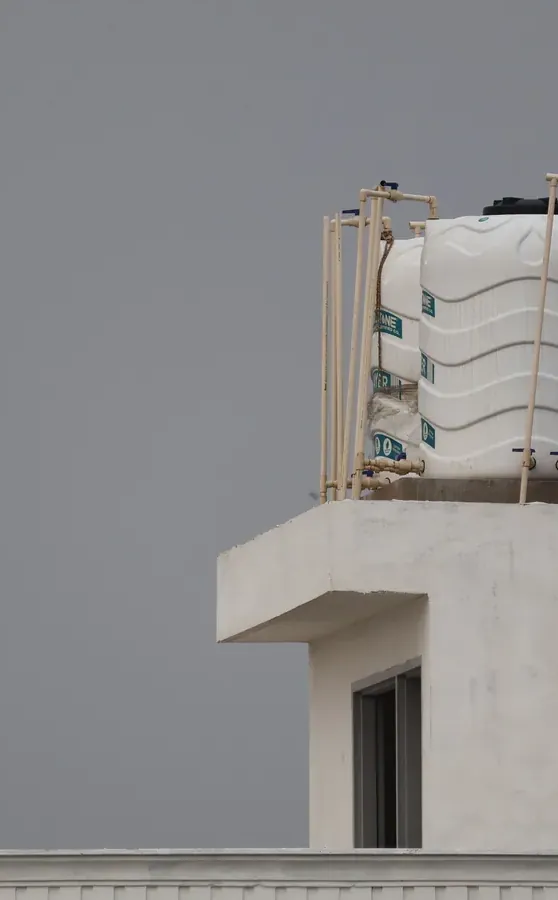
Al Hafnah is a small residential district in east Jeddah within the foothills and valleys, close to Wadi Al Qaws and the Mareekh Mountains. The flats and villas are relatively new with new residential streets, but tanks are affected by dust from open ground and the mountains, and water visibly carries fine sand and silt when first drawn.
Tanks in Al Hafnah get soiled quickly by mountain dust and fine sand from the open ground surrounding the district. For the method itself, see what water tank cleaning involves.
Al Hafnah sits surrounded by open land and hills. Dust from mountains and waste ground enters tanks through worn lids and ventilation holes. Water visibly carries fine sand, and cleaning every two months is needed to remove sediment and keep water safe.
The district is newly developed and building continues. Construction sediment and excavation dust enter tanks through ventilation openings. Water may emerge grey or cloudy after standing overnight. Tank cleaning removes construction dust from the bottom.
Villas in Al Hafnah have small gardens using tank water. High consumption means tanks empty and refill quickly, and new water brings fresh sediment. Frequent water circulation means sediment settles faster, requiring cleaning more often than in apartment blocks.
A small residential district in a hilly valley area with open ground around it, where tanks receive building dust and earth from nearby mountains and uncovered terrain.
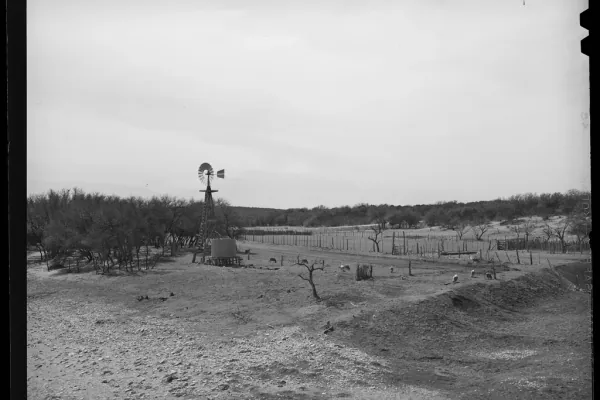
Tank inspection in Al Hafnah focuses on finding cracks or holes that might allow earth from open ground to enter and contaminate the water.
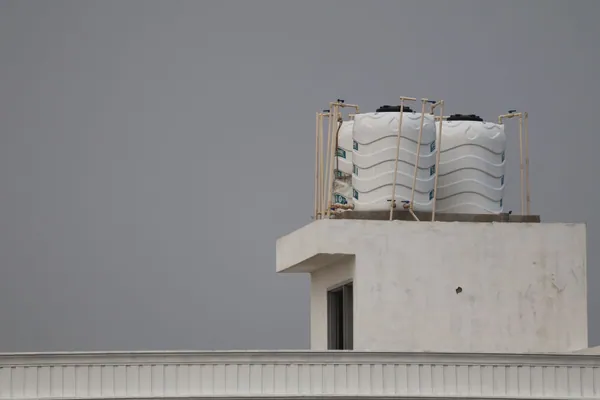
Old water holds sand and silt from mountains and bare ground, needing powerful vacuuming to remove from the tank bottom.
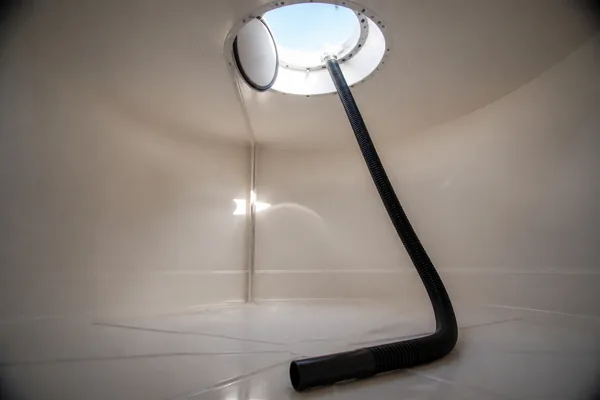
Sand, silt and construction dust deposits need strong and repeated vacuuming to ensure complete removal and drinking water safety.
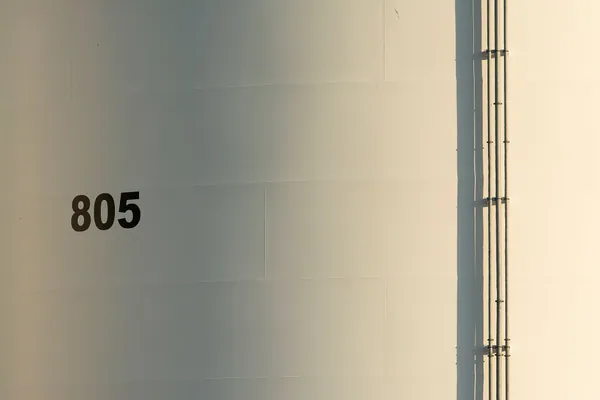
Scrubbing walls removes the grey and brown layer of sand and silt buildup on all internal surfaces from the constant influx of mountain dust.
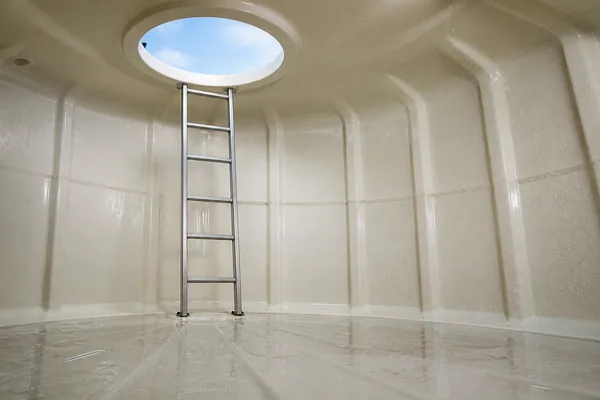
Disinfection can be standard strength because the mountain environment does not create specially resistant bacteria requiring stronger treatment.
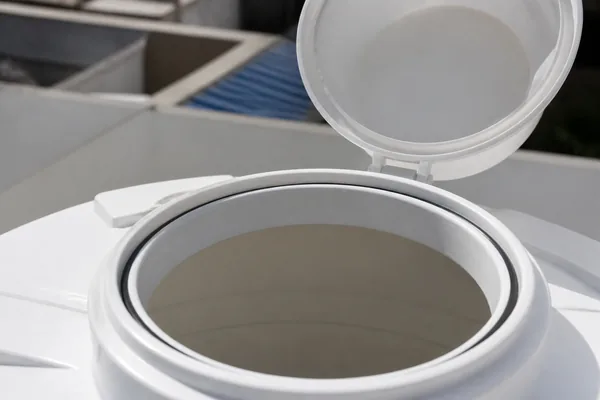
Lid inspection is vital because a worn cover lets mountain winds blow sand and silt directly into the tank at any time.
The supply into the tank is shut and the tank is drained completely.
The sludge on the floor is scooped and pumped out first.
The biofilm on the walls is physically scrubbed off.
With the walls and floor clean, a disinfectant made for drinking-water storage is applied and given time to act on every surface.
The disinfectant and any loosened residue are rinsed down and pumped out, so the first tank of water after us is not carrying it.
We check the cover seal and inlet before refilling, so dust and insects stay out, then start the refill while you watch it run clear.
Pumps to clear sludge, scrubbing to remove biofilm, and disinfectant meant for potable storage.
We send a team, not one person, so a tank is drained, cleaned, disinfected and refilled in a single visit rather than left open for days.
We look at the lid seal and inlet, because a tank that got dirty fast usually has a way in.
Nothing is closed until the tank is refilling and you have seen the water run clean.
Photographs from real jobs carried out by the crew.












The commitment is simple enough to actually keep: we do not leave until the tank is disinfected, refilling, and you have seen it for yourself.
In Al Hafnah, tanks are spread across homes and villas near Wadi Al Qaws and the Mareekh Mountains. We reach them via the new residential streets, and tanks closest to the valley and mountains need deeper inspection because mountain sediment enters them faster.
We provide these in Al Hafnah too, and more than one can share a single visit.



