
The right gear for drinking water
Pumps to clear sludge, scrubbing to remove biofilm, and disinfectant meant for potable storage.
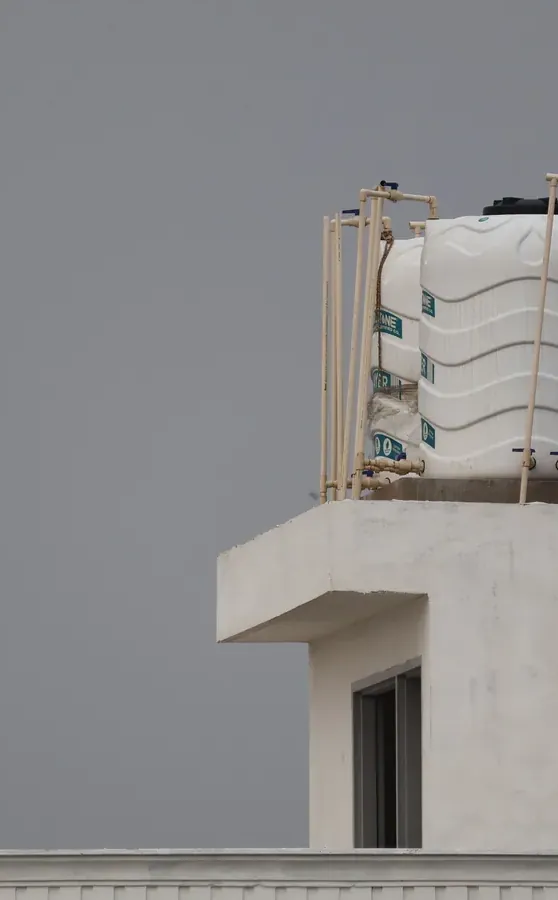
Dhahban East is part of an old coastal village on the Red Sea north of Jeddah, with scattered homes across open ground and several modern villas near the Durrat Al Arus resort. Salt air and constant high humidity cause rapid rust in metal tanks, and water visibly carries salt and rust particles that settle in the bottom.
Metal tanks in Dhahban East rust very rapidly from salt, and water carries visible rust particles and salt sediment more obviously than tanks in inland districts. For the method itself, see our water tank cleaning service in detail.
Coastal air carries salt that clings to every metal surface. Iron and aluminium tanks rust both inside and outside very quickly. Regular cleaning removes rust from the bottom, but real protection comes from a new protective coating or replacing the old tank altogether.
In Dhahban East homes are spread far apart with large gaps between them. Each house has one or two tanks. Reaching them takes time and mobile equipment because some sit far from the main road. Cleaning requires planning based on where each tank actually stands.
The Durrat Al Arus resort is very close, and tourists and visitors increase water consumption greatly. Some homes rent rooms or host guests, raising water use. The tank gets soiled faster, and cleaning may be needed monthly instead of every three months.
A historic coastal village on the Red Sea with salt air year-round, scattered homes with private plots and gardens, metal tanks rusting from constant salt exposure and high humidity affecting all water quality.
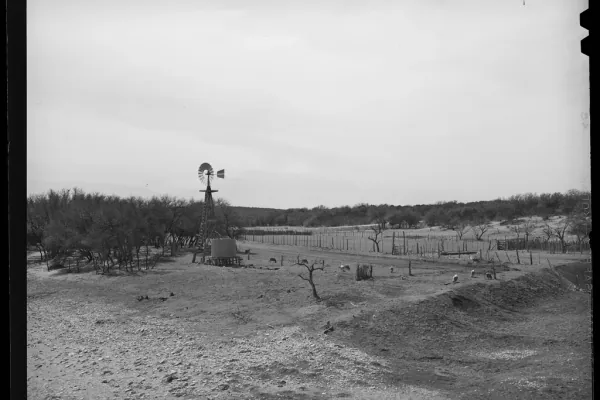
Checking a metal tank includes looking for rust starting on the outside that might develop into small holes and water leaks over time.
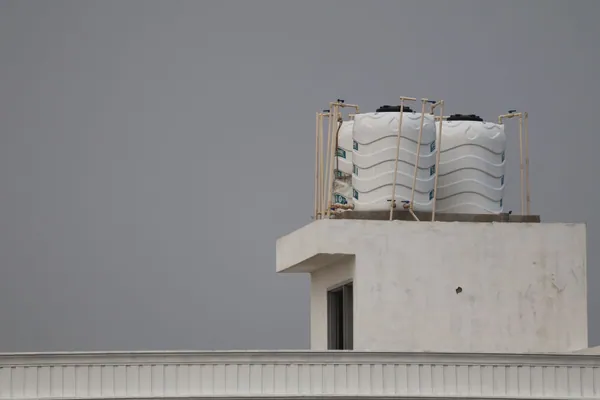
Old water holds visible rust particles and salt deposits, requiring powerful vacuuming to remove them from the tank bottom.
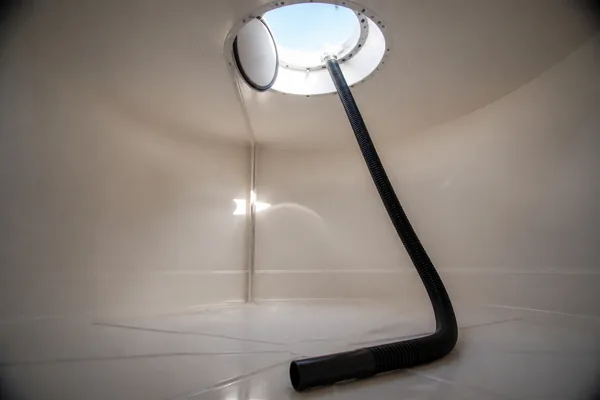
Salt deposits and rust do not come away easily; double or even triple vacuuming may be needed to ensure complete removal.
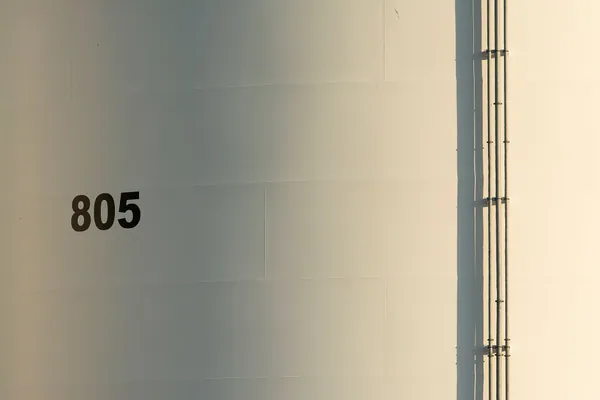
Scrubbing walls hard removes the brown and grey rust layer that builds up on metal tank surfaces exposed to salt air.
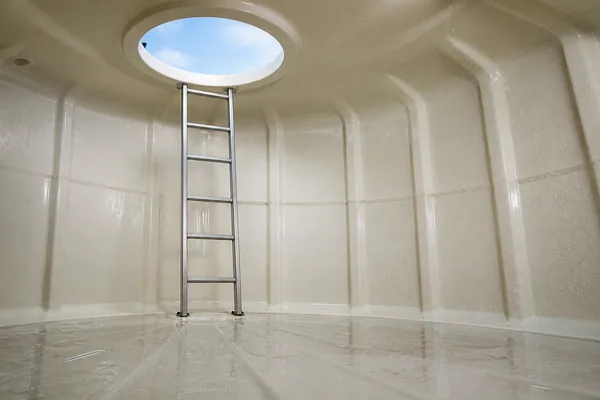
Disinfection is vital because salt creates a special environment that supports bacteria resistant to standard treatment products.
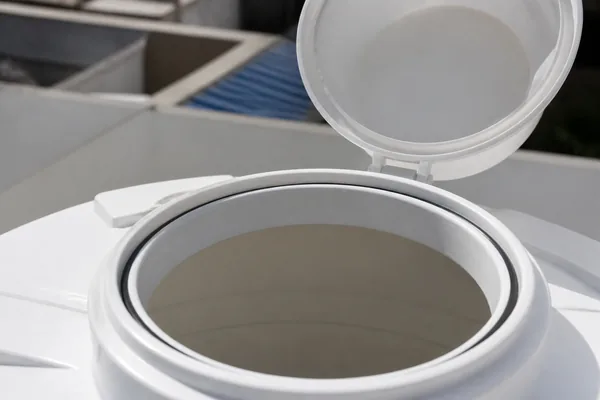
Checking the lid and ensuring it seals tightly is essential, because salt air enters even through small openings and continues corroding the inside.
The supply into the tank is shut and the tank is drained completely.
The sludge on the floor is scooped and pumped out first.
The biofilm on the walls is physically scrubbed off.
With the walls and floor clean, a disinfectant made for drinking-water storage is applied and given time to act on every surface.
The disinfectant and any loosened residue are rinsed down and pumped out, so the first tank of water after us is not carrying it.
We check the cover seal and inlet before refilling, so dust and insects stay out, then start the refill while you watch it run clear.
Pumps to clear sludge, scrubbing to remove biofilm, and disinfectant meant for potable storage.
We send a team, not one person, so a tank is drained, cleaned, disinfected and refilled in a single visit rather than left open for days.
We look at the lid seal and inlet, because a tank that got dirty fast usually has a way in.
Nothing is closed until the tank is refilling and you have seen the water run clean.
Photographs from real jobs carried out by the crew.












The commitment is simple enough to actually keep: we do not leave until the tank is disinfected, refilling, and you have seen it for yourself.
In Dhahban East homes stand scattered between Dhahban Park and the King Abdulaziz coastal road. We reach tanks by moving through the spaces between homes, prioritising those near the resort and the main road first because traffic and tourist activity concentrate water use there.
We provide these in Dhahban East too, and more than one can share a single visit.



