
The right gear for drinking water
Pumps to clear sludge, scrubbing to remove biofilm, and disinfectant meant for potable storage.
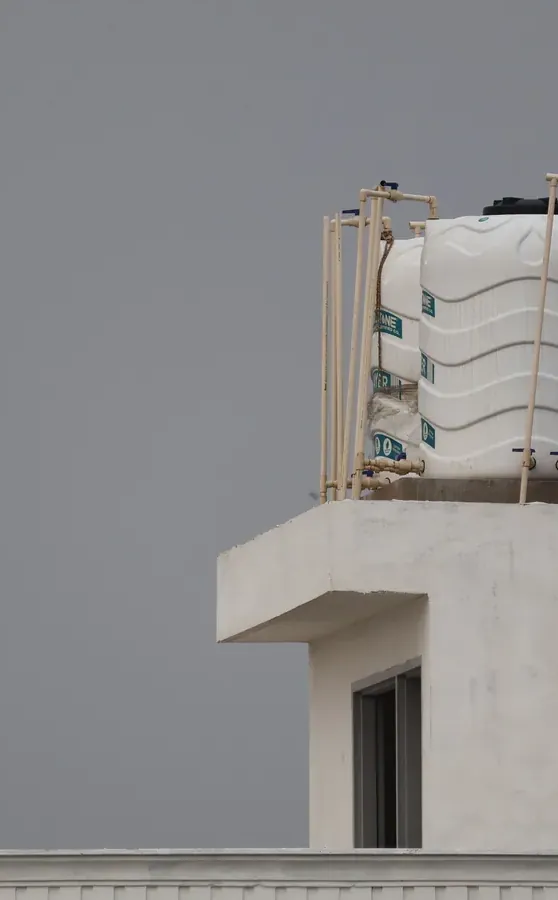
Dhahban West is an old coastal village on the Red Sea north of Jeddah, where tanks collect salt residue, moisture and dust from the open farmland around the homes. Houses are scattered and some sit far from the main road, but we reach every tank wherever it stands.
Tanks here need special care because salt and humidity speed up corrosion and contamination, and dust from open ground settles quickly on the tank floor. For the method itself, see our water tank cleaning service in detail.
Saltwater spray from the sea deposits on tank walls and floor, speeding algae and bacterial growth. Disinfection is not optional here but a regular necessity, because salt accelerates recontamination and without it the water quality fails within weeks.
Homes sit on open, unpaved land where dust rises easily and travels in the wind. Tank lids must be checked closely because small gaps let soil and insects in, turning the tank into a collection point for particles that settle and cloud the water.
Coastal humidity supports algae growth on tank walls even in dim light, building a slick layer that harbours bacteria. Hand scrubbing removes it, but disinfection is the only step that actually stops it returning quickly.
The area blends rural character with coastal exposure, with farmland and open ground around scattered homes, and salty sea air affecting both the water quality and the tank lining itself.
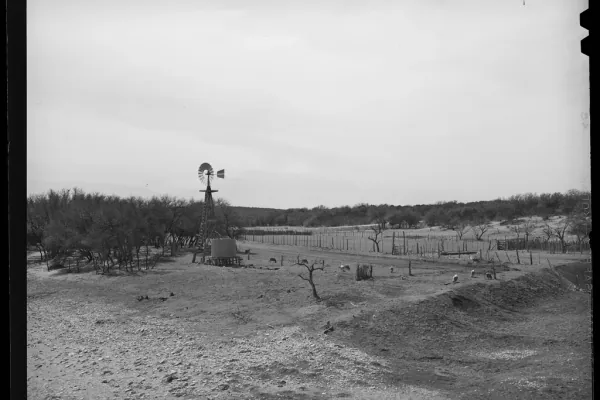
The tank here may be old or metal, so we inspect closely for salt corrosion and rust before draining, as this determines the disinfectant strength to use.
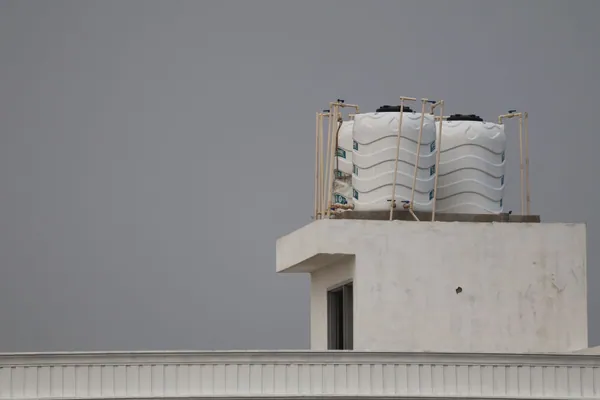
Full drainage removes salt-laden water and sediment, leaving the tank empty so walls and floor can be scrubbed and checked for damage.
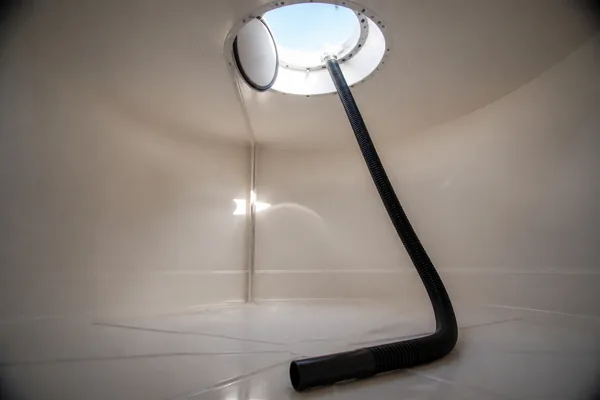
Sediment here is heavier than average because salt and dust settle quickly and stick to the floor, requiring careful suction and not disturbance.
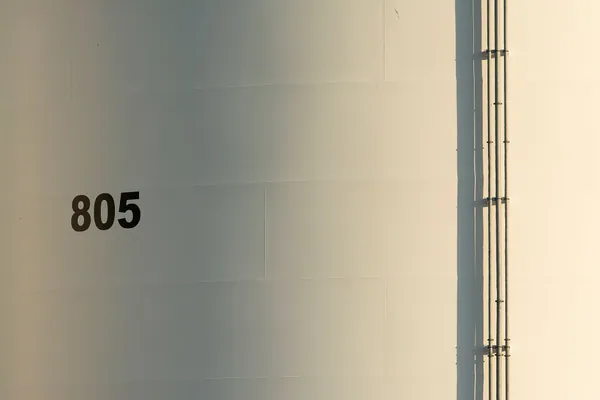
Walls need firm scrubbing to clear algae and salt deposits that cling to the surface, especially in corners where moisture collects.
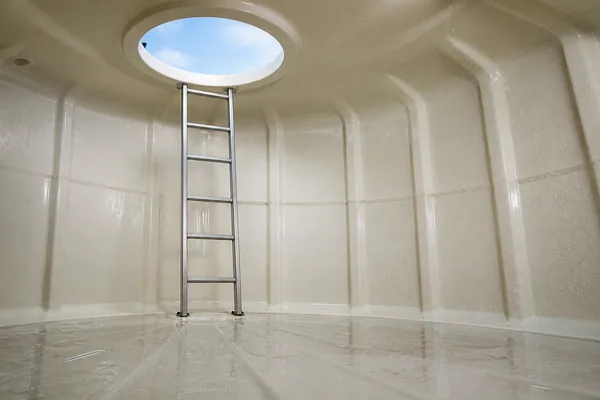
Disinfectant is chosen carefully because water here is near the sea, and the product must be safe for drinking water after complete rinsing.
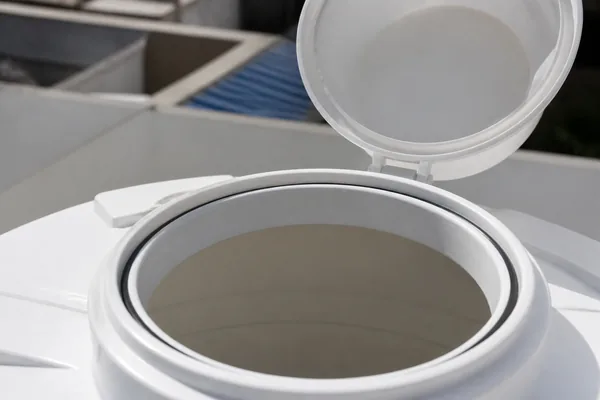
Final rinse takes longer here to remove all salt trace, and the lid is inspected to stop salt entering again from the coastal air.
The supply into the tank is shut and the tank is drained completely.
The sludge on the floor is scooped and pumped out first.
The biofilm on the walls is physically scrubbed off.
With the walls and floor clean, a disinfectant made for drinking-water storage is applied and given time to act on every surface.
The disinfectant and any loosened residue are rinsed down and pumped out, so the first tank of water after us is not carrying it.
We check the cover seal and inlet before refilling, so dust and insects stay out, then start the refill while you watch it run clear.
Pumps to clear sludge, scrubbing to remove biofilm, and disinfectant meant for potable storage.
We send a team, not one person, so a tank is drained, cleaned, disinfected and refilled in a single visit rather than left open for days.
We look at the lid seal and inlet, because a tank that got dirty fast usually has a way in.
Nothing is closed until the tank is refilling and you have seen the water run clean.
Photographs from real jobs carried out by the crew.












The commitment is simple enough to actually keep: we do not leave until the tank is disinfected, refilling, and you have seen it for yourself.
Tanks in Dhahban West are reached via King Abdulaziz Road or from Dhahban Park, and many stand near homes scattered between Durrat Al Arus Resort and the open farmland beyond.
We provide these in Dhahban West too, and more than one can share a single visit.



