
The right gear for drinking water
Pumps to clear sludge, scrubbing to remove biofilm, and disinfectant meant for potable storage.
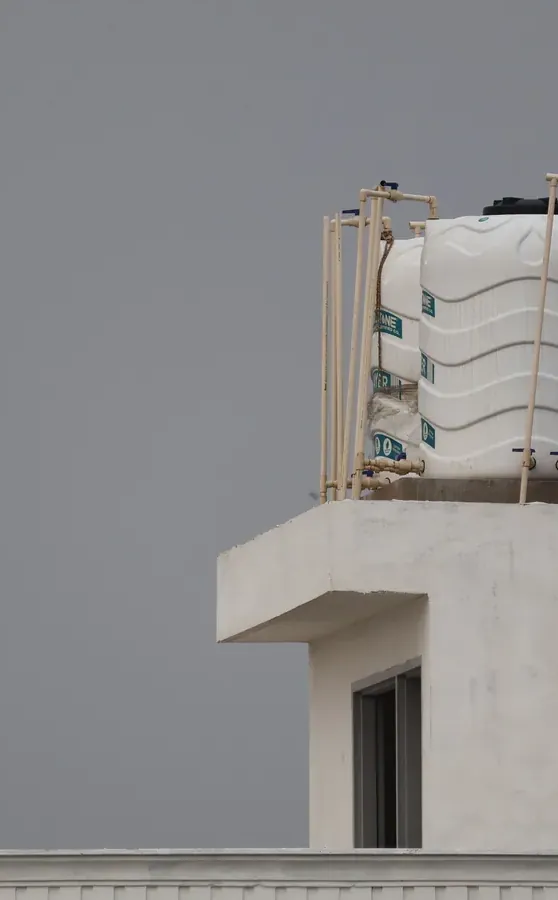
Al Zumurrud sits on the Red Sea shore, where salt air reaches everything, including the water in your tank. High humidity speeds up algae growth on the inside walls, and sediment settles faster here than inland. Full disinfection and careful inspection matter more in a coastal district than anywhere else.
Tanks here need cleaning more frequently than those in inland neighbourhoods because salt works its way into the water and increases sediment formation. For the method itself, see the full water tank cleaning page.
Sea salt particles do not stop at the outside. Fine salt aerosol enters the tank each time the lid opens and settles in the base with other sediment, speeding up a thick layer beneath the water surface. In Al Zumurrud, every breath of air carries salt into the tank.
High humidity in a coastal setting creates an ideal breeding ground for microorganisms inside the tank. Even with a sealed lid, moisture finds its way in through small leaks around openings, feeding a biofilm layer that builds on every internal wall.
Metal tank lids rust fast in Al Zumurrud, attacked by salt and moisture. Rust flakes fall into the water and alter its taste, and severe corrosion can break the lid seal or weaken the cover. Lid inspection and replacement if needed is part of a complete clean here.
A coastal district on the Red Sea with modern villas and apartment buildings, bordered by chalets and rest houses along the shore. Salt and humidity affect every pipe fitting and metal surface.
Tank inspection before draining reveals white and grey salt and algae buildup on Al Zumurrud walls very clearly.
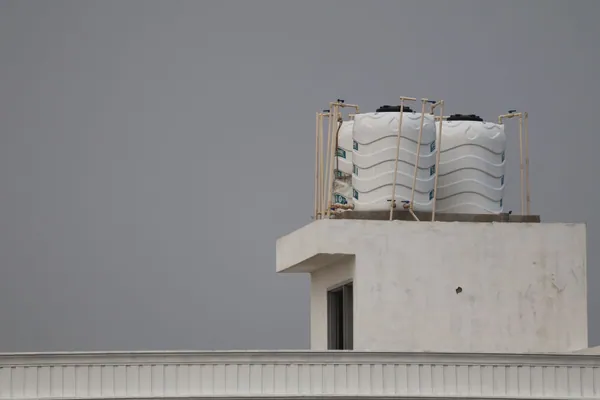
A complete drain is essential because the old water carries dissolved salt and sediment layered from high coastal humidity.
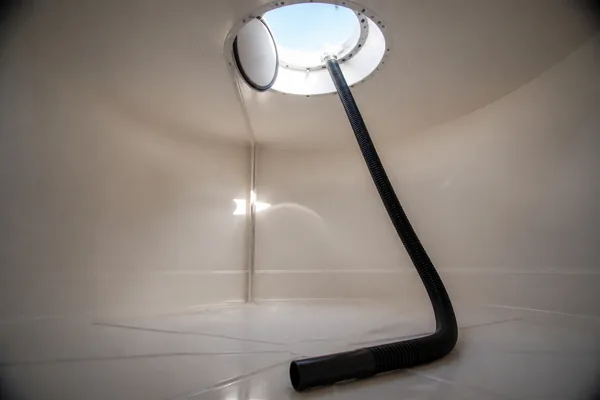
Sediment vacuuming removes the thick white and grey cake of salt and microorganisms that settle together at the base.
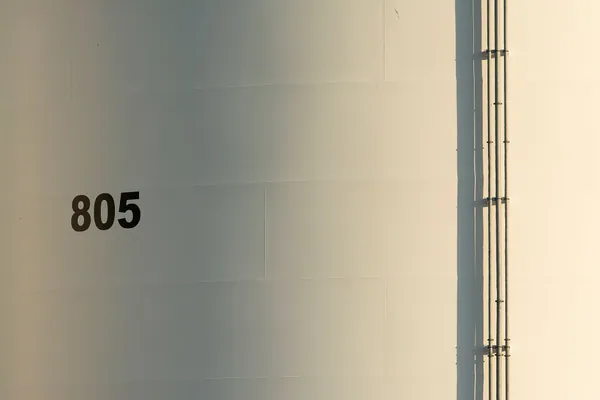
Wall scrubbing removes the slick biofilm layer fed by coastal moisture from every internal surface.
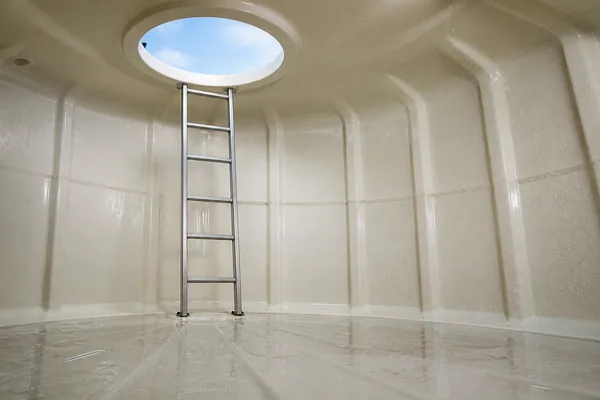
Disinfection after scrubbing kills bacteria that multiply rapidly in Al Zumurrud's damp, salt-laden environment.
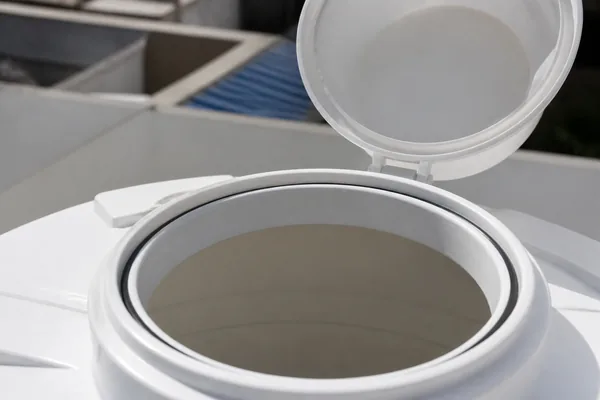
Final rinsing repeats until the water runs clear, and the lid is checked for rust or salt corrosion before refilling.
The supply into the tank is shut and the tank is drained completely.
The sludge on the floor is scooped and pumped out first.
The biofilm on the walls is physically scrubbed off.
With the walls and floor clean, a disinfectant made for drinking-water storage is applied and given time to act on every surface.
The disinfectant and any loosened residue are rinsed down and pumped out, so the first tank of water after us is not carrying it.
We check the cover seal and inlet before refilling, so dust and insects stay out, then start the refill while you watch it run clear.
Al Zumurrud sits about 2 km from Al Gharbiyah and about 2.5 km from Al Corniche.
Open in Google MapsPumps to clear sludge, scrubbing to remove biofilm, and disinfectant meant for potable storage.
We send a team, not one person, so a tank is drained, cleaned, disinfected and refilled in a single visit rather than left open for days.
We look at the lid seal and inlet, because a tank that got dirty fast usually has a way in.
Nothing is closed until the tank is refilling and you have seen the water run clean.
Photographs from real jobs carried out by the crew.












The commitment is simple enough to actually keep: we do not leave until the tank is disinfected, refilling, and you have seen it for yourself.
Al Zumurrud is surrounded by mosques and health clinics nearby. We reach the tanks via the seafront and internal roads, coordinating near Omar bin Siddiq Attar Mosque and the Primary Health Care Centre where residents gather.
We provide these in Al Zumurrud too, and more than one can share a single visit.



