
The right gear for drinking water
Pumps to clear sludge, scrubbing to remove biofilm, and disinfectant meant for potable storage.
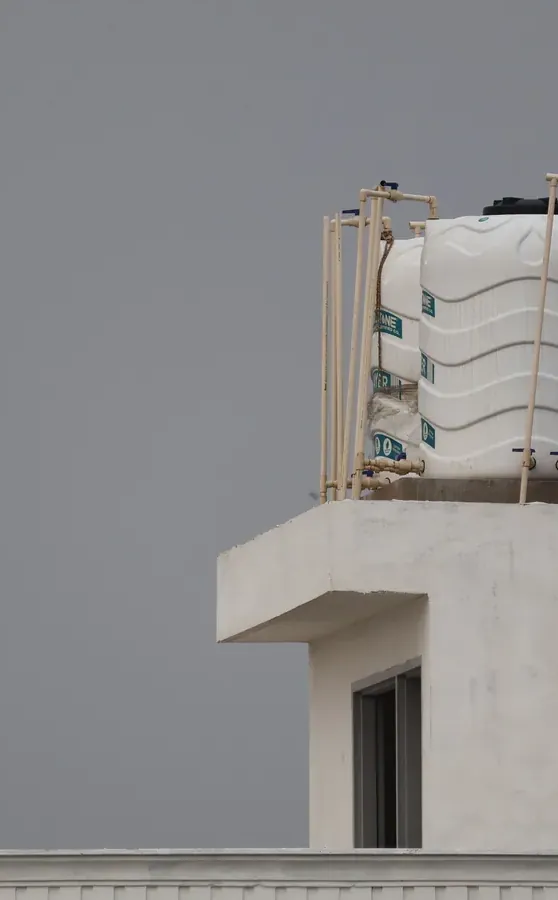
Al Gharbiyah is a new development in Obhur Al Shamaliyah, mostly villas on new plots with spaces still empty between them, set beside the sea and served by the coastal King Abdulaziz Road. Tanks here collect construction dust and fine beach sand brought in by every new build around them. The coastal humidity and the new marble floors in these villas demand clean water from the start.
The district is active with ongoing construction across neighbouring subdivisions, and dust and sand penetrate the gaps between houses before some buildings are even finished. For the method itself, see what water tank cleaning involves.
Fresh marble and porcelain in these villas show every drop of cloudiness. We ensure all standing water in the tank is completely clear before opening any tap in the house.
The district is near the coast and building continues around it. The tank fills with water carrying very fine sand and dust from all directions, neither settling like coarse grit nor clear like pure water.
New villas have ample outdoor space and boundary walls, so we empty the tank into the courtyard freely without worrying about neighbours close by.
New urban extension near the Red Sea with moderate elevation, villas and residential compounds within modern subdivisions, with a public park and amenities on the main road serving the area.
A new tank may hold factory residue and construction dust from installation; we inspect it carefully before the water supply is turned on.
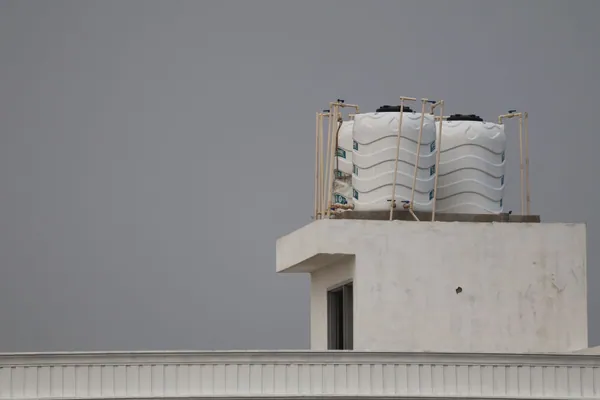
Water from the coastal supply fills the tank with fine sand grains and dissolved salt; we drain fully and remove every trace of sediment.
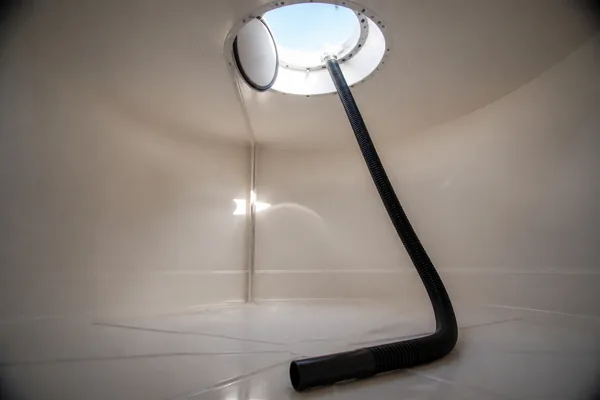
Marble floors in new villas will not tolerate spray from cloudy water; we manage the discharge with precision to avoid any droplets.
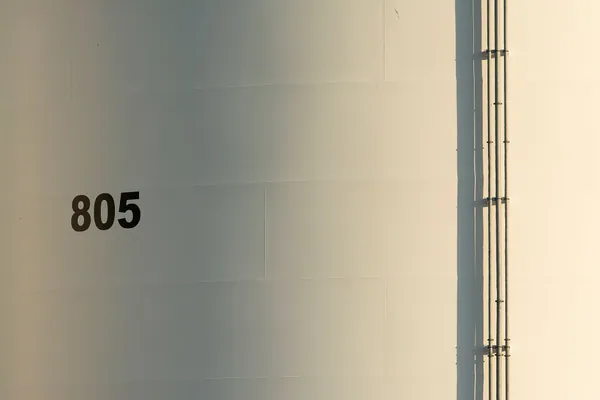
New tank walls are smooth; scrubbing is lighter and faster than in older tanks, yet thorough in corners and where inlets meet the floor.
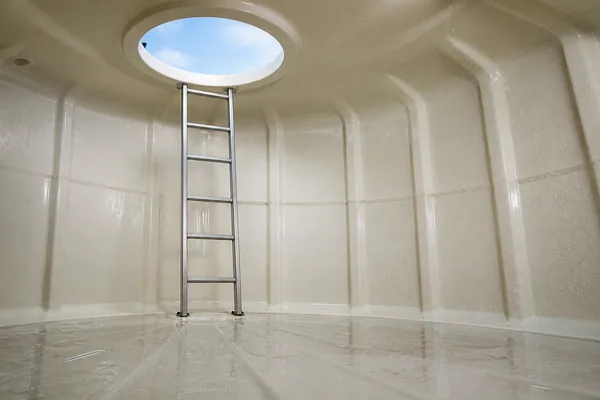
Coastal humidity means disinfectant stays active longer; we allow the full contact time for deep disinfection to take effect.
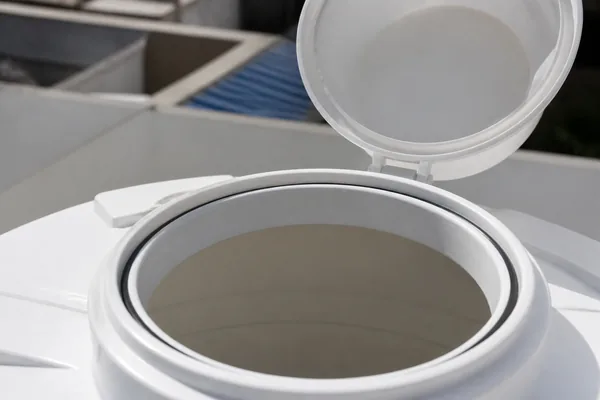
The lid is usually in good condition when new, but we check for any cracks from direct heat and sun exposure on the roof.
The supply into the tank is shut and the tank is drained completely.
The sludge on the floor is scooped and pumped out first.
The biofilm on the walls is physically scrubbed off.
With the walls and floor clean, a disinfectant made for drinking-water storage is applied and given time to act on every surface.
The disinfectant and any loosened residue are rinsed down and pumped out, so the first tank of water after us is not carrying it.
We check the cover seal and inlet before refilling, so dust and insects stay out, then start the refill while you watch it run clear.
Pumps to clear sludge, scrubbing to remove biofilm, and disinfectant meant for potable storage.
We send a team, not one person, so a tank is drained, cleaned, disinfected and refilled in a single visit rather than left open for days.
We look at the lid seal and inlet, because a tank that got dirty fast usually has a way in.
Nothing is closed until the tank is refilling and you have seen the water run clean.
Photographs from real jobs carried out by the crew.












The commitment is simple enough to actually keep: we do not leave until the tank is disinfected, refilling, and you have seen it for yourself.
North Jeddah is largely newer villa districts and compounds around Obhur and inland from it. Homes here tend to have marble or porcelain floors, large windows and a garden or courtyard, so the routine is set by what comes in from outside: fine sand carried on sandals, and sprinkler spray that dries to a chalky ring on tiles. Near the creek and the coast, sea air leaves a faint salt film on glass and on outdoor cushions, which stiffens fabric. Curtains and upholstery in these open plan rooms catch the dust that settles overnight.
We provide these in Al Gharbiyah too, and more than one can share a single visit.



