
The right gear for drinking water
Pumps to clear sludge, scrubbing to remove biofilm, and disinfectant meant for potable storage.
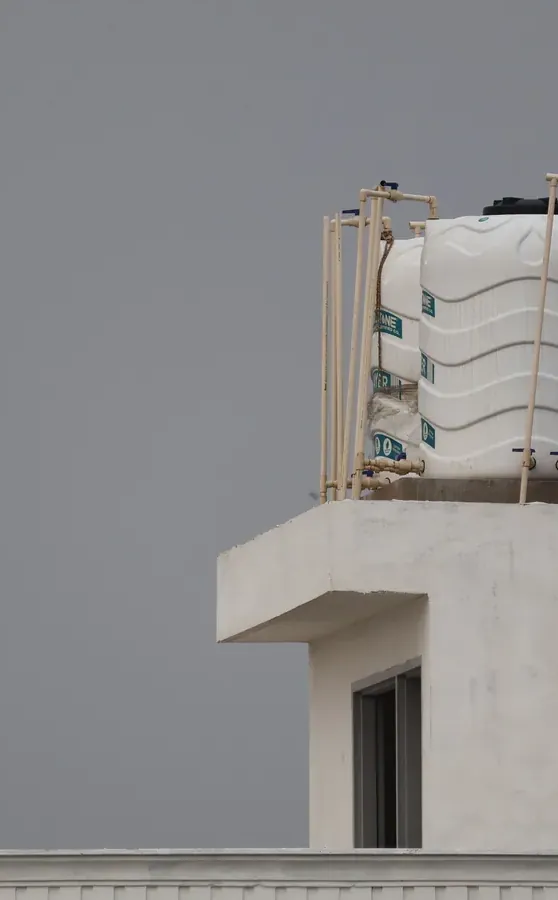
Al Yaman is one of Jeddah's four historic quarters inside the old walled city, where close-set stone and timber buildings date from the thirteenth century Hijri. Tanks here are small and often hard to reach via narrow stairwells and alleyways. Water sometimes comes out cloudy because ancient pipes gradually corrode and shed metal particles into the tank, a problem the homeowners live with because replacing the pipework would mean rebuilding the quarter.
Tanks here accumulate red sediment from rust in old copper and iron pipes, and fragments of old building materials sometimes appear in the bottom from past renovations, all mixing into a sediment that is heavier and more varied than in modern districts. For the method itself, see what water tank cleaning involves.
Ancient copper and iron gradually corrodes and falls into the tank, settling as red or brown rust on the floor. This corrosion is from the pipes themselves, not a tank defect, but requires regular cleaning to keep water clear.
Dense historic quarters have many flats and shops using the same tank. We must notify every resident and get approval from the owner or building manager before starting. Coordination takes time and the work may need to be rescheduled if consent cannot be reached.
Tiny alleys and steep narrow stairwells mean we carry equipment step by step by hand. Large pumps cannot be used, and we adapt the process to what is possible in these old streets, working closely with residents to find solutions.
The quarter is densely packed with heritage buildings whose old horizontal and vertical pipework is shared among many homes. Tanks are small, lids are weak, and reaching them requires carrying equipment up narrow stairs in buildings that have not changed structurally for two centuries.
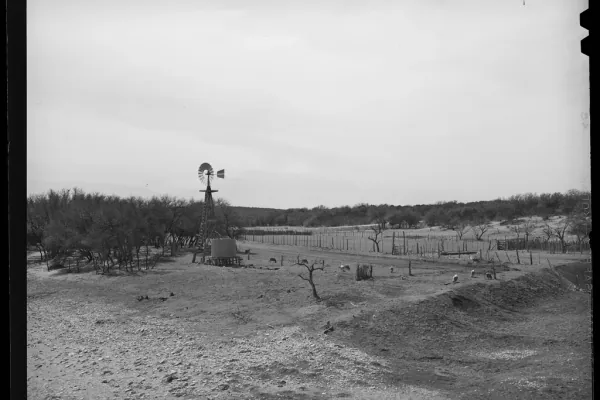
Inspection in Al Yaman includes checking the lid, assessing old pipework and estimating access difficulty given narrow stairs and dense building layout around the tank location.
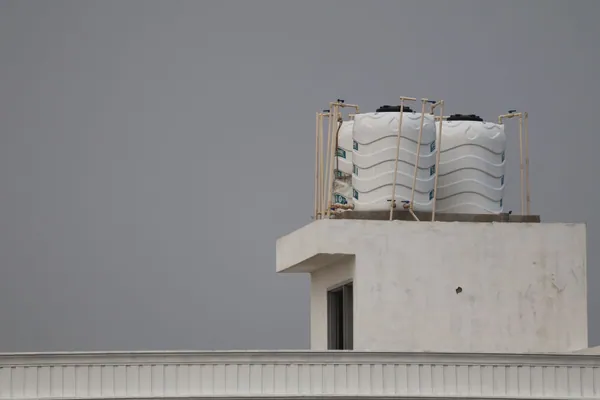
Drainage may take longer because pumps may need to be smaller and the narrow streets limit the size of equipment that can be carried to the site.
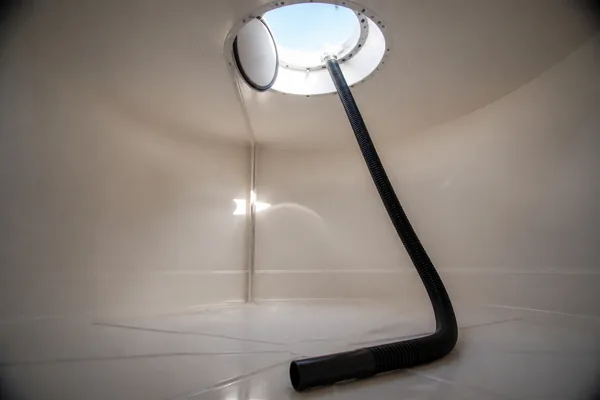
Sediment removal targets red rust from old pipes and fragments of earlier building work or renovations that have settled on the tank floor over decades.
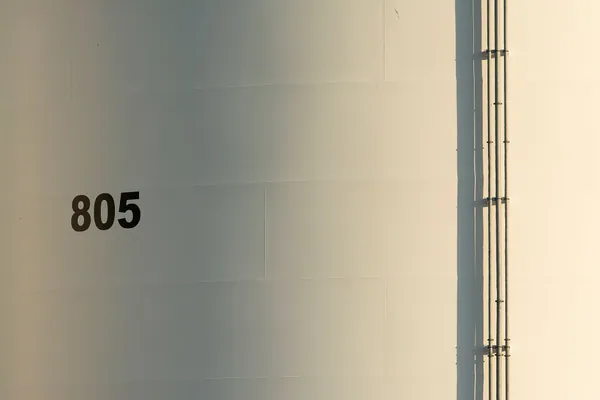
Scrubbing is done manually and carefully because old tank walls may be weakened and ancient pipework around the tank is fragile and may not tolerate rough pressure.
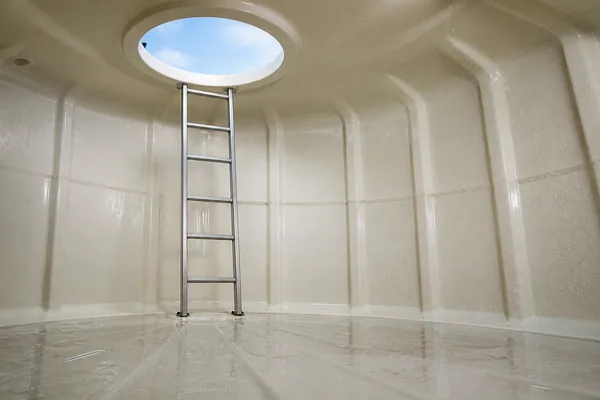
Disinfection follows standard protocol but rinsing may take longer because old pipes carry accumulated deposits that emerge with the water as the tank is flushed and refilled.
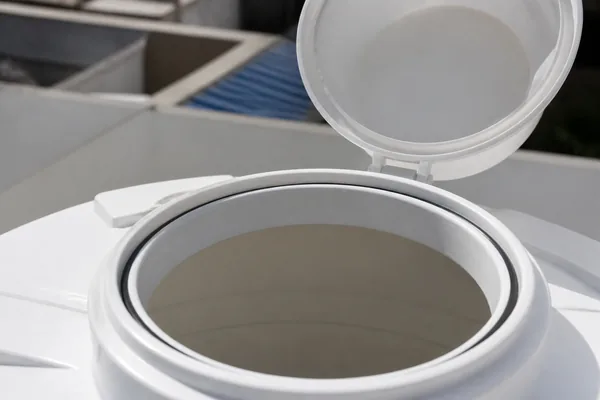
Final check confirms water is as clear as it can be given the age of the pipes, the lid is sealed, and building manager and residents are informed of the result and any pipework concerns.
The supply into the tank is shut and the tank is drained completely.
The sludge on the floor is scooped and pumped out first.
The biofilm on the walls is physically scrubbed off.
With the walls and floor clean, a disinfectant made for drinking-water storage is applied and given time to act on every surface.
The disinfectant and any loosened residue are rinsed down and pumped out, so the first tank of water after us is not carrying it.
We check the cover seal and inlet before refilling, so dust and insects stay out, then start the refill while you watch it run clear.
Al Yaman sits about 0.5 km from Al Sahifah and about 0.5 km from Historic Jeddah.
Open in Google MapsPumps to clear sludge, scrubbing to remove biofilm, and disinfectant meant for potable storage.
We send a team, not one person, so a tank is drained, cleaned, disinfected and refilled in a single visit rather than left open for days.
We look at the lid seal and inlet, because a tank that got dirty fast usually has a way in.
Nothing is closed until the tank is refilling and you have seen the water run clean.
Photographs from real jobs carried out by the crew.












The commitment is simple enough to actually keep: we do not leave until the tank is disinfected, refilling, and you have seen it for yourself.
Tanks in Al Yaman sit near Hassan Annani Mosque and Souk Al Alawi, meaning we reach the building through narrow lanes from Al Alawi Street. The work is done with help from local residents who know the old quarter well and can guide us and secure permissions from all neighbours.
We provide these in Al Yaman too, and more than one can share a single visit.



