
The right gear for drinking water
Pumps to clear sludge, scrubbing to remove biofilm, and disinfectant meant for potable storage.
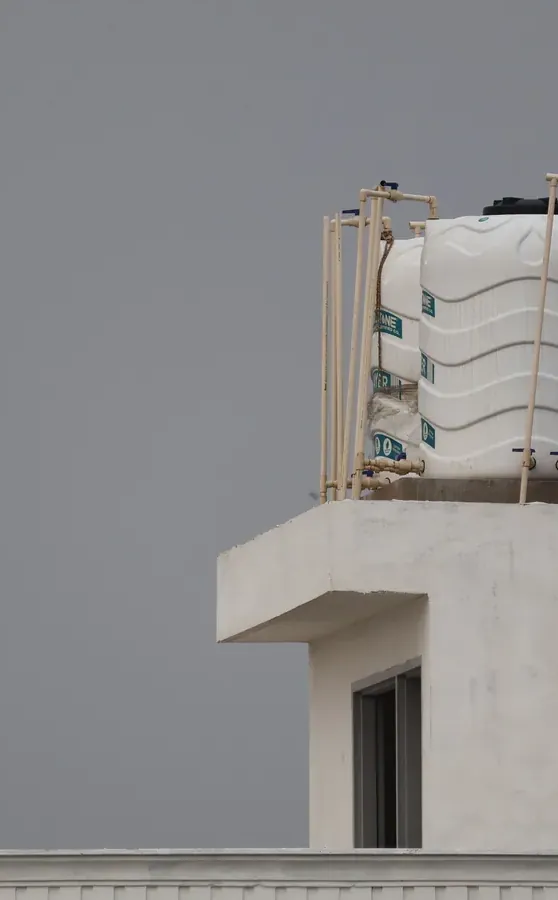
Al Shati sits directly on the Jeddah Corniche where humidity is high and salt air is constant. Villas and hotel apartments use more water than inland neighbourhoods, and algae grows faster in damp conditions. A tank here needs more than cleaning; it needs specialist disinfection and better air circulation to stay safe.
Coastal humidity accelerates algae and bacteria growth, requiring stronger disinfection and more frequent inspection than tanks in inland districts. For the method itself, see our guide to water tank cleaning.
Damp salty air creates ideal conditions for algae and mould. Tanks near the sea need stronger disinfection and sharper inspection than inland tanks. Salt and humidity together speed up biological fouling.
Salt air enters tanks through small cracks and openings, and salts deposit white residue on walls and surfaces. Cleaning requires heavier scrubbing and specialist disinfection matched to saltwater conditions.
Damp air speeds rust on metal parts, so tank lids and fittings degrade faster here than inland. Lid inspection and testing of metal seals is essential at every cleaning visit.
A coastal district on the Red Sea with seafront hotels, the Al Rahmah floating mosque, Red Sea Mall and traditional markets, facing high humidity and salt air throughout the year.
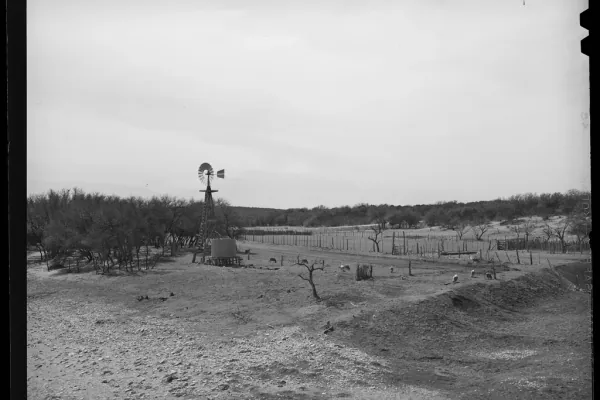
Tank inspection in coastal zones focuses on hairline cracks and small breaches where salt and moisture can seep inward, compromising water quality.
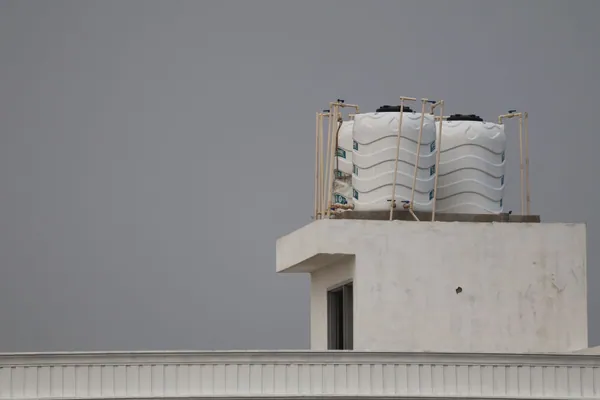
Full draining removes salt laden and algae laden water, creating clear access to inspect every wall and corner of the tank interior.
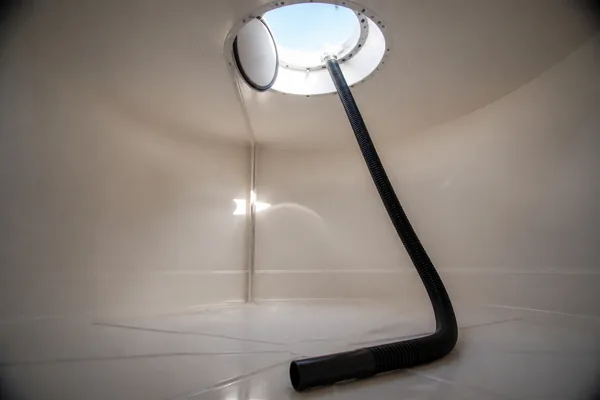
Sediment vacuumed from the bottom removes salt crusts and algae deposits that settle in damp conditions faster than in drier inland areas.
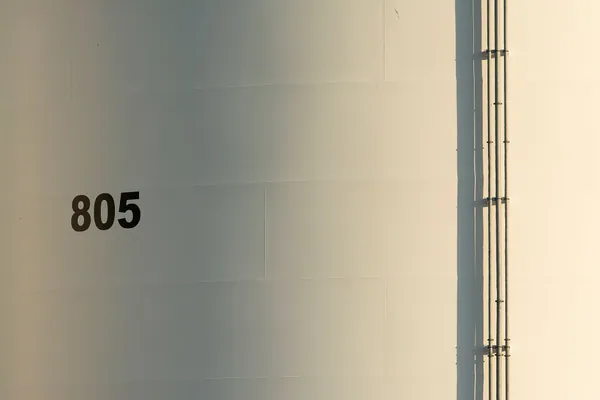
Walls and floor scrubbed manually remove white salt stains and black mould spots that grow rapidly in high humidity coastal air.
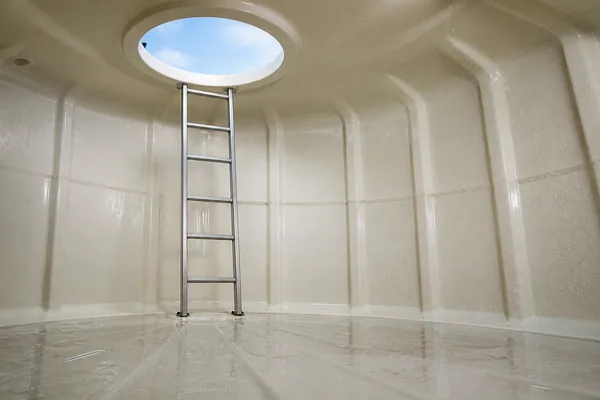
Strong disinfection is essential in coastal zones to kill salt loving and moisture loving bacteria and algae species that thrive here.
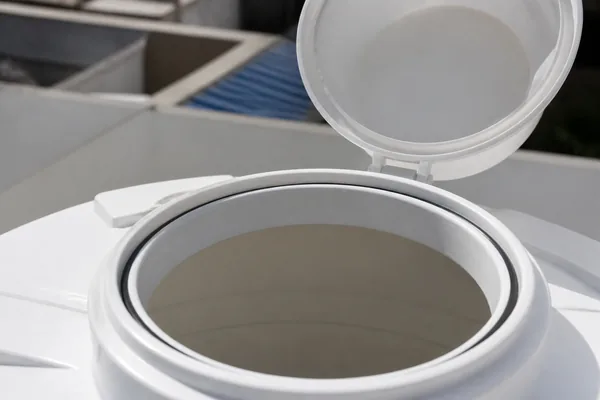
Lid and metal fitting inspection is vital because coastal humidity speeds up rust; corroded seals and hinges may need replacement.
The supply into the tank is shut and the tank is drained completely.
The sludge on the floor is scooped and pumped out first.
The biofilm on the walls is physically scrubbed off.
With the walls and floor clean, a disinfectant made for drinking-water storage is applied and given time to act on every surface.
The disinfectant and any loosened residue are rinsed down and pumped out, so the first tank of water after us is not carrying it.
We check the cover seal and inlet before refilling, so dust and insects stay out, then start the refill while you watch it run clear.
Pumps to clear sludge, scrubbing to remove biofilm, and disinfectant meant for potable storage.
We send a team, not one person, so a tank is drained, cleaned, disinfected and refilled in a single visit rather than left open for days.
We look at the lid seal and inlet, because a tank that got dirty fast usually has a way in.
Nothing is closed until the tank is refilling and you have seen the water run clean.
Photographs from real jobs carried out by the crew.












The commitment is simple enough to actually keep: we do not leave until the tank is disinfected, refilling, and you have seen it for yourself.
Coastal area: high humidity and salt air through the year
Coastal humidity means disinfection must be stronger and inspection sharper than inland tanks require. A tank this close to the sea needs specialist attention to sealing and ventilation to remain safe.
We provide these in Al Shati too, and more than one can share a single visit.



