
The right gear for drinking water
Pumps to clear sludge, scrubbing to remove biofilm, and disinfectant meant for potable storage.
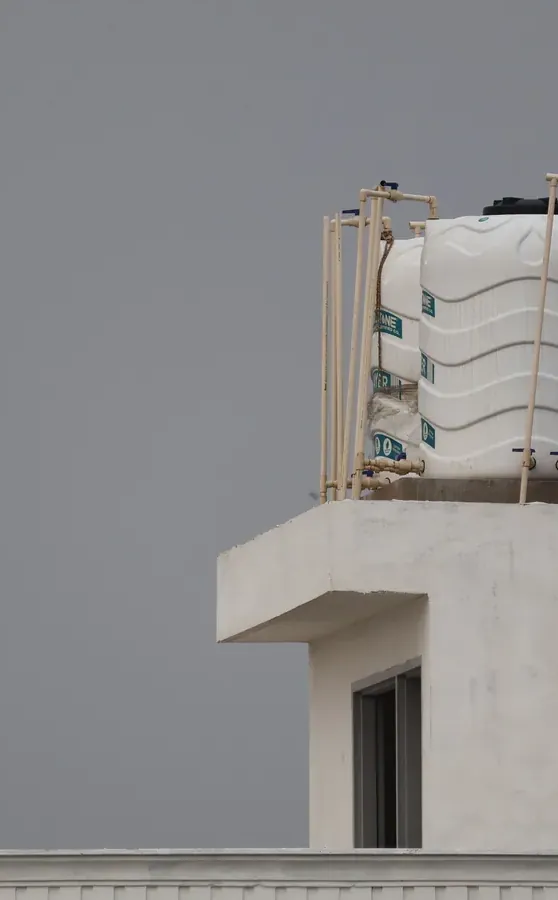
Al Salamah is a mixed district in northern Jeddah where shops work busily on Quraish Street and Al Yamamah Street, with residential flats stacked above them. A single tank serves entire lengths of residential buildings, and water is drawn at pace from both ground floor premises and upper floors at the same time, filling the tank with sediment faster than in purely residential areas.
Tanks here serve both old and new buildings, and the difference shows in sediment volume: older residential blocks leave heavier sediment deposits on the floor. For the method itself, see how we approach water tank cleaning.
Quraish Street and Al Yamamah Street are packed with shops, restaurants and coffee houses, all drawing from the same tank. Heavy use pushes sediment from the floor faster, and cleaning needs deeper inspection than in residential only areas.
Some buildings in Al Salamah are old with narrow pipes and tight sediment traps. New buildings draw cleaner water, but the shared tank serves everyone, so cleaning becomes a balance between old and new infrastructure.
Al Salamah is very close to the coast, and humidity never drops. Tanks accumulate green algae and form a slick biofilm on walls, and regular disinfection becomes more necessary than in inland districts.
North Jeddah between Prince Sultan Road and Madinah Road, villas and apartment buildings fill the blocks with busy commercial streets, and nearness to the seafront means constant humidity and salt laden air.
Initial inspection in Al Salamah is thorough because shops use water heavily and sediment may have accumulated more than usual.
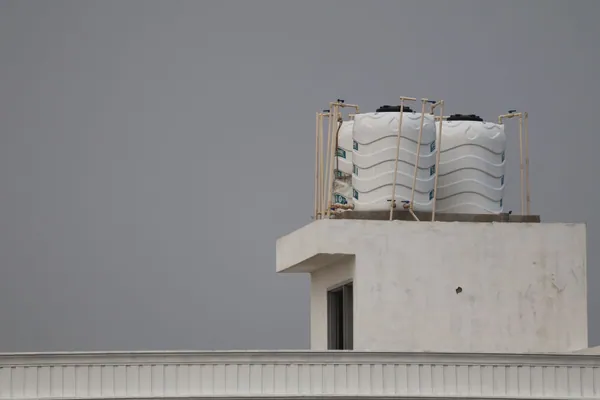
Full drainage is essential here because heavy use pushes sediment up from the floor faster than in purely residential areas.
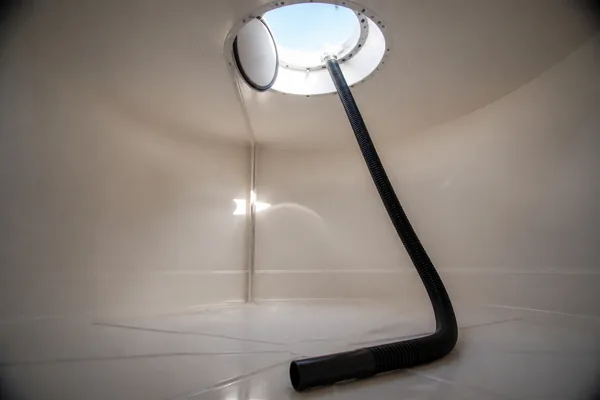
Vacuuming focuses on the floor and corners where heavy sediment collects from intense water use throughout the day.
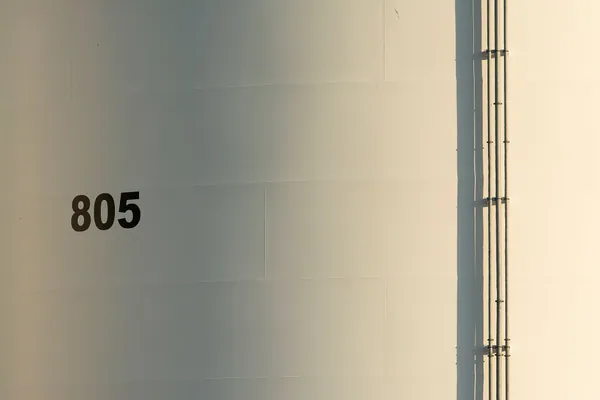
Manual scrubbing is stronger in Al Salamah because of algae and salt that cling hard to the walls.
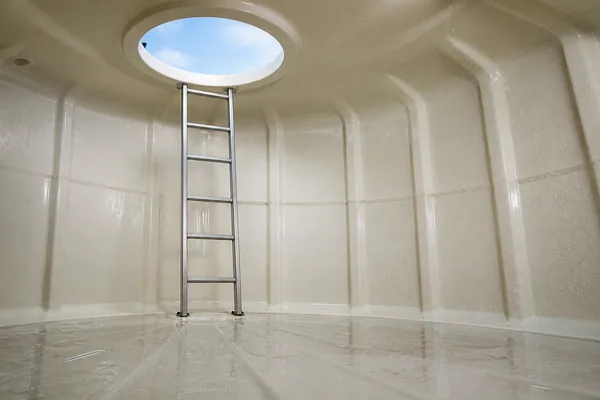
Disinfection needs high concentration because of coastal humidity and algae that grow rapidly in this environment.
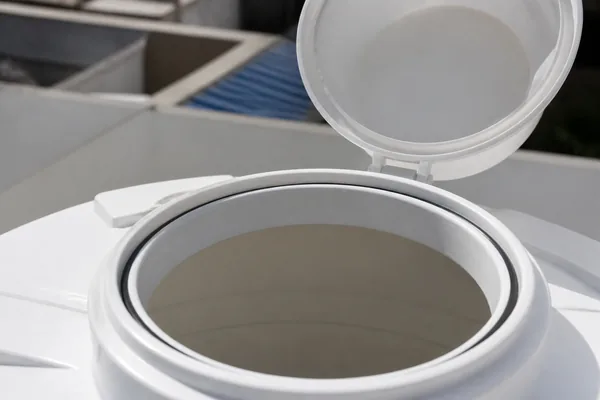
The final check ensures the lid is absolutely tight to keep sea salt and humidity out of the tank.
The supply into the tank is shut and the tank is drained completely.
The sludge on the floor is scooped and pumped out first.
The biofilm on the walls is physically scrubbed off.
With the walls and floor clean, a disinfectant made for drinking-water storage is applied and given time to act on every surface.
The disinfectant and any loosened residue are rinsed down and pumped out, so the first tank of water after us is not carrying it.
We check the cover seal and inlet before refilling, so dust and insects stay out, then start the refill while you watch it run clear.
Pumps to clear sludge, scrubbing to remove biofilm, and disinfectant meant for potable storage.
We send a team, not one person, so a tank is drained, cleaned, disinfected and refilled in a single visit rather than left open for days.
We look at the lid seal and inlet, because a tank that got dirty fast usually has a way in.
Nothing is closed until the tank is refilling and you have seen the water run clean.
Photographs from real jobs carried out by the crew.












The commitment is simple enough to actually keep: we do not leave until the tank is disinfected, refilling, and you have seen it for yourself.
Mixed district: shops at street level with homes above them
In a mixed district like Al Salamah, the tank serves residential flats stacked above active commercial premises. Water is drawn at different times from ground floor shops and upper floors, and sediment builds much faster than in purely residential areas.
We provide these in Al Salamah too, and more than one can share a single visit.



