
The right gear for drinking water
Pumps to clear sludge, scrubbing to remove biofilm, and disinfectant meant for potable storage.
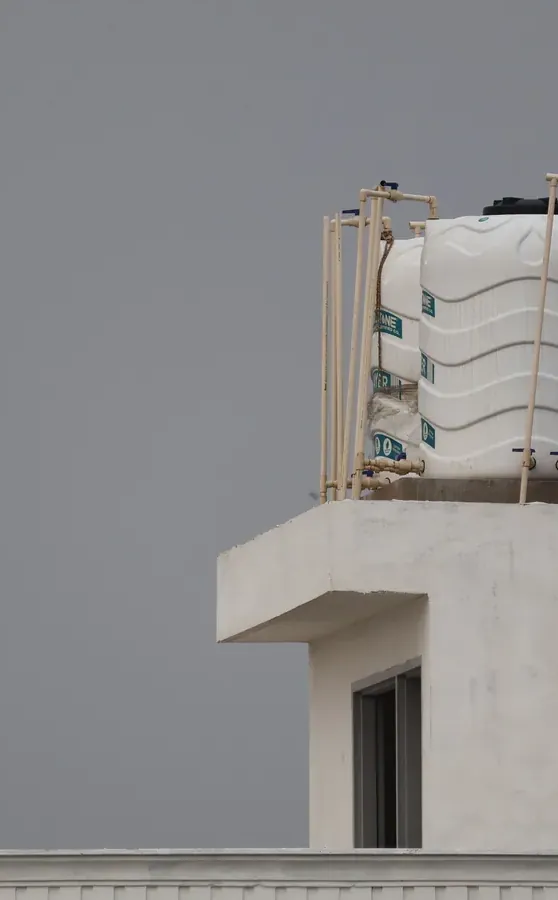
Al Nahdah is a mixed quarter stretching along Hira Street between King Abdulaziz Road and the sea, where shops and flats share the same water tank and the same humid coastal air. The internal walls of the tank carry thick algae growth and everything stays slightly damp all year. Biofilm clings thickly to every surface. We drain the tank fully, scrub the biofilm and algae away from every wall, disinfect deeply with products suited to seawater organisms, and rinse repeatedly until the water runs clear.
The coastal humidity keeps carpets and curtains slightly damp so they hold odours and dust longer than in dry districts, and the same damp conditions favour rapid algae and biofilm growth inside the tank. For the method itself, see our guide to water tank cleaning.
The coastal quarter stays humid even in winter months, so algae and bacteria species colonise the tank walls at unusual speed. The biofilm coating becomes thick and rubbery, so scrubbing and disinfection must be more vigorous than in tanks in drier areas of the city.
Seawater vapour in the coastal air carries salt particles that enter the tank, and the water arriving from the mains supply also carries salt from the Corniche. Salt corrodes metal fittings and pipes faster, stresses boiler elements, and makes the water harder to use on electrical appliances.
Ground floor businesses and residential flats both draw from the same tank in one of the city's most moisture-laden districts. Heavy water use combined with rapid algae growth means the tank needs more frequent cleaning cycles and stronger disinfection products than tanks in drier, less populated areas.
A mixed residential and commercial quarter along Hira Street between King Abdulaziz Road and the sea in north Jeddah, with high humidity year round and salt influence from the coastal location.
Tank inspection in a mixed coastal quarter focuses on the thickness of biofilm and algae coating and the salt deposits visible on the internal walls and lid.
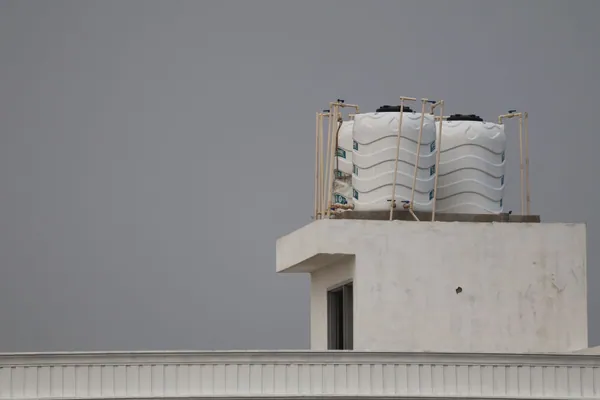
Draining the damp, salty water requires powerful equipment to ensure complete removal with no pockets of old water left behind that could harbour bacteria.
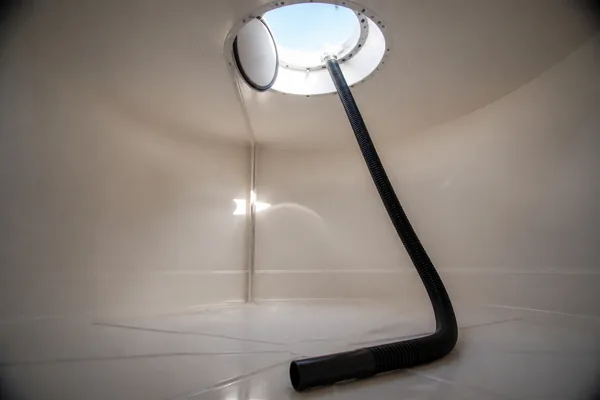
Sediment vacuumed from the floor shows a thick green deposit of seawater algae and biofilm characteristic of humid coastal conditions.
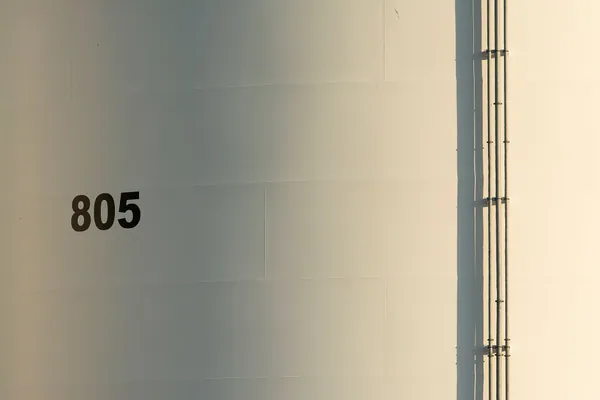
Wall scrubbing targets the thick, rubbery biofilm layer typical of high-humidity environments, using stiff brushes and repeated passes to strip the resistant coating bare.
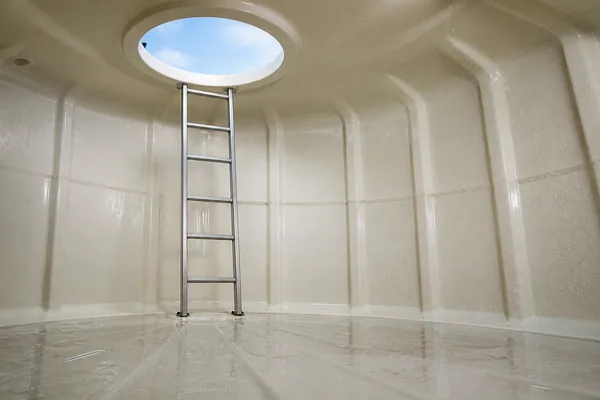
Disinfection uses products proven against seawater organisms and the bacteria that thrive in damp coastal conditions, applied thoroughly to all interior surfaces.
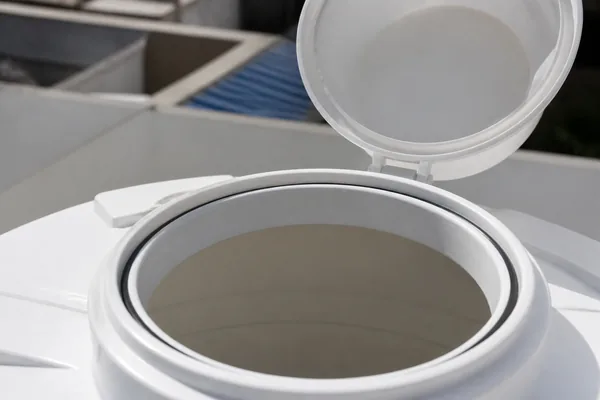
Final rinsing is repeated several times to remove remaining biofilm fragments and salt, and the lid and all pipe connections are inspected and treated to prevent rapid recolonisation.
The supply into the tank is shut and the tank is drained completely.
The sludge on the floor is scooped and pumped out first.
The biofilm on the walls is physically scrubbed off.
With the walls and floor clean, a disinfectant made for drinking-water storage is applied and given time to act on every surface.
The disinfectant and any loosened residue are rinsed down and pumped out, so the first tank of water after us is not carrying it.
We check the cover seal and inlet before refilling, so dust and insects stay out, then start the refill while you watch it run clear.
Al Nahdah runs along Hira Street between King Abdulaziz Road and the sea, and tank location is identified by its proximity to Hira Plaza and Al Nahdah Park, landmarks that guide us to your address and help us plan access.
Pumps to clear sludge, scrubbing to remove biofilm, and disinfectant meant for potable storage.
We send a team, not one person, so a tank is drained, cleaned, disinfected and refilled in a single visit rather than left open for days.
We look at the lid seal and inlet, because a tank that got dirty fast usually has a way in.
Nothing is closed until the tank is refilling and you have seen the water run clean.
Photographs from real jobs carried out by the crew.












The commitment is simple enough to actually keep: we do not leave until the tank is disinfected, refilling, and you have seen it for yourself.
West Jeddah faces the sea along the Corniche, and the flats and towers along it live with salt in the air all year. Salt settles on glass as a haze that plain water spreads rather than removes, and it works into balcony railings, outdoor fabric and the metal of window frames. Indoors, humidity keeps carpets and curtains slightly damp, so they hold odours and dust longer than in drier districts, and bathroom grout and shower glass show scale quickly. Wooden floors and doors swell a little in the wetter months.
We provide these in Al Nahdah too, and more than one can share a single visit.



