
The right gear for drinking water
Pumps to clear sludge, scrubbing to remove biofilm, and disinfectant meant for potable storage.
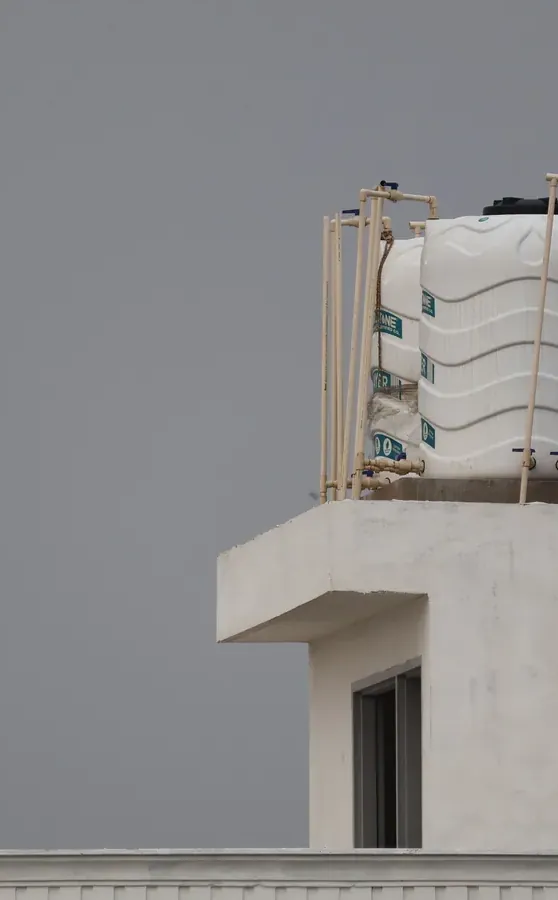
Al Rawdah is a central northern district along Madinah Road with upmarket villas, modern apartment blocks, and Jamjoom Commercial Centre. Tanks here serve a mix of residential and commercial buildings, and what collects inside them reflects the urban density of a central neighbourhood where commercial activity and residential life overlap.
In central neighbourhoods where Tahlia Street intersects with food service and high foot traffic, tanks accumulate sediment and cooking fumes at a noticeably faster rate. For the method itself, see what water tank cleaning involves.
Al Rawdah combines luxury villas, shared residential blocks and ground-floor commercial units, so tanks vary widely: small individual tanks on villas, large shared tanks on apartment buildings, and systems that serve shops and restaurants.
Tahlia Street and Prince Sultan Road host restaurants, cafes and busy shops whose cooking fumes and traffic dust rise into the air and settle in tanks, making them dirtier than purely residential quarters.
King Faisal Specialist Hospital and medical complexes mean water purity standards are higher. Tanks serving or near medical facilities need rigorous disinfection because clean water is a clinical requirement.
The district borders Al Faisaliyah, Al Khalidiyah, Al Salamah and Al Zahra, with major landmarks including King Faisal Specialist Hospital, Al Rawdah Park, and Tahlia Street where shops, restaurants and cafes concentrate commercial activity.
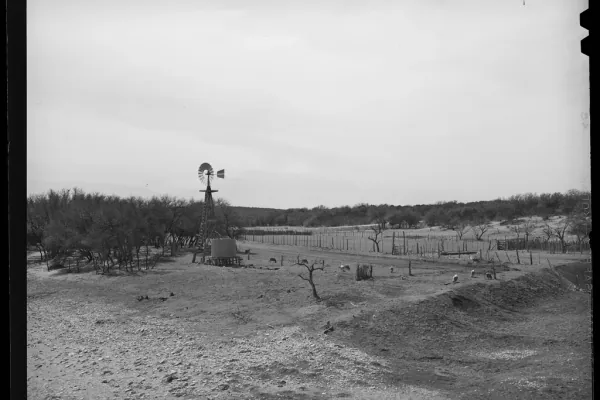
Tank is opened and inspected to identify contamination type and damage from a central urban environment before any cleaning begins.
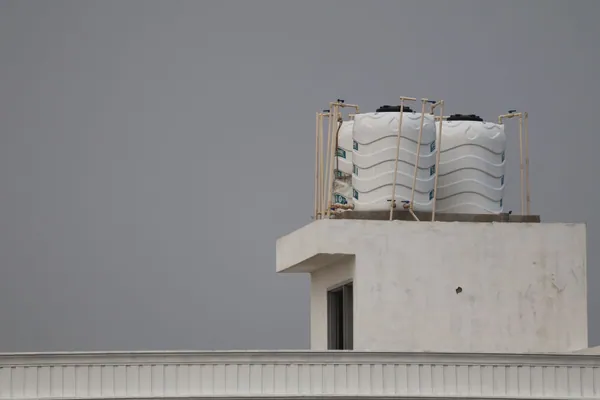
Old water is fully pumped out with food-grade equipment and discharged in a way that does not affect neighbouring properties.
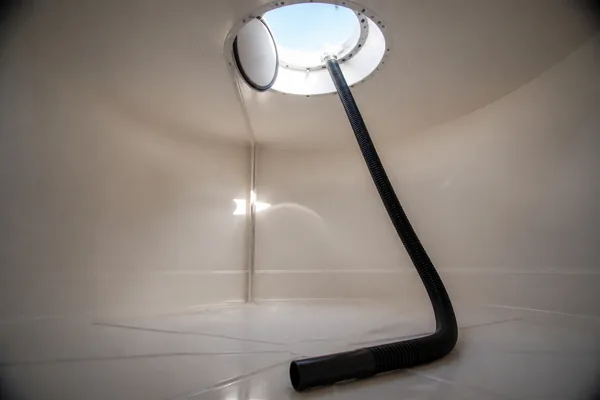
Sediment and cooking fats from commercial air are deep-vacuumed without spreading contaminants into the water column or walls.
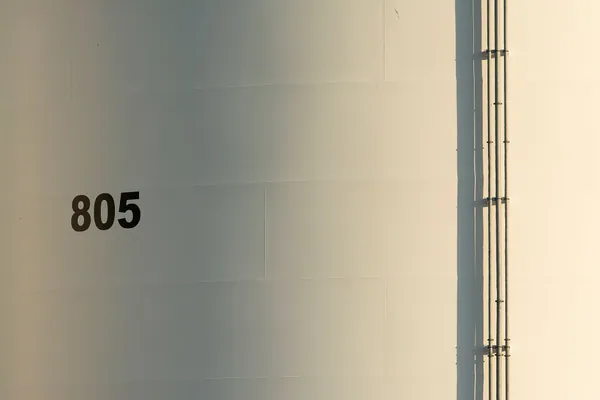
Hand scrubbing focuses on removing fat layers and biofilm that build faster in a commercial and high-use environment.
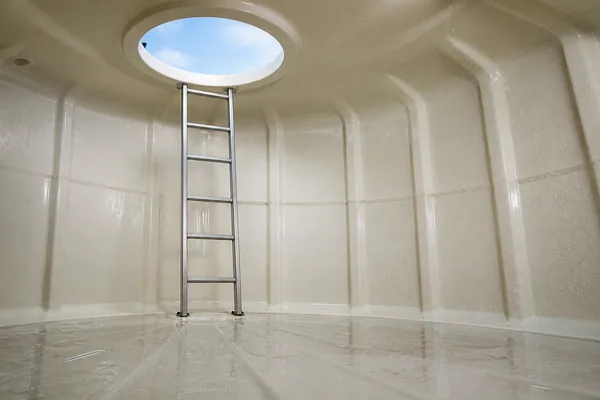
Disinfectant used is approved for drinking water and safe for use near medical and clinical facilities.
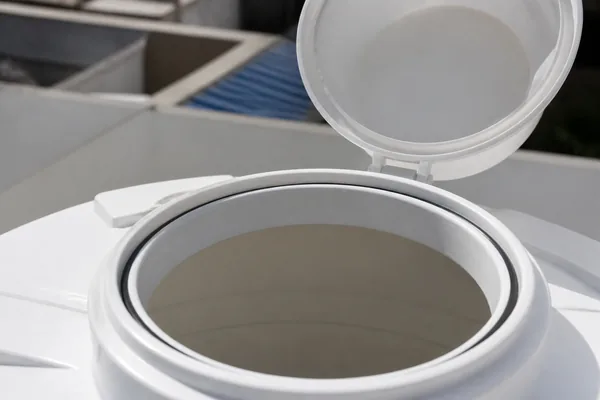
Final rinse is comprehensive, lid is checked, all openings inspected, and refilling done in your presence.
The supply into the tank is shut and the tank is drained completely.
The sludge on the floor is scooped and pumped out first.
The biofilm on the walls is physically scrubbed off.
With the walls and floor clean, a disinfectant made for drinking-water storage is applied and given time to act on every surface.
The disinfectant and any loosened residue are rinsed down and pumped out, so the first tank of water after us is not carrying it.
We check the cover seal and inlet before refilling, so dust and insects stay out, then start the refill while you watch it run clear.
Pumps to clear sludge, scrubbing to remove biofilm, and disinfectant meant for potable storage.
We send a team, not one person, so a tank is drained, cleaned, disinfected and refilled in a single visit rather than left open for days.
We look at the lid seal and inlet, because a tank that got dirty fast usually has a way in.
Nothing is closed until the tank is refilling and you have seen the water run clean.
Photographs from real jobs carried out by the crew.












The commitment is simple enough to actually keep: we do not leave until the tank is disinfected, refilling, and you have seen it for yourself.
Mixed district: shops at street level with homes above them
Mixed districts mean tanks serve different consumption patterns: upmarket homes demand pristine water, while commercial premises and hospitals require higher health standards, so cleaning must be thorough and disinfection rigorous across all tank types.
We provide these in Al Rawdah too, and more than one can share a single visit.



