
The right gear for drinking water
Pumps to clear sludge, scrubbing to remove biofilm, and disinfectant meant for potable storage.
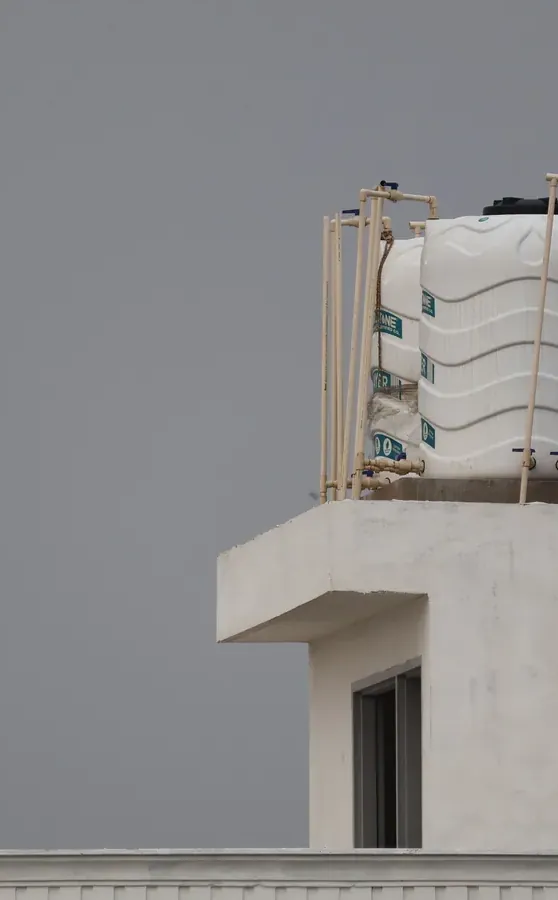
Al Rabiyah is a brand new subdivision at the far southern edge of Jeddah, where most plots remain unbuilt and the resident count is tiny. The new tanks that exist here face unique challenges: incomplete construction raises dust rapidly, and the remote location south of the old city means different pollution patterns from transport and the nearby coast.
The few occupied villas in Al Rabiyah report cloudy water and sometimes foul smells, because the tanks are very new and the district itself has not yet built out its full infrastructure. For the method itself, see our guide to water tank cleaning.
Al Rabiyah is at Jeddah's far south, distant from the old city. Tanks here are exposed to dust from heavy routes along the Axial Road and salt-laden wind from the nearby sea.
Most of Al Rabiyah is subdivided unbuilt land. Excavation and equipment work between the villas, raising dust that worsens tank conditions.
Occupied villas are rare and water stays in the tank longer. This speeds algae and mould growth, especially with coastal humidity.
Al Rabiyah sits at Jeddah's far southern edge, near Al Khumrah, with very little infrastructure. Most of the land plots are unbuilt, and occupied areas are widely scattered. The location is near the heavy Jeddah Axial Road.
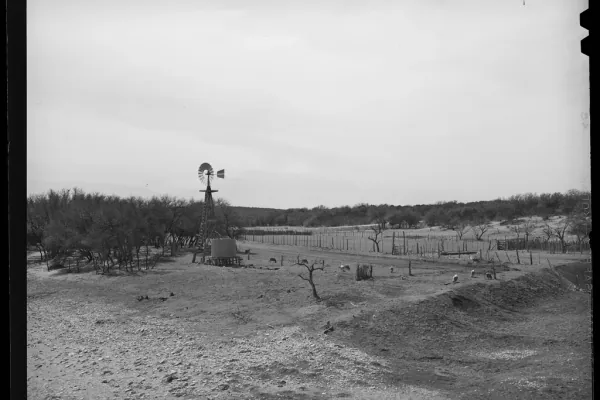
Inspection before draining is essential because a new tank may hold sand or dust from the new pipes themselves.
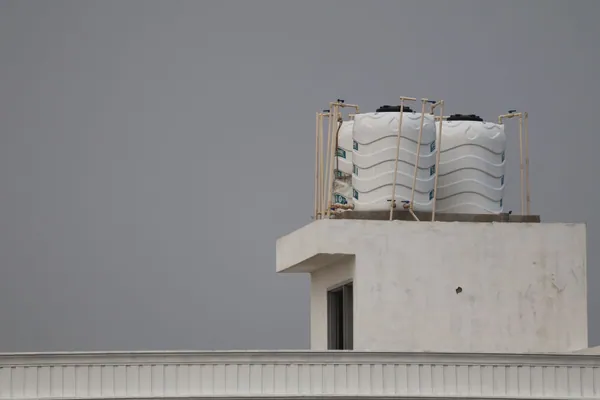
Draining in Al Rabiyah may reveal stagnant water and foul smells, because the district is new and water does not flow quickly.
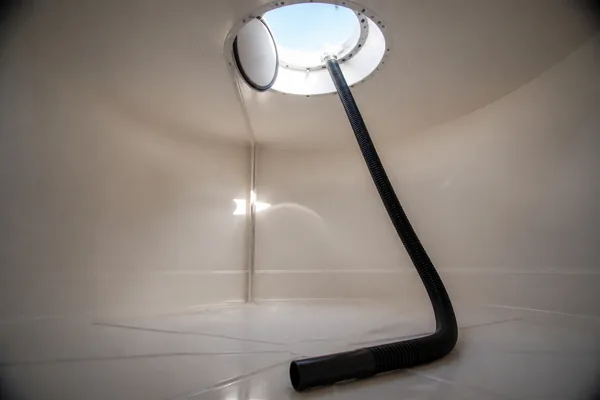
Vacuuming removes sediment and fine particles. In a young district, sediment may be light but mould smell is strong.
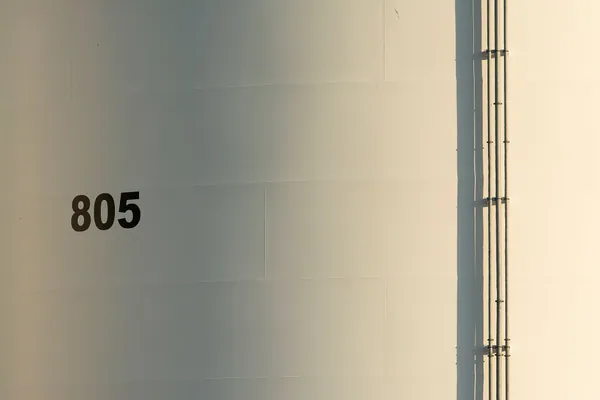
Scrubbing removes green algae and black mould from humidity and the southern location.
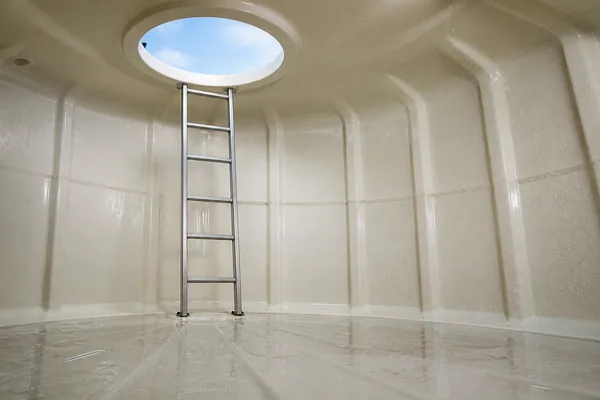
Disinfection is essential, because stagnant water in an isolated young district allows bacteria and mould to grow fast.
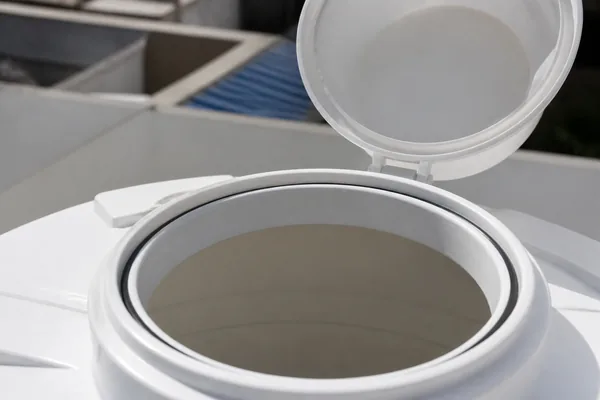
We inspect the lid carefully because strong winds off the nearby sea may cause small seal gaps.
The supply into the tank is shut and the tank is drained completely.
The sludge on the floor is scooped and pumped out first.
The biofilm on the walls is physically scrubbed off.
With the walls and floor clean, a disinfectant made for drinking-water storage is applied and given time to act on every surface.
The disinfectant and any loosened residue are rinsed down and pumped out, so the first tank of water after us is not carrying it.
We check the cover seal and inlet before refilling, so dust and insects stay out, then start the refill while you watch it run clear.
New development: ongoing construction and vacant plots between the homes
In an isolated new development like Al Rabiyah, a new tank faces pollution from surrounding building work and stagnant water from low use, rather than sediment accumulated over years.
Pumps to clear sludge, scrubbing to remove biofilm, and disinfectant meant for potable storage.
We send a team, not one person, so a tank is drained, cleaned, disinfected and refilled in a single visit rather than left open for days.
We look at the lid seal and inlet, because a tank that got dirty fast usually has a way in.
Nothing is closed until the tank is refilling and you have seen the water run clean.
Photographs from real jobs carried out by the crew.












The commitment is simple enough to actually keep: we do not leave until the tank is disinfected, refilling, and you have seen it for yourself.
Villas in Al Rabiyah are located near Jeddah Axial Road and the Ring Road, which provide clear routes to tank locations in this remote southern subdivision.
We provide these in Al Rabiyah too, and more than one can share a single visit.



