
The right gear for drinking water
Pumps to clear sludge, scrubbing to remove biofilm, and disinfectant meant for potable storage.
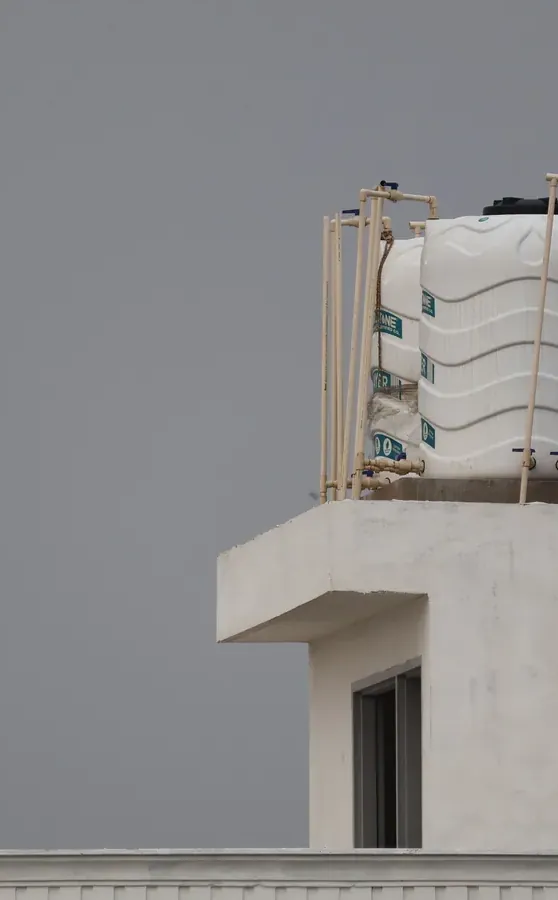
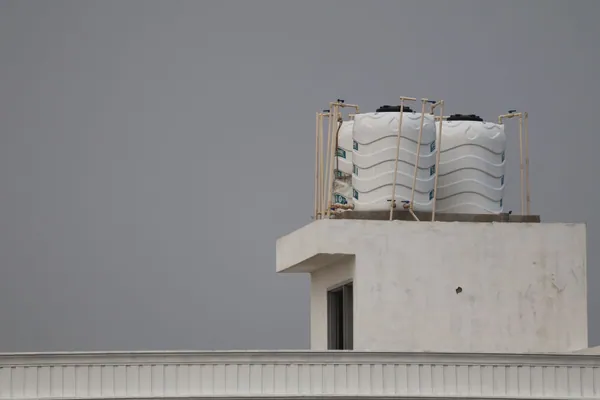
Al Qaws is a mixed district where homes sit directly above shops and trade outlets, and shared tanks serve both ground floor businesses and the flats above them. The commercial activity below your flat means the tank faces constant dust from goods traffic, continuous movement, and fumes from the work below. Cleaning here must be planned carefully so the shop downstairs does not lose water during working hours.
Shared tanks here deteriorate rapidly under heavy use and mixed demand, and cleaning requires coordination with ground floor businesses so their operations do not stop during the work. For the method itself, see the full water tank cleaning page.
Ground floor commercial space and flats above share a single tank. Heavy and mixed demand causes sediment to build faster and surfaces to degrade sooner. Cleaning must account for both the shop and the residential units, and timing matters so the business downstairs does not lose water supply during operating hours.
Shops and storage areas handle many types of materials and goods, and constant movement below raises dust that rises into the tank space. Older lids do not seal against all of this, so cleaning must go deeper and happen more often than in purely residential areas.
Ground floor operations generate various fumes and the continuous activity increases ambient humidity in the building. These conditions cause algae and bacteria to grow on tank walls faster than in quiet residential zones, so disinfection must be thorough rather than routine.
The area lies along the course of Wadi Al Qaws, within the hill and valley belt east of Jeddah, where commercial activity and family housing occupy the same building from ground to roof.
The shared tank is checked in full before work starts, from outside and in, to assess structure, lids, connections and the condition of all attached pipework.
Draining is coordinated so the ground floor shop does not lose water during its trading hours, and timing is chosen by agreement with all users.
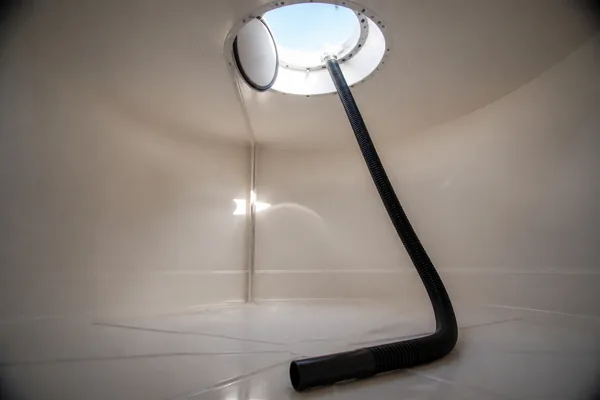
Sediment removal focuses on heavy deposits built up from intense use and dust from goods movement and constant commercial activity below.
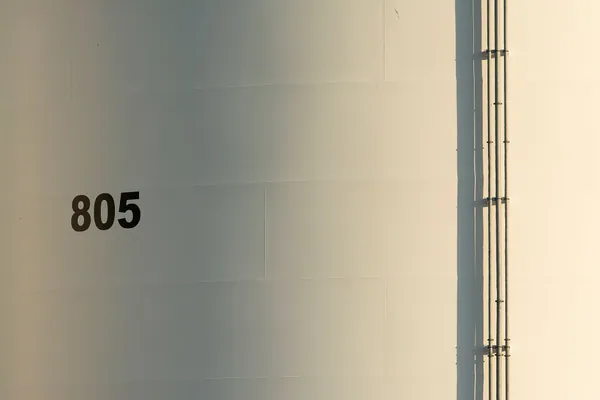
Hand scrubbing of walls and floor is deep and thorough to remove algae and bacteria that grow quickly in the damp environment created by the active shop below.
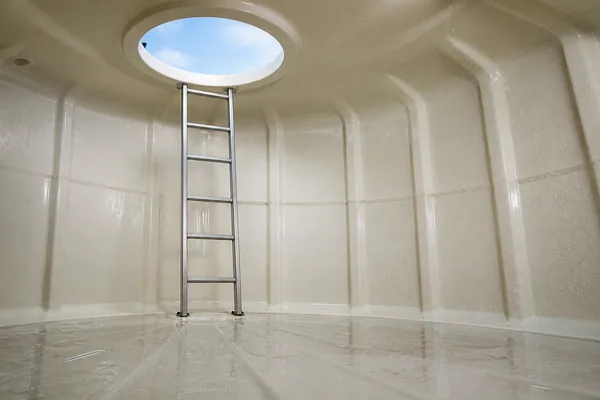
Interior surfaces are disinfected with drinking-water-approved products, ensuring bacteria and fumes-related odours are gone.
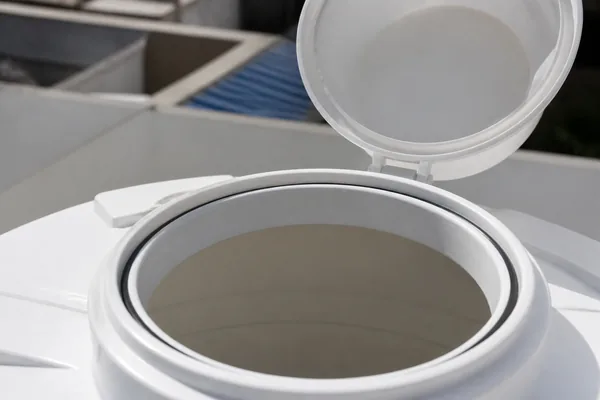
Final rinse is complete, and lids and seals are checked to stop dust and contaminants from the shop entering the tank again after cleaning is done.
The supply into the tank is shut and the tank is drained completely.
The sludge on the floor is scooped and pumped out first.
The biofilm on the walls is physically scrubbed off.
With the walls and floor clean, a disinfectant made for drinking-water storage is applied and given time to act on every surface.
The disinfectant and any loosened residue are rinsed down and pumped out, so the first tank of water after us is not carrying it.
We check the cover seal and inlet before refilling, so dust and insects stay out, then start the refill while you watch it run clear.
Mixed district: shops at street level with homes above them
Mixed use means the tank serves both a shop and residential units, so it carries heavy demand and varied contaminants from commercial activity. Cleaning here must be deeper and more frequent, and disinfection must be strong enough to protect the water from continuous fumes and dust from the shop downstairs.
Pumps to clear sludge, scrubbing to remove biofilm, and disinfectant meant for potable storage.
We send a team, not one person, so a tank is drained, cleaned, disinfected and refilled in a single visit rather than left open for days.
We look at the lid seal and inlet, because a tank that got dirty fast usually has a way in.
Nothing is closed until the tank is refilling and you have seen the water run clean.
Photographs from real jobs carried out by the crew.












The commitment is simple enough to actually keep: we do not leave until the tank is disinfected, refilling, and you have seen it for yourself.
Al Qaws sits along Wadi Al Qaws, the historical valley that runs through the district. Close to Mareekh Mountains to the east, the area's shared tanks connect from main roads through the water network that serves both the shops and the flats together.
We provide these in Al Qaws too, and more than one can share a single visit.



