
The right gear for drinking water
Pumps to clear sludge, scrubbing to remove biofilm, and disinfectant meant for potable storage.
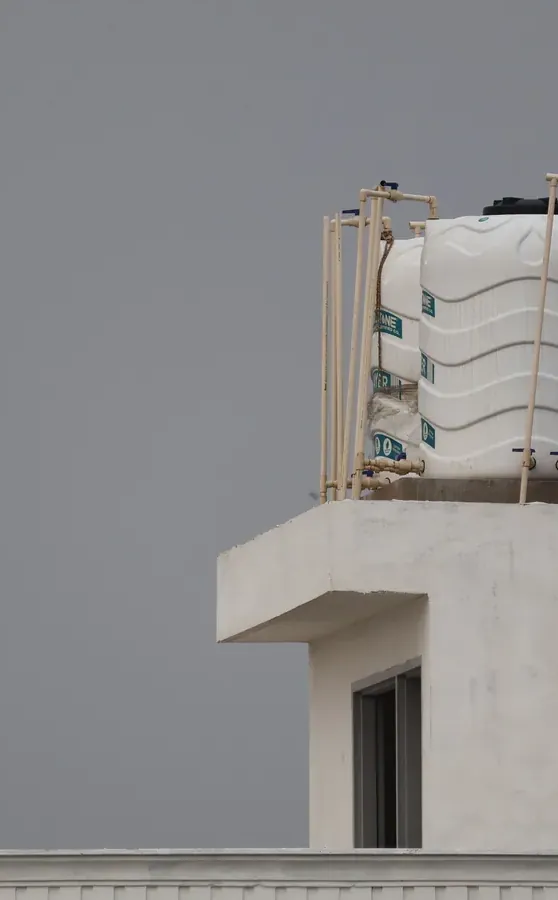
Al Mursalat is a densely packed apartment district in the far southeastern corner of Jeddah, where the Jeddah Makkah Expressway runs through and a shared tank serves multiple flats across several storeys. The oily diesel soot from heavy traffic settles on tank bottoms much faster than in northern districts, and coastal humidity accelerates algae and mould growth on the walls where residents draw their drinking water.
Apartment tanks here develop black oily sediment visibly faster than in northern areas, and coastal humidity accelerates algae growth on walls, requiring more frequent attention to prevent musty water smell. For the method itself, see the full water tank cleaning page.
The Jeddah Makkah Expressway runs directly through the district, and heavy traffic deposits oily diesel soot mixed with workshop grit that settles rapidly on tank floors and coats the walls, requiring thorough sediment removal and careful wall scrubbing rather than surface-level rinsing alone.
Proximity to the sea means salt and moisture in the air accelerate green algae colonisation on tank walls and floor, often returning within weeks even after cleaning. Disinfection must be thorough and the tank lid must seal properly to slow regrowth between visits.
Many apartment blocks have one tank serving six or more flats across several storeys, meaning water sits longer and sediment accumulates faster with higher household consumption, so the tank interior collects debris more heavily than single-household tanks elsewhere.
The district sits directly on the Jeddah Makkah Expressway where heavy trucks pass continuously. Oily diesel soot and workshop grit penetrate uncovered tanks easily, accumulating dark sediment on the floor and coating the walls.
Before work starts, the tank must be examined closely because coastal humidity can cause hairline cracks in concrete tanks or small seepage points that affect water quality over time.
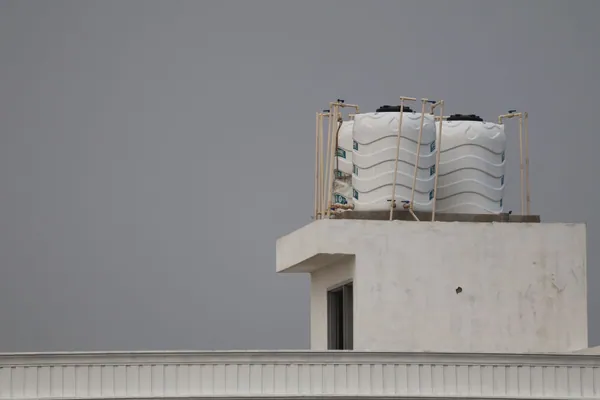
Complete drainage is essential because oily diesel soot from traffic deposits a thick, sticky layer on the floor that requires full emptying and cannot be cleared by partial water changes alone.
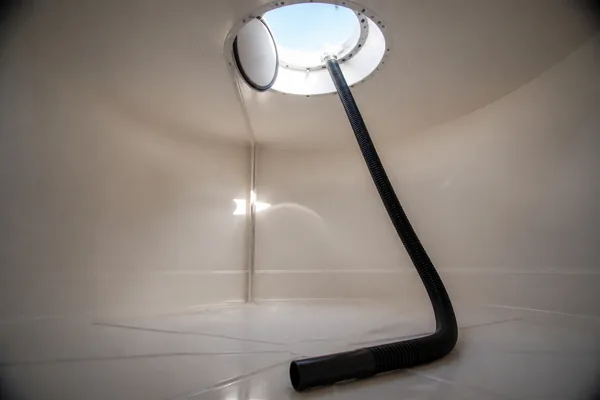
Black sediment from diesel soot clings to the floor and must be vacuumed out thoroughly, as this sediment does not dissolve in fresh water and will return to the tank surface during the first refill.
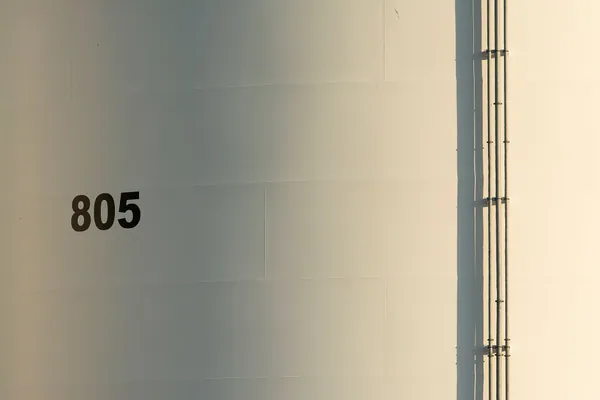
Walls and floor must be scrubbed by hand to remove green algae and mould encouraged by coastal humidity, which cannot be cleared by chemical treatment alone without mechanical scrubbing.
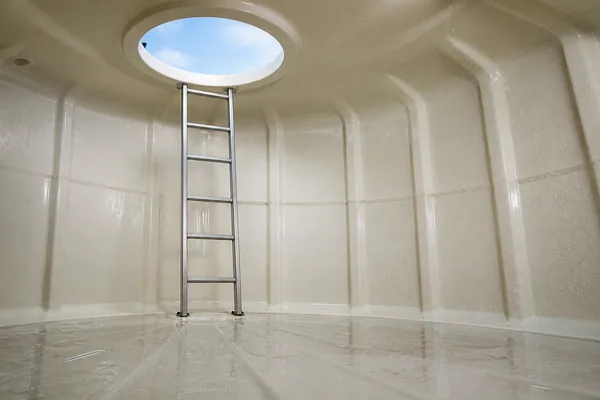
Disinfection targets algae and mould spores that are likely to return quickly in this humid coastal environment, so thorough coverage of all surfaces and a proper settling time are essential before the final rinse.
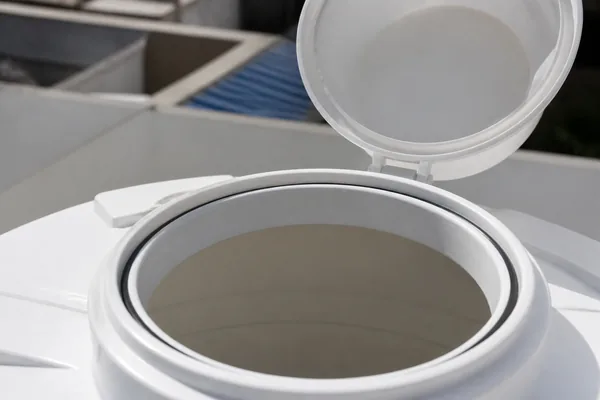
The final rinse uses clean water to high standards, and the lid and all fittings must be inspected carefully to ensure they seal properly and prevent oily dust from entering again before the tank refills.
The supply into the tank is shut and the tank is drained completely.
The sludge on the floor is scooped and pumped out first.
The biofilm on the walls is physically scrubbed off.
With the walls and floor clean, a disinfectant made for drinking-water storage is applied and given time to act on every surface.
The disinfectant and any loosened residue are rinsed down and pumped out, so the first tank of water after us is not carrying it.
We check the cover seal and inlet before refilling, so dust and insects stay out, then start the refill while you watch it run clear.
Pumps to clear sludge, scrubbing to remove biofilm, and disinfectant meant for potable storage.
We send a team, not one person, so a tank is drained, cleaned, disinfected and refilled in a single visit rather than left open for days.
We look at the lid seal and inlet, because a tank that got dirty fast usually has a way in.
Nothing is closed until the tank is refilling and you have seen the water run clean.
Photographs from real jobs carried out by the crew.












The commitment is simple enough to actually keep: we do not leave until the tank is disinfected, refilling, and you have seen it for yourself.
South Jeddah runs from the port and the industrial city down towards Al Khumrah, and homes here sit between the sea and the heavy goods roads. The dust is darker and oilier than in the north, a mix of diesel soot and workshop grit, and it clings to net curtains, window sills and the tops of kitchen cupboards. Floors in the older low rise housing are often plain cement or ceramic tile that darkens where soot is walked in. Humidity from the coast adds mildew in bathrooms and a musty smell in stored fabrics.
We provide these in Al Mursalat too, and more than one can share a single visit.



